


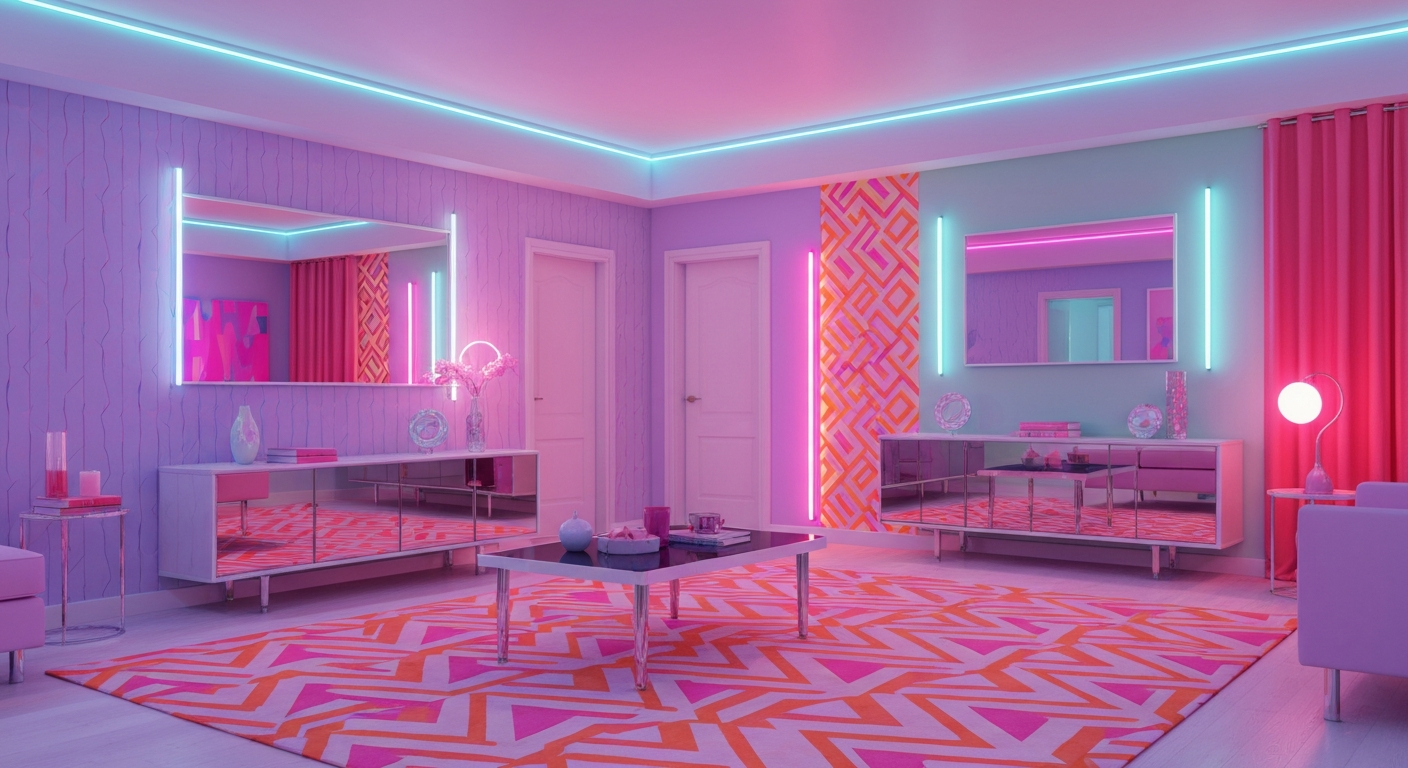
Key Highlights
Here’s a quick look at the 1980s decor trends making a comeback:
- Dusty pastels like mauve and peach are returning, offering a softer take on the vibrant 80s palette.
- Bold patterns, from geometric prints to florals, are once again adding personality to walls and fabrics.
- Natural materials such as terracotta, rattan, and wicker are warming up modern spaces, fitting perfectly with the modern farmhouse aesthetic.
- Iconic silhouettes in furniture, including sculptural tables and overstuffed sofas, are transforming the living room.
- Mirrored and brass accents are bringing a touch of glam back into our homes.
Introduction
It’s official: the 1980s are back in a big way! Just as generative AI and artificial intelligence have reshaped our world at an incredible pace, design trends also operate on a cycle. Experts often say trends resurface every 40 years, which puts the 80s right on schedule for a major revival. While some elements are best left in the past, many of the decade's key looks are being reimagined for today's homes. Much like a language model learns from the past, designers are drawing inspiration from this vibrant era.
10 Essential 1980’s Home Decor Trends Making a Comeback
The bold and often playful styles of the 1980s are finding a new audience. The next generation of homeowners and designers is looking past the look of the old advertisements and discovering the warmth and personality this decade’s decor has to offer. From your living room to your bedroom, these trends are being updated with new features and a modern sensibility.
Are you ready to embrace a little retro flair? Let's explore 10 essential trends from the 80s that feel fresh and exciting all over again. You might be surprised by how easily they can fit into your contemporary space.
1. Pastel Color Palettes in 1980’s Room Decor
Forget the neon-soaked stereotypes for a moment and think about the softer side of the 80s. Dusty pastels were a huge part of the decade's country aesthetic, creating a look that was a more muted version of Miami Vice. Think about shades like mauve, dusty rose, cornflower blue, and peach, which brought color into a room without overwhelming it. Sherwin-Williams even referred to this period as the "mauving of America."
These subdued yet saturated hues are experiencing a major revival. Designers are finding fresh ways to use these colors, proving they are a foolproof method for adding authentic character to a home. Historically, paints made from natural pigments and materials had an inherent earthiness, and this quality is what makes these shades feel so timeless.
Whether you paint an entire room in a soft peach or use mauve as an accent color, these pastels are perfect for creating a warm and inviting atmosphere. They offer a sophisticated take on color that feels both nostalgic and completely current.
2. Memphis Design Movement: Bold Patterns and Shapes
Originating in Italy, the Memphis Design movement was a reaction against the minimalist and serious design rules of the 1970s. It was all about being playful, colorful, and unexpected. This style embraced bold, clashing colors, and graphic patterns that broke all the rules in the best way possible.
The core of Memphis design lies in its use of geometric prints and shapes. Think about:
- Squiggles and zig-zags
- Circles and triangles in abstract arrangements
- Asymmetrical and whimsical forms
Today, you can see the influence of this movement in modern patterns used for textiles, wallpaper, and art. You don’t have to go all-out to incorporate this trend. A few throw pillows with geometric prints or a piece of wall art with abstract shapes can add a fun, energetic pop of 80s style to any room. It’s a great way to show off your creative side.
3. Glass Block Walls and Accents
If there’s one material that screams 1980s, it’s glass block. Used for everything from shower enclosures to entire walls, these translucent blocks were prized for their ability to let in light while maintaining privacy. They created iconic silhouettes and added a futuristic, almost glamorous feel to interiors. Much like the current revival of brick floors, this textural material is making a surprising comeback.
Modern interpretations are using glass block in more refined ways. Instead of a full wall, consider using it as a clever room divider in an open-plan space or as an accent in a bathroom. The texture of glass block pairs surprisingly well with both sleek, modern finishes and warmer, natural materials.
By using glass block sparingly, you can capture that authentic 1980s look without your home feeling like a time capsule. It’s a nod to the past that can feel architectural and chic, allowing you to play with light and structure in an interesting way.
4. Floral and Chintz Fabrics in 1980s House Decor
During the early 1980s prairie revival, floral and chintz fabrics were everywhere, thanks in large part to the legendary designer Laura Ashley. These patterns, characterized by their dense, romantic floral motifs on a light background, covered everything from sofas and curtains to entire bedrooms. It was a look that blended English country charm with a touch of folksy sweetness.
This trend is back, aligning perfectly with the current love for cottagecore and grandmillennial styles. The appeal of chintz lies in its ability to make a room feel cozy, classic, and welcoming. While a whole room of chintz might feel overwhelming today, using it for a statement armchair, throw pillows, or a bed skirt adds a perfect touch of vintage charm.
The return of these fabrics connects to a broader appreciation for folk art and traditional craftsmanship. A touch of floral or chintz can soften a modern room, adding layers of pattern and history that make your space feel more personal and curated.
5. Mirrored Furniture and Accessories
Nothing says 80s glam like mirrored furniture. From nightstands and coffee tables to entire wardrobe doors, reflective surfaces were a key element of the decade's more luxurious side. This trend was all about bouncing light around the room, making spaces feel bigger, brighter, and more opulent. The look of the old advertisements for these pieces often showcased them in dramatic, lavish settings.
To bring this trend into your home today, think about using mirrored pieces as accents rather than the main event. A few ideas include:
- A mirrored side table next to a sofa
- A decorative tray with a mirrored base on a coffee table
A fun fact is that this trend wasn't just about glamour; it was also a clever design trick to enhance small spaces. Just like a smart AI agent processes information to find a solution, mirrored accessories creatively solve the problem of a dark or cramped room. It’s an easy way to add a little sparkle and sophistication.
6. Lucite and Acrylic Furnishings
Lucite and acrylic furniture brought a touch of futuristic chic to 1980s interiors. These transparent materials were used to create everything from sleek coffee tables and dining chairs to decorative accessories. The appeal was in their "barely there" quality, which allowed them to blend into any space while still making a stylish statement.
These pieces created iconic silhouettes that appeared to float in a room, making them perfect for smaller spaces where traditional furniture might feel too heavy. A lucite waterfall coffee table, for example, could provide function without adding visual clutter. This ghost-like quality made them a favorite among designers looking to create a clean yet glamorous look.
Today, lucite and acrylic are back in favor for the very same reasons. They mix beautifully with other styles, from plush velvet sofas to rustic wooden tables. A pair of acrylic dining chairs or a clear console table can add a touch of 80s modernism that feels completely fresh and sophisticated.
7. Rattan and Wicker Pieces for 80s Inspired Decor
While the 80s had its share of glam, there was also a strong movement toward natural, earthy materials. Rattan and wicker furniture perfectly captured this more relaxed, bohemian vibe. These woven materials were used for chairs, headboards, tables, and decorative items, bringing a sense of warmth and texture into the home.
This trend was an especially popular choice for sunrooms and casual living areas, but it also found its way into bedrooms and dining rooms. The light, airy feel of wicker and the sturdy, tropical look of rattan provided a welcome contrast to the heavier furniture styles of the time.
Today, rattan and wicker are more popular than ever, fitting seamlessly into various aesthetics, including the modern farmhouse and coastal styles. A wicker peacock chair can serve as a stunning accent, while a rattan cabinet can provide stylish storage. These materials prove that some 80s trends are truly timeless.
8. Neon Lighting and Accent Details
When you think of the 80s, it's hard not to picture the vibrant glow of neon. Inspired by the buzzing nightlife and pop culture of the era, best exemplified by shows like Miami Vice, neon signs moved from storefronts into homes. They served as bold statement art, adding a splash of electric color and edgy personality to any room.
These glowing signs often featured quirky phrases, abstract shapes, or iconic symbols like flamingoes and palm trees. Placed above a bar cart, in a home office, or as the centerpiece of a gallery wall, a neon light was the ultimate cool-kid accessory. It was a fun and rebellious way to express individuality.
Modern neon is more accessible than ever, with many companies offering custom designs or pre-made signs in a variety of colors and fonts. A small neon table lamp or a chic wall-mounted phrase can act as a piece of illuminated statement art, giving your space a retro-cool vibe that is pure 80s fun.
9. Wallpaper Borders and Statement Walls
In the 1980s, walls were rarely left plain. Wallpaper was king, and statement walls featuring bold patterns were common. An even more ubiquitous trend was the wallpaper border, a strip of patterned paper that ran along the top of the walls, separating the wall from the ceiling. These borders often featured floral, geometric, or themed designs.
While a full-on wallpaper border might feel a little dated to some, the concept is being modernized in creative ways. Instead of a traditional border, designers are opting for:
- Painted borders in a contrasting color for a sharp, graphic look.
- Applying wallpaper to just one statement wall to create a focal point without overwhelming the room.
This approach lets you play with pattern and color in a more controlled and contemporary way. It captures the decorative spirit of the 80s while feeling fresh and intentional. A bold wallpaper behind a headboard or a crisp painted border in a hallway can add just the right amount of retro flair.
10. Brass Fixtures and Gold Accents in 80s Inspired Home Decor
After decades of chrome and brushed nickel dominating home hardware, the warm gleam of brass is back. In the 1980s, shiny, polished brass fixtures were a hallmark of a stylish home, appearing on everything from faucets and cabinet pulls to lamps and table legs. This trend was part of the decade's embrace of opulence and glamour.
Today's take on brass is a bit more refined. While the high-shine polished look is still an option, many are opting for satin, brushed, or unlacquered brass finishes. These have a softer, more lived-in feel that can complement a wide range of styles, from modern minimalist to traditional country.
Incorporating gold accents is an easy way to bring a touch of 80s-inspired warmth and luxury into your space. Swap out your kitchen hardware, add a brass floor lamp to your living room, or hang a mirror with a gold frame. These small changes can make a big impact, adding a layer of sophistication.
Popular Colors and Prints in 1980s Room Decor
The 1980s were anything but bland. The decade was defined by a wide range of color schemes, from soft and dusty pastels to bold and graphic combinations. A look through the Country Living archives reveals a love for both comforting earth tones and vibrant, energetic hues that brought interiors to life.
Prints were equally diverse, with everything from delicate florals to edgy modern patterns making an appearance. Below, we'll explore some of the most memorable color and print trends from the era that are finding new life in today's homes.
Iconic 1980s Color Schemes: Mauve, Peach, and Teal
The quintessential 80s palette was a study in contrasts. On one hand, you had the soft, dusty hues that came to define the country and preppy aesthetics of the decade. Mauve, a dusty pinkish-purple, was so popular that the era has been jokingly called the "mauving of America." It was often paired with other subdued colors like peach and seafoam green.
On the other hand, the decade also embraced bolder, more saturated colors. Teal was a standout, offering a rich, jewel-toned pop that felt both sophisticated and fun. These colors were used generously, often in combinations that felt uniquely 80s, such as:
- Mauve and gray
- Peach and teal
Today, these colors are being used in more nuanced ways. An AI model analyzing trends would likely flag their return in accent walls, furniture, and textiles. A peach-colored velvet sofa or a teal-painted bathroom can feel wonderfully retro yet surprisingly modern.
Black and White Checkerboard Patterns
The black and white checkerboard pattern is a timeless classic, but it had a major moment in the 1980s. This bold, graphic pattern was used most prominently on floors, particularly in kitchens and entryways, instantly adding a dose of retro diner-cool to any space. Its high contrast and clean lines made it a perfect fit for the decade's modern design sensibilities.
Beyond flooring, the checkerboard motif appeared on textiles, accessories, and even furniture. It was a versatile pattern that could feel both playful and sophisticated, depending on how it was used. The sharp, repeating grid was a visual anchor in rooms that often featured a mix of other colors and patterns.
This trend is easy to incorporate today. A checkerboard tile floor remains a show-stopping choice for a kitchen or bathroom. For a less permanent option, consider a checkerboard area rug, throw pillows, or even a painted accent on a piece of furniture. It's a pattern that an AI agent would recognize for its consistent graphic impact throughout design history.
Geometric Prints and Abstract Motifs
The 1980s were a playground for geometric prints and abstract motifs. Influenced by art movements like Art Deco and the more contemporary Memphis Design group, these patterns were all about sharp angles, bold lines, and playful shapes. They adorned everything from wallpaper and upholstery to bedding and artwork.
These prints were a departure from the soft florals of the country aesthetic, offering a more modern, edgy, and energetic vibe. Common motifs included:
- Triangles, circles, and squares arranged in repeating or random patterns.
- Thick, graphic squiggles and zig-zags, often in high-contrast color combinations.
The renewed interest in these patterns aligns with a desire for more personality and fun in our homes. Much like the rapid pace of AI development, these patterns feel dynamic and forward-thinking. You can bring this trend home with a statement rug, graphic cushions, or a bold piece of abstract art that captures the vibrant spirit of the 80s.
Animal Prints and Jungle Themes
The 1980s embraced the wild side with a love for animal prints and jungle themes. Zebra and leopard prints, in particular, were used to add a touch of exotic glam to interiors. These bold patterns could be found on rugs, throw pillows, and even upholstered furniture, making a confident and daring statement.
Beyond just prints, the decade also saw a surge in motifs of specific animals, what some have called the "rooster revival." Iconic silhouettes of ducks, geese, and swans appeared on everything from wallpaper to kitchen canisters. These more rustic animal themes offered a country-style counterpoint to the glamorous jungle prints.
Today, you can incorporate this trend by sticking to more timeless antiques featuring these iconic silhouettes, like rooster weathervanes or hen-on-nest dishware. A touch of leopard print on a cushion or an ottoman can also add a sophisticated hint of 80s maximalism without overwhelming your space.
Signature Furniture Styles of the 1980s
Furniture in the 1980s was all about making a statement, whether through massive size, high-gloss finishes, or unusual shapes. Comfort was also key, leading to the popularity of deep, overstuffed sofas that invited you to sink in and relax. On the other end of the spectrum, sleek lacquered furniture offered a dose of glamour.
From low-slung platform beds to eye-catching sculptural tables, the furniture of the decade was diverse and full of personality. Let's explore some of the signature styles that are making a comeback and influencing how we furnish our homes today.
Overstuffed Sofas and Sectionals in 80 Home Decor
Comfort reigned supreme in the 1980s living room, and nothing embodied this better than the overstuffed sofa. These plush, deep-seated couches, often covered in soft fabrics like chenille or floral prints, were designed for maximum relaxation. With their rounded arms and pillowy cushions, they were the centerpiece of any family gathering space.
The sectional sofa also had a major moment during this decade. Large, modular designs allowed families to customize their seating to fit their living room perfectly. These pieces were all about casual, comfortable living, encouraging everyone to pile on for a movie night.
Today, the demand for comfortable, "sink-in" sofas is back. While modern versions may have cleaner lines, the spirit of the 80s overstuffed sofa lives on. Look for deep seats, soft upholstery, and generous proportions to bring that cozy, inviting 80s feel into your home.
Sleek Lacquered Furniture Finishes
For a dose of 80s glamour, look no further than lacquered furniture. This high-gloss finish was applied to everything from coffee tables and sideboards to bedroom sets. The sleek, reflective surface added a touch of sophistication and modernity to interiors, and it was often seen in bold colors like black, white, or red.
This trend was part of the decade's love for all things polished and luxurious. Lacquered finishes were especially popular on sleek furniture with clean lines and geometric shapes, creating a look that was both minimalist and opulent. Popular pieces included:
- Waterfall console tables with seamless, curved edges.
- Modular wall units with a glossy, reflective finish.
Lacquered furniture is making a comeback as people look to add a bit of drama and polish to their homes. A single lacquered piece, like a colorful side table or a black dining table, can serve as a stunning focal point in a contemporary room, capturing that chic 80s aesthetic.
Platform Beds and Low-Profile Seating
While some 80s bedrooms featured frilly bed skirts, another popular style went in the complete opposite direction: the platform bed. These low-to-the-ground beds eliminated the need for a box spring and often featured a simple, solid base, sometimes with built-in storage or attached nightstands. This created a sleek, minimalist look that felt very modern.
This low-profile aesthetic extended to seating as well. Sofas and chairs sat closer to the floor, encouraging a more casual and relaxed posture. This style was influenced by Japanese design principles and offered a clean alternative to the bulky, overstuffed furniture of the era. Key features included:
- Simple, unadorned frames for beds.
- Seating that emphasized horizontal lines.
Today, platform beds are a staple of modern bedroom design. They offer a clean, uncluttered look that makes a room feel more spacious. As full decorative bed frames remain popular, the platform bed provides a streamlined and stylish alternative.
Sculptural Coffee Tables and Side Tables
In the 1980s, a table wasn't just a surface—it was a piece of art. Sculptural coffee tables and side tables were a key trend, featuring interesting shapes and a mix of materials. These tables served as a focal point in the living room, showcasing a homeowner's bold and artistic taste.
Designers experimented with form and material to create these functional sculptures. Common characteristics of these sculptural tables included:
- Geometric bases made of stone, metal, or wood.
- Thick glass tops that allowed the unique base to be the star.
This trend is returning as people seek out unique pieces that add personality to their spaces. A sculptural coffee table can anchor a seating area and provide an interesting conversation starter. These artistic pieces can even work within a modern farmhouse aesthetic, adding an unexpected contemporary edge to a rustic space.
Must-Have Accessories for an 80s Inspired Home
Accessories were the finishing touch that brought an 80s room to life. The decade's "more is more" philosophy meant that surfaces were rarely bare. From decorative throw pillows in vibrant prints to collections of ceramic vases, accessories were used to add layers of color, pattern, and personality.
Items like bold wall clocks and an abundance of indoor plants were essential for achieving the look. These accessories were not just afterthoughts; they were key components of the overall design. Let's look at some must-have accessories for bringing a touch of 80s flair into your home.
Decorative Throw Pillows in Vibrant Prints
If the 80s living room had a mantra, it would be "you can never have too many throw pillows." Sofas and chairs were piled high with cushions in a riot of colors and patterns. These decorative pillows were an easy and affordable way to introduce the decade's biggest trends into a space.
Pillows featuring vibrant prints were especially popular. You could find everything from bold geometric designs and abstract squiggles to chintzy florals and wild animal prints. Mixing and matching these different patterns was encouraged, creating a layered, maximalist look that was full of energy and personality.
This is one of the easiest 80s trends to adopt today. Add a few pillows with modern patterns inspired by the 80s to your sofa to instantly inject color and fun. Look for high-contrast graphics or playful floral prints to capture that retro spirit in your living room.
Ceramic and Glass Vases
Collecting and displaying decorative objects was a popular pastime in the 1980s, and ceramic and glass vases were at the top of the list. These weren't just for holding flowers; they were treated as small sculptures and often grouped together on mantels, shelves, and side tables.
Ceramic vases came in a variety of styles, from rustic, earthy pottery to sleek, postmodern shapes in pastel hues. Glass vases, particularly those in smoked glass or jewel tones, were also common. The focus was on interesting shapes, colors, and textures that could add an artistic touch to a room.
This trend is easy to replicate today by starting your own collection of vintage or new vases. Look for pieces with unique silhouettes or in classic 80s colors like peach, teal, or mauve. It's a nod to an era of curated displays, much like the first shop of Laura Ashley's founder, Laura Mountney, which sold carefully selected local goods.
Wall Clocks with Retro Flair
In the 1980s, a wall clock was much more than just a way to tell time; it was a design statement. Forget simple, classic clocks. The 80s were all about oversized, graphic, and often colorful clocks that doubled as wall art. These retro timepieces were a key accessory in kitchens, offices, and living rooms.
Many 80s wall clocks embraced the design trends of the decade. You could easily find clocks that were:
- Designed with bold, Memphis-style geometric shapes and primary colors.
- Made from modern materials like plastic, chrome, or even neon tubing.
Here's a fun fact: some of the most iconic clock designs from this period are now highly sought-after by collectors. Adding a vintage or retro-inspired wall clock to your home is a simple way to inject a dose of 80s personality. It's a functional accessory that packs a big stylistic punch.
Indoor Plants and Ferns in Macramé Hangers
The 1970s houseplant craze continued strong into the 1980s, with lush greenery filling every corner of the home. Indoor plants, especially large leafy varieties and cascading ferns, were seen as essential for bringing life and a touch of nature indoors. They softened the hard lines of modern furniture and added a fresh, organic element to any room.
A key part of this trend was the macramé plant hanger. These knotted rope hangers, a holdover from the 70s bohemian look, were the go-to way to display trailing plants like spider plants and pothos. Other popular plant-related decor included:
- Simple terracotta pots for a natural, earthy look.
- Outdoor decor elements brought inside, like concrete garden swan figurines used as planters.
Bringing indoor plants into your home is a timeless trend, but you can give it an 80s twist by choosing ferns and displaying them in macramé hangers. It’s a simple, affordable way to capture the era's love for all things green.
Window Treatments That Defined 1980s House Decor
Window treatments in the 1980s were anything but minimal. This was the decade of "more is more," and windows were dressed to the nines. The look was often fussy and elaborate, featuring layered draperies, dramatic valances, and plenty of ruffles. Much like the dust ruffles on a bed, these treatments were designed to be decorative and opulent.
After years of simple blinds and bare windows, we are overdue for a grander window treatment moment. The elaborate styles of the 80s are being reinterpreted in modern ways, bringing softness and drama back to our windows. Let's pull back the curtain on the key window trends of the decade.
Layered Draperies and Valances
If you wanted an authentic 1980s window, one layer of fabric simply wasn't enough. Layered draperies were the standard, often involving a combination of sheer curtains, heavy drapes, and an elaborate valance on top. This created a look of richness and depth, perfectly aligning with the decade's maximalist sensibility.
The valance, a decorative fabric treatment that covers the top part of the window, was the star of the show. In the 80s, these were often:
- Puffed up into balloon shades.
- Adorned with ruffles, swags, and tails.
We are currently in the midst of a new fussy window treatment moment, with designers embracing more elaborate styles once again. You can create a modern version of this look by layering a simple drape over a bamboo or roman shade, topped with a more streamlined valance. It's about capturing the softness and luxury without the excessive fuss.
Vertical Blinds and Bold Curtain Choices
For a more modern, streamlined look in the 1980s, vertical blinds were a go-to choice. Often made of vinyl or fabric, these blinds were perfect for covering large sliding glass doors and wide windows. While they've gotten a bad rap over the years, their clean, linear look was a staple of the decade's contemporary interiors.
Alongside these blinds, bold curtain choices were also popular. Homeowners weren't afraid to use curtains in vibrant colors or with large-scale patterns to make a statement. In a country house, this might mean cheerful floral prints, while a more modern home might feature geometric or abstract designs.
Today, you can give a nod to this trend with updated materials. Modern vertical blinds come in a much wider range of stylish fabrics and finishes. And choosing curtains in a bold, saturated color or a fun pattern is a great way to add an instant pop of 80s-inspired personality to any room.
Sheer Curtains for Soft Natural Light
While many 80s window treatments were heavy and elaborate, there was also a softer side to the decade's style. Sheer curtains, often made from lace or eyelet fabric, were used to gently filter sunlight and add a touch of romance to a room. They provided a delicate, airy feel that contrasted with the heavier design trends of the time.
These curtains allowed for soft light to fill a space while still offering a degree of privacy. This look was particularly popular in bedrooms and kitchens, where it helped create a sweet and welcoming atmosphere. The delicate embroidery of eyelet lace, a key look from the early 80s prairie revival, was a favorite choice for these sheer treatments.
This trend is timeless and easy to incorporate into any home. A simple pair of sheer curtains can soften a room and make it feel more inviting. For an authentic 80s touch, look for panels with a subtle lace or eyelet detail.
Flooring and Wall Trends from the 1980s
The surfaces of an 80s home were just as important as the furniture and accessories. Flooring and wall treatments were used to add color, texture, and pattern. Popular choices included the warm, earthy look of terracotta tiles and the soft comfort of wall-to-wall carpeting in plush pastels.
Walls were rarely left blank, with treatments like stenciled walls and painted borders adding custom decorative touches. Many of these trends are seeing a resurgence as homeowners look for ways to bring more character and warmth into their spaces.
Terracotta Tiles and Stone-Look Flooring
Earthy, natural materials were a key component of 80s design, and terracotta tiles were a perfect example. These reddish-brown clay tiles brought a warm, rustic feel to kitchens, entryways, and sunrooms. With their durable nature and timeless appeal, they were a practical and stylish choice that evoked a sense of Mediterranean or Southwestern style.
Similar to the current comeback of brick floors, terracotta is once again being embraced for the warmth and character it adds to a room. Modern versions are available in a variety of shapes and sizes, from classic squares to hexagons and rectangles, in both rustic and smooth finishes.
This stone-look flooring is an especially popular choice for adding texture and an organic feel to kitchens and mudrooms. It pairs beautifully with both modern and traditional cabinetry and adds a layer of history and charm that can make a new house feel like a long-loved home.
Carpeting in Plush Pastels
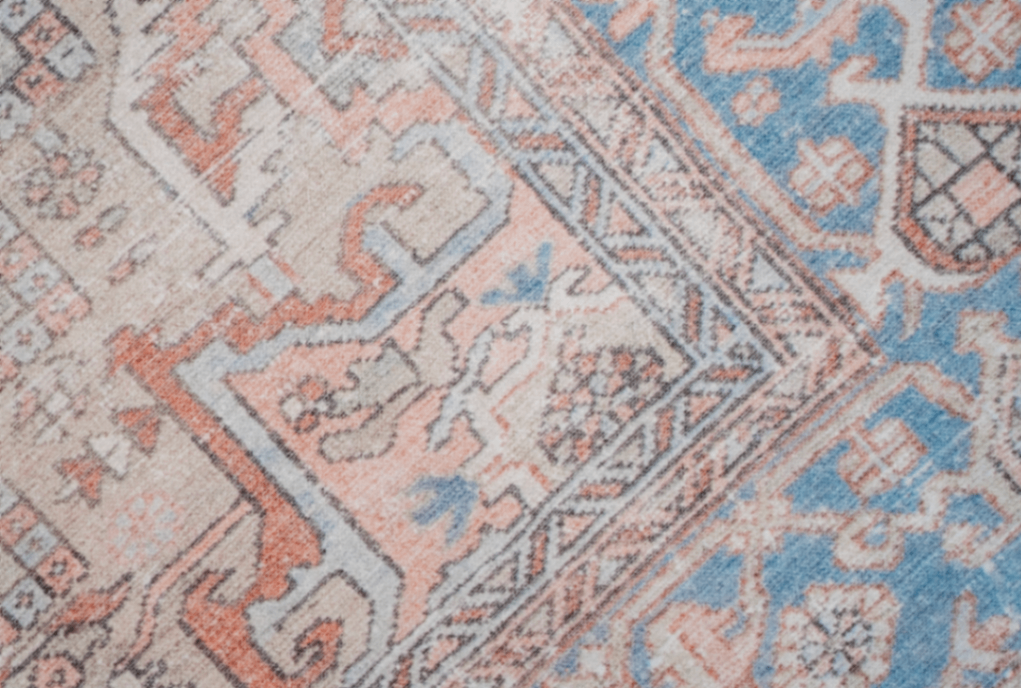
Wall-to-wall carpeting was the height of luxury in the 1980s, and it came in a wide array of colors. While beige was always an option, many homeowners opted for carpeting in plush pastel shades. These soft, colorful floors were a key part of the decade's overall color story, tying the whole room together from the ground up.
Popular colors for carpeting included the decade's signature dusty hues. Imagine stepping onto a soft, plush carpet in a shade of mauve, dusty rose, or cornflower blue. It was a bold choice that made a definitive style statement, turning the floor into a major design element.
While wall-to-wall carpeting is less common today, the idea of using color on the floor is back. You can capture this trend with a large area rug in a soft pastel shade. It will add color, texture, and a cozy, retro feel to your bedroom or living room.
Stenciled Walls and Painted Borders
Before wallpaper became easily accessible, stenciling was a popular DIY way to add pattern to walls. This trend was ubiquitous in the 1980s, with homeowners using stencils to create decorative borders and all-over patterns. It was a way to get a custom, hand-painted look that added folksy charm to any room.
Today, stenciled walls and furniture are enjoying a major resurgence. Instead of the country motifs of the 80s, many are turning to:
- Modern, Scandinavian-inspired motifs for a contemporary look.
- Historic designs for a more traditional feel.
If you're tempted to try this trend, resources are readily available. Contemporary folk artist and chalk paint purveyor Annie Sloan offers tutorials and stencils with modern patterns that make it easy to get started. Creating painted borders or a stenciled accent wall is a fun, hands-on way to bring 80s-inspired creativity into your home.
Where to Find Vintage 1980s Room Decor Today
Now that you're inspired, you might be wondering where to find these retro treasures. Luckily, thanks to the 40-year trend cycle, 80s decor is becoming easier to find. You can hunt for authentic vintage pieces at a local thrift store or browse curated collections on online marketplaces.
From a brick-and-mortar store specializing in retro finds to specialty retailers online, there are plenty of places to score the perfect 80s piece. Here’s a quick guide to help you start your search.
Source Type — What to Look For
- Online Marketplaces: Specific items like Memphis-style lamps, lacquered furniture, or vintage Laura Ashley fabric; great for rare or designer pieces
- Thrift Stores & Flea Markets: Everyday items like ceramic vases, brass objects, rattan furniture, retro wall clocks; best for bargains and unexpected finds
- Antique Shops: Higher-quality furniture, folksy antiques like painted chests, iconic silhouettes like rooster weathervanes; good for well-preserved, investment pieces
- Specialty Retro Retailers: Curated 80s decor, both vintage and reproduction; ideal for finding specific styles without extensive searching
Online Marketplaces for Authentic 80s Inspired Decor
The internet is your best friend when it comes to hunting for authentic 80s decor. Online marketplaces have a vast inventory of vintage items from sellers all over the world, making it possible to find exactly what you're looking for without leaving your home. These sites are perfect for sourcing specific, hard-to-find pieces.
Some of the best online marketplaces for vintage finds include:
- Etsy: Known for its huge selection of vintage home goods, from small accessories to large furniture pieces. It's a great place to find vintage Laura Ashley dresses and fabrics.
- eBay: A classic source for all things vintage. With a little patience, you can uncover some amazing deals on authentic 80s decor.
Many sellers on these platforms are based in the United States, which can make shipping faster and more affordable. Whether you're looking for a lucite coffee table or a set of pastel ceramic vases, online marketplaces are an invaluable resource for your 80s decor hunt.
Thrift Stores and Local Antique Shops
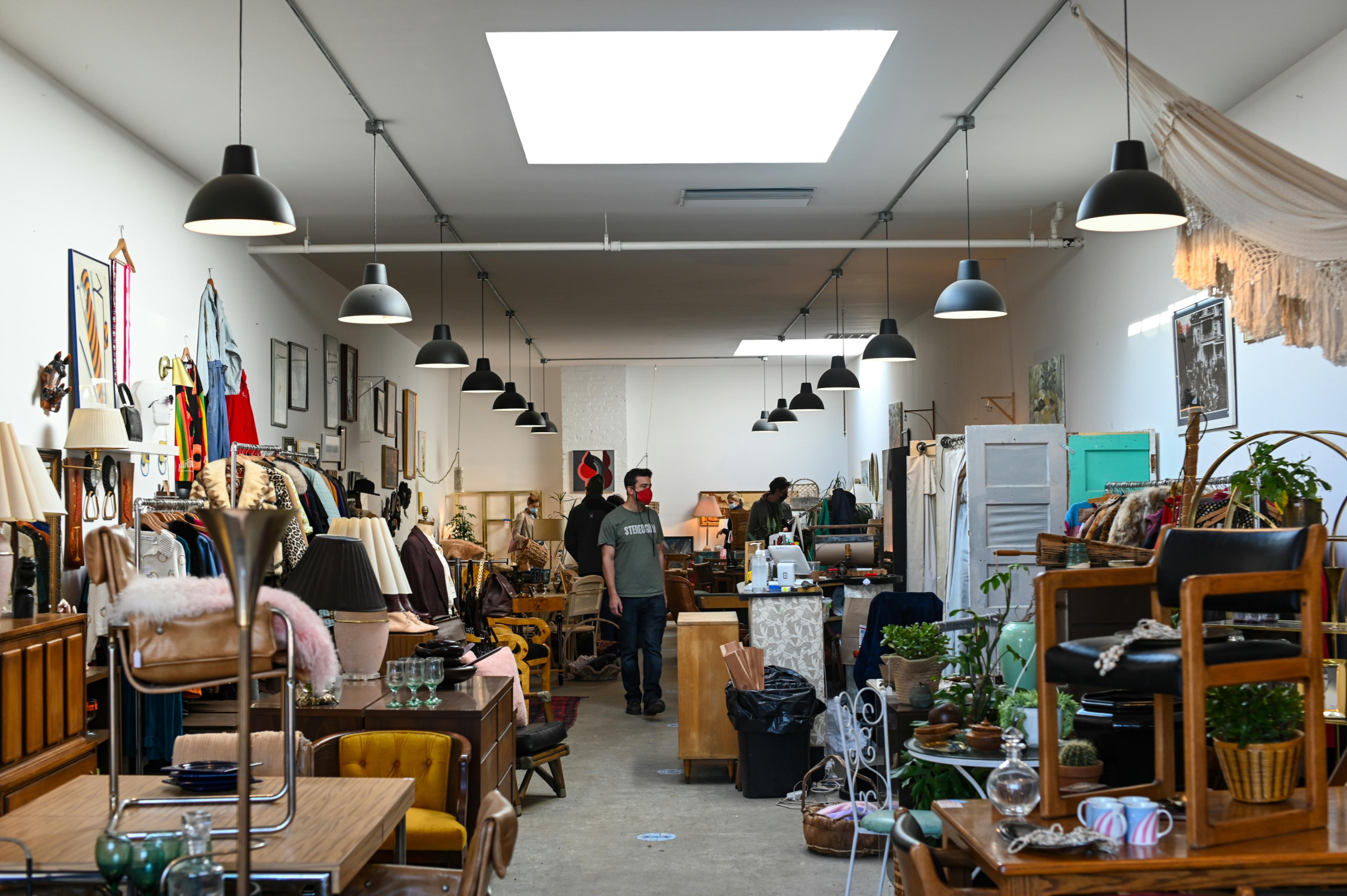
For a more hands-on and adventurous shopping experience, don't overlook your local thrift stores and antique shops. These places can be treasure troves of 80s decor, often at very affordable prices. The thrill of the hunt is part of the fun, as you never know what you might discover.
Thrift stores are excellent for finding everyday items from the decade, like glassware, picture frames, lamps, and small accessories. Since 80s items are just now coming back into style, you can often find them for a bargain. Be sure to visit regularly, as the inventory changes constantly.
Local antique shops are a great source for higher-quality pieces and folksy antiques, such as painted chests or shapely settle benches. The owners are often knowledgeable and can help you identify authentic pieces from the era. Shopping local is a wonderful way to find unique items with a story.
Specialty Retro Decor Retailers
If you prefer a more curated shopping experience, specialty retro decor retailers are the way to go. These stores, both online and brick-and-mortar, do the hunting for you, gathering a collection of the best vintage and retro-inspired items. This can save you a lot of time and effort if you're looking for a specific style.
These specialty retailers often focus on a particular aesthetic, so you can find stores that specialize in everything from Memphis Design to 80s country style. Some brands from the era are even making a comeback themselves. For example:
- Laura Ashley is set to open its first new brick-and-mortar store in years, a huge step for the iconic brand.
- The enduring appeal of this British designer’s first shop shows how a curated style can create a legacy.
Searching for "retro decor" or "80s vintage" online will lead you to a variety of specialty shops that can help you find the perfect pieces to complete your look.
Incorporating 80s Inspired Decor Into a Modern Home
Bringing 80s decor into your home doesn't mean you have to create a time capsule. The key to making these trends work today is moderation and smart styling. By mixing vintage finds with your existing contemporary pieces, you can create a look that feels fresh and personal, not dated.
Whether you're adding a bold piece of statement art, balancing patterns with minimalist elements, or weaving 80s country pieces into a modern farmhouse aesthetic, it's all about creating a harmonious blend of old and new. Here's how to do it successfully.
Mixing Vintage Pieces with Contemporary Styles
The most effective way to incorporate 80s decor is to mix it with contemporary furniture and accessories. Placing a vintage piece in a modern setting highlights its unique character and keeps it from feeling old-fashioned. The contrast between old and new is what makes the look dynamic and interesting.
For example, you could:
- Pair a sleek, lacquered 80s console table with a modern, oversized piece of abstract art.
- Place a sculptural 80s lamp on a clean-lined, contemporary side table.
Designers like Lilse McKenna are masters at this, finding fresh ways to incorporate folk art and vintage pieces into modern interiors. The goal is to create a conversation between the different eras. A single, well-chosen vintage item can add more personality to a room than a house full of brand-new furniture.
Using Statement Art from the 1980s
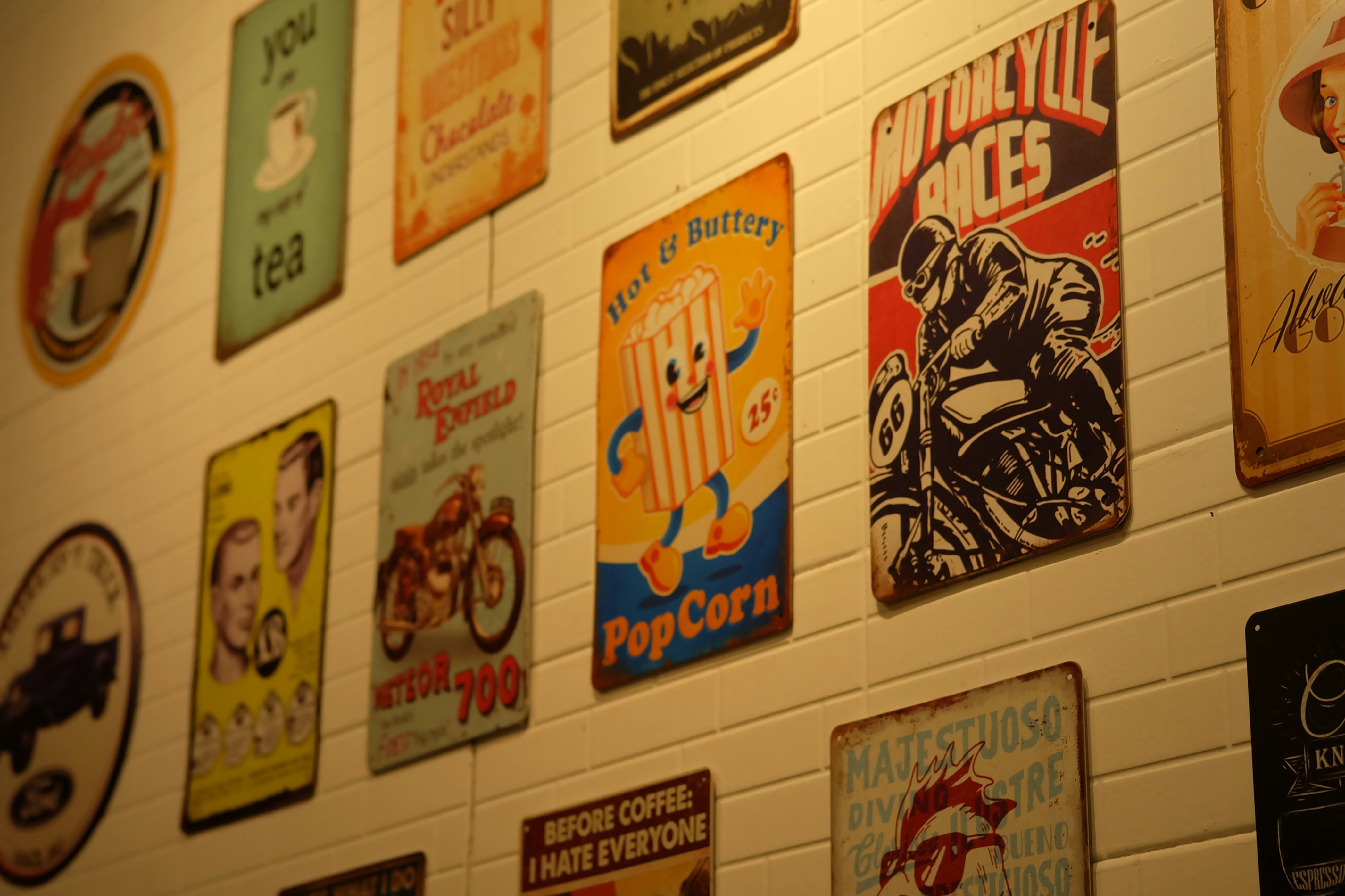
The 1980s were a vibrant decade for art, with movements like Neo-Expressionism and the rise of street art making a major impact. Bringing a piece of statement art from this era into your home is a fantastic way to capture its creative energy. Look for pieces with bold colors, graphic patterns, and an expressive, emotional quality.
This trend has longevity, much like the music of Duran Duran, which still feels cool and relevant today. An oversized abstract painting, a graphic screenprint, or even a framed vintage concert poster can serve as a powerful focal point in a modern room. It's a sophisticated nod to the decade that feels more curated than kitschy.
Think of it as adding a piece of history to your walls. Current AI research can analyze visual trends, but the emotional impact of a great piece of art is something uniquely human. Let an 80s artwork inspire the color palette for the rest of your room.
Balancing Bold 1980s Patterns with Minimalist Elements
If you love the bold patterns of the 80s but are afraid of overwhelming your space, the key is balance. By pairing these energetic prints with simple, minimalist elements, you can create a look that is both exciting and easy to live with. Let the pattern be the star and keep the surrounding elements calm and neutral.
Here are a couple of ways to achieve this balance:
- If you choose a sofa with a busy chintz or geometric pattern, keep the walls, rug, and other furniture pieces in solid, neutral colors.
- Use a bold wallpaper on an accent wall, but furnish the rest of the room with simple, clean-lined pieces.
Designers like Heidi Caillier are known for their ability to revive historic colors and patterns in a way that feels fresh and balanced. By giving bold patterns room to breathe, you allow them to make a statement without taking over completely.
DIY Ideas for Recreating 1980s House Decor
You don't need a big budget to bring 80s style into your home. With a little creativity and some DIY spirit, you can easily recreate some of the decade's most iconic looks. Using paint, upcycling old furniture, and trying your hand at crafting are all great ways to add a personal touch to your decor.
From stenciling and painting to reviving old traditions like folk art, getting hands-on is a fun way to engage with these retro trends. Here are a few DIY ideas to get you started on your 80s-inspired projects.
How to Paint Memphis-Inspired Wall Art
Creating your own Memphis-inspired wall art is a simple and fun DIY project that can make a big impact. The Memphis design style is all about bold colors and graphic shapes, which makes it perfect for a beginner-friendly painting project. All you need is a canvas, some painter's tape, and a few of your favorite paint colors.
To create your masterpiece, follow these simple steps:
- Use painter's tape to block off geometric shapes like triangles, circles, and rectangles on your canvas.
- Paint inside the taped-off sections with contrasting colors. Once the paint is dry, peel off the tape to reveal your crisp, graphic design. Add some freehand squiggles for an authentic touch.
This project allows for endless creativity and is a great way to create custom art that perfectly matches your decor. The possibilities of combining shapes and colors are as varied as modern AI applications. Hang your finished piece in your living room or office for an instant dose of 80s cool.
Upcycling 1980s Furniture for Modern Use
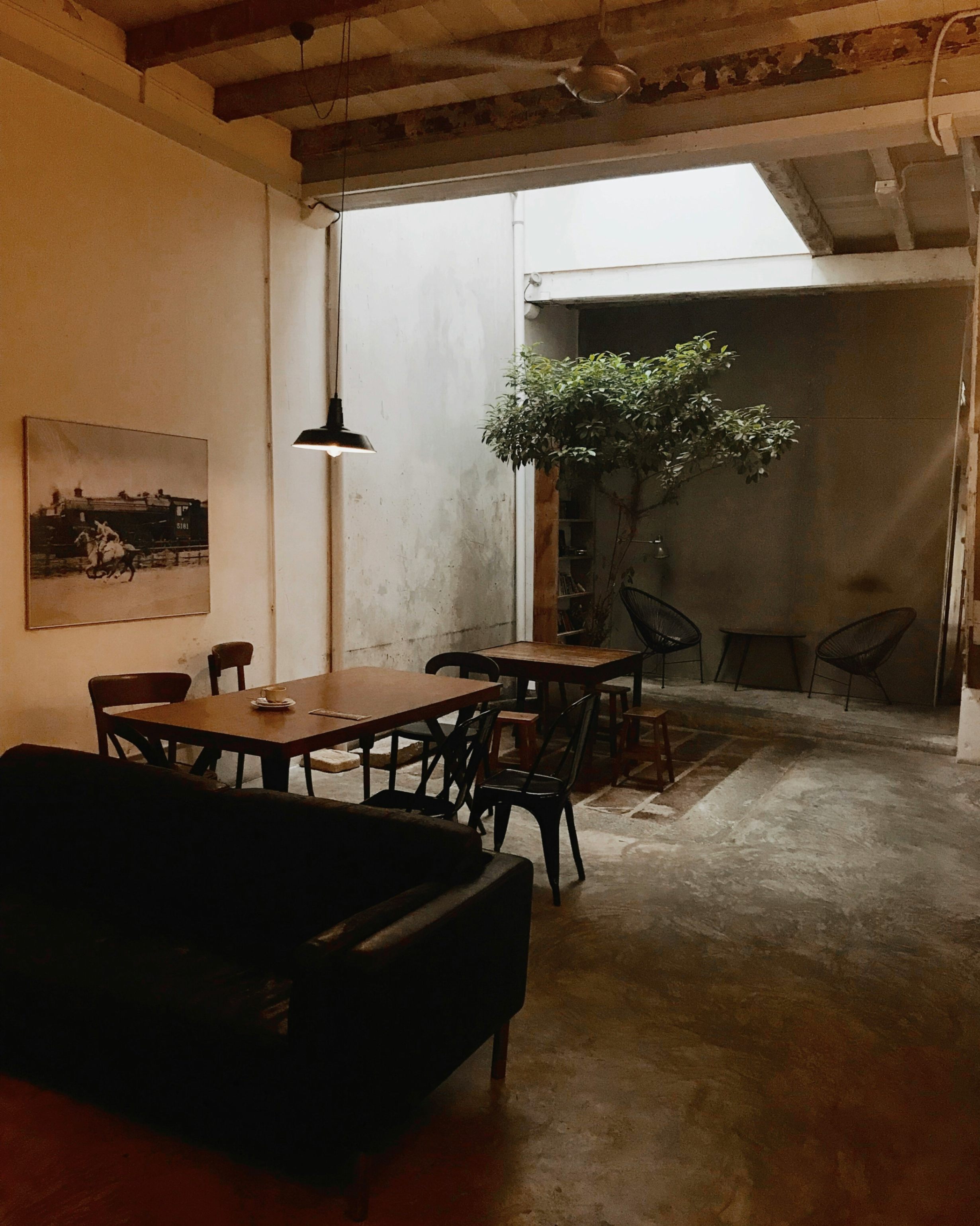
Infusing 1980s furniture with modern flair can bring fresh energy into your home. Pieces from this era, characterized by iconic silhouettes and vibrant colors, can be easily transformed using creative techniques. Chalk paint, for example, can breathe new life into outdated items, providing a contemporary finish while retaining nostalgic charm. Incorporating elements like fabric panels or updated hardware allows you to blend vintage aesthetics with today’s trends. This approach not only champions sustainability but also creates unique statements in each living space, proving that old furniture can be a good thing in your modern home.
Crafting Retro Accessories with 80 Home Decor Flair
Creating retro accessories infused with 1980s home decor flair brings a vibrant touch to any space. Think bold patterns, neon colors, and iconic silhouettes that evoke the era's spirit. Incorporating generative AI tools for design inspiration can enhance your creativity, allowing unique blends of textures and colors reminiscent of that time. Incorporate everyday items, like thrifted glassware or fussy window treatments, as they can transform your living space while offering a nod to the past. Whether layering fabric panels or using chalk paint for furniture, these methods reinvent vintage elements, making them fresh and exciting for modern life.
Conclusion
Embracing the vibrant aesthetics of the 1980s can breathe new life into contemporary spaces, connecting past and present trends. Spanning playful colors, iconic silhouettes, and generous textures, these elements create a lively atmosphere that resonates with nostalgia while ensuring comfort in everyday life. Incorporating these retro styles into modern decor not only honors design heritage but also fosters creative expression through furniture upcycling and unique accessories. Thanks to innovative craftsmanship and the allure of past eras, the future of home decor is set to be a delightful blend of the old and the new.
Frequently Asked Questions
What accessories defined 1980s interior design?
Key accessories that defined 1980s interior design include neon colors, geometric patterns, oversized furniture, and eclectic art pieces. Additionally, decorative items like plush throw pillows, vibrant wall art, and unique lamps contributed to creating bold and dynamic spaces that captured the essence of the decade.
How can I decorate a room to achieve an authentic 1980s look?
To achieve an authentic 1980s look, incorporate bold colors, geometric patterns, and vintage furniture. Mix materials like glass and chrome while adding retro accessories such as neon art or cassette tape holders. Don't forget to include plush textures for that quintessential 80s vibe.
What colors were most popular in 1980s home interiors?
In the 1980s, vibrant colors like teal, mauve, and peach dominated home interiors. Bold patterns were also in vogue, often combined with neutrals to create a lively yet balanced atmosphere. These hues reflect the eclectic style of the decade and are making a nostalgic comeback today.


