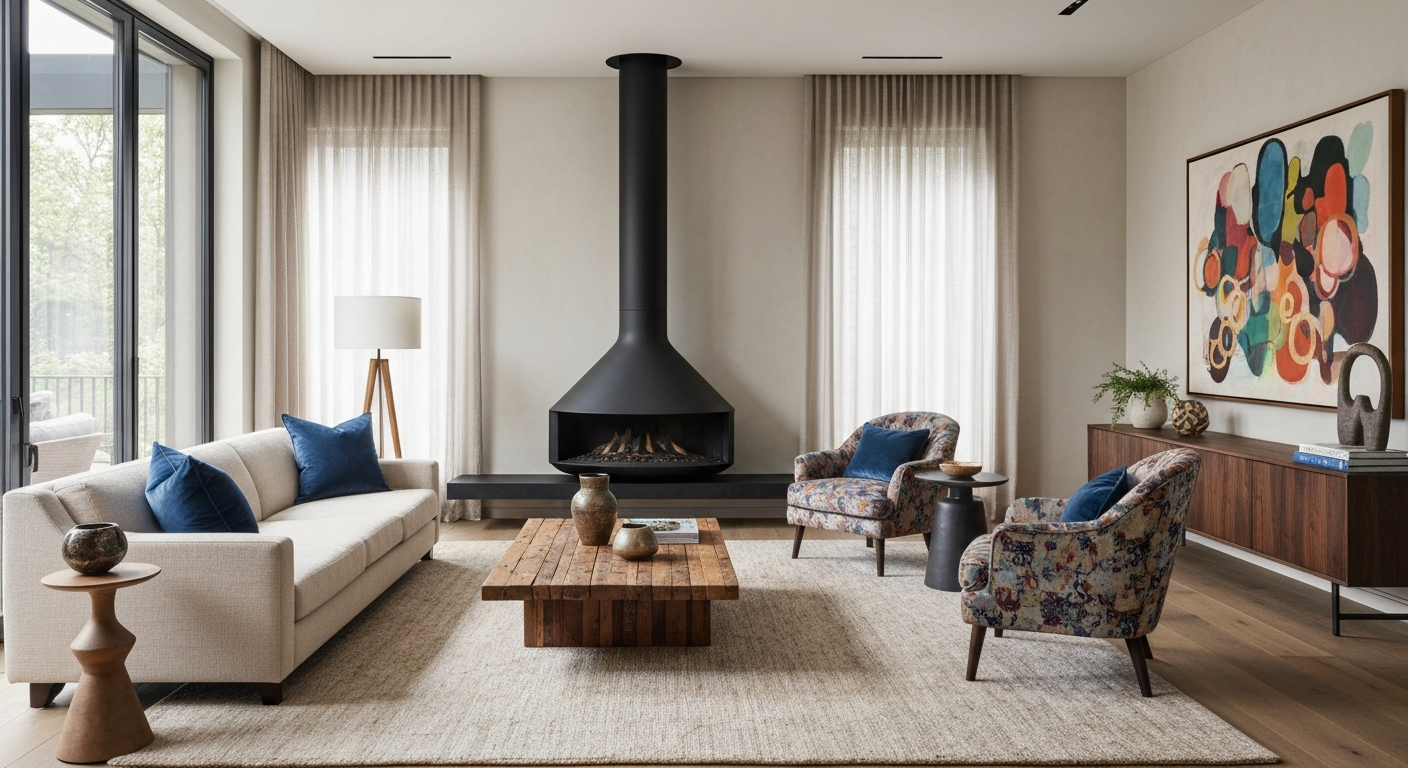
Key Highlights
- Minimalism is evolving, making way for warmer, more personal interior design trends.
- Expect to see rich, earthy color palettes and bold patterns returning to the living room.
- Layered textures, from plush velvet to natural stone, are key to creating visual interest.
- Sustainability is a major focus, with an emphasis on eco-friendly materials and conscious choices.
- Smart home technology is becoming seamlessly integrated into design for enhanced functionality.
- Personalized spaces like cozy nooks and wellness zones are on the rise.
Introduction
Are you ready to refresh your space? The world of home design is constantly changing, and we're seeing a significant shift away from the stark, clean lines that have dominated for years. It's time to say goodbye to cold minimalism and hello to interiors filled with personality, warmth, and character. If you're looking for the latest decor ideas to transform your living room and beyond, you're in the right place. Let’s explore the exciting trends that will define our homes.
Move Over, Minimalism: The Emerging Home Design Trends of 2026
For the past decade, minimalism has been the go-to style, but the interior design landscape for next year is all about breaking free. Designers are embracing a richer, more expressive approach to home decor. The focus is shifting toward creating spaces that feel layered, personal, and full of visual interest.
Get ready for a vibrant palette and a departure from strictly neutral home design trends. The latest color trends are warm and inviting, encouraging you to create a home that truly reflects your personality. It’s about more than just aesthetics; it's about how your space makes you feel.
1. Layered Luxe: Texture-Rich Spaces Take Center Stage
One of the biggest shifts you'll notice is the emphasis on texture. Creating a layered look is essential for adding depth and visual interest to any room. Think about how different materials feel to the touch. Combining various surfaces can transform a simple space into a sensory experience.
From the softness of velvet upholstery to the elegance of flowing drapery, textiles play a huge role. Consider mixing plush fabrics with more structured materials. Wood paneling, for example, can add a timeless architectural element that contrasts beautifully with softer furnishings. The goal is to create a dynamic and inviting atmosphere.
Don’t forget about the surfaces underfoot and on your walls. Interesting flooring options and unique textiles can serve as a foundation for your design. By layering these elements, you can craft a space that feels collected, cozy, and anything but flat. It’s all about creating a rich, tactile environment.
2. Warm Earthy Color Palettes for Home Interiors
Say goodbye to cool grays and hello to warmth! The most popular color palettes are moving toward deep, earthy tones that make a space feel grounded and inviting. These color trends are about creating a cozy, cocooning effect that’s both sophisticated and comfortable. You’ll see a move away from stark whites in favor of a much richer palette.
This year, designers are embracing hues that feel connected to nature. Think about colors that are soothing and a bit nostalgic. These shades are versatile and pair beautifully with both modern and vintage design elements. Get ready to embrace colors like:
- Chocolate Brown
- Rich Burgundy and Merlot
- Moss Green
- Warm Terracotta
A popular technique for applying these colors is color drenching, where walls, trim, and even ceilings are painted in the same shade. This creates a dramatic, immersive experience, wrapping a room in a single, continuous color. From warm beige to deep rust, these hues add personality and depth.
3. Bold Patterns and Prints Make a Comeback

Artistic walls are a fantastic way to incorporate this trend. You can use wallpaper with large-scale florals, geometric prints, or even animal prints to create a stunning focal point. This approach adds immediate visual interest and can set the tone for the entire room. It’s about confidence and creating a space that feels uniquely yours.
This revival of patterns isn't about chaos; it's about curated expression. You can start small with accent pillows or go all-in with a pattern-drenched room where prints cover everything from the walls to the upholstery. The key is to choose prints that you love and that complement your home's overall aesthetic.
4. Statement Furniture Styles: From Sculptural to Vintage Revivals
Furniture is becoming a form of art in 2026. Instead of blending into the background, pieces are designed to be statement-makers with unique silhouettes and sculptural forms. Think of your coffee tables, chairs, and sofas as functional sculptures that add character and a sense of luxury to your space.
There is a renewed appreciation for craftsmanship and history. Many principal designers are incorporating vintage pieces and antiques into modern interiors. This mix of old and new creates a layered, collected look that tells a story. Look for items that stand out, such as:
- Curvy and irregular-shaped furniture
- Pieces with intricate, artisanal details
- Revived styles like Regency and Rococo
From elegant fixtures to one-of-a-kind finds, the focus is on quality and personality. Investing in a few well-made, statement furniture pieces can elevate your entire home. It’s about choosing items that are not just functional but also beautiful and full of character.
5. Nature-Inspired Materials and Finishes
Bringing the outdoors in is more popular than ever, and it goes beyond just adding a few plants. The focus is on using natural materials and finishes throughout the home to create a connection to the environment. These materials add texture, warmth, and an organic feel to any space.
You'll see a rise in the use of natural stone with dramatic veining, especially in kitchens and bathrooms. Heavily veined marble and quartzite are being used for countertops, fireplace surrounds, and even furniture. These materials make a bold statement while remaining timeless. In addition, plaster and limewash are being used on walls to create a soft, tactile surface.
Handmade ceramics, rich wood cabinetry, and detailed millwork also contribute to this trend. The goal is to incorporate materials that have a sense of authenticity and imperfection. These nature-inspired elements bring a calming, grounded energy into the home, making your space feel like a serene retreat.
6. “Smart” Spaces: Integrating Technology with Design

The smart home is getting a stylish upgrade. In the past, technology often felt clunky and separate from design. Now, smart features are being seamlessly integrated into our homes, enhancing functionality without disrupting the aesthetic. The best technology is the kind you barely notice.
From lighting fixtures that adjust to your mood to AI-powered systems that optimize energy use, technology is making our homes more responsive and efficient. Imagine lighting that mimics natural daylight patterns or smart gardens that bring fresh herbs into your kitchen with minimal effort. This integration is a key part of any modern renovation.
A design studio today considers how technology can improve daily life. Smart systems are hidden within beautiful fixtures, and controls are more intuitive than ever. The result is a home that is not only beautiful but also works harder for you, creating a perfect balance of form and function.
7. Eco-Friendly Innovations and Sustainable Choices
Sustainability is no longer a niche interest; it's a driving force in home design. Homeowners are increasingly looking for eco-friendly options that are both beautiful and responsible. This trend is about making conscious choices, from the materials you use in a renovation to the products you buy.
The focus is on "quiet luxury" with a conscience, moving away from fast furniture in favor of one-off pieces with traceable origins. Using natural materials like reclaimed wood, recycled textiles, and low-impact natural stone is key. This approach applies to everything from indoor furniture to outdoor spaces, with an emphasis on durability and timelessness.
Choosing sustainable options means thinking about the entire lifecycle of a product. Energy-efficient appliances and lighting are also a crucial part of creating a greener home. Here are some key areas to focus on:
Sustainable Category — Examples of Eco-Friendly Choices
- Materials: Reclaimed wood, bamboo, recycled cork, recycled plastics
- Furnishings: Vintage or second-hand pieces, furniture from local artisans
- Energy: LED lighting, smart thermostats, energy-efficient appliances
- Finishes: Low-VOC paints, natural fiber rugs, textiles
8. Personalized Retreats: Cozy Nooks & Wellness Zones
Our homes are becoming our sanctuaries, and there’s a growing trend toward creating personalized retreats within them. This is about carving out small spaces dedicated to wellness and relaxation. Think cozy nooks for reading, quiet corners for meditation, or even a spa-like bathroom.
The goal is to design areas that encourage you to slow down and recharge. It doesn't require a huge layout; even a small corner can be transformed into a peaceful escape. The key is to create a sense of intimacy and comfort through thoughtful design choices.
You can create these zones with a few simple additions. Consider using plush rugs, soft drapery, and comfortable seating to define the space. The right accessories can also enhance the mood. Here are a few ideas:
- A comfortable armchair with a soft throw blanket in a quiet corner.
- Layered textiles and pillows to create a cozy reading nook.
- A dedicated area for hobbies or mindfulness practices.
9. Artistic Walls: Murals, Wallpaper, and Unique Applications
Walls are no longer just a backdrop; they're a canvas for creativity. The idea of the accent wall is being elevated with bold, artistic applications that make a powerful statement. From hand-painted murals to luxurious wallpaper, walls are getting the spotlight they deserve.
This trend offers a fantastic source of design inspiration. A mural can transform a room, creating a unique piece of artwork that is part of the architecture itself. Wallpaper is also being used in more creative ways, with options ranging from large-scale botanicals to intricate geometric prints. Even wood paneling is being reinterpreted with modern patterns and finishes.
You can use these techniques to highlight a specific area, like the wall behind a bed or sofa, or go for a full-room application for a truly immersive experience. It’s about being confident in your choices and using your walls to express your personal style.
Redefining Minimalism: How Simplicity Evolves in 2026 Home Design

Minimalism isn’t disappearing entirely; it’s just growing up. The stark, cold version of simplicity is being replaced by a softer, more inviting style often called "warm minimalism." This evolution maintains the clean, uncluttered principles of minimalism but infuses them with texture, warmth, and personality. It’s about creating a space that feels calm without being cold.
According to many a principal interior designer, this new approach provides design inspiration for those who love simplicity but crave comfort. Your living room can still be minimalist in its foundation, but with added layers that make it feel more like home. Explore how this new take on minimalism balances quiet luxury and maximalist touches.
Embracing “Quiet Luxury” Over Stark Simplicity
The evolution of minimalism is leading us toward "quiet luxury." This trend moves away from stark simplicity and focuses on high-quality materials, craftsmanship, and timeless design. It’s a more lived-in approach to luxury, where the focus is on how a space feels rather than how it looks in a photo.
Instead of a bare living room, quiet luxury incorporates subtle yet sophisticated details. Think rich textures, elegant drapery, and thoughtfully chosen accents that add a touch of warmth and elegance. The look is refined and understated, emphasizing quality over quantity. It’s about investing in pieces that are made to last.
This style often includes warm metal fixtures, like aged brass, which adds a soft glow to a room. The overall effect is a space that feels both luxurious and comfortable—a perfect evolution of minimalism for those who appreciate fine details without the fuss.
Mixing Minimalist Foundations with Maximalist Accents
Another way minimalism is evolving is by borrowing from its opposite: maximalism. A principal designer might suggest starting with a clean, minimalist foundation—a neutral color palette and uncluttered layout—and then layering in bold, maximalist accents. This creates a beautiful balance between calm and character.
This approach allows you to experiment with color, pattern, and texture without overwhelming the space. The minimalist base provides a canvas for you to express your personality through carefully selected pieces. It's a great way to create a home that feels both serene and vibrant.
Consider adding a few maximalist touches to your minimalist space. A design studio might recommend incorporating some of these elements:
- A piece of large-scale, colorful artwork.
- A few bold accessories with interesting prints.
- A statement rug or a vintage find with a unique story.
Home Layouts and Living Spaces: What’s Changing in 2026
The strictly open floor plan is being rethought. While we still love the sense of space it provides, there's a growing desire for more defined, intimate areas within our homes. The new approach to layout focuses on flexibility and creating zones for different activities, making a space feel more purposeful and cozy.
Designers in every design studio are exploring ways to add structure back into the living room without building walls. This shift is about creating a better flow and making our homes more adaptable to our changing needs, whether we're entertaining, working, or relaxing. Let's look at how fluid plans and micro-zones are changing the way we live.
Fluid Floor Plans for Flexible Living
The future of home layout is all about fluidity. Instead of a completely open layout, designers are creating flexible floor plans that can adapt to different needs. This might involve using partitions, furniture arrangements, or even different flooring to create distinct zones within a larger space.
This approach offers the best of both worlds: the airy feel of an open plan with the intimacy of separate rooms. It’s a great solution for a modern living room, allowing you to create areas for conversation, dining, and relaxation all within one space. The goal is to improve the flow and make the space feel more organized.
This trend is particularly beneficial for renters, who may not be able to make structural changes. By using screens, rugs, or clever furniture placement, you can create a more functional and dynamic layout. This focus on fluidity helps you design a home that works for your lifestyle, no matter the size.
Micro-Zones: Creating Purposeful Spaces Within Open Layouts
Within these new fluid layouts, the concept of "micro-zones" is emerging. This involves creating small, purposeful areas dedicated to specific activities. It’s a great way to add functionality and intimacy to an open-plan living room without sacrificing the sense of space.
Think of creating a cozy reading corner with a comfortable chair and a lamp, a small work-from-home station, or a designated play area for kids. These micro-zones help organize the layout and ensure that every square foot of your home has a purpose. This approach brings a sense of order to an open space.
Defining these zones can be as simple as using a rug to anchor a seating area or placing a console table behind a sofa to create a visual divide. This is a practical and stylish way to break up a large room and create a more comfortable, lived-in feel.
Conclusion
As we look ahead to 2026, the landscape of home design is set to evolve dramatically, moving beyond minimalism into richer, more textured environments. The emerging trends highlight the importance of personalization, sustainability, and the integration of technology in our living spaces. By embracing bold patterns, earthy color palettes, and eco-friendly materials, you can create a home that reflects your unique style while being mindful of the environment. Remember, the future of home design is about creating spaces that nurture well-being and connection. Stay ahead of the curve by experimenting with these trends and transforming your home into a sanctuary of comfort and creativity. If you're ready to explore these exciting changes further, don’t hesitate to reach out for expert advice on how to bring your vision to life!