Key Highlights
- Strategic home renovations can significantly increase your home's resale value in the real estate market.
- Focusing on key areas like kitchens, bathrooms, and curb appeal often yields the highest return on investment.
- Simple home improvements, such as a fresh coat of paint or updated fixtures, can make a huge impact on buyers.
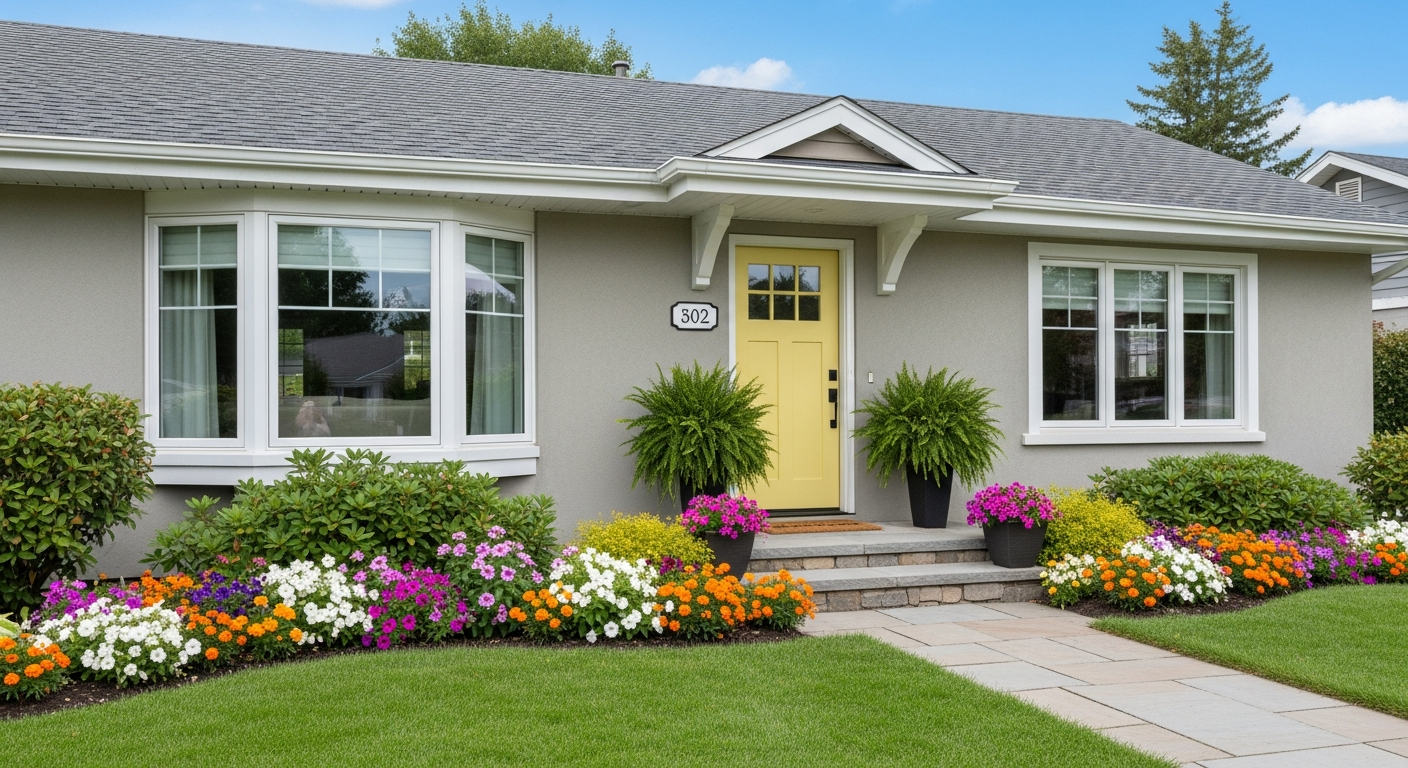
- Upgrades that enhance curb appeal, like a new front door or landscaping, create a strong first impression.
- Major renovations aren't always necessary; small, targeted updates can boost your home's value effectively.
- Repairing structural issues and cosmetic flaws is crucial before listing your home for sale.
Introduction
When you're preparing to sell your home, your goal is to get the best possible price. Making smart home improvement projects can be a powerful strategy to boost your property's resale value. In the competitive real estate market, certain renovations can make your house more attractive to potential buyers and lead to a faster, more profitable sale. This guide will walk you through the essential updates that offer the best return, helping you make informed decisions before you list.
7 Essential Renovations to Boost Your Home’s Sale Price
Deciding which home renovations to tackle before selling can feel overwhelming. The key is to focus on home improvement projects that appeal to the widest range of prospective buyers and offer a solid return on your investment. You don't need to do a complete overhaul; strategic updates can significantly increase your home's value.
From simple cosmetic fixes to more involved updates, the most valuable home renovations often address the areas buyers scrutinize most. Let's explore seven essential projects that will help your property stand out and command a higher sale price.
1. Refresh Interior Paint and Walls
One of the easiest and most cost-effective ways to transform your home’s appearance is with a fresh coat of paint. Painting your interior walls creates a clean, updated look that makes strong first impressions. Opt for neutral colors like beige, gray, or off-white, as they help buyers envision their own belongings in the space.
A neutral palette provides a blank canvas, making rooms feel larger and brighter. This is an easy home improvement that can help your house sell faster because it appeals to a broad audience and signals that the home is well-maintained. A freshly painted living room, for example, can instantly feel more inviting.
Consider these quick painting tips:
- Patch any holes or cracks in the walls before you begin.
- Choose a quality paint for a smooth, professional-looking finish.
- Don't forget to paint trim, ceilings, and doors for a complete refresh.
2. Update Kitchen Fixtures and Appliances
The kitchen is often called the heart of the home, and for good reason—it’s a major selling point for buyers. A full kitchen remodel can be expensive, but a minor kitchen remodel offers an excellent return on investment. You don't need to tear everything out to make a significant impact.
Start by replacing old appliances with modern, energy-efficient models. Stainless steel appliances are consistently popular and give the kitchen a sleek, cohesive look. Small details also matter, so consider updating cabinet hardware. Simply swapping out dated drawer pulls and knobs can modernize the entire space.
Here are a few simple kitchen updates:
- Install a new, stylish faucet.
- Replace outdated countertops with a more current material.
- Upgrade lighting with modern fixtures.
3. Modernize Bathroom Features
Along with the kitchen, bathrooms are a top priority for home buyers. An outdated bathroom can be a major turn-off, but a complete bathroom remodel isn't always necessary. Focusing on a few key upgrades can give the space a fresh look without breaking the bank. According to a recent value report, bathroom updates offer an impressive return.
Start by replacing old, worn-out fixtures. A new showerhead, faucet, and cabinet hardware can instantly modernize the room. Consider reglazing the tub instead of replacing it for a cost-effective solution that makes it look brand new. A fresh coat of paint and updated lighting can also brighten the space and make it feel larger.
Profitable bathroom upgrades include:
- Replacing the vanity or just its countertop.
- Installing a new, efficient toilet.
- Updating the mirror and light fixtures for a more modern feel.
4. Enhance Curb Appeal with Landscaping
Your home’s curb appeal is the first thing prospective buyers see, making it a critical area for improvement. Excellent landscaping can make a powerful first impression and significantly boost your home's value. An attractive outdoor space suggests that the rest of the property is just as well-maintained.
You don't need to hire an expensive landscape architect to improve your home's curb appeal. Simple tasks like mowing the lawn, trimming shrubs, and pulling weeds can make a huge difference. Adding fresh mulch to garden beds and planting colorful flowers in pots or along walkways is an easy way to add a touch of charm.
To elevate your landscaping, consider these ideas:
- Power wash your driveway, walkways, and siding.
- Plant a few new shrubs or a small tree.
- Add solar-powered path lights for a welcoming glow in the evening.
5. Upgrade Flooring for a Fresh Look
Worn, stained, or outdated flooring can make an entire house feel old and neglected. Upgrading your flooring is a fantastic way to give your living space a fresh look and appeal to a wide range of buyers. While it can be a significant investment, new floors can also deliver a substantial boost to your home's resale value.
Hardwood floors are a classic choice that many buyers love, but high-quality laminate or luxury vinyl plank are also excellent, durable alternatives. If your existing hardwood floors are in decent shape, consider having them refinished instead of replaced. For carpeted areas, a professional deep cleaning can sometimes be enough, but replacing old, worn carpet is often worth the cost.
Key flooring considerations include:
- Choosing neutral colors and styles that appeal to many people.
- Ensuring consistent flooring throughout open-concept areas.
- Prioritizing high-traffic zones like the entryway and living room.
6. Improve Lighting and Electrical Systems
Good lighting can completely change the feel of a room, making it appear brighter, larger, and more inviting. Replacing dated light fixtures is a simple and relatively inexpensive update that can have an impressive ROI. Focus on creating a layered lighting scheme with ambient, task, and accent lighting.
Beyond aesthetics, improvements that boost energy efficiency are highly attractive to buyers. Installing a smart thermostat allows homeowners to save on utility bills, a practical benefit that adds value. Upgrading to LED bulbs is another small change that lowers energy consumption and improves the quality of light in your home. These updates enhance daily life for the new owners.
Consider these electrical upgrades:
- Swapping out old, discolored switches and outlets.
- Installing dimmer switches in the living room and dining room.
- Adding under-cabinet lighting in the kitchen.
7. Repair or Replace Windows and Doors
Your home's doors and windows play a huge role in both curb appeal and energy efficiency. A new front door, particularly a steel entry door, can dramatically improve your home's appearance and offers one of the highest returns on investment. If a full replacement isn't in the budget, a fresh coat of paint on your existing entry door can make a big difference.
Don't overlook the garage door, which often dominates the front of a house. A garage door replacement can modernize your home's exterior and has a massive ROI. Similarly, replacing old, drafty windows can increase energy efficiency and appeal to buyers looking for a low-maintenance home. Even minor repairs can be crucial before listing.
Important exterior updates include:
- A new entry door for a strong first impression.
- A garage door replacement for a modern look.
- Exterior painting to refresh the entire facade.
Maximizing Value: Why These Renovations Matter
Investing in the right renovations is about more than just making your house look nice; it's a strategic move to increase your home’s resale value. Each of the upgrades we've discussed is chosen for its high average ROI and appeal to buyers. These improvements help your home stand out in a competitive market.
By focusing on projects that offer a strong return, you can maximize your home value and ensure your efforts translate into a higher final sale price. Now, we'll look at how these updates specifically attract buyers and increase your home's appraisal value.
Attracting Buyers with Move-In Ready Features
In today's fast-paced real estate market, many potential buyers are looking for a move-in ready home. They want a property they can settle into immediately without the hassle and expense of making major repairs or updates. Offering a home that feels fresh and well-maintained can give you a significant advantage over other listings.
First impressions are everything. When buyers walk through a home with fresh paint, modern fixtures, and updated flooring, they can easily imagine themselves living there. These features signal that the home has been cared for and is likely to pass a home inspection with flying colors, reducing buyer anxiety.
A turnkey property simplifies the buying process and broadens your pool of potential buyers. Renovations that contribute to a move-in ready feel are some of the most valuable you can make, as they directly address what modern buyers are seeking.
Increasing Appraisal Value Through Upgrades
Renovations don't just attract buyers; they can also directly increase your home's appraisal value. An appraiser assesses your home’s condition, features, and overall quality to determine its worth. Upgrades like a remodeled kitchen or new windows can provide tangible proof of an increased value of your home.
This higher appraisal value is crucial. It supports your asking price and allows you to build more home equity. When deciding which improvements are necessary, focusing on those with the highest returns is a smart strategy. Many upgrades, especially those that improve curb appeal or energy efficiency, consistently deliver a great ROI.
Here is a look at the potential ROI for several popular projects:
Renovation Project / Average ROI
Garage Door Replacement
268%
Entry Door Replacement
216%
Midrange Kitchen Remodel
113%
Midrange Bathroom Remodel
80%
Choosing Between Renovating and Updating Before Selling
Before you start tearing down walls, it's important to understand the difference between a full home renovation and simple updating. A renovation involves significant changes, like altering a floor plan, while updating focuses on smaller cosmetic improvements. Deciding which path to take depends on your budget, timeline, and your home’s current condition.
Often, simple updating is a good idea as it provides a strong return without a massive upfront investment. You'll need to carefully weigh the cost vs. ROI for each potential project to determine what makes the most sense for your situation.
Assessing Cost vs. Return on Investment
When planning your pre-sale projects, the central question is whether the return on investment justifies the upfront cost. Not all improvements pay for themselves. It’s essential to research which upgrades offer the best bang for your buck in your local market. Talking to real estate professionals can provide valuable insight into what buyers in your area are looking for.
Calculate the potential ROI by comparing the average cost of a project to the expected increase in home value. For example, a minor kitchen remodel might have a high ROI, while an upscale master suite addition may not recoup its cost. Prioritize projects that enhance your home’s appeal without over-improving for the neighborhood.
Ultimately, your goal is to spend strategically. Focus on renovations that are known to have a positive return, ensuring your efforts contribute to a more profitable sale rather than just being an added expense.
Simple Updates That Make a Big Impact
You don't always need to undertake major renovations to see a big return. Many minor improvements can have a significant impact on your home's appeal and value. These small changes are often the easiest way to refresh your home's look and make it more attractive to buyers.
A fresh coat of paint is perhaps the most powerful and affordable update you can make. Swapping out old, dated light fixtures for modern ones can instantly brighten and update any room. Even something as simple as replacing cabinet hardware in the kitchen and bathrooms can give the spaces a quick facelift.
While larger projects like a new roof are sometimes necessary, don't underestimate the collective power of these smaller fixes. They contribute to a well-maintained, move-in-ready feel that can help your house sell faster and for a better price.
Prioritizing Repairs Before Listing Your Home
Before you start thinking about cosmetic upgrades, it's crucial for home sellers to address any necessary repairs. A home inspection will uncover issues like a leaky roof or faulty wiring, and these can derail a sale. Tackling these problems first thing is a non-negotiable part of preparing your home for the market.
The good news is that fixing these issues protects your investment and prevents buyers from walking away or demanding steep discounts. Prioritizing repairs for structural issues and safety concerns over purely aesthetic changes is always the wisest course of action.
Addressing Structural and Safety Concerns
Nothing scares off a potential buyer faster than structural concerns. Issues with the foundation, roof, or electrical systems are major red flags that will almost certainly come up during a home inspection. Addressing these problems is essential for ensuring a smooth sale and protecting the value of your property.
Prioritizing safety is paramount. This includes fixing faulty wiring, repairing plumbing leaks, and ensuring all smoke detectors are functional. While these repairs might not be as exciting as a kitchen remodel, they are far more important. A home that is structurally sound and safe gives buyers peace of mind.
If the cost of these repairs is a concern, options like a home equity loan might be available to finance the work. Investing in the structural integrity of your house is an investment in its marketability and ensures the rest of the home is on solid ground.
Fixing Cosmetic Issues That Could Deter Buyers
While structural problems are the top priority, you shouldn't ignore minor cosmetic issues. Small flaws like scuffed walls, cracked tiles, or a dripping faucet can create a negative impression and suggest the home hasn't been well-maintained. Taking the time to fix these imperfections shows buyers that you care about the property.
A fresh coat of paint is an easy fix for scuffed walls and can brighten the entire home. Pay attention to your home's curb appeal as well. Peeling exterior painting or a broken fence can deter buyers before they even step inside. These small, easy home improvements can collectively have a huge impact.
Walk through your home with a critical eye, as a buyer would, and make a list of all the minor flaws you see. Addressing these cosmetic issues is a simple yet effective way to present your home in the best possible light.
Planning Your Renovations for Maximum Profit
To truly maximize your profit, your home improvement projects need a solid plan. It's not just about what you do, but also how and when you do it. The best ways to increase your market value involve careful timing and smart budgeting, ensuring you get the most out of every dollar you spend.
This planning phase helps you avoid overspending and focuses your efforts on upgrades that will genuinely attract buyers and boost your sale price. With a clear strategy, you can turn your renovation budget into extra cash in your pocket at closing.
Timing Renovations Before Listing
The timing of your renovations is crucial for maximizing their impact. Ideally, you should complete all projects shortly before listing your home. This ensures that everything looks fresh and new for potential home buyers, maximizing your home's appearance when it hits the market.
If you plan to sell within a couple of years, you can start with larger projects that also improve your quality of life, like a kitchen or bathroom update. However, save cosmetic tasks like interior painting for right before the listing goes live. You don't want your hard work to suffer from normal wear and tear before buyers have a chance to see it.
Proper timing also helps you manage your budget and schedule contractors effectively, preventing last-minute rushes. A well-timed project ensures your home is in pristine condition, ready to command its highest possible market value.
Budgeting for Profitable Upgrades
Effective budgeting is the cornerstone of any profitable renovation plan. Start by determining how much you can comfortably invest. You can use savings, a personal loan, or tap into your home equity. The goal is to fund profitable upgrades that will increase your sale price, not to over-capitalize.
Focus your budget on projects with the highest ROI. As we've seen, upgrades like a new front door or minor kitchen updates often provide more value than their cost. Get multiple quotes from contractors to ensure you're getting a fair price for the work.
Always include a contingency fund of 10-20% in your budget for unexpected costs. Careful financial planning ensures that your renovations positively impact your bottom line, helping you maximize your home's value and walk away with more profit from the sale.
Conclusion
In conclusion, making essential renovations before selling your home can significantly impact your sale price and attract potential buyers. By focusing on key updates like refreshing paint, modernizing fixtures, and enhancing curb appeal, you can create a welcoming and move-in-ready environment that resonates with buyers. Remember, the goal is to showcase your home’s value while ensuring attractive returns on your investment. As you plan your renovations, consider the timing and budget carefully to maximize profit. If you’re ready to take the next step in upgrading your home for sale, don’t hesitate to reach out for a free consultation. Let’s work together to make your home stand out in the market!
Frequently Asked Questions
Which renovations add the most value before selling?
Home renovations with the highest ROI typically include those that boost curb appeal, like new entry and garage doors. Minor kitchen and bathroom remodels also add significant resale value. These improvements are highly visible to home buyers and can greatly increase your home's value without a massive investment.
Is it necessary to renovate before putting my house on the market?
While a full home renovation isn't always necessary, making some updates is highly recommended. In a competitive real estate market, first impressions matter. Even small improvements can boost your resale value and help your home sell faster. The goal is to present a well-maintained property to maximize the value of your home.
How do I decide which improvements are worth making before sale?
To decide which home improvements are worthwhile, home sellers should focus on the cost vs. ROI. Prioritize updates that appeal to potential buyers and offer a high return on investment, such as fresh paint and modern fixtures. Consult with a real estate agent to understand what features are in demand in your local market.