Key Highlights
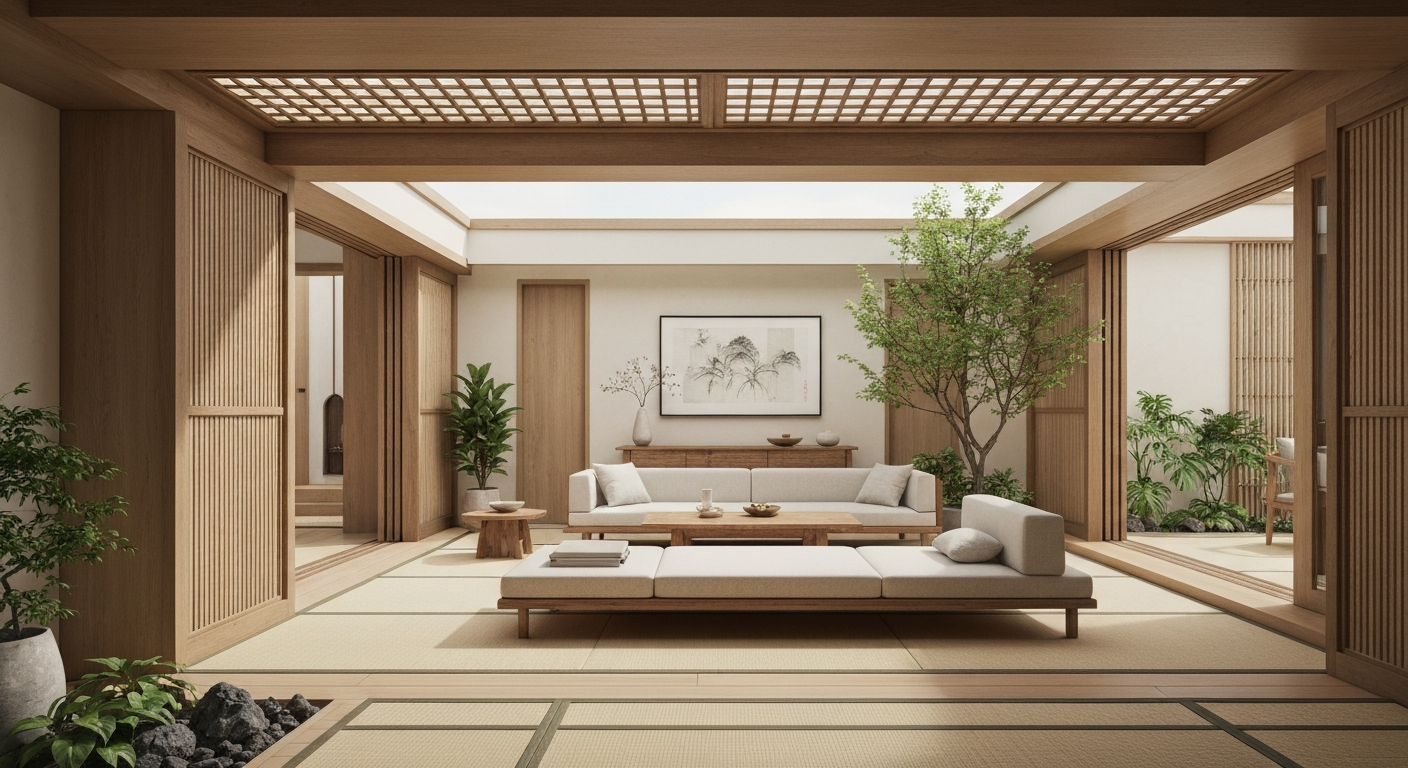
- Asian interior design is deeply influenced by philosophies like feng shui and wabi-sabi, which prioritize harmony and simplicity.
- Creating balanced interiors is a core principle, achieved through symmetry and mindful spatial organization.
- The use of natural materials like wood, stone, and bamboo connects your home to the beauty of nature.
- Color palettes are often inspired by the natural world, featuring earthy tones and soft, neutral colors.
- This interior design style promotes a sense of tranquility and positive energy in your living space.
Introduction
Are you looking to create a tranquil oasis in your own home? Asian design is gaining popularity as a way to craft a living space that feels calm, sophisticated, and deeply relaxing. Whether you're drawn to the minimalist nature of Japanese decor or the peaceful characteristics of Chinese-inspired elements, this interior design style offers a unique blend of beauty and serenity. It's about more than just aesthetics; it's about creating a home that supports a balanced and harmonious life.
The Philosophy Behind Asian Home Design
The beauty of Asian home design goes far beyond its visual appeal. It is deeply rooted in ancient philosophies that aim to create spaces that nurture the soul. Guiding principles like the Japanese philosophy of wabi-sabi and the ancient Chinese practice of feng shui are central to this approach, focusing on creating balance, harmony, and a flow of positive energy.
These concepts teach you to see your home as a sanctuary. Instead of just a collection of rooms, your space becomes an environment for mindfulness, relaxation, and a deeper connection to the natural world. Let's explore some of these key philosophies and how they shape such serene interiors.
Wabi-Sabi: Embracing Imperfection and Simplicity
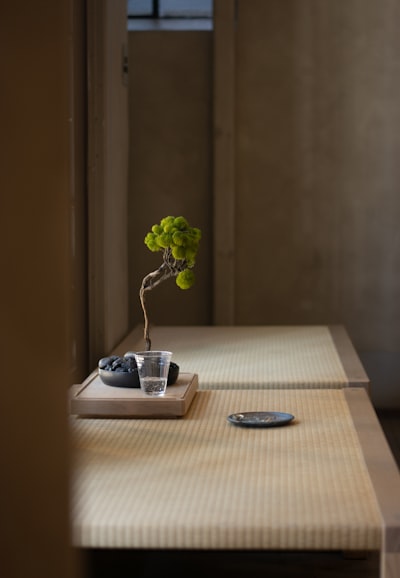
Have you ever found beauty in something that isn't perfectly polished? That's the essence of wabi-sabi, a Japanese worldview centered on accepting transience and imperfection. In interior design, wabi-sabi encourages you to appreciate the authenticity of natural materials and the beauty that comes with age and use. It’s about finding charm in the cracks, knots, and unique textures of wood or stone.
This philosophy moves away from the idea that everything must be flawless. Instead, it celebrates the story behind each object, valuing the natural imperfections that make each piece unique. By incorporating items that show signs of life, you can create a space that feels genuine, modest, and deeply connected to the beauty of nature.
Wabi-sabi is not about deprivation but about mindful simplicity. It encourages you to surround yourself with objects that are meaningful and bring you joy, creating a home that is uncluttered yet full of character and warmth.
Feng Shui: Creating Flow and Harmony
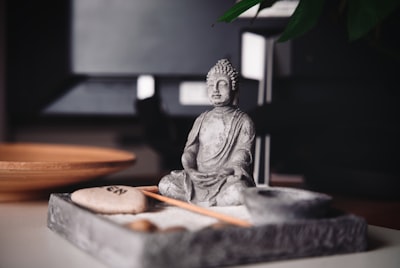
Feng shui is an ancient Chinese practice focused on arranging your environment to promote a healthy flow of energy, or "chi." The goal is to create a space that supports your well-being by fostering balance and harmony. The principles of feng shui guide how you can organize furniture, use color, and incorporate specific elements to attract positive energy into your home.
Think of your home as a living entity. According to feng shui, the placement of your furniture can either block or encourage the flow of energy. For example, arranging seats in a way that promotes conversation or ensuring your bed is in a commanding position can have a significant impact on your daily life. It’s about being intentional with your design choices to improve comfort and functionality.
By applying these ideas, you can transform your home into a place that not only looks good but also feels good. Using soft colors, curved furniture, and natural materials are all key elements in feng shui design that help create a soothing and supportive atmosphere.
The Influence of Zen Principles in Interiors
Zen, a school of Buddhism that emphasizes meditation and mindfulness, has a profound influence on Asian interiors. The core idea is to create a space that fosters inner peace and tranquility. In design, this translates to a minimalist approach, where simplicity and order help calm the mind and reduce the clutter of daily life.
Zen-inspired interiors are characterized by their clean lines, uncluttered surfaces, and a focus on the essentials. It's about stripping away anything unnecessary to create a serene environment where you can relax and find clarity. This doesn't mean your home has to be cold or empty; rather, it’s about choosing each item with intention so that your space feels open and breathable.
This philosophy has become incredibly popular in modern home design because it offers an escape from our fast-paced world. By embracing simplicity, you can design a sanctuary that promotes mindfulness and helps you connect with a sense of calm every day.
Core Elements of Asian-Inspired Interiors
Beyond the guiding philosophies, Asian design is defined by several core elements that work together to create its signature look and feel. These elements are the practical tools you can use to bring the principles of harmony and tranquility into your own home. The focus is on achieving a sense of equilibrium through careful planning and thoughtful choices.
From achieving balance through symmetry to fostering a connection with nature and mastering spatial organization, each aspect plays a crucial role. These components are what transform a room from a simple living area into a peaceful retreat. Next, we’ll look at these key features in more detail.
Achieving Balance and Symmetry
Balance is fundamental in Asian interiors because it creates a visual sense of calm and order. A balanced room feels stable and harmonious, which helps promote a sense of tranquility and invites positive energy. This doesn't always mean perfect, mirror-image symmetry, but rather a feeling of equilibrium where every element has its place and purpose.
Arranging your decor and furniture to create this balance is a key practice. You can achieve this through symmetrical layouts, which are naturally pleasing to the eye, or through asymmetrical balance, where different objects are used to create a similar visual weight on either side of a room. The goal is to create a composition that feels settled and peaceful.
Here are a few ways to create balanced interiors:
- Place matching lamps or side tables on either side of a sofa or bed.
- Arrange artwork in a symmetrical grid on a feature wall.
- Use a pair of chairs to flank a fireplace or a large window.
Connection to Nature Through Design
One of the most appealing aspects of Asian-inspired design is its deep connection to the natural world. Bringing natural elements indoors is a way to create a soothing sanctuary that helps you feel grounded and at peace. This is a major reason why more homeowners are drawn to this style—it offers a respite from the concrete and chaos of modern life.
The use of natural materials is central to this connection. Think of polished river stones, bamboo blinds, and furniture made from warm woods. These materials not only add texture and visual interest but also bring the beauty of nature directly into your living space. The focus is on materials that are as close to their original state as possible.
Potted plants, shrubs, and even small water features are also incorporated to enhance this connection. Adding greenery not only purifies the air but also transforms an ordinary room into a stylish and cozy space that celebrates the calming presence of the outdoors.
Importance of Spatial Organization
How you organize your space is just as important as what you put in it. In Asian design, particularly in feng shui interior design, spatial organization is about creating a clear and uncluttered environment where energy can flow freely. A minimalist approach is key; this means prioritizing items that are truly valuable and letting go of the rest.
The main entrance of your home, for example, is considered the "mouth of chi," where energy enters. Keeping this area open and welcoming is crucial. This principle extends throughout the house, encouraging you to avoid blocking pathways and to arrange furniture in a way that feels open and accessible. This thoughtful organization promotes a sense of calm and order.
Here’s how feng shui can guide organization in different areas:
- Main Entrance: Keep it bright, clean, and free of clutter to welcome positive energy.
- Living Room: Arrange seating to encourage conversation and interaction.
- Bedroom: Position the bed so you can see the door but aren’t directly in line with it.
- Kitchen: Maintain a clean and organized space to promote health and nourishment.
Color Palettes and Materials Common in Asian Design
The visual and tactile experience of a room is shaped by its colors and materials. In Asian design, the color palette and choice of materials are carefully selected to create a serene and harmonious atmosphere. The inspiration often comes directly from nature, resulting in spaces that feel grounded and peaceful. You'll find a blend of soft neutrals and rich, earthy tones.
This approach combines a foundation of calming colors with the warmth and texture of natural materials like wood, stone, and textiles. Together, these elements create an environment that is both visually restful and inviting to the touch. Let's explore some of the common palettes and materials that define this style.
Natural Hues and Earthy Tones
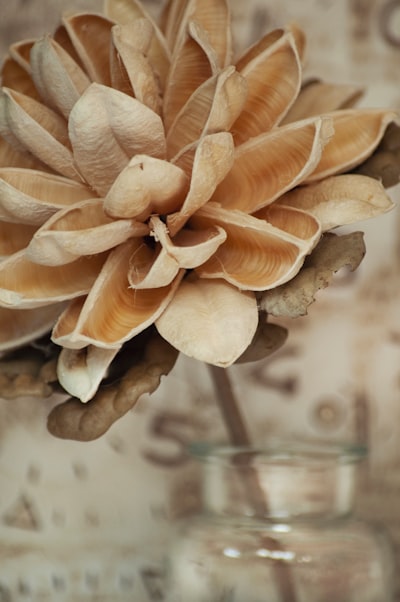
The color palette in Asian-inspired interiors is often drawn from the natural world. Soothing neutral colors like white, cream, beige, and gray form the foundation, creating a sense of calm and spaciousness. These shades are anything but boring; they provide a clean canvas that allows other elements in the room to stand out.
To complement this neutral base, earthy tones are used to add warmth and depth. Think of the soft browns of wood, the cool grays of stone, and the gentle greens of plants. These colors evoke a feeling of being connected to nature and help create a relaxing atmosphere. Muted shades of blue are also popular, reminiscent of water and sky.
While the overall palette is soft, vibrant accent colors are sometimes used to add energy and cultural significance. A splash of auspicious red, imperial yellow, or lush purple can create a stunning focal point against a neutral background, bringing a touch of dynamism to the space.
Textural Layers: Woods, Stones, and Textiles
Texture is essential for adding depth and warmth to the minimalist spaces common in Asian design. By layering different materials, you can create a room that feels rich and inviting without being cluttered. Wood is a primary material, often used for flooring, furniture, and decorative screens. Its natural grain and warmth make a space feel welcoming.
Stone is another key element, appearing as flooring, accent walls, or decorative objects like river pebbles in a bowl. It provides a cool, grounding contrast to the warmth of wood. Textiles also play a crucial role in adding softness and comfort. Natural fabrics like cotton, linen, and wool are preferred for their breathability and subtle textures.
Here are some materials commonly used to create textural layers:
- Woods: Bamboo, teak, and rosewood for furniture and flooring.
- Stones: Slate, granite, and polished river rocks for accents and surfaces.
- Textiles: Natural cotton, linen, silk, and wool for curtains, cushions, and rugs.
Using Water and Greenery as Design Accents
Incorporating water and greenery is an easy and effective way to introduce Asian design principles into your home. These natural elements are powerful tools for creating a serene and harmonious environment. A small tabletop fountain or a simple reflecting pool can have a significant impact, as the sound of flowing water is known to be incredibly soothing.
According to Feng Shui, water features help to elevate the energy of a space. Placing one near your main entrance or in your living room can be a beautiful addition that promotes a sense of peace. You don't need a large or complex installation; even a simple bowl of water with floating petals can bring a tranquil vibe.
Greenery is another essential accent. Potted plants and flowers add life, color, and texture to a room while also improving air quality. For an authentic touch, consider a bonsai tree, which is a living work of art that embodies patience and harmony. These natural elements are simple additions that blend seamlessly with contemporary decor.
Signature Asian Furniture and Decor
The furniture and decor in Asian-inspired homes are chosen for their simplicity, functionality, and connection to cultural traditions. Traditional Asian furniture is often characterized by its clean lines, minimalist forms, and use of natural materials. These pieces are designed to be both beautiful and practical, contributing to the overall sense of harmony in a room.
From low-profile tables to intricately decorated vintage items, each piece holds a purpose. Decorative objects are not just for show; many carry deep cultural or spiritual significance. Let’s look at some signature furniture styles and decorative accents that define this design approach.
Traditional Asian Furniture Styles
Traditional Asian furniture is known for its elegant simplicity and craftsmanship. Pieces often feature clean lines and a low-to-the-ground profile, which helps create a sense of grounding and connection to the earth. This design philosophy emphasizes uncluttered forms, allowing the natural beauty of the materials, like dark-toned wood or bamboo, to shine through.
In Japanese homes, for example, furniture is often meant to be used at or near floor level. Elements like low tables for tea ceremonies and floor cushions or tatami mats for seating are common. These soft straw mats are not just flooring but a fundamental part of the room's design, often dictating its dimensions.
Common features of traditional Asian furniture include:
- A focus on natural materials like bamboo and dark-stained woods.
- Low-profile designs, such as low tables and floor seating.
- Simple, uncluttered forms with clean lines and minimal ornamentation.
Decorative Objects with Cultural Significance
In Asian design, decorative objects are more than just adornments; they often carry deep cultural significance and tell a story. These pieces can connect your home to ancient traditions and the spiritual world. Items like beautifully crafted jade sculptures, painted porcelain vases, and antique ornaments add a layer of sophistication and history to any room.
Chinese-inspired decor, for instance, often features objects with intricate ornamentation. The practice of "Chinoiserie" emulates the elaborate style of traditional Chinese decorative arts. You might see this in detailed wall friezes, ornate furniture, or bright paper lanterns, which are often in lucky red. These objects serve as focal points and conversation starters.
Even small decorative objects can have a big impact. Scented candles with sandalwood, wind chimes that create a gentle sound, and artwork depicting natural landscapes all contribute to the mystical and serene mood of the space. Each item is chosen to enhance the room's atmosphere and harmony.
Modern Interpretations in American Homes
The principles of Asian design are being warmly embraced and adapted in contemporary interiors across America. Homeowners appreciate its minimalist approach and the sense of calm it brings to a busy modern lifestyle. The philosophy of simplicity and order, popularized by figures like Marie Kondo, resonates with a growing desire to declutter our homes and our lives.
You don't have to create a traditionally styled room to enjoy the benefits of Asian design. Instead, you can incorporate key elements into your existing decor. A single piece of low-profile furniture, a collection of ceramic vases, or a statement rattan pendant light can add a touch of Zen without requiring a complete overhaul.
This fusion of styles allows for a great deal of personalization. The clean lines and natural materials of Asian design blend beautifully with modern aesthetics, creating a space that feels both current and timeless. It's this adaptability that makes it a great option for homeowners with diverse tastes.
Integrating Asian Design with Contemporary Interiors
Wondering how to bring the calm of Asian design into your modern home? Blending styles is easier than you might think. You don't need to transform your entire house; instead, you can take a holistic approach by thoughtfully incorporating a few key elements that resonate with you. The key is to create a fusion that feels natural and balanced.
This process is about more than just adding a few decorative items. It’s about adopting the underlying principles of simplicity, nature, and harmony to enhance your contemporary interiors. Below are some ideas for blending these two aesthetics seamlessly.
Blending East Asian Elements with Modern Minimalism
Modern minimalism and East Asian design are natural partners. Both styles share a love for clean lines, uncluttered spaces, and a "less is more" philosophy. This common ground makes it easy to blend the two for a look that is serene, sophisticated, and perfectly suited for contemporary living.
Start by embracing a neutral palette of whites, grays, and beiges, which is a hallmark of both aesthetics. Then, introduce East Asian elements through materials and textures. Think about adding a wooden slat room divider, a simple bamboo plant, or furniture with sleek, unadorned lines. These additions will bring warmth and character to a minimalist space without disrupting its clean feel.
The goal is to create a harmonious dialogue between the two styles. A modern sofa can be paired with a low Asian-style coffee table, or a minimalist kitchen can be enhanced with simple ceramic dishes. By focusing on shared principles, you can create a unique space that feels both modern and timeless.
Easy Ideas to Introduce Asian Style at Home
You can easily introduce Asian style into your home with a few simple and impactful changes. These small additions can help you create a more serene atmosphere in your living space without requiring a complete redecoration. The key is to choose home decor items that reflect the principles of nature, simplicity, and balance.
One of the easiest changes is with your window treatments. Swapping out conventional curtains for bamboo blinds is a quick way to add natural texture and an eco-friendly touch. Another simple idea is to incorporate scented candles or sandalwood incense to engage the senses and create a calming ambiance.
Here are a few more easy ideas:
- Add a small water feature, like a tabletop fountain, to your living room for soothing sounds.
- Place a potted plant, such as a bonsai tree or orchid, on a coffee table or shelf.
- Introduce Asian-inspired textiles, like silk cushions or a rug with a simple pattern.
Conclusion
In conclusion, Asian home design principles offer a unique approach to creating balanced and harmonious interiors. By embracing concepts like Wabi-Sabi and Feng Shui, you can enhance the energy flow in your space while incorporating natural elements and earthy tones. The integration of traditional Asian furniture and modern interpretations allows for a personalized expression of culture and style in your home. As you explore these design philosophies, consider how they can be adapted to fit your own aesthetic and lifestyle. If you're ready to transform your living space, reach out for a free consultation to discuss how to bring these beautiful Asian influences into your home.