
Key Highlights
- Finding the right real estate agent is crucial for both home buyers and home sellers navigating the local market.
- Researching an agent's experience, track record, and real estate marketing strategy helps ensure a smooth transaction.
- It is important to understand the difference between a listing agent who represents sellers and a buyer's agent who helps buyers.
- Interviewing three to five agents is a recommended step before signing an exclusive contract.
- Checking an agent’s license, reviews, and recent sales provides insight into their professionalism and success rate.
Introduction
Are you thinking about entering the real estate market? Whether you are one of the many home buyers looking for a dream property or a home seller ready to make a move, the journey can feel complex. A skilled real estate professional can be your expert guide through the local market. Choosing the right partner is the key to a successful and stress-free experience, making it essential to know how to research and find the best agent for your specific needs.
Understanding the Role of Real Estate Agents in the U.S.
A real estate agent is a licensed professional who helps people buy, sell, or rent properties. They bring significant market knowledge and experience to the table, making them invaluable assets in the real estate industry. Their understanding of the local market can help you make informed decisions.
While the terms are often used interchangeably, a Realtor is a licensed real estate agent who is also a member of the National Association of Realtors. This membership requires them to abide by a strict code of ethics, giving you an extra layer of confidence.
What Do Real Estate Agents Actually Do?
A real estate agent handles a wide variety of routine tasks to guide you through real estate transactions. For sellers, they become your strongest ally, helping you prepare your property for sale. This can include suggesting necessary repairs, advising on decluttering, and staging the space to appeal to potential buyers in the local market.
One of their most critical functions is developing a pricing strategy. Your agent will perform a comparative market analysis (CMA) to determine the right price for your home. They also spearhead marketing efforts, which include arranging professional photography and leveraging their network to get your property seen by the right people.
From listing the home on a Multiple Listing Service (MLS) to coordinating showings and open houses, your real estate agent manages the entire process. They are your guide and advocate, ensuring all the complex steps are handled correctly and efficiently from start to finish.
The Difference Between Listing Agents and Buyer’s Agents
In the world of real estate, agents typically specialize in representing either home sellers or home buyers. A listing agent, or seller's agent, is a marketing expert dedicated to helping you sell your home. Their main goal is to price your home competitively, showcase it effectively, and negotiate on your behalf to get the best possible sale price.
On the other hand, buyer's agents act as personal champions for those looking to purchase a home. They help you find your dream home, guide you in making competitive offers, and negotiate with sellers to secure the best price and terms. Their focus is solely on the needs of home buyers.
In some cases, one agent might represent both parties in a transaction, a situation known as dual agency. However, many professionals believe it's best for each party to have their own dedicated agent to ensure their interests are fully represented without conflict.
How Real Estate Agents Help Sellers and Buyers
For home sellers, a real estate agent provides a comprehensive market analysis to set a competitive asking price. They manage marketing, from professional photos to hosting open houses, to attract qualified buyers. Their negotiation skills are essential in getting you the best deal and navigating the complexities of closing the sale.
For home buyers, an agent is a crucial partner in navigating a competitive market. They help you get pre-approved for a mortgage, which strengthens your negotiating position. They also take the time to understand your needs, search for properties that fit your criteria, and warn you about potential drawbacks in certain areas.
Ultimately, a good real estate agent saves you time, reduces stress, and provides expert guidance. Whether explaining ongoing costs like property taxes or handling all the necessary documents, they ensure the process is smooth and that your interests are protected every step of the way.
Why Researching Real Estate Agents Matters for Home Sellers and Buyers
Choosing a real estate agent isn't a decision to take lightly. For both home buyers and home sellers, this professional will be your guide through one of the biggest financial decisions of your life. The real estate market can be challenging, and the right agent makes all the difference in your experience and outcome.
Performing your due diligence ensures you find someone with the right experience, skills, and personality for your needs. Taking the time to research your options can protect your interests and help you achieve your goals. This initial investment of time will pay off as you navigate the transaction.
The Impact of Agent Experience on Your Transaction
An agent's years of experience can significantly influence the success of your real estate transactions. Seasoned agents have navigated various market conditions, from buyer's markets to seller's markets, and they understand how to adjust strategies accordingly. Their extensive track record often means they have a deep network of contacts and resources.
When comparing real estate agents, looking at their recent sales and reviews is incredibly important. This information gives you a clear picture of their performance and client satisfaction. An agent with a history of successful sales in your area is more likely to price your home accurately and negotiate effectively.
Experience isn't just about the number of years in the business; it's also about relevant experience. Look for an agent who has a strong history of working with clients like you and selling properties similar to yours. This specialized expertise can lead to a smoother, more profitable transaction.
How Choosing the Right Agent Can Affect Your Sale Price
Finding the right real estate agent can directly impact your final sale price. A top-notch agent uses a data-driven pricing strategy based on a thorough comparative market analysis and current market trends. They know how to price your home to attract serious buyers without leaving money on the table.
An agent's marketing strategy is another key factor. The best agents invest in professional photography, virtual tours, and targeted online advertising to showcase your home's best features. You can find out which agent has the best marketing strategy by asking for examples of their previous listings and marketing materials during your interviews.
Ultimately, a skilled negotiator can make a huge difference. The right real estate agent will advocate for your best interests, handle offers strategically, and work to secure the highest possible price for your property. Their expertise in the local real estate market is an invaluable asset in maximizing your return.
Potential Pitfalls of Not Researching Agents Thoroughly
Failing to perform due diligence when selecting a real estate agent for your real estate journey can lead to significant problems. One of the most common mistakes to avoid is hiring an agent without checking their credentials, experience, or reputation. This can result in a frustrating and unsuccessful process.
An inexperienced or ineffective agent might misprice your home, leading to a lack of interest from potential buyers or a lower final sale price. Poor marketing can also mean your property doesn't reach the right audience, causing it to sit on the market for too long.
Here are some potential pitfalls of not researching a real estate agent:
- Poor Communication: You might be left in the dark about showings, feedback, and next steps.
- Weak Negotiation: An unskilled negotiator could cost you thousands at the closing table.
- Incorrect Paperwork: Errors in contracts and documents can lead to legal issues and delays.
What You’ll Need to Start Your Search for the Best Real Estate Agent
Beginning your search for the perfect real estate agent requires a bit of preparation. Before you start interviewing candidates, it's helpful to gather some basic information and identify the right resources. This will make your search more efficient and help you compare agents more effectively.
Having a clear idea of your goals for your home sale, along with key property details, will arm you with the information you need. With the right real estate tools and a solid plan, you can confidently find an agent who is the best fit for you. The following sections will guide you through what you need.
Key Resources: Online Tools, Reviews, and Referrals
The easiest way to start reviewing multiple agents is by using a combination of resources. Online tools and real estate websites like Zillow and Realtor.com are excellent starting points. These platforms allow you to search for agents in your area, view their profiles, and read client reviews.
Personal referrals are also incredibly valuable. Ask friends, family, and neighbors who have recently bought or sold a home about their experience with their real estate agent. A glowing recommendation from someone you trust can point you toward a reliable professional.
Finally, don’t forget to check official sources. State real estate commission websites allow you to verify an agent’s real estate license and check for any disciplinary actions. Combining these resources gives you a well-rounded view of each candidate.
- Online Platforms: Use websites to read reviews and see an agent’s sales history.
- Referrals: Ask for recommendations from your personal network.
- State Licensing Boards: Verify credentials and professional standing.
Essential Documents and Information to Gather
Before you meet with a potential real estate agent, it’s wise to gather some key information about your property. Having these property details on hand will help the agent provide a more accurate market analysis and a tailored plan for your home sale. This preparation shows you're a serious seller.
You can verify an agent's credentials and licensing by visiting your state's real estate licensing board website. These online databases allow you to search for an agent by name and confirm that their real estate license is active and in good standing. This is a critical step before signing any agreements.
To facilitate a productive conversation with agents, try to have the following ready:
- Property Information: Your address, square footage, number of bedrooms and bathrooms, and year built.
- Recent Upgrades: A list of any major improvements or renovations you’ve made.
- Mortgage Details: Your outstanding mortgage balance to help calculate potential net proceeds.
Setting Goals and Priorities for Your Home Sale or Purchase
Defining your goals is a crucial first step in your home sale or home purchase journey. Are you aiming for the highest possible sale price, or is a quick sale your top priority? Understanding what matters most to you will help you find an agent whose approach aligns with your objectives.
When buying, consider your ideal price range, desired location, and must-have features. For sellers, think about your timeline and your bottom-line sale price. Communicating these priorities clearly during interviews will help you gauge whether an agent is the right fit. Asking specific questions about how they can help you meet these goals is essential.
Being upfront about your expectations allows a potential agent to give you a realistic assessment of what's achievable in the current market. This initial conversation sets the foundation for a strong partnership and a successful transaction, guided by a clear understanding of market trends.
Step-by-Step Guide: How to Research Real Estate Agents as a Beginner
For beginners, researching a real estate agent can feel overwhelming. However, by breaking it down into a simple, step-by-step process, you can confidently navigate the real estate market. This guide will walk you through the essential actions for both home buyers and home sellers.
Following these steps will ensure you perform proper due diligence and find a qualified professional who understands your needs. From identifying local experts to asking the right questions, this structured approach will lead you to the perfect real estate agent for your journey.
Step 1: Identify Local Agents in Your Area
Your search for the right real estate agent should begin in your own backyard. Local agents possess deep knowledge of your specific neighborhood, including school districts, community amenities, and recent sales data. This expertise is invaluable when you market homes or search for a new one.
The easiest way to review multiple agents and their records is to start online. Real estate websites allow you to filter agents by location and view their profiles, past sales, and client reviews. You can also get recommendations from friends and neighbors who have recently engaged in the real estate business.
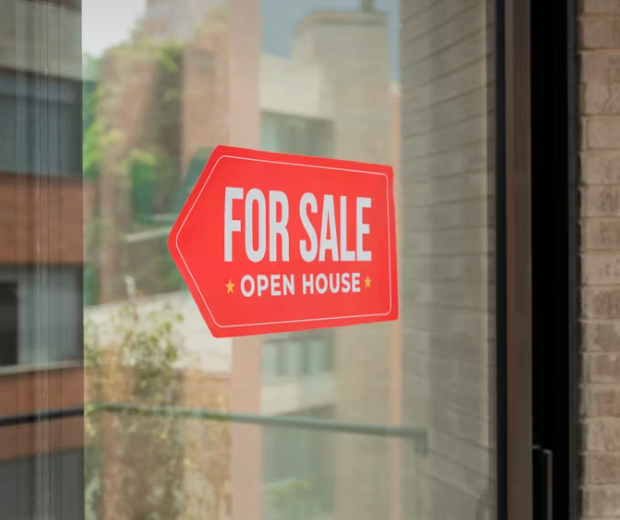
Another great method is to pay attention to "For Sale" signs in your area. Notice which agents or brokerages appear most frequently. This can be a sign of a strong presence and success in your local market.
- Search online real estate portals for agents in your zip code.
- Ask for referrals from your personal and professional networks.
- Look for active agents listing properties in your neighborhood.
Step 2: Check Licenses, Credentials, and Professional Affiliations
Once you have a shortlist of potential agents, the next step is to verify their professional qualifications. It's crucial to confirm that each agent holds a valid real estate license. You can easily do this by visiting your state's official real estate licensing board website, where you can search for the agent's name.
This search will confirm their licensing status and may also show any disciplinary actions against them. This is a non-negotiable step to ensure you are working with a legitimate and ethical professional. An agent with a clean record provides peace of mind.
Additionally, check if the agent is a member of the National Association of Realtors (NAR). Realtors are held to a higher code of ethics than non-member agents. This affiliation demonstrates a commitment to professionalism and ongoing education, which are strong indicators of a dedicated and trustworthy agent.
Step 3: Review Recent Sales History and Client Testimonials
An agent's track record is one of the most reliable indicators of their ability to help you. Reviewing their recent sales history shows you if they have experience with properties like yours and in your price range. This data is often available on their website or on major real estate portals.
Client testimonials and online reviews are incredibly important when comparing agents. They offer firsthand accounts from past home buyers and home sellers about their experiences. Look for comments on the agent's communication skills, negotiation abilities, and overall professionalism. Pay attention to how they respond to both positive and negative feedback.
A strong history of recent sales combined with glowing client testimonials is a powerful sign that an agent is effective and trustworthy. This due diligence helps ensure you partner with someone who has a proven ability to deliver results and provide excellent service.
Step 4: Evaluate Online Presence and Marketing Strategies
In today's digital world, a real estate agent's online presence is a direct reflection of their marketing savvy. Start by looking at their professional website and social media profiles. A polished and active online presence suggests they are serious about their business and skilled at digital marketing.
To find out which agent has the best marketing strategy for your home, carefully examine their current property listings. Are the photos professional? Are the property descriptions compelling and detailed? Do they use virtual tours? These elements are crucial for attracting buyers. Compare how different agents present their listings.
An agent's marketing efforts should extend beyond just the MLS. Here’s what to look for:
- Active Social Media: Do they showcase listings and share market insights on platforms like Facebook and Instagram?
- High-Quality Listings: Look for professional photography and engaging descriptions.
- Modern Tools: Check if they use virtual tours, video, and other modern marketing techniques.
Step 5: Schedule Interviews and Ask the Right Questions
After narrowing down your list, it's time to interview your top candidates. Aim to speak with three to five agents. This meeting is your opportunity to assess their personality, communication style, and expertise to determine the right fit for you. Compatibility is important, as you'll be working closely together.
When preparing for the interviews, compile a list of specific questions to ask each real estate agent. In 2025, you should ask about their experience in your specific neighborhood, their typical list-price-to-sale-price ratio, and their communication plan. Their answers will reveal a lot about their track record and how they operate.
Don't be afraid to ask about their marketing strategy in detail. Inquire how they plan to showcase your property to attract buyers and what makes their approach unique. A confident agent will be happy to explain their process and justify their valuation of your home.
Step 6: Compare Commission Rates, Services, and Contract Terms
Once you've interviewed your top choices, it's time to compare the financial and legal aspects of working with each real estate agent. Commission rates are a major factor, but they shouldn't be the only one. A lower commission might mean fewer services, which could impact your final sale price.
Look closely at the contract terms. Pay attention to the length of the agreement and whether there's a cancellation clause. Most agents use an "exclusive right to sell" agreement, which means they get paid the commission regardless of who finds the buyer. Understand what you're signing before you commit.
Carefully evaluate the services included with the commission. A great agent will offer a comprehensive package. Use a simple table to compare what each agent offers.
- Feature: Commission Rate
What to Look For: The percentage of the sale price. Ask if it is negotiable. - Feature: Contract Length
What to Look For: The duration of the listing agreement. Ensure it's a reasonable timeframe. - Feature: Services Included
What to Look For: Professional photography, virtual tours, open houses, print marketing, etc. - Feature: Exclusivity Clause
What to Look For: Understand the terms of an "exclusive right to sell" agreement.
Updated Tools and Methods for Comparing Real Estate Agents in 2025
In 2025, comparing real estate agents is easier than ever thanks to a host of updated real estate tools. Technology has empowered consumers, providing more data and transparency. These online tools allow you to quickly perform a market analysis and vet potential agents from the comfort of your home.
Leveraging these resources can help you make a more informed decision. From comprehensive comparison platforms to the power of social media, you have a wealth of information at your fingertips. The following sections will explore the best methods for finding your ideal real estate agent.
Best Online Platforms for Agent Comparison
Yes, there are several updated methods and online tools available in 2025 that make agent comparison more efficient. Major real estate platforms like Zillow, Realtor.com, and others have robust agent-finding features. These sites provide a one-stop shop for agent comparison, offering access to sales history, client reviews, and areas of expertise.
These online tools aggregate data from across the real estate industry, allowing you to see an agent's transaction volume, average days on market, and list-to-sale price ratio. This data-driven approach helps you move beyond personality and focus on proven performance metrics, which is crucial for making a smart choice.
When using these platforms, take advantage of their full capabilities.
- Filter and Sort: Use filters to find agents who specialize in your neighborhood and property type.
- Read Reviews: Look for detailed reviews that describe the agent's strengths and weaknesses.
- Compare Stats: Place agent profiles side-by-side to compare their performance data directly.
Leveraging Social Media and Real Estate Apps
Social media platforms have become powerful tools for assessing a real estate agent's reputation and track record. By reviewing an agent's professional pages on Facebook, Instagram, or LinkedIn, you can get a feel for their brand, marketing style, and level of engagement. A strong online presence often indicates a proactive and modern approach to real estate.
Look at how they present their listings and interact with their followers. Do they share valuable market insights or just post about lead generation? Their social media activity provides clues about their professionalism and expertise. Client comments and recommendations on these platforms can also offer candid insights.
Many agents also use real estate apps to connect with clients.
- Facebook: Check their business page for reviews, community engagement, and examples of listings.
- Instagram: Look for high-quality photos and videos of properties, offering a glimpse into their marketing quality.
- LinkedIn: Review their professional background, connections, and any endorsements from colleagues or past clients.
Using Local Data and Market Reports for Smarter Choices
Beyond an agent's personal stats, understanding local data and market reports can empower you to make smarter choices. This information gives you a baseline to measure an agent's proposed strategy against. You can find market reports through local Realtor associations or online real estate news outlets.
These reports provide insights into key market trends, such as average sale prices, inventory levels, and days on market in your area. When you interview an agent, you can ask how their strategy accounts for these trends. An informed agent should be able to speak fluently about this local data.
Recent sales and reviews are extremely important, and comparing them to broader market reports gives you context. If an agent consistently sells homes faster and for a higher price than the local average, it’s a strong sign of their effectiveness. This data-driven approach is key to a successful home sale.
Red Flags and Common Mistakes to Avoid When Choosing an Agent

While finding the right real estate agent is exciting, it's equally important to know what to avoid. Recognizing red flags early in the process can save you from a stressful and unsuccessful experience in the real estate market. Some warning signs are subtle, while others are more obvious.
Doing your due diligence includes watching for these potential issues. By being aware of common mistakes and warning signs, you can steer clear of agents who are not a good fit for your needs. The following sections will highlight what to look out for.
Warning Signs During the Interview Process
When interviewing a real estate agent, your goal is to find the right real estate agent, but you should also be on the lookout for red flags. In 2025, a major warning sign is an agent who can't provide data to back up their claims. If they suggest an unusually high listing price without a solid comparative market analysis, be wary.
Another red flag is poor communication. If an agent is unresponsive, unclear, or dismissive of your questions during the interviewing stage, it's a preview of what you can expect if you hire them. A great agent should be an attentive listener and a clear communicator.
Be cautious of agents who pressure you to sign a contract immediately. A professional will give you time to make your decision.
- Being a Part-Time Agent: While not always a dealbreaker, ensure they have the availability to meet your needs.
- Overpromising: Be skeptical of agents who guarantee a quick sale or a specific price.
- Lack of Local Knowledge: Test their familiarity with your neighborhood's recent sales and trends.
Mistakes First-Time Sellers and Buyers Often Make
One of the most common mistakes first-time home sellers and home buyers make is choosing the first real estate agent they talk to. It’s tempting to go with a friend or the first person who responds, but interviewing multiple agents is crucial for finding the best fit for the current real estate market.
Another frequent error is focusing solely on the commission rate. While cost is important, the cheapest agent isn't always the best. An agent with a higher commission but a superior marketing plan and track record might net you more money in the long run. Don't let a small difference in fees cloud your judgment.
To avoid common mistakes when choosing a listing agent, be sure to sidestep these pitfalls:
- Hiring based on friendship alone: Ensure your friend or relative is also a qualified and experienced professional.
- Choosing the agent who suggests the highest price: This can be a tactic to win your listing, leading to price reductions later.
- Not reading the contract: Always understand the terms, length, and cancellation policies before you sign.
Evaluating an Agent’s Track Record, Marketing, and Reputation
Once you have a few candidates in mind, it's time to dig deeper into their professional history. A real estate agent's past performance is the best predictor of future success. Evaluating their track record, marketing strategy, and reputation will give you a complete picture of their capabilities.
This evaluation is not just about numbers; it’s about finding the right fit for your specific property and goals. The following sections will help you analyze these key areas to ensure you're choosing an agent who can truly deliver.
Why Recent Sales and Reviews Matter in 2025
Recent sales and reviews are incredibly important when comparing real estate agents in 2025. An agent's recent sales demonstrate their current activity level and success in the present market. Look for sales in your neighborhood and price point, as this indicates relevant expertise that can directly benefit your transaction.
Reviews from past clients offer invaluable, real-world insight into what it's like to work with an agent. They can confirm whether an agent is responsive, knowledgeable, and a skilled negotiator. Positive reviews build trust and validate an agent's reputation.
When evaluating a real estate agent, focus on these aspects of their sales and reviews:
- Relevance: Are their recent sales similar to your property in terms of location and home's value?
- Consistency: Do they consistently receive positive feedback across multiple platforms?
- Problem Resolution: How do they respond to any negative reviews? A professional response shows accountability.
Comparing Solo Agents Versus Teams for Your Situation
When choosing representation, you’ll likely encounter both solo agents and real estate teams. The question of whether it's better to work with a solo agent or a team depends entirely on your personal preferences and needs. There are distinct advantages to each model.
A solo agent offers a highly personalized, one-on-one experience. You will be their direct point of contact throughout the entire process, which many clients appreciate. However, a team often provides broader availability and a range of specialized skills, from marketing to transaction coordination. This structure can be beneficial in a fast-paced real estate business.
To find the right fit for your situation, consider the following:
- Solo Agent: Offers a single point of contact and highly personalized service.
- Real Estate Team: Provides access to multiple specialists and greater availability.
- Your Preference: Do you prefer one dedicated guide or a group of experts working on your behalf?
Determining If the Agent’s Marketing Strategy Fits Your Home
An agent's marketing strategy is not one-size-fits-all. The right real estate agent will tailor their approach to your specific property and target audience. For example, a luxury condo requires a different marketing plan than a suburban family home. Ask agents how they would uniquely market your property.
To determine if their strategy is a good fit, request examples of past marketing materials for homes similar to yours. Pay close attention to the quality of their professional photography, the persuasiveness of their property descriptions, and the channels they use for promotion. A great agent will have a multi-faceted plan.
A comprehensive marketing strategy is a cornerstone of a successful home sale. An agent who invests in high-quality marketing demonstrates a commitment to getting you the best possible price. Their ability to showcase your home effectively is a clear indicator of their expertise and dedication.
Verifying Credentials and Ensuring Legal Compliance
Before you finalize your decision and sign a contract, it's essential to complete one final check: verifying credentials. Ensuring your chosen agent has a valid real estate license and is in good standing is a critical step for legal compliance and your own protection.
This process is straightforward and provides peace of mind. Confirming their licensing status and any affiliations with professional organizations like the National Association of Realtors solidifies your choice in a qualified professional. The next sections detail how to do this easily.
Checking Licensing Status and Regulatory History
Verifying a real estate agent's credentials is a simple but crucial step. The easiest way to check their real estate license is by visiting your state's official real estate commission or licensing board website. These government sites have searchable databases that allow you to confirm an agent's licensing status.
When you look up an agent, the database will show whether their license is active, expired, or has any disciplinary actions against it. Reviewing this regulatory history is a vital part of your due diligence, as it ensures you're partnering with a professional who adheres to legal and ethical standards.
Don't skip this step, even if the real estate agent was recommended by a friend. It’s a quick check that protects you from potential legal and financial issues.
- Visit the state's licensing board website.
- Search for the agent by name.
- Review their current licensing status and any disciplinary records.
Confirming Membership in Professional Organizations
Beyond a state license, membership in professional organizations like the National Association of Realtors (NAR) is another strong indicator of an agent's commitment to their profession. Agents who are members of NAR are called Realtors and must adhere to a strict Code of Ethics that goes beyond what state law requires.
These professional affiliations often require members to take specific continuing education classes, which means they are continuously updating their market knowledge and skills. This commitment to ongoing learning can be a significant advantage for their clients. Verifying this is as simple as checking the NAR website or asking the agent directly.
When a real estate agent invests in these memberships, it shows they are serious about their career and dedicated to upholding the highest industry standards. This provides an additional layer of assurance that you are working with a true professional.
Essential Questions to Ask Before Hiring a Real Estate Agent

The interview is your chance to find the right agent for your home sale or home purchase. Asking targeted, insightful questions is the best way to understand an agent's experience, style, and strategy. Being prepared for this conversation will help you compare candidates effectively.
These questions will help you cut through the sales pitch and get to the heart of what each real estate agent offers. A confident professional will welcome your inquiries and provide clear, honest answers. The following sections provide a list of essential questions to guide your real estate transactions.
Questions About Experience and Local Expertise
When you meet with a real estate agent, start by asking about their professional background. Their years of experience are important, but their local market knowledge is even more critical. You want an agent who lives and breathes your neighborhood's real estate market.
Inquire about their track record with properties like yours. An agent who has successfully sold similar homes will already have a good idea of the target buyer and the best way to reach them. Their past performance is a strong indicator of their potential to help you succeed.
Here are some specific questions to ask about experience:
- "How many homes have you sold in this neighborhood in the past year?"
- "What is your average list-price-to-sale-price ratio?"
- "Can you provide a comparative market analysis for my home and explain your reasoning?"
Questions About Communication and Availability
Clear communication is the foundation of a good agent-client relationship. During the interview, it's essential to set expectations about how you'll stay in touch. Ask the real estate agent about their preferred communication methods and their typical response times.
Discuss their availability for showings, calls, and meetings. If they are a solo agent, ask how they manage their schedule to ensure clients receive adequate attention. If they are part of a team, find out who your primary point of contact will be. Some agents use a CRM system to keep clients updated automatically.
To ensure you're on the same page, ask these questions:
- "How will you keep me updated on progress, and how often will I hear from you?"
- "What are your standard business hours, and how do you handle after-hours communication?"
- "Will I be working directly with you or with an assistant or team member?"
Questions About Fees, Contracts, and Marketing Plans
Before signing anything, you must have a clear understanding of the financial and legal commitments. Don't be shy about asking a real estate agent to break down their commission rates and explain exactly what services are included. This conversation ensures there are no surprises later on.
Request a copy of their standard listing agreement to review the contract terms. Pay close attention to the length of the contract and any cancellation policies. A trustworthy agent will walk you through the document and answer any questions you have about the fine print.
Ask for a detailed marketing plan for your specific property.
- "What is your commission rate, and is it negotiable?"
- "What specific marketing activities are included in your fee?"
- "Can you explain the key terms of your listing agreement, including the contract length and exit clauses?"
Conclusion
In conclusion, researching real estate agents is crucial for both buyers and sellers looking to navigate the complex housing market effectively. By understanding their roles, the significance of their experience, and the potential pitfalls of not conducting thorough research, you can make informed decisions that impact your transaction positively. Utilize the guides, resources, and strategies outlined in this blog to help you find the perfect agent for your needs. Your real estate journey deserves the best support, so take the time to ask the right questions and evaluate your options carefully. If you’re ready to start your search for the best real estate agent, get a free consultation with our team today!
Frequently Asked Questions
What’s the easiest way to review multiple real estate agents before listing my home?
The easiest way to review multiple real estate agents is by using online tools and agent comparison websites. These platforms provide access to an agent's sales history, client reviews, and areas of expertise, allowing you to quickly assess their performance in the local real estate market before your home sale.
How can I verify a real estate agent’s credentials in the United States?
You can verify a real estate agent's credentials by visiting your state's official real estate commission website. There, you can search for the agent by name to confirm their real estate license is active. You can also check the National Association of Realtors website to see if they are a Realtor.
What are the most important factors when comparing real estate agents in 2025?
The most important factors are the real estate agent's track record of recent, relevant sales, deep local market knowledge, and positive client testimonials. These elements provide a clear picture of their ability to handle real estate transactions effectively and ensure a high level of client satisfaction.
Is it better to work with a solo agent or a team when selling my house?
The choice between a solo agent and real estate teams depends on your personal preference. A solo agent offers a dedicated, one-on-one relationship, while a team can provide broader availability and specialized skills. The right fit is the one whose structure and style best align with your needs for your home sale.