Key Highlights
Here's a quick look at why your house might not be selling and what you can do about it.
- Overpricing is a common mistake that turns off potential buyers in the real estate market.
- Poor presentation, including bad curb appeal and a lack of staging, can create a negative first impression.
- An ineffective marketing strategy and low-quality listing photos fail to attract the right audience.
- Working with the wrong real estate agent is a significant factor, as top estate agents sell homes faster and for more money.
- Home sellers must price their property at its true market value to get it sold quickly.
- Data-driven platforms like TrueParity can help you find a proven, top-performing agent.
Introduction
Is your house sitting on the market longer than you expected? It’s a frustrating situation for many home sellers. You followed the steps, listed your home, and waited for potential buyers, but the offers just aren't coming in. The real estate market can be complex, and seeing other homes sell while yours remains listed can be discouraging. Don't lose hope. Often, there are specific, fixable reasons why a property isn't selling. Understanding these reasons is the first step toward getting your home sale back on track.
Top Reasons Your House Is Sitting Unsold
Many home sellers find themselves wondering why their property isn't attracting offers. The common reasons often boil down to a few key areas that might have been overlooked. From pricing to presentation, each element plays a crucial role in how buyers perceive your home in the current real estate landscape.
Identifying these issues is the first step toward a solution. Whether it's the asking price, the way the home is presented, or even the prevailing market conditions, making strategic adjustments can reignite buyer interest. Let's explore the most frequent culprits that cause a home to linger on the market.
1. Overpricing Your Property
Pricing your home too high is one of the most significant mistakes you can make. Buyers are savvy and have access to information on similar properties. If your asking price is out of line with the market value, your house will likely be ignored. An effective pricing strategy is based on a realistic assessment of what the market will bear, not just what you hope to get.
An experienced real estate agent will conduct a comparative market analysis (CMA) to determine the right price. This report compares your home to recently sold similar properties in your area, providing a data-backed estimate of its value. If you've set the price yourself, it might be time to get a professional opinion to see if you've been too ambitious.
If you notice that nearby homes with better features are listed for less, it’s a clear sign your price is the problem. A price reduction might seem like a setback, but it's often a necessary step to attract the right buyers and get your home sold.
2. Poor Home Presentation and Staging
First impressions are everything in real estate. If buyers walk into a cluttered, dark, or cramped space, they can have trouble picturing themselves living there. A home that hasn't been staged can feel uninviting and smaller than it actually is, which can quickly deter potential buyers. Simple upgrades and thoughtful presentation make a huge difference.
Staging helps highlight your home's best features and creates a welcoming atmosphere. Even small changes can have a big impact. A fresh coat of new paint, decluttering, and depersonalizing your space allow buyers to see the home's potential. Staged homes typically sell faster and for more money because they are more desirable.
Consider focusing on key areas that matter most to buyers:
- Living Room: This is often the first interior space buyers see, so make it feel open and inviting.
- Primary Bedroom: Stage it to feel like a relaxing retreat.
- Kitchen: A clean, decluttered kitchen is essential.
3. Low-Quality Listing Photos or Description
In today's digital age, your home search truly begins online. The vast majority of buyers start by browsing listings online, and your listing photos are the first thing they see. Poorly lit, blurry, or unprofessional photos can cause buyers to scroll right past your property without a second thought. Professional photography is no longer a luxury; it’s a necessity.
Your listing description is just as important. A dry, fact-only description fails to capture a buyer's imagination. Instead of just listing features, your description should tell a story and sell a lifestyle. What makes your home special? Paint a picture of what it’s like to live there, from morning coffee on the patio to cozy evenings by the fireplace.
To make your listing stand out:
- Invest in professional photography and videography.
- Write a compelling description that highlights unique features and the lifestyle your home offers.
- Ensure your listing is visible on all major real estate websites and social media platforms.
4. Ineffective Marketing Strategy
A "For Sale" sign in the yard and a listing on the local MLS are no longer enough to sell a home. An effective marketing strategy is essential to reach the widest possible pool of buyers. If your home isn't showing up where people are searching, you're missing out on countless opportunities to connect with interested parties. Most buyers find their future home online first, so a strong digital presence is crucial.
Your marketing should be comprehensive, targeting buyers across various platforms. This includes major real estate portals, social media, and even targeted digital ads. The goal is to create excitement and generate as much interest as possible when your home hits the open market.
If your current marketing feels lackluster, it's time to talk to your agent. Ask about their strategy and what they're doing to actively promote your property. A top agent will have a robust marketing plan designed to showcase your home to the right audience and drive traffic to your listing.
5. Not Addressing Needed Repairs or Maintenance
Buyers on the open market generally want a home they can move into without undertaking major projects. Obvious signs of deferred maintenance, like a leaky roof, water damage, or visible mold, can be a major red flag. These issues not only deter buyers but can also cause problems during the home appraisal, potentially derailing a sale.
Even small, unaddressed repairs can add up in a buyer's mind, making them feel the home has not been well-cared-for. This can lead to lowball offers or cause them to walk away entirely. Taking care of necessary maintenance before listing demonstrates pride of ownership and helps protect your home's value.
While you don't need to renovate the entire house, fixing significant issues is a smart investment. If buyers repeatedly comment on the same problem during showings, it's a clear signal that you need to address it. Fixing these problems upfront can lead to a faster sale and a better price.
6. Limited Flexibility for Showings
If potential buyers can't get in to see your house, they can't make an offer. Restricting showings to very specific times or requiring extensive notice can significantly reduce the number of viewings your property receives. Buyers often have busy schedules, and they will simply move on to the next available home if yours is too difficult to see.
Making your home as accessible as possible is key. This means being flexible with scheduling and trying to accommodate last-minute requests. Using a lockbox can make it easier for agents to show your home even when you're not there. The more people who see your home, the higher your chances of receiving an offer.
It’s best to step out during showings to allow buyers the space to explore freely and speak openly with their agent. When sellers are present, buyers may feel watched or uncomfortable, preventing them from truly envisioning the house as their own. Trust your agent to handle the showings and focus on making your home ready for every visit.
7. Unfavorable Market Conditions
Sometimes, the reason a house isn't selling has less to do with the property itself and more to do with the broader real estate market. Market conditions can shift quickly. A market that was hot a few months ago might have cooled, leading to more inventory and fewer buyers. This means your home is facing more competition.
In a buyer's market, where supply exceeds demand, buyers have more leverage. They can be pickier and are often in no rush to make a decision. If homes in your area are consistently selling for below the asking price or sitting on the market longer, you may need to adjust your expectations and your strategy.
Keeping up with real-time market trends is crucial. An experienced agent can help you understand the current market conditions and how they impact your sale. This may involve a price adjustment or other incentives to make your property more attractive than the competition and encourage a buyer's offer.
8. Working With the Wrong Real Estate Agent
The single most important factor in selling your home is the real estate agent you choose. An inexperienced or ineffective listing agent can be the root cause of nearly every other problem, from overpricing to poor marketing. If your home is sitting unsold, it might be time to evaluate the performance of your agent. Not all real estate professionals are created equal.
A top-performing real estate agent brings expertise in pricing, staging, marketing, and negotiation. They have a deep understanding of the local market and a proven track record of success. If your agent isn't providing guidance, communicating effectively, or actively marketing your home, you may be working with the wrong person.
Signs you might need a different agent include:
- Poor communication and a lack of feedback from showings.
- An inadequate marketing plan that relies solely on a yard sign.
- Inexperience in your specific neighborhood or property type. Choosing the right agent is a critical decision that directly impacts your sale's success.
9. Negative Curb Appeal
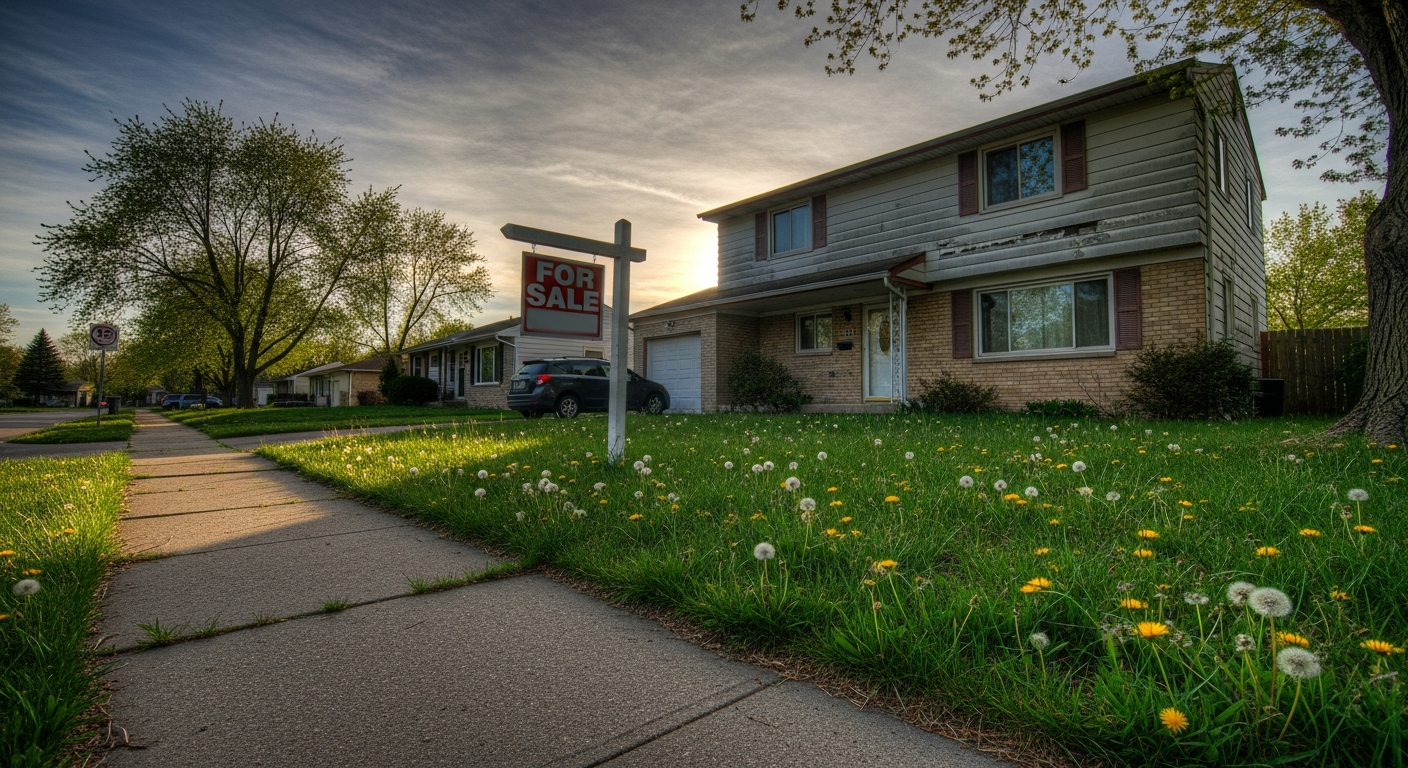
The first thing a buyer sees is the outside of your home. Negative curb appeal can stop a sale before it even starts. An overgrown lawn, peeling paint, or a rundown exterior can create a poor first impression, making buyers wonder what other issues might be lurking inside. You only get one chance to make a first impression, so make it count.
Boosting your home's curb appeal doesn't have to be expensive. Simple upgrades can make a world of difference and offer a significant return on investment. A well-maintained exterior signals to buyers that the home has been cared for, increasing its desirability.
Here are a few ways to improve your curb appeal:
- Tidy up the landscaping by mowing the lawn, trimming shrubs, and planting some flowers.
- Pressure wash the driveway, walkways, and siding.
- Paint the front door a welcoming color and update exterior light fixtures.
10. Highly Personalized or Outdated Interiors
While you may love your bold accent walls or unique decor, highly personalized interiors can make it difficult for buyers to see themselves in the space. Buyers need to be able to envision their own furniture and style in the home. Outdated features, like shag carpeting or old kitchen appliances, can also be a major turnoff.
The goal is to create a neutral and inviting canvas. A fresh coat of new paint in a neutral color is one of the most cost-effective upgrades you can make. It instantly brightens a room and makes it feel clean and modern. Removing personal items like family photos helps buyers mentally move in.
Focus on making simple, high-impact upgrades. You don't need a full-scale renovation, but updating key areas like the kitchen or bathrooms can add significant value. Swapping out old light fixtures or hardware in the dining room can also modernize the space without a huge investment.
Why Having the Right Real Estate Agent Matters
Choosing a real estate agent is arguably the most critical decision a seller makes. The right agent is more than just a listing agent; they are your strategic partner, marketing expert, and chief negotiator. Their skill and experience directly influence how quickly your home sells and for how much.
Conversely, working with an ineffective realtor can cost you time, money, and peace of mind. Many of the reasons homes sit on the market—from poor pricing to weak marketing—can be traced back to the agent. Below, we'll explore how a skilled agent can transform your home sale and the red flags that signal you might have the wrong one.
How a Skilled Agent Impacts Your Home Sale
A skilled agent does far more than just put a sign in your yard. They begin by using their deep market knowledge to price your home correctly from day one, which is essential for attracting serious buyers. They also provide expert advice on staging and presentation to ensure your home looks its best for photos and showings.
During the marketing phase, a top-tier agent implements a comprehensive strategy to expose your property to the largest possible audience. They are also master negotiators, working to secure the best possible terms and price for your home sale, which maximizes your net proceeds. Their expertise helps navigate the complexities of real estate transactions smoothly.
Ultimately, an experienced agent acts as your guide through the entire process. They analyze feedback from showings, recommend strategic adjustments, and handle all the details. Their guidance avoids common pitfalls and ensures a successful outcome, turning a stressful process into a satisfying one.
Common Signs of an Ineffective Agent
It can be difficult to know if your listing agent isn't performing as they should, especially if you're a first-time seller. However, there are several red flags that can indicate you're working with an ineffective agent. One of the biggest signs is poor communication. If your agent is hard to reach, doesn’t provide feedback from showings, or leaves you in the dark, it's a problem.
Another warning sign is a weak marketing strategy. A new agent or one who is not proactive may just list the property and hope for the best. A great agent will have a detailed plan for digital and print marketing. A lack of transparency about their efforts or the market's response is also concerning.
Look out for these common signs of an ineffective agent:
- Infrequent or non-existent communication.
- Low-quality listing photos and a weak online presence.
- Resistance to adjusting the price or strategy despite a lack of offers.
- A passive approach to marketing and finding buyers.
Data-Driven Solutions to Can’t Sell My Home Problems
When your home isn't selling, guesswork won't solve the problem. The solution lies in a data-driven approach. By analyzing real estate stats and market trends, you can make informed decisions about pricing, marketing, and choosing the right professional to guide you. Data helps remove emotion from the equation and points toward a clear strategy.
This is where finding the right agent becomes paramount, and modern tools can make all the difference. Instead of relying on a friend's recommendation, you can use data to identify an agent with a proven track record of success. Platforms exist that can help you cut through the noise and connect with the best in the business.
How TrueParity Helps You Find the Best Agent
If your house isn't selling, the issue might be your real estate agent. But how do you find a better one? TrueParity offers a data-driven solution. The platform analyzes performance data from the MLS to identify the top-performing agents in your specific area. Instead of guessing, you get matched with professionals who have a proven history of selling homes like yours quickly and for top dollar.
The process is simple. TrueParity uses objective data to vet agents, ensuring you're connected with someone who has the right experience and skills. This removes the uncertainty from hiring an agent and empowers you to partner with a true expert who can get your sale back on track.
Using a platform like TrueParity gives you a competitive edge.
The Importance of Using Data to Match With Top-Performing Agents
In the past, finding a real estate agent was often a matter of chance. Today, using data to find top-performing agents is a game-changer for sellers. Data doesn't lie. It shows which agents are successfully closing real estate transactions, how quickly they sell homes, and whether they achieve prices at or above market value. This information is invaluable when your home sale has stalled.
Partnering with a data-vetted agent means you’re working with someone who has demonstrated success. These agents understand the nuances of the local market, have superior marketing strategies, and possess the negotiation skills needed to close a deal. They don't just list your home; they create a strategy to sell it.
When your home isn't selling, you can't afford to take another gamble on an unproven agent. Using data to guide your choice provides certainty and confidence. It ensures you’re paired with a professional who has the right skills to diagnose the problem, implement a new strategy, and finally get your home sold.
Alternative Options If You Can’t Sell Your Home
If you’ve tried everything and your home still isn’t selling on the traditional market, don't despair. There are several alternative options available to home sellers. These strategies can provide a path forward, whether you need a quick sale, want to generate income from the property, or are open to a less conventional approach.
From renting out your property to pursuing a cash offer from an investor, these alternatives can help you move on. Each option has its own set of pros and cons, so it's important to consider which one best fits your financial situation and timeline. Let's explore some of these creative solutions.
Renting Out Your Property
If your house won't sell and you're not in a rush to get the cash from the sale, renting it out can be a viable option. This strategy allows you to cover your mortgage and other expenses while waiting for market conditions to improve. It turns your unsold property into an income-generating asset, providing you with extra cash each month.
Becoming a landlord does come with responsibilities. You'll need to find reliable tenants, handle maintenance requests, and manage the property. If you're not comfortable with these tasks, you can hire a property management company to handle them for you, though this will cut into your profits.
Renting allows your home value to potentially appreciate over time. When you're finally ready to sell, the market may be more favorable, allowing you to get a better price. It’s a great way to make the best of a stalled sale while building equity.
Selling As-Is, Auctions, and Other Creative Strategies
When a traditional sale isn't working, it might be time to get creative. Selling your house "as-is" is one popular strategy, especially if it needs significant repairs. This signals to buyers that you won't be making any improvements, which typically attracts a real estate investor or buyers looking for a fixer-upper. While you'll likely get a lower price, it can lead to a quick sale with fewer hassles.
Auctions are another option that can create a sense of urgency and competition among buyers. This can be effective for unique properties or in markets where this method is common. However, the outcome of auctions can be unpredictable, and there's a risk of selling for less than you'd hoped.
Other creative strategies to consider include:
- Selling to an iBuyer: These companies make quick cash offers on homes, often closing in a matter of days.
- Offering seller financing: You act as the lender for the buyer, which can attract a wider pool of applicants.
- Lease-to-own agreements: A tenant rents the home with an option to buy it later.
Conclusion
In summary, understanding the reasons why your house isn't selling is crucial for effectively navigating the real estate market. From overpricing to poor presentation and ineffective marketing strategies, several factors can hinder a successful sale. Perhaps the most significant influence is your choice of a real estate agent; having the right professional by your side can make all the difference. A skilled agent brings valuable insights, strategies, and negotiation skills to the table, ensuring your home reaches its potential buyers. For a data-driven approach to finding the best real estate agent tailored to your needs, consider exploring TrueParity. With the right support and strategy, you'll be well on your way to selling your home successfully.
Frequently Asked Questions
How long should I wait before considering other options to sell my house?
Generally, if your home has been on the market for over 30 days with little to no interest, it's time to re-evaluate your strategy. In a fast-moving real estate market, you might want to act even sooner. Look at the average days on market in your area to gauge if your listing is lagging.
Are there alternative ways to get rid of a property I can't sell?
Yes, there are several alternative options. You can seek a cash offer from a real estate investor or iBuyer for a quick sale, though likely for lower net proceeds. Renting the property can provide extra cash flow while you wait for the market to improve, or you could explore a lease-to-own agreement.
Is selling my house as-is a good strategy if it’s not selling?
Selling as-is can be a good strategy if your home needs significant repairs and you lack the time or funds to fix them. It attracts investors and buyers looking for a project. Be prepared for a buyer's offer to be lower to account for the work needed, as you will likely get less money than you would for a move-in ready home.
Can't sell house. Now what? : r/RealEstate - Reddit
If you can't sell your house, consider revisiting its pricing strategy, enhancing curb appeal, or improving staging. Additionally, assess your marketing efforts and ensure adequate online presence. Engaging a real estate agent can provide expert insights to help navigate challenges in the selling process effectively.
Anyone else having trouble selling their home? : r/RealEstate
If you're struggling to sell your home, you're not alone. Many homeowners face challenges such as overpricing, poor presentation, or lack of marketing. Consider evaluating your listing strategy, enhancing curb appeal, or working with a real estate agent to overcome these hurdles and attract potential buyers effectively.