Key Highlights
Here is a quick overview of our home selling checklist for first-time sellers:
- Preparing your home through deep cleaning, decluttering, and making necessary repairs significantly boosts its appeal.
- Enhancing your home's curb appeal makes a powerful first impression on prospective buyers.
- A pre-listing home inspection can uncover issues early, preventing delays in the closing process.
- Following a detailed moving checklist ensures a smooth transition to your new home after the sale.
- Finding the right real estate agent is crucial for a successful home sale; using data can help you make the best choice.
- TrueParity can help you find the best real estate agents in your area proven by data so you don't have to stress.
Introduction
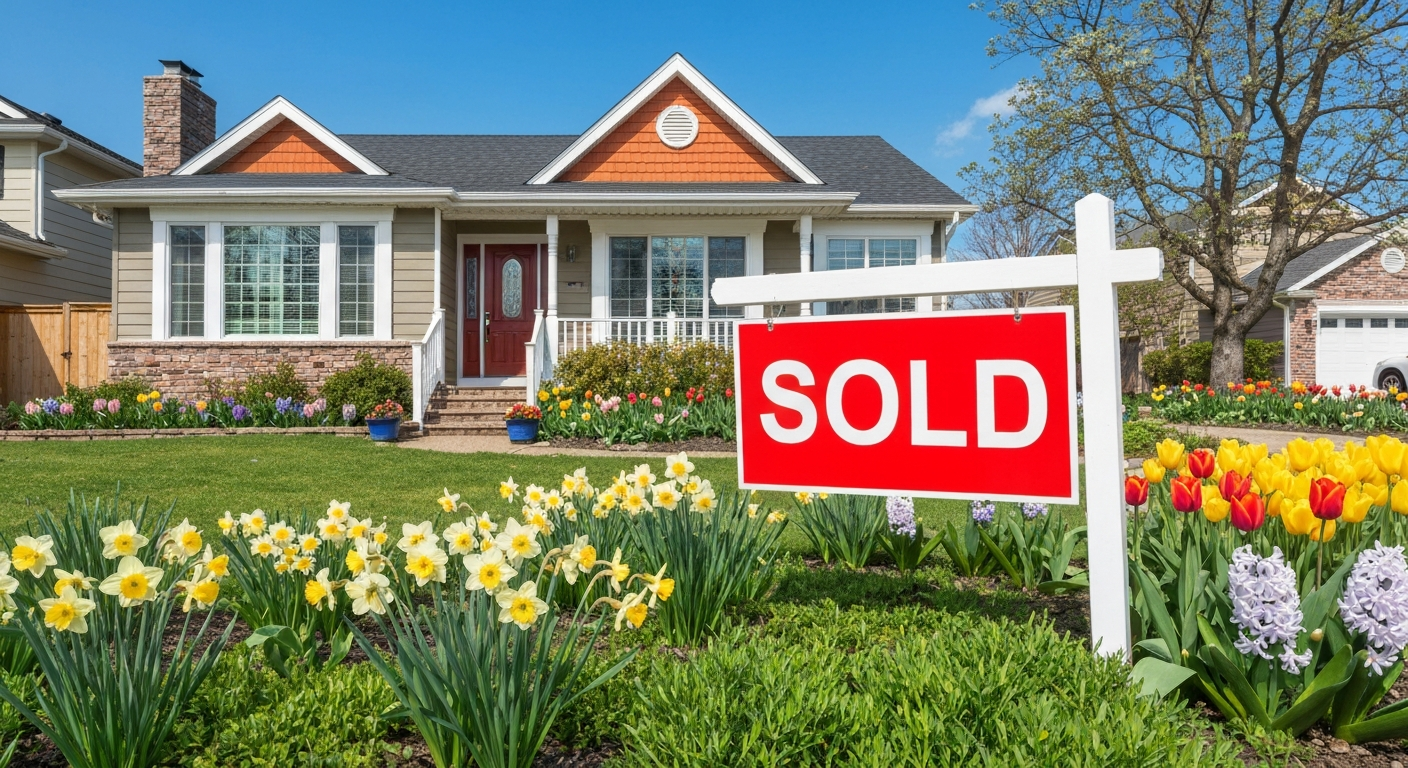
Selling your home for the first time can feel like a huge undertaking, but it doesn't have to be overwhelming. With a clear plan and the right guidance, you can navigate the real estate journey with confidence. This guide breaks down the home sale process into simple, manageable steps. From preparing your house for showings to understanding the final paperwork, we've got you covered. Get ready to turn your "for sale" sign into a "sold" sign and achieve a successful sale.
Understanding the Home Selling Process for First-Time Sellers
The home selling process involves several key stages, each one important for attracting prospective buyers and securing a great offer. It all starts with preparing your property to make strong first impressions. In today's competitive real estate market, a well-presented home can make all the difference.
From setting the right price to marketing your home effectively, each step builds on the last. Understanding these milestones will help you feel more in control and prepared for what lies ahead. Let’s look at the typical timeline and the vocabulary you'll encounter.
Key Milestones in a Typical Home Sale
A typical home sale follows a predictable path from start to finish. Knowing these milestones helps you stay organized and anticipate what's next. The journey begins with preparing your home and finding an agent, and it ends when you hand over the keys at the closing table. Each step is a building block toward a successful sale.
Understanding the timeline allows you to manage your expectations and reduce stress. The closing process, in particular, has many small but important tasks that need to be completed. Being aware of your home's condition and addressing issues early can prevent last-minute surprises.
Here are some key milestones you can expect:
- Signing a listing agreement with your real estate agent.
- Receiving and reviewing offers from potential buyers.
- Navigating the home inspection and appraisal processes.
- Finalizing the sale and completing the closing process.
What Common Terms Should Every Seller Should Know in a Home Selling Checklist?
Navigating the world of real estate means you'll hear a lot of new terms. Getting familiar with the language will help you communicate effectively with your agent and understand the documents you'll be signing. From the asking price to the final closing, knowing these terms is empowering.
A buyer's agent, for example, represents the interests of the person making an offer on your home. The multiple listing service (MLS) is the database where your agent will list your property for other agents and buyers to see. A home inspection is a critical step where a professional assesses your home’s condition.
Here are a few common terms to know:
- Asking Price: The price you list your home for.
- Appraisal: An estimate of your home's value conducted by a licensed appraiser.
- Contingency: A condition that must be met for the sale to go through.
- Closing Costs: Fees paid at the end of the transaction by both buyer and seller.
What to Know Before Listing Your Home
Before you sign a listing agreement and put your house on the market, there are a few things to consider. A successful home sale starts with careful planning and preparation. Taking the time to evaluate your situation and the market will set you up for success. Your real estate agent can be a valuable partner in this stage.
Thinking through your motivations for selling and understanding the current market are crucial first steps. This initial homework will help you make informed decisions throughout the entire process. Let's explore how to assess your goals and the real estate landscape.
Evaluating Your Reasons and Timeline for Selling
Why are you moving? Answering this question honestly will guide your entire home sale. For first-time sellers, understanding your motivation helps you set a realistic timeline and goals. Whether you're relocating for a job, need more space, or are downsizing, your reasons will influence how you approach the selling process.
Your timeline is another critical factor. Do you need to sell quickly, or do you have the flexibility to wait for the perfect offer? This will affect your strategy for setting a competitive price and negotiating with buyers. A clear timeline keeps you focused and reduces stress.
Discuss your reasons and ideal schedule with your real estate agent. They can help you create a plan that aligns with your personal and financial goals, ensuring a smoother journey from listing to closing.
Assessing Current Market Conditions in the United States
The real estate market is always changing, so understanding current conditions is key to a successful sale. Market trends can impact your home's value and how quickly it sells. Is it a buyer's market, where buyers have more leverage, or a seller's market, where sellers have the advantage?
To get a clear picture, look at recent sales of similar homes in your area. This information, often called "comps," will help you and your agent determine a competitive asking price. Pay attention to how long homes are staying on the market, as this indicates buyer demand.
Key factors to consider include:
- The number of homes currently for sale in your neighborhood.
- The average sale price of homes similar to yours.
- The average number of days homes are on the market.
- Interest rate trends and their effect on buyer affordability.
Essential Documents and Information to Gather
Getting your paperwork in order early on can save you a lot of headaches later. The sale of your home involves a surprising amount of documentation. Having everything organized will make the process smoother for you, your agent, and the buyer. From tax records to repair receipts, these documents provide a complete history of your property.
Think of it as creating a portfolio for your home. This information will be needed for everything from the listing to the final closing. It can also be helpful during the home inspection phase. Let's look at the specific documents you'll need to pull together.
Important Paperwork You’ll Need to Sell
When you decide to sell your home, gathering the right paperwork is an essential first step. These documents are necessary to legally complete the sale of your home and provide potential buyers with important information. Having them ready from the start shows you are a prepared and serious seller.
Your real estate agent will guide you on what is required, but you can get a head start by collecting key items. This includes proof of ownership, financial records related to the property, and information about its condition. Disclosures, for instance, are legal requirements where you must reveal any known issues with the home.
You will likely need the following documents:
- The original sales contract or deed to your home.
- Property tax records and receipts.
- Information on your current mortgage and any other liens.
- Homeowners insurance records.
- Appliance manuals and warranties.
Organizing Deeds, Tax Records, and Disclosures
Once you've gathered all the necessary paperwork, organizing it is the next step. A well-organized file will make the home sale process much more efficient. Create a dedicated folder or binder for all documents related to the sale of your home. This will ensure everything is in one place when you need it.
Start by sorting your documents into categories. Group your tax records together, keep all disclosure forms in one section, and have your deed and mortgage information easily accessible. This system will be invaluable as you move through negotiations and the closing process.
Here’s a simple way to organize your paperwork:
- A section for the property deed and title report.
- A file for all property tax records.
- A folder containing all state and local disclosure forms.
- A collection of receipts and records for home improvements and repairs.
The Importance of Choosing the Right Real Estate Agent
Your real estate agent is your most important partner in the home sale process. A good agent does more than just list your home; they provide expert guidance, marketing savvy, and negotiation skills. Choosing an experienced agent who understands your local market can be the single most impactful decision you make. They will work to get you the best price and terms.
With so many agents out there, how do you find the right one? Instead of relying on a friend's recommendation or a random sign, you can use data to make an informed choice. This ensures you partner with a professional who has a proven track record of success.
How Data Can Help: Using TrueParity to Compare Agents
In today's digital age, data is your best friend when selecting a real estate agent. Instead of guessing, you can use facts and figures to find a top performer. This is where TrueParity comes in. TrueParity is a real estate tech company that uses data to help you find the best agents in your area, proven by their actual performance.
TrueParity analyzes real estate agent performance based on key metrics like sale price, days on market, and success rate. This allows you to see which agents consistently deliver the best results for their clients. By comparing agents based on hard data, you can confidently choose someone who understands market trends and can navigate the closing process effectively.
Here's how data from TrueParity can help you compare agents: | Metric | Why It Matters | |---|---| | Average Sale-to-List Price Ratio | Shows if an agent gets offers at or above the asking price. | | Average Days on Market | Indicates how quickly an agent sells homes. | | Number of Homes Sold | Demonstrates an agent's experience and activity in your market. | | Client Reviews & Success Rate | Provides insight into past client satisfaction and overall effectiveness. |
Questions to Ask Potential Agents Before Making a Choice
After using a data-driven service like TrueParity to shortlist potential candidates, the next step is to interview them. This conversation is your chance to gauge their expertise, communication style, and marketing strategy. You want an experienced agent who you feel comfortable working with.
Prepare a list of questions to ask each real estate agent. Their answers will reveal a lot about their approach and whether they're the right fit for you. Pay attention to how they plan to highlight your home's best features and attract qualified buyers.
Here are some important questions to ask:
- How many homes have you sold in my neighborhood in the last year?
- What is your marketing plan for a home like mine?
- How will you help me set the right asking price?
- How do you handle negotiations with a buyer's agent?
- Can you provide references from recent clients?
Preparing Your Home to Attract Buyers
Once you've chosen your agent, it's time to prep home for the market. How your home looks and feels will directly impact a home buyer's interest. The goal is to create a welcoming environment where prospective buyers can easily picture themselves living. This involves more than just a quick tidy-up.
You'll want to focus on deep cleaning, decluttering, and enhancing your home's curb appeal. These efforts will make your property stand out in photos and in person, attracting more serious buyers. Now, let’s explore the specific tasks that will get your home show-ready.
Decluttering and Deep Cleaning Checklist
Decluttering is one of the most impactful things you can do to prepare your home for sale. Buyers need to see the space, not your stuff. Start by removing personal items like family photos, collections, and knick-knacks. This helps depersonalize the home, allowing buyers to envision their own lives there.
After decluttering, a deep cleaning is essential. This goes beyond your regular routine. Scrub every corner, from baseboards to ceiling fans. Pay special attention to kitchens and bathrooms. If you have pets, be extra vigilant about cleaning carpets and hiding litter boxes before showings. For excess items, consider renting a storage unit to keep your home looking spacious.
Here is a checklist to get you started:
- Pack away personal photos and sentimental items.
- Clear off countertops in the kitchen and bathrooms.
- Organize closets and cabinets to show off storage space.
- Remove excess furniture to make rooms feel larger.
- Clean windows, light fixtures, and vents.
Repairs and Upgrades That Boost Value
While major renovations don't always pay off, small repairs and strategic upgrades can significantly boost your home's appeal and value. Buyers often overestimate the cost of repairs, so fixing issues beforehand removes a potential objection. Start with the obvious things that a buyer would notice right away.
A fresh coat of paint in a neutral color is one of the most cost-effective upgrades you can make. It instantly makes a home feel clean and new. Fixing leaky faucets, updating old light fixtures, and ensuring all doors and windows work properly also make a big difference. Don't forget the exterior; adding fresh mulch can dramatically improve curb appeal.
Consider these high-impact repairs and upgrades:
- Applying a fresh coat of paint to interior walls.
- Replacing outdated light fixtures and hardware.
- Fixing any leaky faucets or running toilets.
- Sprucing up the landscaping with fresh mulch and flowers.
Step-by-Step Guide: How to Sell Your Home as a Beginner
Feeling ready to move forward with the sale of your home? This step-by-step guide is your home selling checklist, designed to walk you through the process from listing to closing. Following these steps will help you stay organized and make smart decisions along the way. Your goal is to attract prospective buyers and achieve a smooth home sale.
Each phase of selling has its own set of tasks. By breaking it down, the process becomes much less intimidating. From pricing your home correctly to navigating offers, we'll cover everything you need to know for a successful outcome.
What You’ll Need to Get Started
Before your home officially hits the market, there are a few final preparations to make. Getting everything in place now will ensure a smooth launch. This is the time to finalize your team, complete your prep work, and gather all necessary information. Your real estate agent will be your guide through this crucial setup phase.
A key decision is whether to get a pre-listing home inspection. This can help you identify and address any potential issues before a buyer finds them, which can give you more control over repairs and negotiations. You should also have all your essential paperwork organized and ready to go.
Here's what you'll need to get started:
- A signed listing agreement with your chosen real estate agent.
- All your organized paperwork, including the deed and tax records.
- A clear understanding of your home's condition, with repairs completed.
- A plan for keeping the home show-ready at a moment's notice.
Step 1: Set a Competitive Asking Price
Setting the right asking price is both an art and a science. Price your home too high, and you risk it sitting on the market for too long. Price it too low, and you could leave money on the table. The goal is to find that sweet spot that attracts buyers and maximizes your return. This is one of the most critical steps in the selling process.
Your real estate agent will conduct a comparative market analysis (CMA). This report looks at recent sales of similar homes in your area, as well as current listings and market conditions. This data provides a solid foundation for determining a competitive price.
Trust your agent's expertise, but also do your own research. Look at online listings and attend open houses to get a feel for the competition. A well-priced home often generates more interest and can even lead to multiple offers, putting you in a strong negotiating position.
Step 2: Stage Your Home for Maximum Appeal
Staging is about showcasing your home's best features and creating an emotional connection with buyers. It's more than just cleaning; it's about arranging furniture and decor to make each room feel spacious, inviting, and full of potential. A well-staged home helps buyers visualize themselves living there.
You don't need to hire a professional to stage effectively. Simple changes can make a huge impact. Focus on letting in as much light as possible, arranging furniture to create a good flow, and adding small touches that make the space feel warm. A fresh coat of paint and updated light fixtures are also part of great staging.
Here are some simple staging tips:
- Rearrange furniture to highlight the focal point of each room.
- Use neutral-colored bedding and towels.
- Add a vase of fresh flowers or a bowl of fruit for a pop of color.
- Clear off the coffee table, leaving only a few decorative items.
- Make sure every room is well-lit, adding lamps where needed.
Step 3: Market Your Property Effectively
Once your home is priced and staged, it's time to tell the world it's for sale. An effective marketing strategy is essential to reach the widest possible audience of potential buyers. Your real estate agent will lead this effort, but it's good for you to understand the key components of a modern marketing plan.
The foundation of your marketing is high-quality visuals. This means hiring a professional photographer to take stunning photos and possibly a video tour. These images will be used on the multiple listing service (MLS), social media, and other online platforms where buyers start their search.
A comprehensive marketing plan should include:
- Professional photography and videography.
- Listing on the MLS and major real estate websites.
- Promotion on social media platforms.
- Hosting an open house for agents and the public.
- Well-designed flyers and property descriptions.
Step 4: Review Offers and Negotiate Wisely
When offers start coming in, it's an exciting time. However, it's important to review each one carefully. The highest price isn't always the best offer. Your real estate agent will help you analyze the terms, contingencies, and financial strength of each potential buyer.
Negotiation is a key part of this stage. The initial offer is often just a starting point. Your agent will communicate with the buyer's agent to negotiate on price, closing dates, and other terms to get you the best possible deal. Try not to take negotiations personally; it's a standard part of the business.
When reviewing offers, consider the following:
- The offer price and how it compares to your asking price.
- The buyer's financing (e.g., pre-approval letter, cash offer).
- Proposed contingencies, such as for inspection or appraisal.
- The requested closing date and how it aligns with your timeline.
Step 5: Prepare for Closing and Moving Out
Once you've accepted an offer, you're in the home stretch, but there are still several final steps to complete. This period, known as being "under contract" or "in escrow," typically lasts 30 to 60 days. During this time, the buyer will conduct their home inspection and their lender will order an appraisal.
Your main job is to cooperate with these processes and start preparing for your move. Create a moving checklist to stay organized. This is also when you'll need to make any repairs that were agreed upon during the negotiation phase. The closing process culminates on closing day, when you sign the final paperwork and transfer ownership.
Key tasks before closing include:
- Scheduling movers and starting to pack.
- Making any negotiated repairs.
- Keeping the home in good condition for the buyer's final walk-through.
- Coordinating with your agent to ensure all paperwork is ready.
- Transferring utilities out of your name.
Avoiding Common Mistakes First-Time Sellers Make
As a first-time seller, it's easy to make mistakes that could cost you time and money. Being aware of these common pitfalls can help you navigate the process more smoothly and achieve a successful sale. Many of these errors are avoidable with a bit of foresight and the right guidance from your real estate agent.
From emotional pricing to poor presentation, these mistakes can deter prospective buyers. For example, failing to remove personal items can prevent buyers from imagining the house as their own. Let's look at some specific pitfalls to avoid during the selling journey.
Pitfalls to Watch Out for During the Selling Process
The selling process is filled with potential missteps for the unprepared. One of the biggest is getting too emotionally involved. It's important to view the sale as a business transaction and detach from your personal attachment to the home. This will help you make more objective decisions, especially when it comes to pricing and negotiations.
Another common mistake is not preparing for the home inspection. Every inspection will find something, but being proactive about repairs can prevent issues from derailing the sale. Also, be careful not to hide your personal collections or clutter in closets—buyers will look everywhere.
Here are some pitfalls to avoid:
- Overpricing your home based on emotion rather than market data.
- Not hiring a qualified real estate agent.
- Failing to properly prepare your home for showings.
- Being unprepared for the findings of the home inspection report.
Things to Avoid When Showing and Negotiating
During showings and negotiations, your actions can significantly influence a buyer's decision. One major rule is to not be present during showings. Buyers feel more comfortable exploring and speaking openly with their agent when the seller isn't there. Let your agent handle the showing and feedback.
When it comes to negotiation, avoid taking a lowball offer personally. See it as the start of a conversation. Also, don't refuse to negotiate on small repairs; sometimes, a minor concession can save the entire deal. Remember that first impressions are everything, so pay special attention to small touches that make your home feel welcoming.
Things to avoid during this stage include:
- Being present at your own open house or showings.
- Reacting emotionally to a low offer.
- Neglecting to keep the home clean and tidy for every showing.
- Ignoring feedback from potential buyers and their agents.
What to Do After Accepting an Offer
Congratulations, you've accepted an offer! This is a major milestone, but the sale of your home isn't complete just yet. The period between accepting an offer and closing the deal is crucial. This is when the buyer confirms they are serious and can secure financing, and you prepare for the final transfer.
During this time, you'll navigate contingencies like the home inspection and appraisal. Your cooperation is key to keeping the closing process on track. Let's break down what happens during this final phase of your home-selling journey.
Navigating Inspections, Appraisals, and Contingencies
After an offer is accepted, the buyer will typically schedule a home inspection. A professional home inspector will examine the property for any potential issues. It's important to be prepared for this step. The inspector will create a report detailing their findings, which the buyer will review.
Next comes the appraisal, which is ordered by the buyer's lender to ensure the home is worth the loan amount. If the appraisal comes in low, it can create a negotiation point. These steps are common contingencies in real estate contracts, meaning the sale is dependent on their successful completion.
Here's what to expect during this phase:
- The buyer's home inspection and your negotiation of any requested repairs.
- The lender's appraisal of the property.
- The buyer securing final loan approval.
- Clearing any other contingencies listed in the purchase agreement.
Final Steps to Close and Transfer Ownership
As closing day approaches, there are a few final tasks to complete. The buyer will do a final walk-through of the property, usually 24 hours before closing, to ensure the home is in the same condition as when they made the offer and that any agreed-upon repairs have been made.
The closing process itself involves signing a lot of paperwork. This is where you will officially transfer ownership of the property to the buyer. The meeting is usually held at a title company or attorney's office. Once all documents are signed and the funds are transferred, the home sale is complete.
Your final steps will include:
- Completing the buyer's final walk-through.
- Gathering all keys, garage door openers, and appliance manuals.
- Attending the closing appointment to sign final documents.
- Receiving your proceeds from the sale.
Moving Checklist for Home Sellers
With the home sale nearly complete, your focus will shift to moving day. A well-organized move can reduce stress and ensure a smooth transition to your new home. Creating a detailed moving checklist is the best way to stay on top of all the tasks involved in packing up your life and relocating.
This checklist will help you manage your time effectively in the weeks leading up to your move. From hiring movers to changing your address, having a plan will prevent last-minute chaos. Let's outline the essential tasks to complete before you say goodbye to your old home.
Essential Tasks Before Moving Day
Your moving checklist should start several weeks before your actual moving day. Begin by decluttering once more. This is your last chance to get rid of items you don't want to take to your new home. Sort your personal items into "keep," "donate," "sell," and "trash" piles.
Next, focus on scheduling. If you're using professional movers, book them as far in advance as possible, especially if you're moving during a busy season. If you need a storage unit, now is the time to reserve one. Give yourself extra time for packing by starting with non-essential items and rooms you don't use often.
Your pre-move task list should include:
- Researching and booking a moving company.
- Purchasing packing supplies like boxes, tape, and bubble wrap.
- Starting to pack non-essential items.
- Arranging to transfer utilities and change your address.
- Planning for the care of pets or children on moving day.
Tips for a Smooth Transition to Your Next Home
After a successful home sale, the transition to your new home is the final chapter. To make it as smooth as possible, a little planning goes a long way. Your moving checklist should include tasks that happen on and immediately after moving day. This will help you settle into your new space with ease.
On moving day, do a final sweep of your old house after the movers have left to make sure nothing was forgotten. Label your boxes clearly with the contents and the room they belong in. This will make unpacking much more efficient. Also, pack an "essentials" box with items you'll need right away, like toiletries, medications, and chargers.
For a seamless move into your new home:
- Pack an essentials box for your first night.
- Label all boxes clearly by room.
- Take photos of how electronics are connected before you unplug them.
- Confirm the move-in details and get the keys for your new home.
Conclusion
Selling your home for the first time can be both exciting and overwhelming. By following this comprehensive checklist, you can navigate the process with confidence. Remember to gather all essential documents, prepare your home to attract buyers, and avoid common pitfalls that many sellers face. Choosing the right real estate agent is crucial; utilizing data-driven tools like TrueParity will help you find the best fit for your needs. Don't hesitate to reach out for guidance when needed. Good luck on your home-selling journey! And for expert assistance, consider leveraging the resources at TrueParity to ensure you make the best decisions every step of the way.
Frequently Asked Questions
What are the most important things to fix before selling?
Focus on necessary repairs that will show up on a home inspection. This includes fixing leaky faucets, ensuring electrical outlets work, and addressing any roof or water issues. A fresh coat of paint is also a low-cost, high-impact update that can make your home feel clean and new to buyers.
How do I set the right price for my home?
To set a competitive price, you and your agent should analyze the current real estate market. Review recent sales of similar homes in your area to understand what buyers are willing to pay. Setting the right asking price from the start is crucial for attracting serious offers quickly.
How can I find the best real estate agent using TrueParity?
You can find the best real estate agent by using TrueParity to compare agents based on their actual performance data. TrueParity helps you identify an experienced agent who has a proven track record of success in your local market, ensuring a smoother home sale.
What documents do I need when selling my house?
For the sale of your home, you'll need paperwork like the property deed, recent property tax records, homeowners insurance information, and any required disclosure forms. It's also helpful to have records of recent repairs or upgrades and manuals for appliances that are staying with the house.