Key Highlights
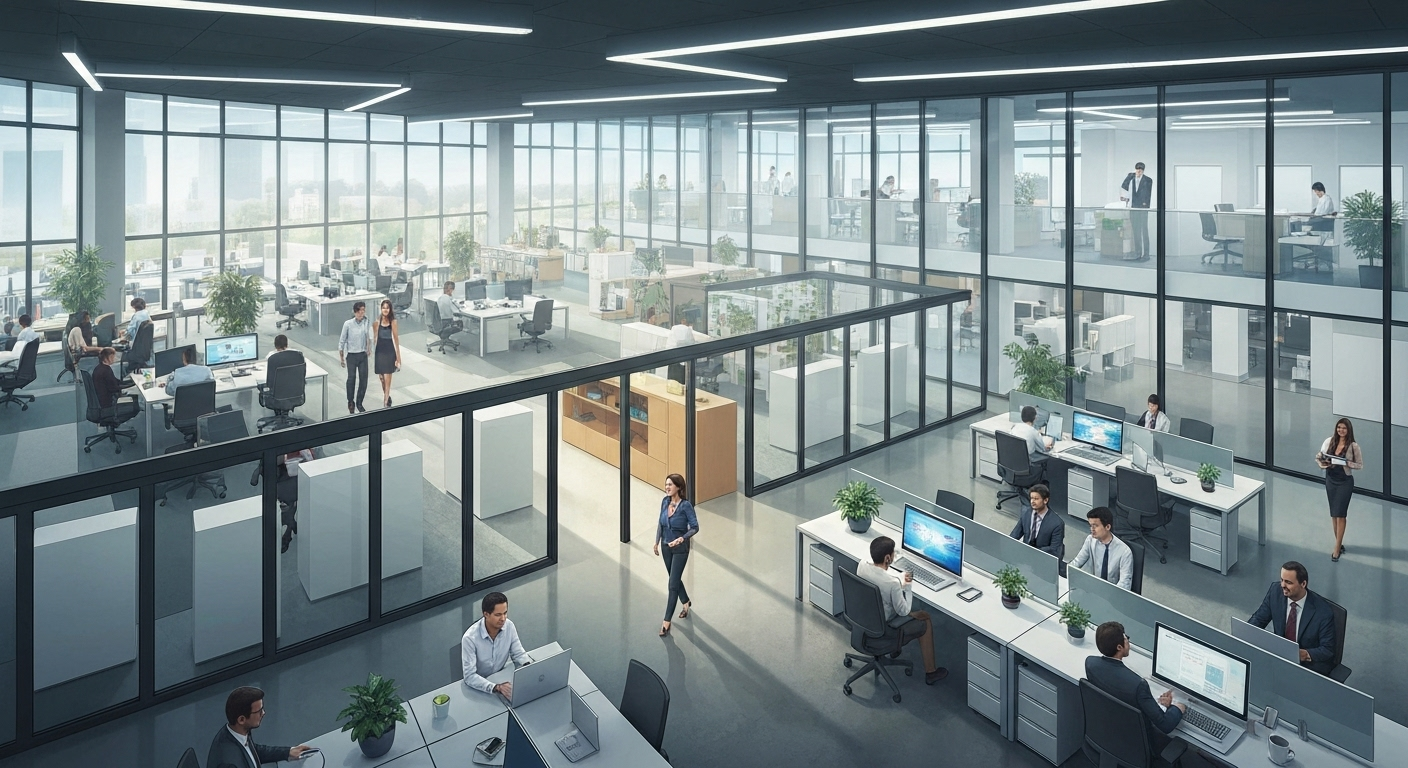
- Effective office design is crucial for boosting productivity, collaboration, and employee well-being.
- Your new office layout should reflect your company culture and support various work styles.
- Assessing your space requirements and involving employees in the office design process is essential for success.
- Modern office space trends include biophilic design, flexible furniture, and a mix of collaboration zones and quiet areas.
- Balancing open-plan elements with private spaces is key to managing noise and distractions.
- Planning for technology and ergonomics in meeting rooms and workspaces is vital for a future-proof office.
Introduction
Designing a new office space is an exciting opportunity to create a work environment that inspires creativity and enhances productivity. The right office design goes beyond aesthetics; it has a profound impact on your team's morale, collaboration, and overall success. Whether you're moving into a new building or renovating your current one, thoughtful planning can transform your physical workspace into a powerful asset. This guide will walk you through everything you need to know to create an efficient, safe, and collaborative office.
Understanding the Fundamentals of Office Space Design
Office space planning is the process of arranging your workspace to optimize every square foot. The goal is to improve how your team works, encourage collaboration, and create a comfortable office environment for everyone. A successful office layout considers how your business operates and what your employees need to be effective.
The critical first step is to get a deep understanding of your operational needs and your team’s different work styles. Are you a highly collaborative team, or do you require more individual focus? Answering these questions early on forms the foundation of your space planning and ensures the final design truly supports your company.
What Defines an Effective Office Layout?
An effective office layout is one that is intentionally designed to support your business goals and your employees' daily activities. It’s about more than just placing desks; it involves strategic space planning to create a productive and positive work environment. This means efficiently dividing your space into different zones, such as individual workstations, meeting rooms, and collaboration areas.
When you plan your floor layout, think about how your teams interact. Placing departments that work closely together near one another can minimize wasted time and improve communication. The layout should also promote a natural flow of traffic, allowing people to move around without causing disruptions.
Ultimately, a great layout boosts employee satisfaction by providing a mix of spaces that cater to different tasks. By creating an environment where people feel comfortable and have the resources they need, you can foster a culture of efficiency and teamwork.
The Importance of Office Design for Productivity and Well-being
Your office design is directly linked to employee productivity and well-being. A thoughtfully designed workspace can minimize distractions, support focus, and create a positive workplace experience that motivates your team. Modern office design ideas that boost productivity often focus on human-centric elements.
For instance, providing ample natural light and views of the outdoors is a top request from employees and has been shown to improve cognitive function. Integrating ergonomic furniture, ensuring good air quality, and controlling the temperature also contribute to a healthier and more comfortable environment, which reduces the risk of workplace injuries and boosts employee satisfaction.
When employees feel valued and cared for, their morale and engagement increase. An office design that prioritizes their health and comfort is an investment that pays off in higher productivity and a stronger company culture.
Key Factors to Consider Before Starting Your Office Design Project
Before you start knocking down walls or ordering furniture, it's crucial to outline the key factors that will guide your office space planning. This initial step ensures your project aligns with your budget, company goals, and operational needs. You need a clear vision of what you want to achieve to avoid costly mistakes.
Think about your available real estate and how to maximize its space utilization. Consider your working model—is your team fully in-office, hybrid, or remote? Each model has different requirements for the physical workspace. Understanding these core elements from the beginning will set your project up for success.
Identifying Company Goals and Culture
To ensure your new office design feels authentic, it must reflect your company culture and brand identity. Your workspace is a physical representation of your values, so the design should tell your company's story. For example, the fintech company Wise included saunas in their offices to honor their Estonian heritage.
Consider what makes your culture unique. Is it collaborative and energetic, or more focused and quiet? An open, vibrant space might be perfect for a creative agency, while a firm that handles sensitive information may need a more private layout. The design should foster a sense of community and make team members feel connected to the company's mission.
Involving your employees in this process can provide valuable insights into what they value in a work environment. This ensures the final design supports their work styles and reinforces the culture you want to build.
Assessing Space Requirements and Employee Needs
A crucial part of office space planning is accurately assessing your physical space requirements and understanding your employee needs. This involves evaluating your current space to identify what works and what doesn't. How is the space currently being used? Are there underutilized areas that could be repurposed?
To create a work environment that truly supports your team, you must involve them in the planning process. Conduct surveys or hold focus groups to gather feedback on their pain points and what they would like to see in the new design. This ensures the final layout meets their operational needs and enhances their daily experience.
When considering employee needs, focus on creating a balanced environment that includes:
- Collaborative spaces: Areas where teams can gather for brainstorming and project work.
- Quiet zones: Designated spots for focused, individual tasks without distractions.
- Social areas: Break rooms or lounges where employees can relax and interact informally.
- Inclusive design: Ensuring the office is accessible and meets the needs of all workers.
Modern Office Design Trends in the United States
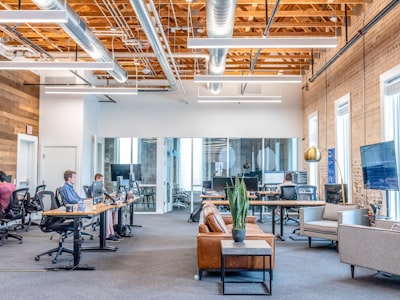
Modern office design is shifting to create more dynamic, flexible, and human-centered spaces. The traditional cubicle farm is being replaced by thoughtful office layouts that cater to a hybrid workforce and aim to make the office a destination for collaboration. Trends like biophilic design and dedicated collaboration zones are becoming standard in modern offices.
These trends recognize that the purpose of the office has evolved. It's no longer just a place for individual work but a hub for teamwork, connection, and innovation. The following sections explore some of the most popular concepts shaping the future of workspace design.
Popular Concepts for 2025 and Beyond
The office design of the future is flexible, inspiring, and connected to nature. As companies adapt to new ways of working, several key trends are emerging that prioritize employee well-being and productivity. These concepts are reshaping offices into more engaging and supportive environments.
One of the most prominent trends is biophilic design, which involves incorporating natural elements like plants, natural light, and organic materials into the workspace. Amazon’s "Spheres" in Seattle are a prime example, creating a calming, nature-filled environment to reduce stress. Another key trend is the use of modular furniture, which allows for easy reconfiguration of the workspace to suit different activities.
Popular office design trends for 2025 include:
- Biophilic Design: Integrating nature to improve well-being and air quality.
- Flexible and Modular Furniture: Allowing spaces to be easily adapted for various tasks.
- Activity-Based Working: Creating different zones for specific activities like focus work, collaboration, and socializing.
- Emphasis on "We-Space": Designing more collaboration spaces and fewer individual desks.
Incorporating Flexibility, Collaboration, and Technology
In the era of hybrid work, flexibility is no longer a perk—it's a necessity. Your office design must accommodate team members who may be in the office full-time, part-time, or occasionally. This means creating a workspace that can easily adapt to changing headcounts and work styles.
A key part of this is designing effective collaboration areas. Since many employees now come to the office specifically for team collaboration, providing spaces that support this is vital. Think restaurant-style booths for informal chats, lounge areas for brainstorming, and well-equipped conference rooms for formal meetings.
Technology is the glue that holds a flexible workplace together. Integrating tools like interactive whiteboards, high-quality video conferencing systems, and seamless connectivity ensures that in-office and remote employees can collaborate effectively. This creates a more inclusive and connected experience for everyone, regardless of their location.
Balancing Collaboration and Privacy in the Workplace
One of the biggest challenges in modern office layout design is finding the right balance between encouraging teamwork and providing space for focused work. While collaboration zones are essential for innovation, team members also need quiet zones where they can concentrate without interruptions. A one-size-fits-all approach rarely works.
An effective office layout provides a variety of spaces to suit different tasks and preferences. This means moving beyond the debate of open-plan versus private offices and instead creating a hybrid environment that offers the best of both worlds. The goal is to give employees the autonomy to choose the workspace that best fits their needs at any given moment.
Open vs. Enclosed Workspaces
The open-plan office is praised for fostering communication, but it’s notorious for high noise levels and a lack of privacy. On the other hand, a layout with only private offices can feel isolating and hinder spontaneous collaboration. The solution lies in a blended approach that incorporates elements of both.
You can mitigate the downsides of an open plan without sacrificing its benefits. For example, even in an open area, you can create a sense of personal space with privacy screens or strategically placed furniture. It's also important to provide enclosed meeting spaces and quiet rooms for confidential conversations or tasks requiring deep focus.
To manage noise levels in an open environment, consider these solutions:
- Acoustic panels: Install sound-absorbing panels on walls and ceilings.
- Biophilic elements: Use large plants or green walls as natural sound barriers.
- Thoughtful layout: Place quiet zones away from high-traffic areas like break rooms.
- Privacy cubicles: Add small, enclosed pods for phone calls or one-on-one meetings.
Creating Spaces for Focus and Teamwork
The most productive offices are those that empower employees to choose how and where they work. By creating a variety of dedicated spaces, you can support both individual work and team collaboration effectively. This concept, known as Activity-Based Working (ABW), allows people to move between different zones depending on their tasks.
Designate specific focus areas or quiet areas where conversation is limited and distractions are minimized. These spaces are perfect for employees who need to concentrate on complex tasks. Furnish them with comfortable seating and good lighting to create an ideal environment for deep work.
At the same time, build vibrant collaborative spaces that encourage interaction. These can range from formal conference rooms to casual lounges with whiteboards and comfortable seating. By offering a mix of environments, you cater to diverse work styles and ensure your office supports every aspect of your team's workflow.
Essential Tools and Resources to Get Started
Embarking on an office planning project can feel overwhelming, but you don't have to do it alone. There are numerous tools and resources available to help you with space planning, from creating an office floor plan to selecting the right office furniture. Using these resources can streamline the process and help you visualize the final outcome.
Modern design software can help you experiment with different layouts without any physical commitment. In addition to digital tools, gathering the right equipment and materials is a critical step in bringing your vision to life. The following sections will guide you through some useful resources to get you started.
Useful Free Software for Office Floor Planning
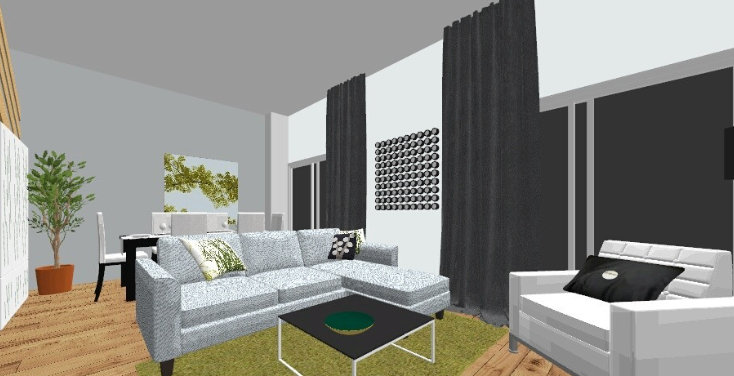
Yes, there are many free and affordable software options available to help you create a detailed office floor plan. These tools are invaluable for office planning, as they allow you to visualize your layout in 2D or 3D, experiment with different configurations, and optimize your floor space before you spend a dime on construction or furniture.
These programs can help you make data-driven decisions about your real estate. Some even offer features like space utilization analytics, which show you how your office is being used in real time. For hybrid offices, tools with desk booking capabilities can help manage flexible seating arrangements efficiently.
Using these tools makes it easier to communicate your vision to stakeholders and contractors, ensuring everyone is on the same page. Here are some common features you'll find in office planning software:
Smart Workspace Features
- 2D/3D Floor Planning
- Description: Create and visualize detailed layouts to see how the space will look and feel.
- Space Utilization Analytics
- Description: Get data-driven insights on how to optimize your floor space and identify unused areas.
- Desk & Room Booking
- Description: Allow employees to reserve desks or meeting rooms, ideal for hybrid work models.
Gathering Equipment and Materials for Design
Once you have a floor plan, the next step is to select the office furniture, equipment, and materials that will bring your design to life. This is where you can truly impact the comfort and efficiency of your space, especially for roles that require long hours at a desk, like in an IT office.
Prioritize investing in high-quality ergonomic furniture. This includes adjustable desks and supportive office chairs that promote good posture and reduce the risk of strain. For an IT team, ensuring each workstation has ample power outlets, good cable management, and sufficient desk space is critical for productivity.
Don't forget about your common areas. Equip meeting rooms with the necessary technology and comfortable seating. Choose durable and aesthetically pleasing materials for flooring, walls, and surfaces that align with your brand identity and can withstand daily use.
Step-by-Step Guide to Designing a New Office Space
Now that you understand the key principles, it's time to put them into action. This step-by-step guide will walk you through the office design process, from initial space planning to adding the final touches. Following a structured approach will help you stay organized and ensure your new office layout meets your operational needs.
Each step builds on the last, helping you create a workspace that is functional, comfortable, and reflective of your company culture. By carefully considering your budget, employee needs, and long-term goals, you can design an office that supports your business for years to come.
Step 1: Define Your Space Needs and Budget
The very first step in any office design project is to define your requirements and establish a realistic budget. This involves a thorough assessment of your business needs. How many employees do you need to accommodate now and in the near future? What kinds of activities will take place in the office space?
Your real estate is a significant investment, so careful space planning is essential to make the most of it. Calculate the square footage you need per employee and for common areas like meeting rooms, kitchens, and lounges. This analysis will help you determine if your current space is sufficient or if you need to look for a new location.
Finally, set a clear budget that covers all aspects of the project, including design fees, construction, furniture, technology, and contingency costs. Having a well-defined budget from the start will guide your decisions and prevent overspending.
Step 2: Develop the Floor Layout Plan
With your needs and budget defined, you can start developing the office layout. This is where you translate your vision into a concrete floor plan. Using one of the software tools mentioned earlier, begin mapping out the different zones of your office. Think about where to place individual workstations, collaborative areas, and quiet zones.
A key consideration in your floor plan is space utilization and traffic flow. Arrange desks and furniture to ensure that employees can move around easily without disturbing others. Position common areas like meeting spaces and break rooms in central, easily accessible locations to encourage interaction and convenience.
Strategically place departments and teams that frequently collaborate close to one another to enhance workflow efficiency. Remember to balance open, collaborative areas with private spaces to accommodate different work styles and tasks. This thoughtful planning will create a functional and harmonious work environment.
Step 3: Select Furniture and Fixtures
Selecting the right office furniture is critical for both the functionality and comfort of your new space. The pieces you choose should not only look good but also support the health and productivity of your employees. Focus on investing in items that are durable, flexible, and comfortable.
For workstations, ergonomic furniture is a must. This investment in your team's well-being can lead to increased job satisfaction and reduced absenteeism. For meeting rooms and collaborative zones, choose furniture that facilitates interaction and can be easily reconfigured for different group sizes and activities.
When selecting furniture and fixtures, prioritize the following:
- Ergonomic furniture: Adjustable desks and office chairs are essential for employee comfort and health.
- Modular furniture: Movable pieces provide the flexibility to adapt the workspace as your needs change.
- Multi-purpose pieces: Choose furniture for common areas that can serve various functions, from informal meetings to social events.
- Durable materials: Select high-quality materials that can withstand the wear and tear of a busy office.
Step 4: Integrate Technology and Connectivity
In today's digital world, technology is the backbone of any modern office. Your design must accommodate both current and future technological needs to create a truly efficient workplace. This means planning for robust connectivity and integrating the right tools to support your team.
Ensure your space has ample power outlets, high-speed internet access, and a strong IT infrastructure. For companies with a hybrid work model, equipping meeting rooms with high-quality video conferencing systems is crucial for seamless collaboration between in-office and remote workers. This ensures everyone can participate equally, regardless of their location.
Consider incorporating smart technology like intelligent lighting, climate control, and wireless charging stations to enhance the employee experience. Thoughtful technology integration not only supports productivity but also future-proofs your office, making it a more connected and efficient place to work.
Step 5: Ensure Comfort, Ergonomics, and Accessibility
A comfortable and healthy work environment is non-negotiable. This step focuses on the elements that directly impact your employees' daily well-being. As mentioned before, ergonomic furniture like supportive office chairs is a cornerstone of a comfortable workspace, but there are other factors to consider as well.
Pay close attention to lighting, acoustics, and air quality. Maximize natural light wherever possible and supplement it with well-designed artificial lighting to reduce eye strain. Manage noise levels with sound-absorbing materials and a thoughtful layout. A good HVAC system and even indoor plants can significantly improve indoor air quality.
Finally, ensure your office design complies with all accessibility standards. Your workspace should be a secure and inclusive space for all employees and visitors. Prioritizing comfort, ergonomics, and accessibility demonstrates that you value your team's health and well-being.
Step 6: Add Finishing Touches and Personalization
The final step is to add the finishing touches that will transform your office from a functional space into an inspiring one. This is your opportunity to infuse your brand identity and company culture into the environment. Use your company's colors, logo, and values as design elements to create a space that feels uniquely yours.
Personalization can have a significant impact on employee morale. Consider creating a feature wall with company milestones or displaying artwork created by your team. These small touches help foster a sense of ownership and pride in the workplace.
Incorporate elements of biophilic design, such as indoor plants, to improve indoor air quality and create a calming atmosphere. Don't forget a good coffee machine—it's a simple perk that can make a big difference! These final details are what make an office feel like a great place to work.
Mistakes to Avoid When Designing a New Office
Designing a new office is a complex project, and it's easy to make mistakes along the way. One of the most common pitfalls is poor office planning, which often stems from failing to define needs and goals at the outset. Rushing into a design without a clear strategy can lead to a work environment that doesn't support your team's workflow and requires costly changes down the line.
Another major error is overlooking employee input and the need for workplace flexibility. Designing an office layout in a vacuum without consulting the people who will use it every day is a recipe for dissatisfaction. A rigid design that can't adapt to changing team sizes or work styles will quickly become outdated. By avoiding these common mistakes, you can create a space that is both effective and well-loved.
Overlooking Employee Input and Workplace Flexibility
Ignoring employee input is one of the biggest mistakes you can make. Your team members have firsthand knowledge of what they need to be productive and comfortable. Failing to involve them in the planning process means you miss out on valuable insights and risk creating a space that frustrates them.
Workplace flexibility is equally important, especially with the rise of hybrid work. A design that only supports one type of work—for example, all open-plan with no quiet areas—will alienate employees who need different environments for individual work. A lack of flexibility can hinder productivity and make it difficult for your company to adapt to future changes.
Involving your team not only leads to a better design but can also boost morale. When employees feel their opinions are valued, they become more engaged and invested in the new space. Overlooking their input can lead to:
- A design that fails to support different work styles.
- Reduced productivity due to an impractical layout.
- Lowered employee satisfaction and engagement.
- A missed opportunity to create a space that your team loves.
Conclusion
Designing a new office space is an exciting opportunity to create an environment that fosters productivity, collaboration, and employee well-being. By understanding the fundamentals of office design and considering factors like company culture, employee needs, and modern trends, you can craft a space that not only meets functional requirements but also inspires creativity and innovation. Remember to involve your team in the planning process to ensure their needs are met and to avoid common pitfalls. As you embark on this journey, take the time to explore the resources and tools available, and don't hesitate to seek expert advice if needed. Happy designing!