Key Highlights
- Colonial farmhouse plans blend historical charm with features suited for modern living.
- A key feature of the colonial style is its use of symmetrical facades, often with a central front door.
- These colonial homes are known for their classic proportions and orderly appearance.
- Modern floor plans often adapt traditional layouts into open-concept spaces.
- Styles range from simple Cape Cod homes to larger Georgian and Dutch Colonial designs.
- Natural materials like wood and brick contribute to their timeless and warm aesthetic.
Introduction
Welcome to the world of colonial farmhouse plans, where classic design meets contemporary comfort. These homes possess a timeless appeal that has captivated homeowners for generations. Rooted in American history, colonial architecture is celebrated for its elegant simplicity and classic proportions. If you're drawn to homes that feel both historic and livable, you'll find that these designs offer a perfect blend of past and present, creating a warm and inviting space for your family.
Understanding Colonial Farmhouse Plans in the United States
The colonial style is deeply woven into American history, originating from the architectural traditions European settlers brought to the United States. These early colonial homes were adapted to new environments and local materials, creating a look that is both practical and beautiful. This blend of influences gives the colonial design its signature classic charm.
Today, colonial homes are perfectly suitable for modern families. While they maintain their historic exteriors, many floor plans have evolved to include the open layouts and amenities that today's homeowners desire. This adaptability makes them a popular choice for those who love tradition but need functionality. The following sections will explore the defining features and different styles available.
Defining Features and Characteristics of Colonial Farmhouses
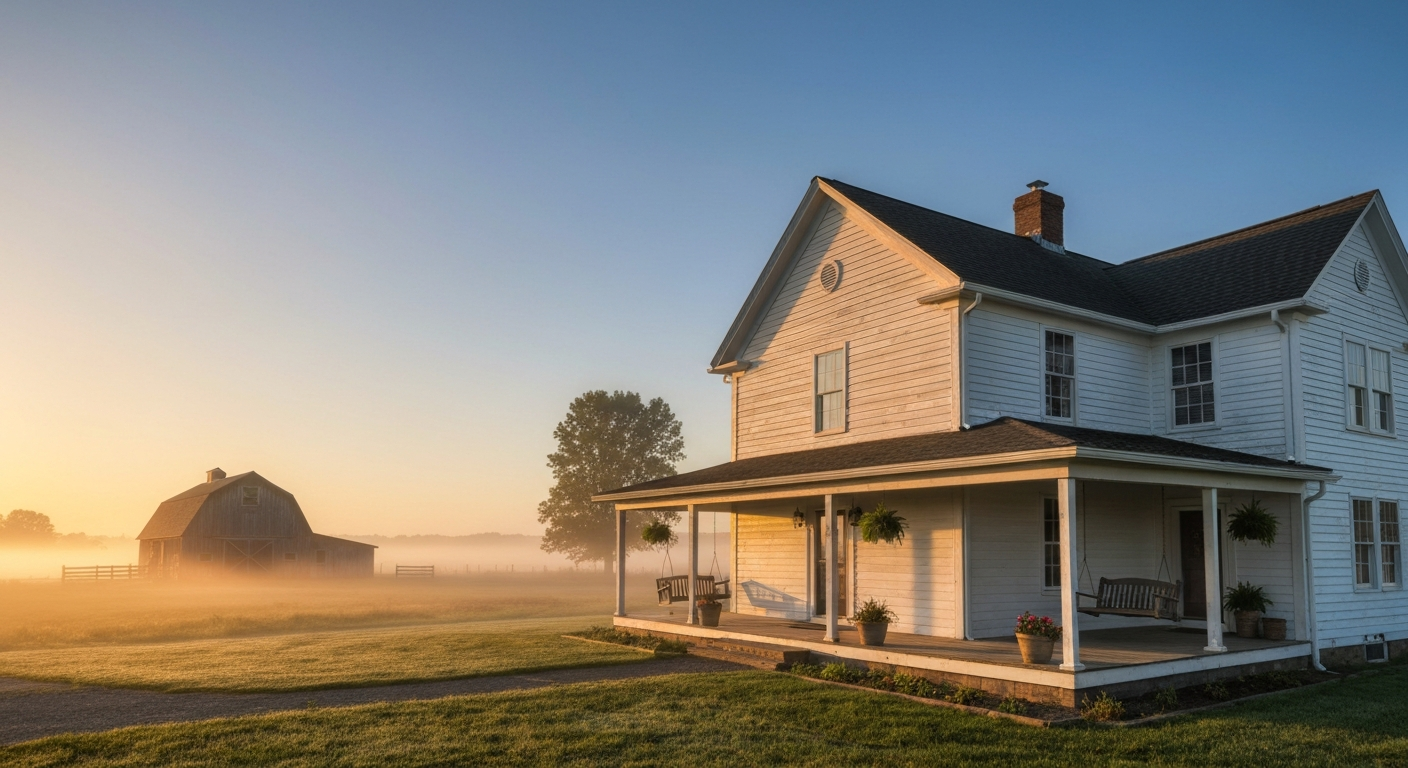
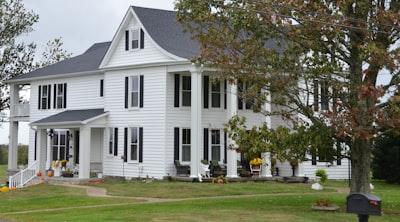
What gives colonial farmhouses their distinct and recognizable look? The answer lies in a few key architectural features that emphasize order and historical charm. The most notable characteristic is their symmetrical facades, where the front door is centered and flanked by an equal number of windows on each side.
This sense of balance creates a pleasing and harmonious appearance. Inside, these homes were often built around a large central chimney that provided heat to the entire house, a crucial element in early designs. The use of natural materials like wood siding or brick further enhances their warm and traditional feel.
Key features often include:
- Steep, Gable Roofs: Designed to shed snow and rain effectively.
- Multi-Pane Windows: Symmetrical windows with small panes add to the classic look.
- Central Entrance: A prominent front door that acts as the focal point of the home's facade.
How Colonial Farmhouse Plans Differ from Other Colonial House Designs
While colonial farmhouse plans share a common heritage, they have distinct differences from other colonial house plans like Georgian or Cape Cod. The term "farmhouse" often implies a simpler, more rustic version of the architectural style, focused on practicality and a connection to the land, often featuring a welcoming front porch.
In contrast, other colonial styles might be more formal or compact. For instance, Georgian colonials are known for their grand, ornate details, while Cape Cod homes are typically smaller and more modest. These differences in scale, ornamentation, and layout contribute to the unique curb appeal of each style, though they all share a fundamental sense of order.
The table below highlights some of these distinctions.
- Feature: Overall Feel
- Colonial Farmhouse: Rustic, practical, inviting
- Georgian Colonial: Grand, formal, ornate
- Cape Cod Colonial: Compact, cozy, simple
- Feature: Roof Style
- Colonial Farmhouse: Simple gable roof
- Georgian Colonial: Low-pitched roof
- Cape Cod Colonial: Steep gable roof
- Feature: Size
- Colonial Farmhouse: Often two stories, spacious
- Georgian Colonial: Typically large, two stories
- Cape Cod Colonial: One to one-and-a-half stories
- Feature: Porch
- Colonial Farmhouse: Often features a prominent front porch
- Georgian Colonial: May have a portico but less emphasis on porches
- Cape Cod Colonial: Minimal to no porch
Popular Styles and Layouts of Colonial Farmhouse Plans
The colonial design umbrella covers various styles, each with unique architectural influences. From the barn-inspired Dutch Colonial to the refined Federal style, you have many options to choose from. These colonial style homes have evolved from their origins, blending historical aesthetics with the needs of contemporary life.
Many plans retain traditional layouts, while others have been completely reimagined for modern homeowners. Whether you prefer a layout with formal rooms or an open-concept space, there is a colonial farmhouse plan that can fit your lifestyle. Let's look at how these styles compare and how their floor plans are arranged.
Traditional vs. Modern Colonial Farmhouse Styles
When choosing a colonial plan, you'll often decide between traditional and modern interpretations. The Colonial Revival style, for example, leans into historical accuracy with more decorative elements, shutters, and formal arrangements. These designs aim to capture the authentic charm of early American homes.
On the other hand, a modern colonial house often simplifies these features. It may feature the classic symmetrical shape but with clean lines, larger windows, and fewer ornate details. The focus shifts toward a minimalist aesthetic appeal while honoring the home's architectural roots.
Here are some key differences:
- Layout: Traditional plans have separate rooms, while modern plans favor open concepts.
- Details: Modern styles use fewer decorative elements for a cleaner look.
- Windows: Modern versions may use larger, single-pane windows instead of traditional multi-pane designs.
- Materials: Both may use similar materials, but modern plans might incorporate contemporary finishes.
Typical Room Arrangements and Floor Plan Flow
The flow of colonial floor plans has changed significantly over time. Traditionally, these homes featured central hallways that acted as the spine of the house. From this hall, you would access the main living areas, such as a formal living room on one side and a dining room on the other, with the kitchen often located at the rear.
Bedrooms in two-story designs were almost always located on the second floor, creating a clear separation between public and private spaces. This formal arrangement provided a sense of order and structure that was highly valued in colonial architecture.
However, today's colonial house plans frequently embrace open floor plans. Many modern designs remove the walls between the kitchen, dining room, and great room. This creates a large, connected space for casual family gatherings and entertaining, reflecting a shift away from formal living and toward a more relaxed lifestyle.
Conclusion
In conclusion, Colonial farmhouse plans offer a blend of timeless elegance and modern functionality, making them a popular choice for many homeowners. With distinctive features that set them apart from other designs, these homes not only provide aesthetic appeal but also practical layouts suited for contemporary living. Whether you lean towards traditional or modern styles, the various room arrangements and flow of colonial farmhouse plans cater to diverse preferences and lifestyles. Embracing the charm of these designs can enhance your connection to history while creating a comfortable home environment. If you're ready to explore your options further, feel free to reach out for a consultation!