



Key Highlights
- West Virginia ranks as one of the most affordable states for home buyers looking for spacious properties.
- The top 10 most affordable states all feature median home prices under $300,000.
- Many states with affordable real estate also have a low cost of living, making them budget-friendly.
- Home buyers should consider factors beyond price, such as property taxes and homeowners insurance.
- The current housing market shows that Southern and Midwestern states offer excellent value.
- Mississippi boasts the lowest price per square foot for homes in the United States.
Introduction
Are you dreaming of a big house without the big price tag? Finding a home with plenty of space that fits your budget can feel like a challenge in the current real estate market. Elevated housing costs have many people wondering where to find affordable housing. The good news is that several states across the country offer spacious homes for much less than the national average. This guide will explore the best places to get more bang for your buck.
The Best States to Buy a Big House for Cheap
If you are looking for affordable housing, your search should focus on states with a low home price and an equally low cost of living. The housing market in certain parts of the country, particularly the South and Midwest, provides incredible opportunities to purchase large homes without breaking the bank.
These most affordable states offer a chance to own a sizable property for a fraction of what you might pay elsewhere. Below, we'll look at the top states where you can find spacious and budget-friendly homes.
1. West Virginia: Spacious Homes for Less
West Virginia stands out as a prime destination for anyone seeking affordable homes. With the lowest median home price of any state at just $225,506, your dream of owning a large house is well within reach. The state is filled with charming villages, active college towns, and beautiful national parks.
A significant factor contributing to home affordability in West Virginia is its low cost of living index of 84.1. This means your money goes further here, not just on housing but on everyday expenses too. The state also has a very low effective property tax rate of 0.54%, adding to its appeal.
While the median household income is lower than in other states, the low home prices create a favorable income-to-mortgage ratio. Combined with one of the lowest prices per square foot in the nation at $130, West Virginia offers incredible value for your money.
2. Mississippi: Affordable Large Property Options
The Magnolia State is celebrated for its Southern hospitality, rich musical heritage, and delicious cuisine. Beyond its cultural charm, Mississippi is one of the most affordable states for real estate. It boasts the lowest cost of living of all U.S. states, making it a top contender for affordable housing.
With a median home price of $235,408 and the cheapest average price for a three-bedroom property at $205,153, Mississippi offers some of the best deals in the country. The median monthly mortgage payment is the lowest in the nation at just $790, making homeownership highly accessible.
One point to consider is the higher cost of homeowners insurance, which is influenced by hurricanes along the Gulf Coast. However, with the lowest average price per square foot in the U.S. at $113, Mississippi still provides exceptional value for those seeking large properties on a budget.
3. Arkansas: Low Median Prices on Big Houses
From the energetic metro areas like Little Rock to the peaceful towns in the Ozark Mountains, Arkansas offers affordable real estate for various lifestyles. The state has one of the lowest median home prices in the country, making it an attractive option for budget-conscious buyers. The average price for a three-bedroom property is around $316,141.
A key advantage in Arkansas is that home prices have recently seen a slight drop, making it one of the few states where the home price index movement was negative. This trend suggests it's a great time to invest in property here. Low home values and a modest effective property tax rate of 0.57% result in a low annual tax bill.
Arkansas also ranks first for the newest average build date for homes, meaning you can find modern, spacious properties. This combination of low prices and newer homes makes it a top state for overall value.
4. Alabama: Expansive Living at Budget-Friendly Costs
Alabama offers a fantastic combination of housing affordability and a lower cost of living, making it a desirable location for home buyers. The state’s housing cost of living index is 30% lower than the U.S. average, which means your housing budget stretches much further here.
One of Alabama's most significant advantages is its incredibly low property taxes. With an effective rate of just 0.38%, it has the second-lowest rate on our list and the lowest average property taxes paid at only $738 annually. This translates to substantial long-term savings for homeowners.
The median home price in Alabama is $284,090, and the monthly income is typically more than five times the monthly mortgage payment. This favorable ratio provides financial breathing room, allowing families to enjoy expansive living in nice neighborhoods without financial strain.
5. Indiana: Affordable Square Footage for Families
Making our list for the second year in a row, Indiana is a top Midwestern state for home affordability. With a median home price of $255,311, it offers more affordable homes than many of its neighbors. The state’s cost of living is about 10% less than the national average, providing relief for family budgets.
Indiana also boasts a low cost of living, a growing automotive industry, and plenty of job opportunities. Residents, known as Hoosiers, benefit from low state income tax rates and constitutionally protected caps on property taxes, making it one of the cheapest states to live in America.
The state provides affordable square footage, with an average price per square foot of $143. Whether you're looking in its bustling metro areas or quieter towns, you'll find that your housing dollar goes a long way in the Hoosier State.
6. Ohio: Great Value in Large Home Purchases
Ohio presents an excellent opportunity for those looking for great value in the Midwest's real estate market. The state features the second-cheapest homes in the region, with a median home price of just $231,798. This affordability makes it one of the most affordable places to buy a large house.
While housing costs are low, Ohio also has one of the country's most buoyant job markets and a reasonable median household income. This economic strength, combined with affordable housing, creates a stable environment for homeowners. The average annual homeowner's insurance is also very affordable at $2,160.
Although Ohio has the oldest average property build year, it also has one of the cheapest prices per square foot at $140. This means you can find spacious properties for less, even if they require some updates, making it a smart investment in the current market.
7. Kentucky: Cost-Effective Big Houses and Land
Known for the Kentucky Derby and its beautiful natural landscapes, the Bluegrass State is also a very affordable place to call home. One of the key factors that makes Kentucky so affordable is its low cost of living combined with a median home price of $269,938.
Property taxes in Kentucky are more affordable than in most states, with an effective rate of 0.77%. The annual property taxes paid are a reasonable $1,472, helping to keep the overall cost of homeownership down. This combination of low home price and manageable taxes makes it a cost-effective choice.
Whether you prefer the excitement of cities like Louisville or Lexington or the tranquility of a rural area, Kentucky offers a variety of options. The state's lush forests, mountains, and waterfalls provide a scenic backdrop for your affordable, spacious home.
8. Michigan: Large, Affordable Homes Near Lakes
Michigan is a state of great natural beauty, known for its manufacturing industry, excellent colleges, and stunning lakeside homes. It is also one of the most affordable housing options in the Midwest, with a cost of living about 10% less than the national average.
Home affordability is a major draw, with a median home price of $230,075. While property tax rates are on the higher side, the low home prices help offset this cost. Additionally, the average annual homeowner's insurance is reasonable at $2,411 per year.
Despite having a smaller average property size, Michigan's affordability and access to beautiful lakes make it an attractive option for many. You can find large, affordable homes in nice neighborhoods, especially if you value proximity to water and outdoor activities.
9. Missouri: Spacious Homes in Safe Neighborhoods
Missouri offers a balanced mix of vibrant cities, tourist destinations like Branson, and quiet rural areas. It ranks as one of the cheapest states to buy a house, with a median home price of $258,586 and a very low median mortgage payment of $990 per home sale.
A favorable ratio of income to mortgage payments makes homeownership in Missouri very budget-friendly. The state's low cost of living further enhances its appeal, allowing residents to enjoy a comfortable lifestyle without overspending on housing.
You can certainly find spacious homes in safe neighborhoods across Missouri. From the suburbs of Kansas City and St. Louis to smaller towns, there are many communities that offer both affordability and a high quality of life, making it a great place to settle down.
10. Louisiana: Southern Comfort with Big House Deals
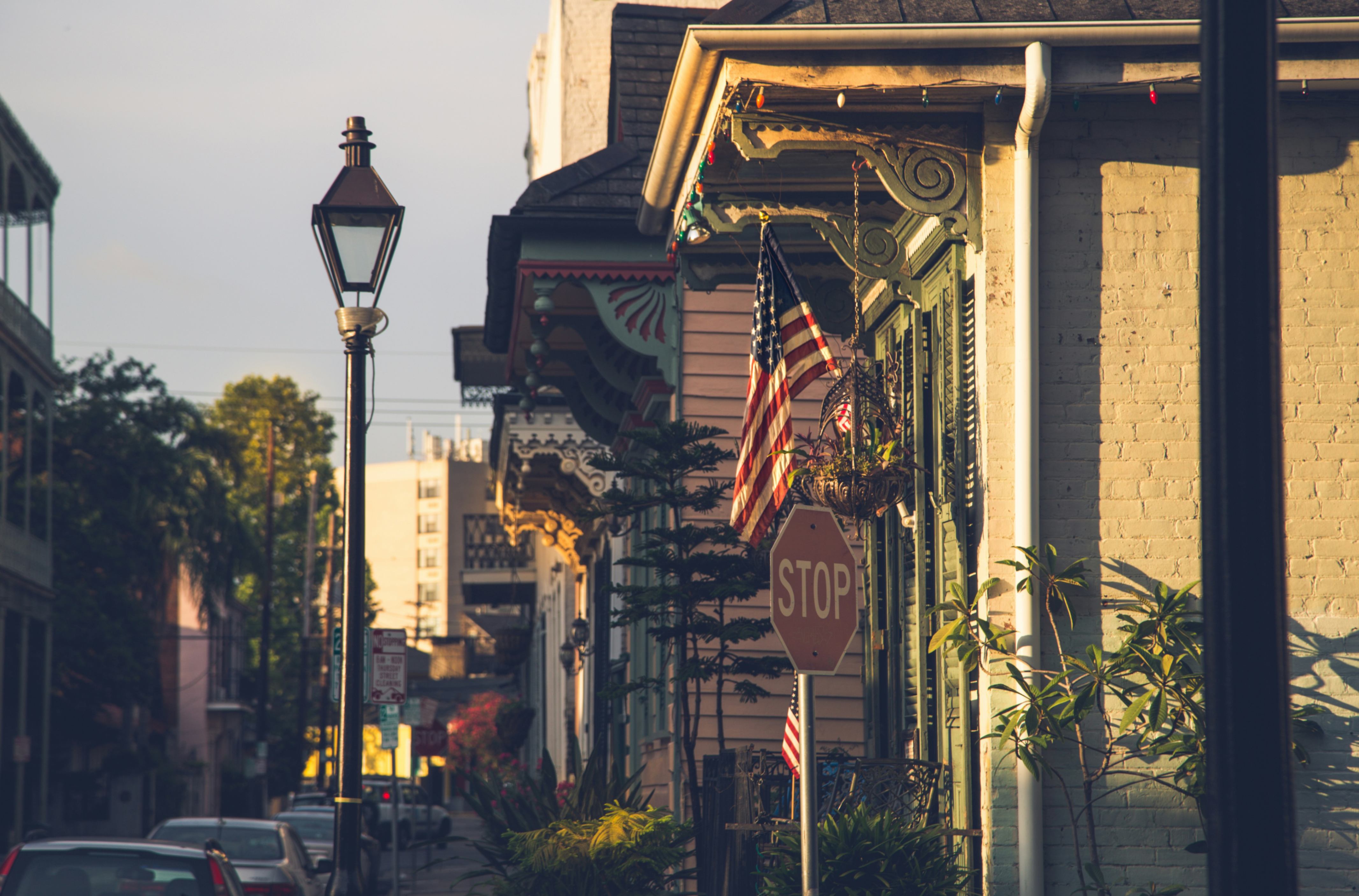
Louisiana is a state with a unique cultural heritage, from its French Caribbean architecture in New Orleans to its vibrant Mardi Gras celebrations. Beyond the festivities, it is also one of the most affordable states to buy a house and find great deals on affordable real estate.
The state offers a lower cost of living, which is almost 8% less than the U.S. overall. This, combined with a median home price of $249,857, makes Louisiana a very attractive option. The median monthly mortgage payment is a manageable $956.
While the state has one of the weakest economies, it still offers the 16th lowest cost of living and ranks tenth for the cheapest price per square foot. This balance of culture and affordability provides a unique opportunity to enjoy Southern comfort in a big, budget-friendly home.
Factors That Make States Affordable for Big Houses
Several key factors contribute to a state's home affordability. A low cost of living is a major driver, as it means everyday expenses are cheaper, leaving more room in your budget for housing. Affordable states often have a less competitive housing market, which helps keep prices down.
Additionally, lower property taxes can significantly reduce the long-term cost of owning a home. When you're looking for a big house, it's essential to consider all these elements, not just the initial purchase price. Let's look closer at these trends.
Housing Market Trends and Median Prices
The U.S. housing market has been challenging for buyers recently, with elevated home prices. However, the upward trend is no longer accelerating as it was a few years ago. In some of the most affordable states, prices have even started to level off or slightly decrease.
For instance, Arkansas was one of the few states where the home price index movement recently dropped, indicating a potential home sale advantage for buyers. While the median price remains high nationally, the cheapest states continue to offer median home prices well below the average.
Understanding these trends can help you time your purchase. Here's a look at the median home price in some of the most affordable states, giving you a clear picture of what to expect.
State — Median Home Price
- West Virginia: $225,506
- Ohio: $231,798
- Mississippi: $235,408
- Arkansas: $239,654
- Louisiana: $249,857
- Indiana: $255,311
- Missouri: $258,586
Price Per Square Foot in Different States
When you're searching for a big house, the price per square foot is a critical metric. It tells you how much space you're getting for your money. A low home price is great, but if the house is small, it might not meet your needs. The lowest cost per square foot ensures you get the most value.
Some states offer an incredibly low price per square foot, allowing you to buy a much larger home than you could elsewhere for the same median price. This is where you'll find the best bargains on spacious properties.
States in the South and Midwest consistently offer the best value in this regard. Here are the states with the absolute lowest price per square foot, making them ideal for finding a large home for cheap:
- Mississippi ($113)
- West Virginia ($130)
- North Dakota ($133)
- Kansas ($138)
Cities Known for Affordable Large Homes
While looking at statewide data is helpful, affordability can vary significantly within a state. Some metro areas offer an excellent combination of job opportunities and affordable large homes. These cities often have a lower cost of living than major coastal hubs but still provide a high quality of life.
Whether you're looking for a bustling city or a quiet town, you can find an affordable place with a reasonable home price. Let's explore some specific cities and towns where your dream of owning a large, affordable home can become a reality.
Top Metropolitan Areas for Cheap Spacious Houses
If you prefer the amenities of a city, several metro areas provide affordable housing without sacrificing space. These cities are often located in states with strong job markets and low overall living costs, making them a great place to live and work.
Housing affordability in these urban centers means you can enjoy city life while still having a large home for your family. They offer a great balance of culture, convenience, and value. The home price in these areas is often significantly lower than in larger, more famous cities.
Many of these locations are becoming popular destinations for people seeking a better work-life balance. Here are some top metropolitan areas known for cheap, spacious houses:
- Little Rock, Arkansas
- Fayetteville, Arkansas
- Louisville, Kentucky
- Lexington, Kentucky
Small Towns Where Big Homes Are a Bargain
For those who crave a quieter lifestyle, small towns often have the best bargains on big homes. These communities provide a high quality of life with a strong sense of community and a slower pace. The home price in these areas is typically much lower than in urban centers.
These affordable housing options often come with the added benefit of more land and low property taxes. You can find historic homes with character or newer constructions with modern amenities, all at a fraction of the cost you'd find elsewhere.
If you're willing to live outside a major city, you can find incredible deals. Here are some examples of the types of small towns where big homes are a bargain:
- Quaint villages in West Virginia
- Quiet Ozark Mountain towns in Arkansas
- Rural areas in Kentucky
- Small towns throughout the Midwest
Hidden Costs and Financial Considerations
Buying a home involves more than just the sticker price. It's crucial to be aware of hidden costs that can affect your financial situation. Factors like property taxes and homeowners insurance can significantly impact your monthly mortgage payments and overall budget.
When you're looking at big houses in affordable states, these additional expenses are especially important to consider. A low purchase price can be appealing, but high recurring costs could undermine the savings. Let's examine some of these financial considerations more closely.
Property Taxes in Affordable States
Property taxes vary dramatically from one state to another and can have a huge impact on your long-term housing costs. Even if the home price is low, high tax rates can make a property less affordable than it initially seems.
For example, Alabama has one of the lowest effective property tax rates in the country, adding to its affordability. In contrast, a state like New Jersey has high tax rates that can add thousands to the annual cost of owning a home, even if the median price is comparable to other places.
When comparing affordable states, always look at the effective property tax rate. This figure, calculated by dividing the median yearly real estate taxes by the median home value, gives you a clearer picture of what you'll actually pay.
Additional Costs When Purchasing a Large Home
Beyond property taxes, there are other additional costs to factor into your budget when buying a large home. These housing expenses can affect your monthly mortgage payment and overall financial situation, so it's essential to be prepared.
One of the most significant is homeowners insurance. In states along the Gulf Coast, like Mississippi and Louisiana, insurance rates can be high due to the risk of hurricanes. This can add a substantial amount to your annual costs.
Be sure to account for these potential expenses before making a purchase. Here are some key additional costs to keep in mind:
- Homeowners insurance, especially in high-risk areas
- Higher utility bills for heating and cooling a larger space
- Increased maintenance and repair costs for a bigger property
- Potential homeowner association (HOA) fees in certain neighborhoods
Buying vs. Building: Which Is Cheaper in Low-Cost States?
When you're looking for a big house in a state with a low cost of living, you might wonder if it's cheaper to buy an existing home or build a new one. The answer depends on several factors, including land prices, construction costs, and the local housing market. Building a home allows for customization, but the purchase price of an existing home is often lower upfront.
In many low-cost states, buying an existing property can be more economical. However, states like Arkansas have a high number of newer homes, suggesting that building a home is also a viable and popular option. You'll need to weigh the pros and cons of each choice based on your budget and preferences.
Pros and Cons of Buying Existing Big Houses
Buying an existing home is often the faster and more straightforward path for home buyers. In the current housing market, you can secure a mortgage rate and move in relatively quickly. You'll also be buying into an established neighborhood, which can be a major plus.
However, older homes may come with hidden issues and require renovations, which can add to the total cost. You might need to compromise on layout or features, as the home wasn't designed specifically for you.
Weighing these factors is key to making the right decision for your home sale journey in affordable real estate markets.
- Pros: Faster move-in, established neighborhoods, potentially lower upfront cost.
- Cons: May require renovations, less customization, potential for hidden maintenance issues.
Cost Differences When Building a New Large Home
Building a new home gives you complete control over the design, layout, and features. For many home buyers, this level of customization is the biggest appeal. A new home also means modern wiring, plumbing, and energy-efficient appliances, which can lead to lower utility and maintenance costs over time.
However, the process of building a new home can be complex and lengthy. Construction costs, including materials and labor, can be high and are subject to market fluctuations. Securing a construction loan can also be more complicated than a traditional mortgage.
The final cost will be higher than the initial purchase price of many existing homes, but the long-term benefits and satisfaction of a custom home can be worth it, especially for those with a sufficient median household income to support the project.
Conclusion
In conclusion, if you're on the hunt for a spacious home without breaking the bank, exploring the states mentioned in this guide could lead you to your ideal property. Each state offers unique advantages and affordability that cater to different lifestyles and preferences. From the stunning landscapes of West Virginia to the vibrant communities in Indiana, there are plenty of options to consider. Remember to factor in the hidden costs and local market trends as you embark on this exciting journey. With the right knowledge and preparation, you'll be well on your way to securing a large house that fits both your needs and budget. If you have any more questions or need personalized assistance, don’t hesitate to reach out for a free consultation!


