Key Highlights
Here are the key takeaways from our exploration of America's most affluent suburbs:
- The wealthiest suburbs in the USA are defined by an exceptionally high median household income, often exceeding $250,000 annually.
- Home value is a critical factor, with real estate prices in top-tier suburbs reaching a median of $2 million or more.
- Atherton, California, consistently ranks as one of the most expensive suburbs, setting a high bar for property values.
- Census data reveals that these exclusive communities are powered by strong local economies, particularly in the tech and finance sectors.
- High-income families are drawn to these areas for top-rated schools, exclusive amenities, and superior quality of life.
Introduction
Have you ever wondered where the most affluent communities in the United States are located? The concept of the American dream often includes a beautiful home in a quiet, prosperous neighborhood. For some, this dream reaches spectacular heights in the nation's wealthiest suburbs. These exclusive enclaves are characterized by sprawling estates, pristine streets, and, most importantly, an incredibly high median household income. In this guide, we will explore the real estate markets and economic indicators that place these suburbs at the pinnacle of prosperity.
Ranking the Most Expensive Suburbs in the USA Today
Determining the absolute "most expensive" suburb can be a moving target, with data changing annually. However, rankings consistently point to a select few areas that stand out for their staggering wealth. These lists are typically compiled using key metrics like median household income and median home value, which provide a clear picture of local affluence.
The wealthiest suburbs are often clustered near major economic hubs, offering residents a peaceful retreat with easy access to city life. Below, we'll look at five suburbs that frequently appear at the top of these rankings, examining the property value and income levels that define them as the nation's most exclusive places to live.
1. Atherton, California – Home Values & Household Income
Atherton, a small town in Silicon Valley, is often cited as the richest suburb in America. What makes it stand out? The primary drivers are its astronomical home value and the immense household income of its residents. This California town has become synonymous with exclusivity, attracting tech billionaires and venture capitalists who desire privacy and luxury.
While specific figures fluctuate, data from the Census Bureau consistently places suburbs like Atherton at the top. To understand this level of wealth, consider the metrics from other elite California suburbs, such as Los Altos Hills, where the median household income and property values are capped at the highest measurable figures. The financial landscape in these areas is truly in a league of its own.
- Median Household Income: Often exceeds $250,001, the highest category reported by census data.
- Median Home Value: Can climb to $2 million and beyond.
- Exclusivity: Strict zoning laws and large lot sizes maintain a low-density, private environment.
2. Scarsdale, New York – Median Income & Real Estate Prices
For decades, Scarsdale, New York, has been a benchmark for suburban affluence on the East Coast. Located just a short train ride from Manhattan, it offers a perfect blend of serene residential living and proximity to a global financial center. This convenience contributes significantly to its high real estate prices and the impressive median household income of its residents.
According to census data, suburbs like Scarsdale are characterized by earnings that place them in the top percentile nationwide. The real estate market here is fiercely competitive, with beautiful homes on manicured lots commanding premium prices. It's this combination of high earning potential and desirable housing that solidifies its status.
- High Earning Power: The median household income is consistently among the highest in the United States.
- Prime Location: Its proximity to New York City makes it a favored location for top executives and finance professionals.
3. Cherry Hills Village, Colorado – Affluence & Property Market
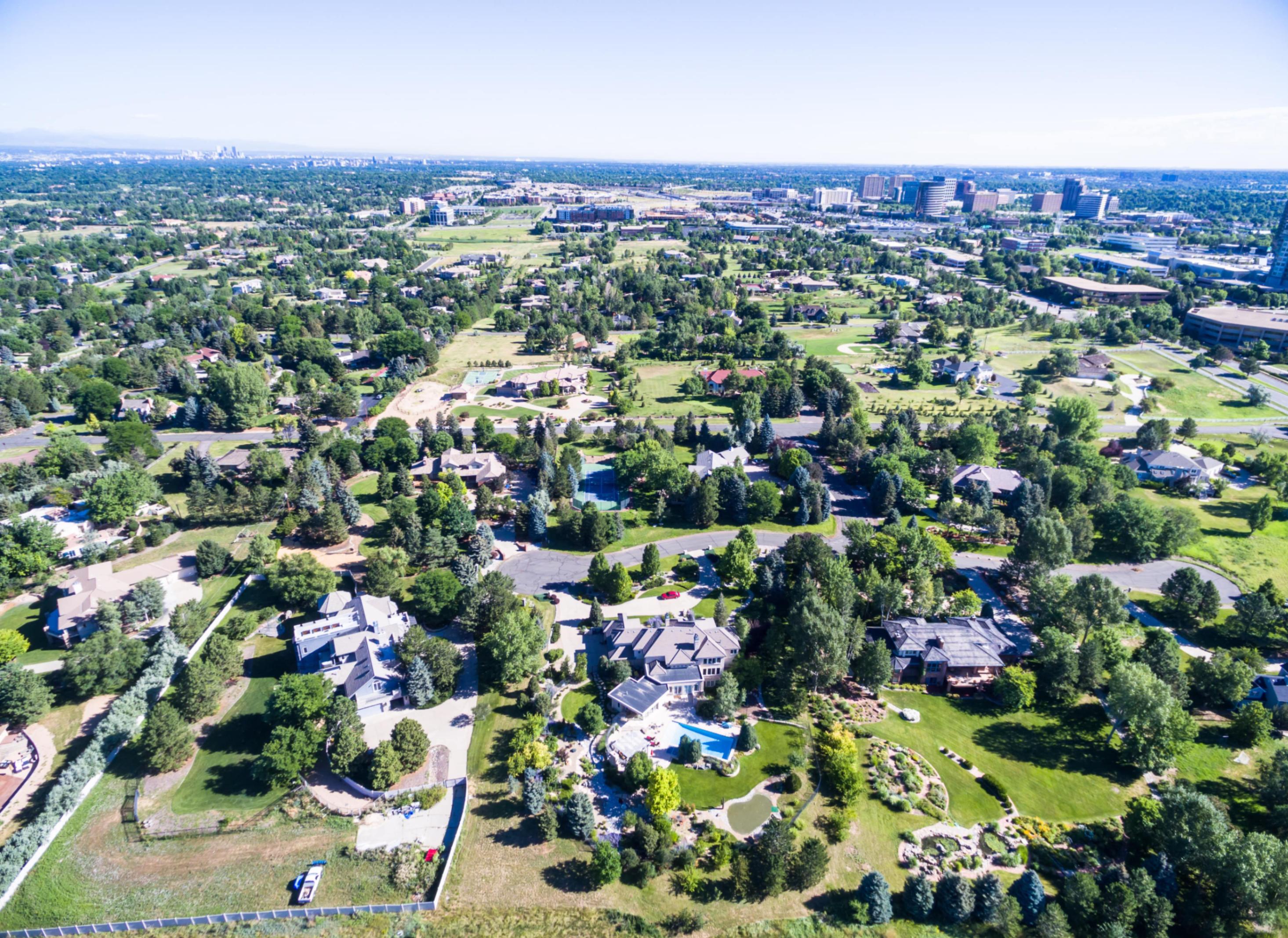
Nestled just south of Denver, Cherry Hills Village in Colorado is a picture of tranquil prosperity. This suburb is defined by its spacious properties, mature trees, and a quietly affluent community. The real estate market here is robust, with a median property value holding steady at an impressive $2 million, a figure 6.59 times the national average.
The financial strength of its residents is equally remarkable. The median household income in Cherry Hills Village is $250,001, the highest level measured in census reports. This economic stability is reflected in the community's high homeownership rate of 97.8% and extremely low poverty rate of just 1.43%. High property taxes support pristine public services, further enhancing its appeal to high-income families.
- Median Property Value: A staggering $2 million.
- Median Household Income: Capped at the top census bracket of $250,001.
4. Palm Beach, Florida – Luxury Living & Wealth Indicators
When you think of luxury living, Palm Beach, Florida, immediately comes to mind. This island town is a world-renowned haven for the ultra-wealthy, known for its opulent oceanfront estates and exclusive lifestyle. The wealth indicators here go beyond just income; they include legacy estates, high-end shopping on Worth Avenue, and a culture of philanthropy and leisure.
The home value in Palm Beach is among the highest in the country, with properties regularly selling for tens of millions of dollars. While average home prices are sky-high, the median household income also reflects a community of significant means. The combination of a beautiful climate, privacy, and unparalleled luxury makes it a perennial favorite for America's elite.
- Unmatched Luxury: Home to some of the most expensive and luxurious real estate in the world.
- Exclusive Lifestyle: Offers premier golf courses, private clubs, and high-end cultural institutions.
5. Los Altos Hills, California – Average Home Cost & Income
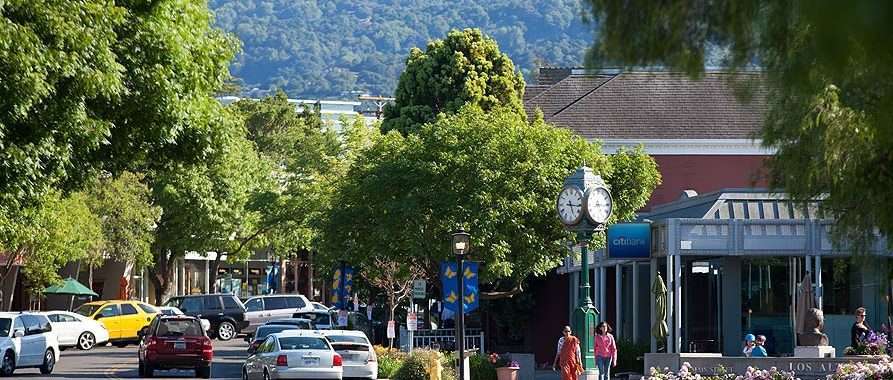
Los Altos Hills offers another glimpse into the immense wealth of Silicon Valley. This California town prioritizes a rural, residential character with its lack of commercial zoning and its requirement for large lot sizes. This exclusivity directly fuels its high home value, with the median property sitting at $2 million.
The average household income is just as lofty, with the median recorded at $250,001. This prosperity is driven by the town's proximity to major tech companies, as "Professional, Scientific, & Technical Services" is the largest employment industry for its residents. A high homeownership rate of 95% and significant property taxes contribute to the town's well-maintained infrastructure and high quality of life.
- Median Home Value: A formidable $2 million.
- Average Household Income: The median income is $250,001, reflecting the area's economic power.
Factors Driving Suburban Wealth in America
What transforms a typical suburb into one of the nation's wealthiest enclaves? It’s a combination of several powerful economic and social factors. High household income is the foundational element, but it's the interplay of property value, community features, and economic opportunity that creates such concentrated affluence. These elements create a cycle where wealth attracts more wealth.
In the following sections, we will examine the key drivers that elevate certain suburbs to the top of the wealth rankings. From exceptional real estate values to sought-after school districts and exclusive amenities, you'll see how these factors work together to shape America's most prosperous communities.
High Median Household Income
The most direct indicator of a wealthy suburb is its median household income. In America's most affluent communities, this figure is not just high—it's often in a completely different stratosphere. For example, in top-tier suburbs like Los Altos Hills, CA, and Cherry Hills Village, CO, the median household income is $250,001.
This number is significant because it represents the highest bracket reported by the U.S. Census Bureau, meaning the actual average household income is likely even higher. This level of earning power is concentrated in areas with access to high-paying jobs, particularly in sectors like finance, technology, and corporate management.
A high median household income is the engine that powers the local economy. It enables residents to afford multi-million dollar homes, pay high property taxes that fund excellent public services, and support a market for luxury goods and amenities, all of which reinforce the suburb's exclusive status.
Exceptional Real Estate Values
In wealthy suburbs, real estate is more than just housing; it's a primary symbol of status and a significant store of wealth. Exceptional home value is a defining characteristic of these communities. The median property value in places like Cherry Hills Village and Los Altos Hills stands at $2 million.
This figure is over six times the national average, highlighting the immense demand and limited supply in these markets. High property value is often protected by strict zoning laws, large minimum lot sizes, and a community-wide commitment to maintaining aesthetic standards. These factors ensure that the real estate market remains strong and exclusive.
Ultimately, the high cost of entry acts as a gatekeeper, preserving the neighborhood's character and financial profile. For residents, their home is not only a place to live but also a substantial asset that appreciates within a stable, high-demand market.
Sought-After School Districts
For many high-income families, the quality of the local school district is a top priority when choosing a place to live. The wealthiest suburbs are almost always synonymous with top-performing public and private schools. These institutions are known for their academic rigor, extensive extracurricular programs, and impressive records of sending graduates to elite universities.
While direct school rankings aren't in our census data, the emphasis on education is clear. For instance, in Los Altos Hills, "Educational Services" is one of the top three employment industries. Furthermore, the presence of Foothill College, which awarded over 1,700 degrees in 2023, shows a strong local focus on higher education.
A sought-after high school can significantly boost property values in its surrounding area. Families are willing to pay a premium to ensure their children have access to the best educational opportunities, which contributes to the suburb's overall desirability and affluence.
Exclusive Amenities and Services
Life in a wealthy suburb comes with access to a host of exclusive amenities and high-quality services that contribute to an exceptional quality of life. These communities are designed to provide comfort, convenience, and security, ensuring that residents' needs are met within their own neighborhoods. This includes everything from pristine parks and recreational facilities to private clubs and cultural venues.
A key aspect of this is outstanding healthcare access. For example, in Los Altos Hills, 99.8% of the population has health coverage, which is significantly higher than the national average. The data for California and Colorado also highlights excellent access to primary care physicians, dentists, and mental health providers, indicating a strong local health infrastructure.
These amenities are a major draw for affluent buyers.
- Comprehensive Health Coverage: Residents enjoy nearly universal health coverage through robust employee plans and private insurance.
- Recreational Opportunities: Access to golf courses, tennis clubs, and extensive trail systems is common.
- Privacy and Security: Many suburbs offer gated communities and private security patrols.
Trends Among Fast-Growing Wealthy Suburbs
The landscape of suburban wealth is not static. While established wealthy suburbs maintain their prestige, new trends are shaping where affluence is growing. Migration patterns are shifting as high-income families seek new opportunities, different lifestyles, or more value for their money. The rise of remote work has also allowed wealthy professionals to move farther from traditional urban centers.
These shifts are creating emerging hotspots of wealth across the country. In the sections that follow, we'll explore these trends, including the migration patterns of high-income households and the powerful impact that the tech and finance industries have on creating new, prosperous suburbs.
Emerging Suburban Hotspots
While traditional wealthy suburbs in California and New York remain dominant, new hotspots of affluence are emerging across the United States. These areas are often located in states with growing economies, favorable tax laws, and a desirable quality of life. They attract high-income earners who are looking for new opportunities outside of the most established, high-cost markets.
What defines an emerging hotspot? Key indicators from census data include rapid growth in median household income and a sharp increase in home value. These suburbs often see an influx of professionals in high-paying fields, which in turn boosts the local economy and drives up demand for housing and upscale amenities.
These developing wealthy suburbs represent the changing face of American prosperity. While they may not yet have the legacy of places like Scarsdale or Atherton, their rapid growth and increasing concentration of wealth mark them as the exclusive communities of the future.
Migration Patterns of High-Income Families
The movement of people is a powerful force in shaping the economic identity of a suburb, and migration patterns among high-income families are particularly impactful. Affluent households often relocate for career opportunities, lifestyle changes, or to be closer to family. Today, we see both domestic and international migration contributing to the character of wealthy suburbs.
For example, international migration plays a significant role in Silicon Valley. In Los Altos Hills, 35.7% of residents were born outside of the United States. The most common natal country for foreign-born residents in California is Mexico, followed by the Philippines and China, showcasing the global talent pool that fuels the tech economy.
- Domestic Migration: High-income households may move from high-tax states to those with more favorable financial climates.
- International Migration: Wealthy suburbs near tech and finance hubs attract a significant number of workers from around the world, diversifying the community.
Impact of Tech and Finance Industries
The tech and finance industries are powerful engines of wealth creation, and their influence is profoundly felt in the suburbs where their top employees live. The high salaries, bonuses, and stock options common in these sectors fuel an extraordinary level of household income, directly shaping the local real estate market and economy.
In Los Altos Hills, the impact of tech industries is undeniable, with "Professional, Scientific, & Technical Services" and "Manufacturing" being the top two employment sectors. Similarly, in Cherry Hills Village, "Finance & Insurance" is the largest industry. The most common job group in both suburbs is "Management Occupations," reflecting a population of high-level executives and professionals.
- High-Paying Jobs: These industries offer some of the best median earnings, with many professionals in finance and information earning over $250,001.
- Economic Concentration: The presence of these sectors creates a concentrated ecosystem of wealth that supports high property values and exclusive local services.
Wealthiest Suburbs by Household Income
One of the clearest ways to identify the wealthiest suburbs is by looking directly at household income. This metric cuts through lifestyle perceptions and gets straight to the financial facts. The U.S. Census Bureau provides detailed data on earnings, allowing for a direct comparison of the median income in communities across the country.
When you analyze this census data, a distinct pattern emerges. The suburbs with the highest incomes are home to a significant number of households earning well into the six figures, with many exceeding the top reportable income bracket. Let's examine the suburbs with the highest median earnings and compare their income levels.
Suburbs with Highest Median Household Earnings
The suburbs that top the charts for wealth share an incredible level of earning power. According to the census bureau, the most affluent communities consistently report a median household income that pushes the limits of standard reporting, highlighting their extraordinary economic status.
For instance, both Los Altos Hills, California, and Cherry Hills Village, Colorado, report the same top-tier median household income. This figure is a strong indicator of the concentration of high-paying jobs and accumulated wealth in these areas. This income level supports their high property value and exclusive lifestyles.
Here is a look at the income and household data for these two leading suburbs:
- Median Household Income:
- Los Altos Hills, CA: $250,001
- Cherry Hills Village, CO: $250,001
- Number of Households:
- Los Altos Hills, CA: 3,030
- Cherry Hills Village, CO: 2,230
- Median Property Value:
- Los Altos Hills, CA: $2,000,000
- Cherry Hills Village, CO: $2,000,000
Comparison of Income Levels Across Top Suburbs
When you compare income levels across the nation's top suburbs, you find a remarkable consistency at the very top. Many of the wealthiest communities, including Los Altos Hills and Cherry Hills Village, share a median household income of $250,001. This is because it's the highest value tracked in many standard census datasets, suggesting the actual average household income is even higher.
However, income distribution within these suburbs can vary. The GINI index, a measure of income inequality, provides more insight. In 2023, the GINI for California (0.495) was higher than the national average, indicating less-even wage distribution. In contrast, Colorado's GINI (0.462) was lower, suggesting wages are distributed more evenly than in the nation as a whole.
- Top-Bracket Incomes: The most elite suburbs consistently hit the maximum reportable median income.
- Income Distribution: While median incomes are similar, the level of income inequality can differ from state to state.
Income Growth Over Recent Years
Analyzing income growth provides a dynamic look at a suburb's economic health. In many fast-growing areas, you might see a steady increase in household income year over year. However, in the most established wealthy suburbs, the pattern can look different.
According to census data, the median household income in both Los Altos Hills and Cherry Hills Village showed 0% income growth between the previous year and 2023, remaining stable at $250,001. Does this indicate economic stagnation? Not at all.
This stability at the highest reportable figure suggests that these communities have already reached a peak level of affluence that is sustained year after year. Rather than showing growth, the data reflects a consistent and deeply entrenched economic prosperity that doesn't waver, solidifying their status as perennially wealthy enclaves.
How Home Values Shape Suburban Rankings
While income is a crucial measure of wealth, home value is arguably the most visible and defining characteristic of an expensive suburb. The price of real estate is a powerful factor in suburban rankings, often serving as the primary barrier to entry and a clear indicator of a community's desirability and prestige.
Extraordinarily high property value reflects immense demand, limited housing stock, and a location's unique appeal. By examining census data on home prices, appreciation rates, and housing supply, we can understand how real estate fundamentally shapes the hierarchy of America's wealthy suburbs.
Average Home Prices in Leading Suburbs
The average home price in a leading suburb is worlds apart from the national average. In these exclusive communities, a multi-million dollar price tag is the norm, not the exception. This is a direct reflection of the intense competition for property in the most desirable locations in the United States.
In elite suburbs like Los Altos Hills, CA, and Cherry Hills Village, CO, the median home value is a staggering $2 million. This benchmark places them in the highest tier of residential real estate markets nationwide. This value is sustained by the high incomes of residents and a powerful demand for the quality of life these areas offer.
Here’s a comparison of the housing metrics in these wealthy suburbs:
- Median Home Value:
- Los Altos Hills, CA: $2,000,000
- Cherry Hills Village, CO: $2,000,000
- Homeownership Rate:
- Los Altos Hills, CA: 95%
- Cherry Hills Village, CO: 97.8%
- Median Property Taxes:
- Los Altos Hills, CA: $2,876
- Cherry Hills Village, CO: $2,179
Price Trends and Appreciation Rates
In the world of luxury real estate, stability is often as valued as rapid growth. Price trends in the most expensive suburbs tend to show resilience and steady long-term appreciation rather than volatile swings. This makes owning a home in these areas a relatively secure, high-value investment.
According to the census bureau, the median property value in both Los Altos Hills and Cherry Hills Village saw a 0% change between 2022 and 2023, holding firm at $2 million. This doesn't signal a weak market; instead, it points to a mature, stable market that has reached a very high and sustainable plateau.
- Market Stability: The wealthiest suburbs often have real estate markets that are less susceptible to national downturns.
- Sustained Value: A 0% change at a $2 million valuation indicates that the market is maintaining its peak value, a sign of enduring desirability.
Role of Limited Housing Supply
A fundamental principle of economics is that scarcity drives up value, and this is certainly true for real estate in America's wealthiest suburbs. A limited supply of housing units is a key factor that keeps property value exceptionally high. These communities are often fully developed, with little to no land available for new construction.
This scarcity is frequently by design. Many exclusive suburbs enforce strict zoning regulations, such as large minimum lot sizes, that prevent dense development and preserve a spacious, rural character. For example, Los Altos Hills is known for its residential-only zoning, which helps maintain its low housing density and high home value.
The result is a highly competitive market where more high-income buyers are vying for fewer available homes. With incredibly high homeownership rates—95% in Los Altos Hills and 97.8% in Cherry Hills Village—the number of housing units that come up for sale is minimal, ensuring that prices remain elevated.
What Makes These Suburbs So Expensive?
So, what is the ultimate recipe for creating one of the wealthiest suburbs? It's not just one single factor but a powerful combination of location, community, and economic strength. These elements work in concert to create a feedback loop where high home value and desirability are constantly reinforced.
The extreme property value is a result of a perfect storm: proximity to major job markets, an exceptional quality of life, and a robust local economy. In the following sections, we will break down these core components to provide a clear answer to what makes these suburbs so expensive.
Proximity to Major Cities
One of the most significant factors driving the cost of top suburbs is their proximity to major metropolitan centers. Places like Scarsdale benefit from a direct line to New York City, while Los Altos Hills is right next door to the tech giants of Silicon Valley and San Francisco. This allows residents to access high-paying jobs, world-class culture, and international airports while living in a more peaceful, spacious environment.
This convenience comes at a premium. The ability to have a short commute time is a luxury that many are willing to pay for. For instance, residents of Cherry Hills Village have an average commute time of just 21 minutes, which is shorter than the normal U.S. worker.
In Los Altos Hills, the average commute is slightly longer at 27.7 minutes, but a remarkable 42.9% of workers worked from home in 2023, highlighting the flexibility that comes with employment in the nearby tech sector. This ideal balance of access and seclusion is a cornerstone of suburban affluence.
Quality of Life and Community Features
An exceptional quality of life is not just a byproduct of wealth; it's a key reason why these suburbs are so expensive. Affluent families are drawn to communities that offer safety, beauty, and a wide array of amenities that enhance daily living. This includes everything from well-maintained parks and public spaces to low crime rates and a strong sense of community.
These suburbs are designed for an idyllic lifestyle. The short average commute time means residents spend less time in traffic and more time with their families or enjoying recreational activities. Additionally, the presence of a top-tier high school and other educational institutions makes these areas magnets for families who prioritize academic excellence.
- Safety and Serenity: Low population density and low poverty rates (like the 1.43% rate in Cherry Hills Village) contribute to a secure and peaceful environment.
- Convenience and Comfort: Access to premium amenities, healthcare, and recreational facilities ensures a high standard of living.
Local Economic Strength
A strong, localized economy is the bedrock of a wealthy suburb. This economic strength is built on a foundation of high-paying jobs and thriving industries. The main employment sectors in these areas are typically recession-resistant and high-growth, such as finance, technology, healthcare, and professional services.
This concentration of lucrative professions creates a highly skilled and well-compensated workforce. For instance, "Management Occupations" is the most common job category for residents in both Los Altos Hills and Cherry Hills Village. The high incomes generated from these jobs pour back into the community through consumer spending and property taxes, funding excellent public services and infrastructure.
- High-Value Employment: The economies are dominated by finance sectors and tech industries, which provide high-paying, stable jobs.
- Robust Tax Base: High property taxes paid by residents ensure that the community remains well-funded, clean, and desirable, further boosting economic strength.
Conclusion
In summary, exploring the most expensive suburbs in the USA reveals not only the staggering home values and household incomes but also the lifestyle and amenities that contribute to their allure. These affluent communities are characterized by exceptional real estate prices, highly sought-after school districts, and a wealth of exclusive services. The trends indicate that high-income families are increasingly gravitating towards these areas, driven by factors like job opportunities and quality of life. Understanding these dynamics is essential for anyone interested in the real estate market or looking to relocate to a more prosperous environment. If you're considering a move or want to learn more about luxury living, feel free to reach out and get started on your journey!
Frequently Asked Questions
Is Scarsdale, New York still considered the wealthiest suburb in America?
While Scarsdale, New York, remains one of the nation's iconic wealthy suburbs, it faces stiff competition. According to recent census data, suburbs in California like Atherton and Los Altos Hills often post a higher median income and home value, placing them at the very top of the list.
What is the average cost of a home in the most expensive suburb in America?
In America's most expensive suburbs, the average home price is exceptionally high. For example, in Los Altos Hills, a top suburb near San Francisco, the median home value is $2 million, according to census bureau data. This reflects the intense demand and high household income in the area.
Where can I find a map showing the wealthiest suburbs in the USA?
To find a map of the wealthiest suburbs, you can use online tools from major business publications or real estate websites that visualize this information. For raw data, the U.S. Census Bureau's American Community Survey provides detailed census data on income, property value, and number of households across the United States.