Key Highlights
- Victorian architecture flourished during Queen Victoria’s reign (1837-1901), a time of significant industrial progress.
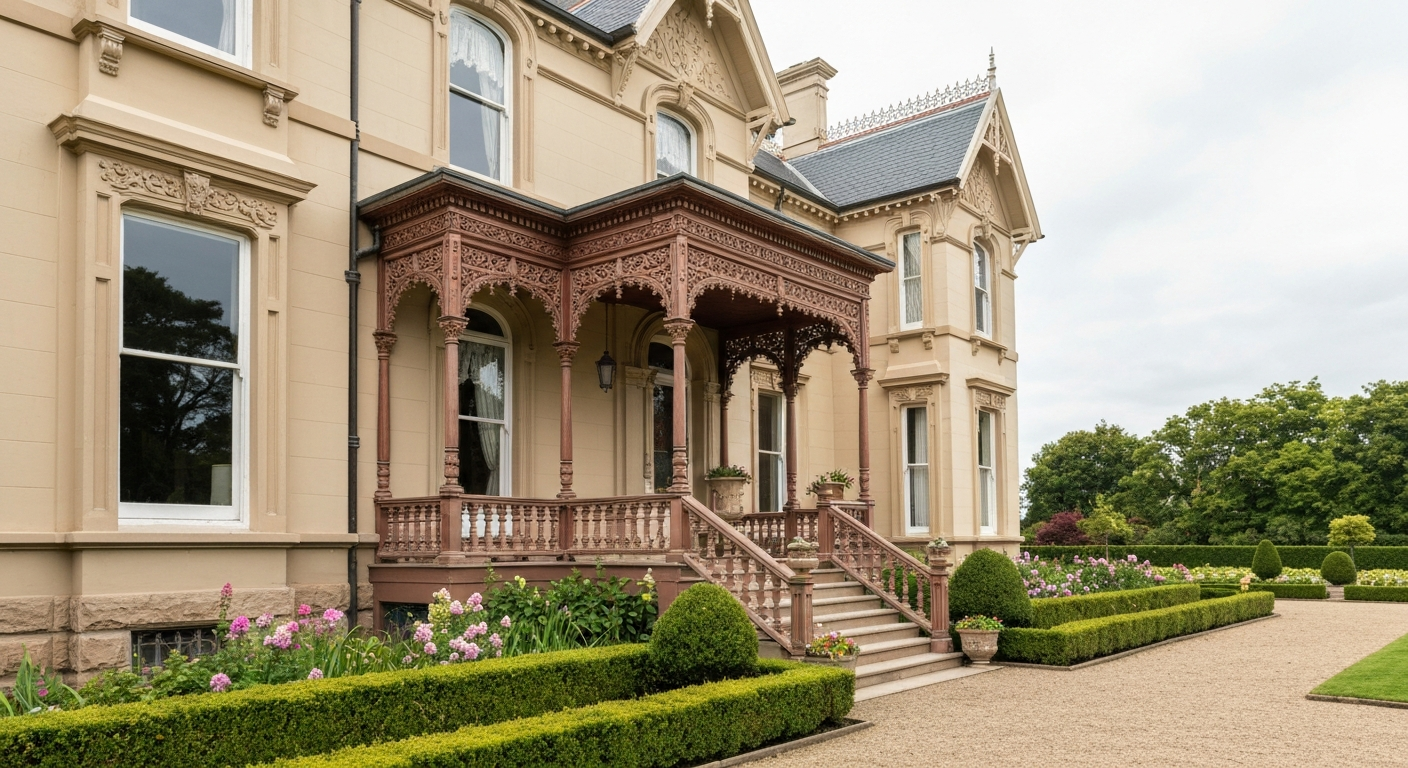
- A Victorian home is easily recognizable by its steep, complex rooflines, turrets, and large, decorative porches.
- Intricate details like gingerbread trim, ornate hardware, and stained glass windows give the Victorian style its unique character.
- The Victorian house isn't a single style but a collection of substyles, including Queen Anne, Gothic Revival, and Italianate.
- Interiors often feature high ceilings, bold wallpaper, and grand fireplaces that act as focal points.
Introduction
If you dream of living in a home with splendor and grandeur, the Victorian style might be perfect for you. Born from the long and prosperous Victorian era under Queen Victoria, this architectural movement created some of the most recognizable and beloved homes. A Victorian home is more than just a house; it’s a statement of elegance and intricate beauty. This style continues to capture attention with dramatic shapes and dressy embellishments that feel both historic and timeless.
Defining Victorian Design: Historical Context and Influence
The Victorian era, spanning Queen Victoria’s reign from 1837 to 1901, was a period of immense change. The Industrial Revolution and the growth of the British Empire brought new wealth and building technologies, allowing people to construct more elaborate homes than ever before. This boom in the 19th century gave rise to the iconic Victorian home.
You can often identify a Victorian house from the outside by its dramatic and ornate appearance. Look for tall structures, often two or three stories, with steeply pitched roofs, decorative trim along the eaves, and prominent porches. These features were designed to showcase prosperity and an eye for detailed craftsmanship.
Origins of the Victorian Architectural Movement

The story of Victorian architecture is deeply connected to the influence of Queen Victoria and the economic power of the 19th-century British Empire. As new manufacturing techniques emerged, building materials became more accessible, and homeowners were eager to display their newfound status. This led to a departure from simpler, more symmetrical styles toward something much more expressive and grand.
This movement wasn't about one single look. Instead, it was a creative explosion resulting in various distinct styles under the Victorian umbrella. Architects and builders borrowed ideas from different historical periods, creating a rich and diverse architectural landscape. From Gothic Revival to Italianate, each style offered a unique interpretation of Victorian ideals.
If you're inspired by this historical elegance, you can find authentic Victorian home plans and blueprints from specialized designers and architectural archives. Many resources today offer gorgeous, buildable plans that capture the classic splendor of the era while being suited for contemporary life, making it possible for you to create your own piece of history.
Cultural and Social Trends Shaping Victorian Style
Social trends of the time heavily influenced the Victorian style, with a growing middle class eager to show off its wealth. The Industrial Revolution made it possible to mass-produce complex decorative elements that were previously handcrafted and expensive. A Victorian house became a canvas for demonstrating taste and social standing.
This desire for ornamentation is why Victorian homes are so rich in detail. Every part of the house, from the roofline to the porch railings, was an opportunity for decoration. Typical decorative details include intricate gingerbread trim, patterned shingles, and ornate brackets under the eaves. This "more is more" philosophy was a hallmark of the turn of the century.
The interior of a Victorian house was just as important as the exterior. Formally defined rooms for entertaining, dining, and family life reflected the structured social etiquette of the era. These homes were designed for hosting formal parties and showcasing fine furniture, art, and decor.
Key Architectural Features of Victorian Homes
One of the most defining characteristics of Victorian architecture is its dramatic and irregular shape. You'll rarely find a simple, boxy Victorian house. Instead, they grab attention with complex roof lines, including steep, multi-faceted, and gabled roofs that add height and create a commanding presence on the street.
Key architectural features also include prominent turrets, which are small towers that often rise through multiple stories and are topped with their own pointed roofs. Large windows, such as double-hung sash windows and projecting bay windows, are also common. These features not only add to the home's unique curb appeal but also flood the interior rooms with natural light.
Facades, Rooflines, and Structural Elements
When trying to identify a Victorian house from its exterior, the facade and roof are your biggest clues. Victorian house architecture is known for its verticality and complexity. The structures are often tall, typically two or three stories, and their height is further emphasized by steeply pitched rooflines.
These roofs are rarely simple. They often feature a combination of gabled roofs, hipped sections, and other intersecting planes that create a visually dynamic silhouette. A common structural element is the turret, an octagonal or round tower that adds a castle-like quality and provides bright, interesting rooms inside. High ceilings on the interior also contribute to the overall feeling of grand, vertical space.
To spot a Victorian design, look for these elements:
- Asymmetrical facades with a mix of shapes and materials.
- Steeply pitched gabled roofs.
- Round or octagonal turrets.
- Elaborate decorative woodwork and trim.
Porches, Windows, and Ornamentation Details
The charm of Victorian style homes is truly in the details. Porches are a signature feature, often wrapping around one or more sides of the house. These aren't just simple stoops; they are elaborate outdoor living spaces with decorative columns, spindles, and brackets. The most iconic ornamentation is the lacy, intricate woodwork known as gingerbread trim, which adorns the eaves and porch railings.
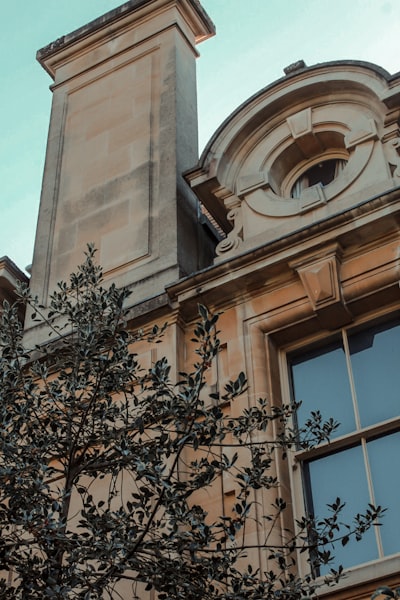
Windows also play a key role in the home's decorative scheme. Large bay windows that jut out from the main walls are a common sight, creating cozy nooks inside and adding dimension to the exterior. Classic sash windows are also prevalent, sometimes featuring decorative glass or intricate patterns in the upper portion.
These ornamental touches are what give Victorian homes their "dressy" and elaborate feel. From brightly colored paint schemes that highlight the different textures and trims to complex traditional hardware on doors, every element was chosen to add another layer of visual interest and complexity to the overall design.
Distinctive Victorian Interior Design Elements
Step inside a Victorian home, and the grandeur continues. The interior design is just as ornate as the exterior, characterized by tall ceilings, rich materials, and an abundance of decorative elements. Rooms were traditionally defined for specific purposes, such as formal living rooms, dining rooms, and libraries, creating a perfect layout for formal entertaining.
While classic Victorian interiors were filled with dark woods and heavy fabrics, many modern adaptations embrace a lighter feel. It's common to see historic homes updated with open floor plan elements where appropriate, connecting kitchens and family rooms for a more casual lifestyle. However, core features like bold wallpaper, intricate moldings, and focal-point fireplaces remain popular.
Flooring, Ceilings, and Wall Treatments
The surfaces within Victorian house styles were designed to be just as decorative as the furniture. Flooring was often made of polished wood, sometimes laid in intricate parquet patterns. In more functional areas like entryways and kitchens, patterned tiles were a popular and durable choice, adding color and texture from the ground up.
High ceilings are a hallmark of the style, creating a sense of openness and vertical space. These ceilings were rarely left plain; many featured ornate plasterwork, medallions around light fixtures, or even pressed tin panels. For wall treatments, bold wallpaper with large-scale floral, damask, or geometric patterns was extremely common, often paired with a wooden dado rail on the lower portion of the wall.
Updating these historic homes for modern living is certainly possible. While original single-pane windows and a lack of insulation can make them less energy-efficient, upgrades to windows, insulation, and HVAC systems can make a significant difference. Modern builders creating new Victorian-style homes can easily incorporate today's energy-efficiency standards from the start.
Decorative Moldings, Fireplaces, and Fixtures
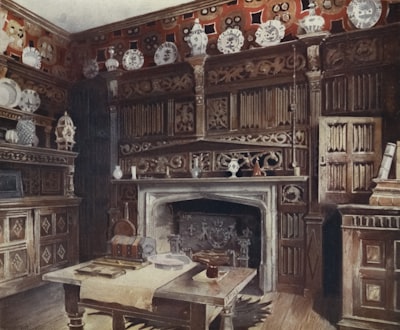
Decorative moldings are another key feature of Victorian interiors. Elaborate crown molding, deep baseboards, and detailed window and door casings were used to frame rooms and add a sense of substance and luxury. These elements helped to break up the tall walls and draw the eye upward toward the high ceilings.
The fireplace was the heart of the Victorian room, serving as both a primary heat source and a magnificent focal point. Fireplace surrounds were often grand, made of carved wood, marble, or cast iron, and topped with an ornate mantelpiece for displaying clocks, vases, and other treasures. Light fixtures were equally decorative, evolving from gas-lit chandeliers to early electric fixtures with elaborate brass and glass designs.
Victorian home plans encompass a wide range of substyles, each with its own unique characteristics. If you're looking for blueprints, understanding these differences can help you find the perfect design.
- Victorian Substyle: Queen Anne
Key Features: Asymmetrical shape, wraparound porch, turrets, and varied textures - Victorian Substyle: Italianate
Key Features: Low-pitched roof with wide eaves and decorative brackets, tall narrow windows - Victorian Substyle: Gothic Revival
Key Features: Pointed arches, steep gables, and decorative tracery on windows - Victorian Substyle: Richardsonian Romanesque
Key Features: Massive stone or brick construction, rounded arches, and a heavy, solid appearance
Conclusion
In conclusion, Victorian design is a captivating blend of style and grandeur that reflects the cultural richness of its era. From intricate architectural features to lavish interior details, each element tells a story of elegance and craftsmanship. Whether you are drawn to the ornate facades or the cozy interiors, embracing Victorian aesthetics can transform any space into a work of art. As you explore this timeless design, consider how you can infuse a touch of Victorian charm into your own home. If you have any questions about incorporating these elements or need personalized advice, feel free to reach out!