Key Highlights
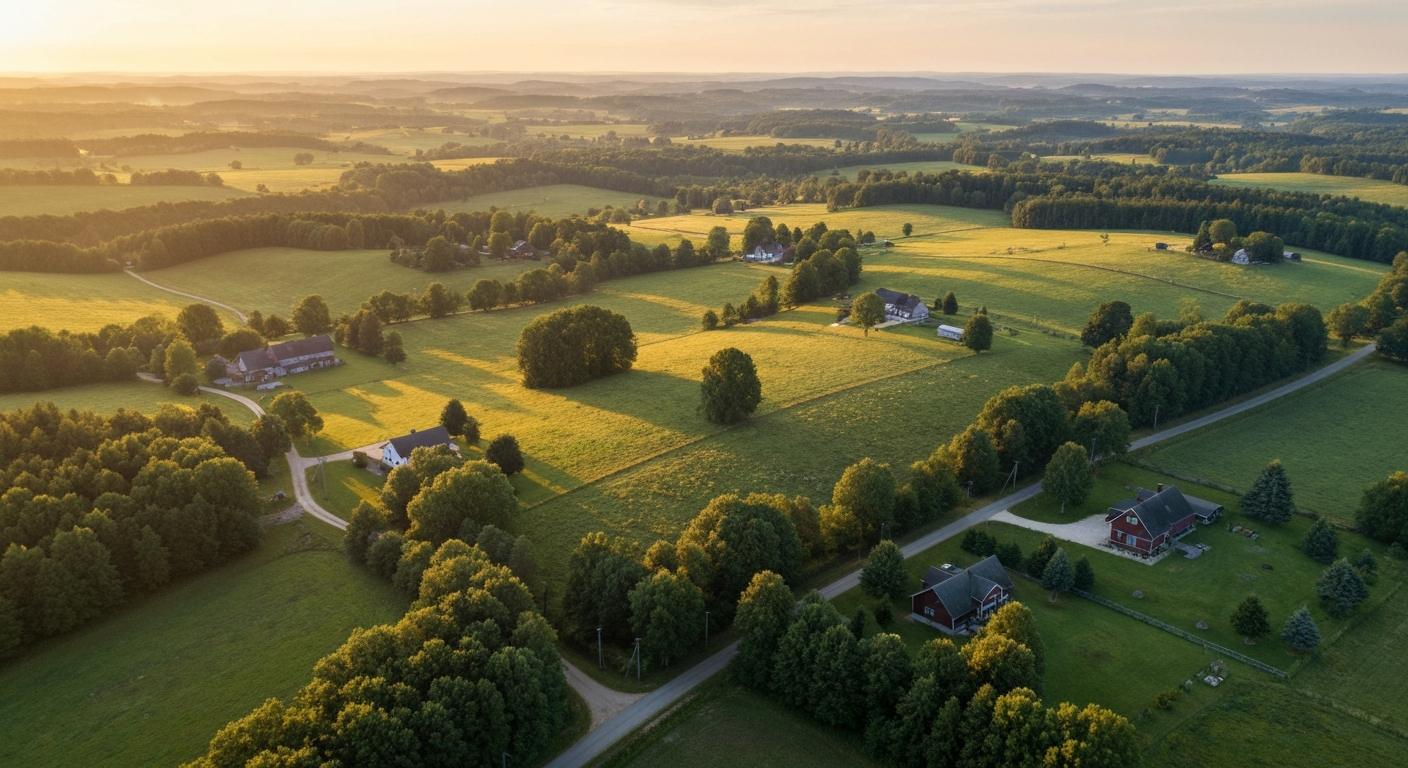
- The rural property market is experiencing significant changes, with rising land value driven by new current trends.
- Remote work and lifestyle shifts are fueling a migration from urban centers to rural areas.
- High demand and low inventory are keeping prices for rural properties firm across many regions.
- The value of rural land is determined by location, access, water rights, and existing improvements.
- Popular types of rural properties include homes, cabins, farmland, and recreational land for investment.
Introduction
Are you thinking about a move to the countryside? The rural property market is more dynamic than ever before. An increasing number of people are looking outside city limits for a new way of life, creating fresh demand for rural land in many parts of the United States. This significant shift is reshaping the market in rural areas. Whether you are looking to buy, sell, or just stay informed, understanding these changes is crucial for navigating the current landscape.
Current Trends Shaping the Rural Property Market in the United States
Several powerful forces are currently defining the market trends in rural real estate. The ability to work from home has opened up new possibilities for where people can live, making rural areas more attractive than ever. This migration is transforming rural communities across the nation.
These shifts, combined with economic factors, are creating a unique and constantly changing environment for rural property. The following sections will explore how remote work, population movements, and evolving buyer desires are making their mark on the market.
The Impact of Remote Work and Lifestyle Changes

The rise of remote work has completely transformed the real estate market. Since you are no longer tied to a physical office, you have the freedom to choose a location that offers a better quality of life. This flexibility has sparked a major increase in the popularity of rural living.
This trend is driven by a desire for more space, a deeper connection with nature, and a slower-paced lifestyle. Many buyers are discovering they can get more for their money compared to expensive city markets. These profound lifestyle changes are a primary factor contributing to the increased demand for rural housing since the pandemic.
The newfound ability to work from anywhere has bolstered rural property markets. People are actively seeking larger homes and more land for recreation, all while enjoying a lower cost of living, which has become a key motivation for moving away from urban centers.
Population Shifts and Urban-to-Rural Migration
The pandemic significantly sped up a migration trend from densely populated urban areas to the wide-open spaces of rural America. This population growth in the countryside is reshaping local market trends and making rural real estate more popular than ever before.
Many people, especially millennials, are leaving cities for suburbs and rural counties in search of affordability and a different kind of lifestyle. For example, Texas saw a huge influx of new residents from other states in recent years, demonstrating the large scale of this migration. This movement away from high population density areas directly fuels demand for homes and land in rural communities.
This urban-to-rural shift places new pressures on the housing supply in what were once quiet communities. As more people move in, it influences everything from local infrastructure needs to property prices, making it one of the most significant developments in the modern real estate market.
Changing Buyer Motivations Post-Pandemic
The motivations of buyers in the rural market have evolved. It is no longer just about finding a house; it is about securing a specific rural lifestyle. Buyers are increasingly looking for properties that offer privacy, room for hobbies, and a connection to the outdoors.
This change in what buyers want has a direct effect on land prices. Properties with desirable features like scenic views or recreational potential are in high demand. Buyers are often willing to pay more for land that meets their lifestyle goals, whether for a small farm, a weekend retreat, or a permanent home away from the city.
This high demand, another key factor behind the increased interest in rural housing, is meeting a limited housing supply. The combination of a quieter living environment, more land for personal use, and greater affordability compared to urban markets continues to drive interest in rural communities.
Popular Types of Rural Properties Available for Sale
The rural property market offers a diverse range of options to suit nearly any need or budget. From sprawling working ranches to quiet weekend getaways, the variety is vast. The value of agricultural land can differ greatly from recreational land, depending on the region and specific features.
Whether you are looking for a large tract of land for farming or a small cabin in the woods, the market in rural areas has something for you. Let's explore some of the most common types of rural properties you can find for sale.
Homes, Cabins, and Homesteads
For those looking to make a permanent move to the country, single-family rural homes with some acreage are a very popular choice. These properties offer the comfort of a modern house combined with the peace and space of a rural setting. You can often find these homes in small communities or on individual lots outside of town.
The growing demand for this lifestyle has pushed up property values in many rural counties. As more people seek a change of pace, the appeal of using a country house as a primary residence continues to grow, influencing land prices in the process.
Cabins are another highly sought-after property type, especially for those looking for weekend getaways or vacation rentals. From rustic log structures to modern homesteads, these smaller homes provide an accessible way to enjoy the benefits of rural landownership without the commitment of a large farm or ranch.
Farmland, Ranches, and Timberland
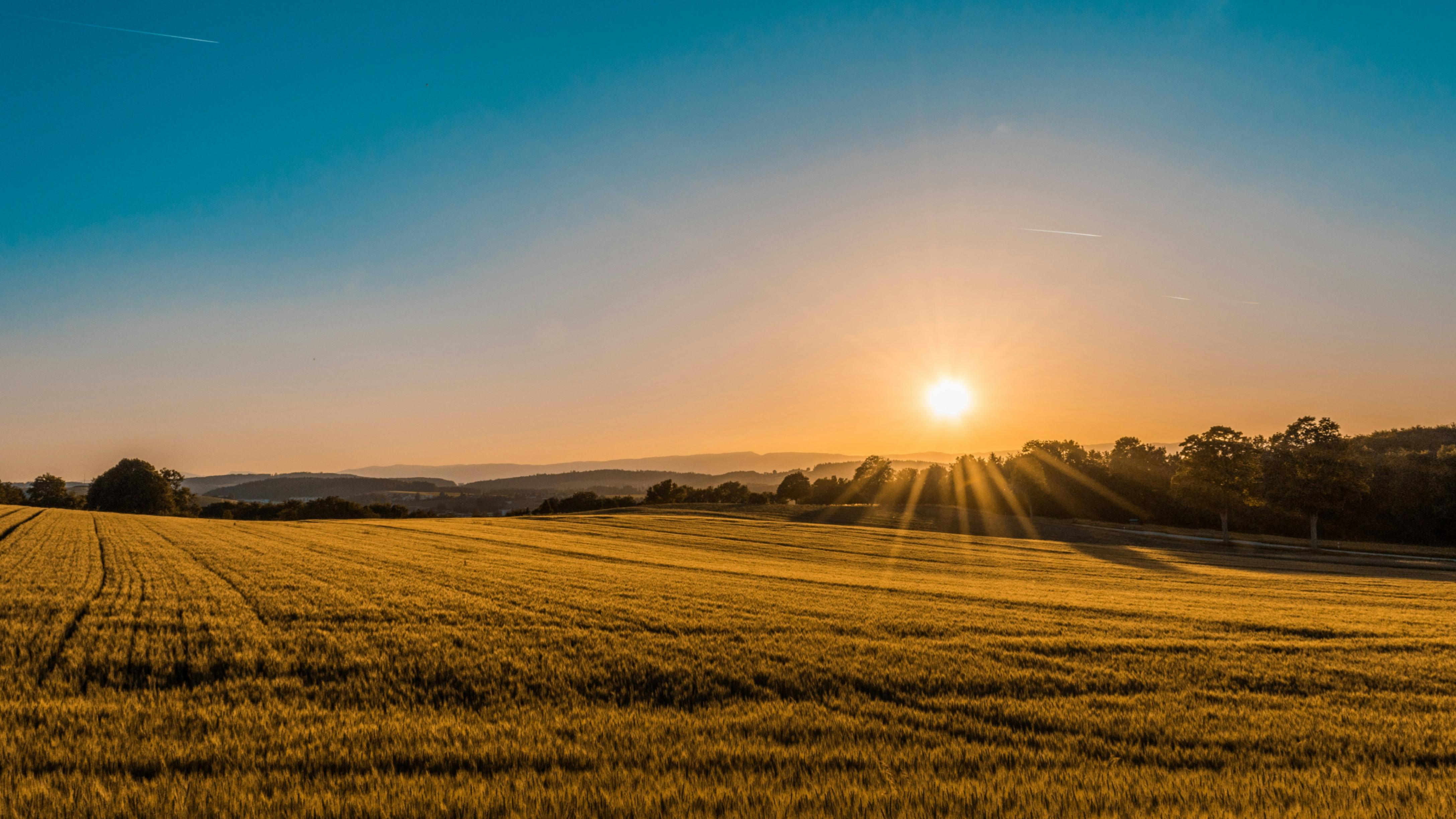
Ranches remain a cornerstone of the rural land market. You can find everything from huge cattle operations to smaller "ranchettes" perfect for a family retreat. These properties often appeal to those interested in livestock, hunting, or simply owning a large piece of land.
Agricultural land, including cropland and pasture, is another major category. The value of this land is a key driver in the market; as farmland value increases, it often signals broader strength in the rural economy. While some regions have lower prices, they can offer an accessible entry point for those wanting to start a farming operation.
Timberland is also a significant part of the rural market. The value of this land depends on several factors that go beyond just the trees themselves. Key considerations for timberland include:
- Species, size, and quality of the timber
- How recently the property was logged
- Overall site conditions and management practices
Recreational Land and Investment Opportunities
Many buyers are drawn to recreational land. These tracts are purchased mainly for activities like hunting, fishing, hiking, and camping. As the demand for outdoor experiences grows, so does the value of rural land that offers these amenities, making it a popular choice.
Some buyers purchase rural property not for immediate use but for investment opportunities. They see the potential for future development as cities expand and the demand for housing increases. This is especially common for land on the outskirts of major metro areas, as investors bet that the land will be worth much more in the future.
On the other hand, some investors focus on conservation. These buyers aim to protect natural habitats and scenic landscapes from development. Important features for this type of land use include:
- Protecting wildlife habitats
- Preserving scenic beauty
- Establishing areas for wildlife management
Essential Factors Determining Rural Land Value
When you start looking at rural land, you will quickly notice that prices can vary dramatically. Several key factors contribute to this difference in land value. It is not just about the size of the property; elements like location, resources, and access all play a critical role in determining the value of a rural property.
Understanding these factors is essential for making an informed decision, whether you are buying or selling. Let's break down the most important elements that determine how much rural land is worth, from its location to its legal considerations.
Location and Proximity to Urban Centers
Location is probably the single most important factor influencing the value of rural land. The old real estate saying "location, location, location" is just as true in the country as it is in the city. Proximity to major urban areas can significantly increase property values in surrounding rural counties.
Land within a reasonable commute of a city is highly sought after by those who want a rural lifestyle without giving up access to jobs and amenities. This competition drives up land values, especially for rural land near growing cities. As you move further away, prices generally become more affordable.
This regional variation makes it difficult to determine fair market value when few comparable sales exist nearby. As you can see in the table below showing different regions in Texas, prices can vary widely even within the same state.
Texas Land Prices by Region
- Gulf Coast–Brazos Bottom
- Median Price Per Acre: $10,289
- Year-Over-Year Change: +11.04%
- Austin–Waco–Hill Country
- Median Price Per Acre: $7,291
- Year-Over-Year Change: +1.32%
- Northeast Texas
- Median Price Per Acre: $8,419
- Year-Over-Year Change: +1.69%
- Far West Texas
- Median Price Per Acre: $559
- Year-Over-Year Change: –18.04%
Water Rights, Mineral Rights, and Legal Considerations
Beyond location, what is on and under the land can drastically affect its value. Water rights and mineral rights are critically important legal considerations and can sometimes be more valuable than the surface land itself. Understanding who owns these rights is a crucial part of your due diligence.
Land use regulations also play a significant role. Zoning laws and deed restrictions can impact how you can use a property. These rules determine whether you can build a home, run a business, or subdivide the land, making them a key consideration for any buyer.
When buying rural land, it is essential to investigate these details. Before you purchase, you should know about:
- Water rights: Does the property include rights to groundwater or surface water?
- Mineral rights: Do you own the rights to any oil, gas, or other minerals?
- Land use restrictions: Are there local or state rules limiting what you can do?
Infrastructure, Utilities, and Access
Having access to essential infrastructure is a practical consideration that heavily influences rural land values. A beautiful property is less desirable if it is hard to reach or lacks basic utilities. Easy, year-round road access via a paved or well-maintained gravel road is a major plus.
The availability of utilities like electricity, water, and internet service is another key factor. While some buyers seek off-grid properties, most prefer the convenience of established infrastructure. The cost to extend utility lines to a remote property can be substantial, impacting the overall cost of development.
When you evaluate a piece of rural land, whether in Florida or elsewhere, pay close attention to its access and existing infrastructure like irrigation systems. These elements not only affect your quality of life but also factor into the property's current market value and potential for future appreciation.
Features That Make a Rural Property High-Value
Certain land features can make a rural property exceptionally valuable. When you are looking at different rural properties, you will notice that some command a much higher price than others of a similar size. This is because specific attributes contribute directly to a high value.
These features range from the land itself to the structures built upon it. Understanding what adds to a property's value can help you identify a great investment. Let's look at the characteristics that can significantly increase the worth of a rural property.
Acreage Size and Usability
While the total acreage is important, it is the usability of that land that adds significant value. Not all acres are created equal. What makes a property high-value is how much of the land can be used for its intended purpose.
For example, farmland with a high percentage of tillable acres will be worth more than a property with steep, unusable terrain. The best use of the land is a critical factor. If you plan to build, you will want land that is suitable for construction. The usability of the land for its intended land use is what truly drives its worth.
Ultimately, it comes down to how much effort and money a buyer will need to invest to make the property suitable for their goals. A parcel with more usable acreage has a clear advantage and will almost always have a higher value.
Improvements, Building Structures, and Soil Quality
Existing improvements and structures can make a property ready for its intended use and add tremendous value. These features reduce the upfront costs for a buyer, making the property more attractive. Useful building structures like a barn or cabin can be a major selling point.
Soil quality is another critical aspect of your farm or rural property. Good soil impacts agricultural productivity, building potential, and even septic system suitability. Since soil type can vary greatly over short distances, it is an important factor in land valuation, especially for farming.
Other valuable improvements can turn a basic piece of land into a high-value property. Some examples of these features include:
- Access roads, trails, or food plots
- Irrigation systems, wells, or ponds
- Permanent hunting stands or blinds
Scenic Views, Privacy, and Recreational Potential
Some of the most valuable features of a rural property are not things you can build. Intangible qualities like scenic views and privacy can significantly increase a property's worth. Many buyers are looking for a sense of escape and are willing to pay a premium for it.
The peace of mind that comes from owning a private retreat is a powerful motivator. A property that offers stunning vistas or is secluded from neighbors is highly desirable. This recreational potential makes the land more than just a place to live; it becomes a destination.
These features contribute to a high-value property by enhancing the overall quality of life. When evaluating recreational land, look for these valuable attributes:
- Unobstructed scenic views
- A high degree of privacy from roads and neighbors
- Access to activities like hunting, fishing, or hiking
Navigating the Buying Process: Key Steps for Buyers
The buying process for rural properties can feel complex, but it becomes much more manageable when you break it down into key steps. Given the unique nature of the rural real estate market, working with a knowledgeable professional is often the best first move. A specialized real estate agent can be an invaluable guide.
From finding the right property to understanding its true value, each step is important. The following sections will walk you through how to find land for sale, what to know before you buy, and how appraisals work for rural properties.
Finding Rural Properties for Sale Near You
Are you wondering how to find rural homes, farms, or land for sale near you? The search for rural properties starts with knowing where to look. While online listing sites are a great starting point, they do not always capture the full picture of what is available in rural markets.
The best way to find what you are looking for is to partner with a real estate agent who specializes in rural real estate. These agents have deep knowledge of the local area and often have access to listings that are not advertised publicly. They understand the unique challenges and opportunities of buying in the country.
A good agent can help you navigate the nuances of the market, identify properties that match your specific criteria, and provide insights that you might otherwise miss. Their expertise can save you time and help you find the perfect rural property for your needs.
What to Know Before Purchasing Rural Land in Florida and Beyond
Before you purchase rural land, whether in Florida or another state, it is crucial to do your homework. The rules and regulations governing land can vary significantly from one place to another. Understanding these details will help you avoid costly surprises down the road.
One of the most important things to investigate is water availability. Does the property have access to a reliable water source, and what are the rights associated with it? In a state like Florida, where water is a major consideration, this is a critical question. You should also thoroughly research all applicable land use regulations.
These rules can limit what you can build or how you can use the land. Before you buy, make sure you understand:
- Local zoning ordinances and building codes
- Any deed restrictions or conservation easements on the property
- The process for getting permits for construction or other activities
Understanding Appraisals and Market Valuation for Rural Properties
For buyers, understanding property appraisals is a key part of the purchasing process. Lenders require appraisals to ensure they are not lending more than a property is worth. Valuing rural land is more complex than valuing a suburban home because sales data can be scarce and properties are unique.
Appraisers use several methods for market valuation. The sales comparison approach involves estimating value based on recent sales of similar properties. When there are not many comparable sales, appraisers may also use the income approach, which values the land based on its potential to generate income.
The cost approach is another method, where an appraiser estimates what it would cost to rebuild any structures from scratch. By combining market data with these different approaches, an appraiser can provide a comprehensive report that helps you and your lender understand the property's true market value.
Conclusion
In conclusion, the rural property market presents a unique opportunity for buyers looking to invest in diverse landscapes and lifestyles. Understanding current trends, such as the impact of remote work and urban-to-rural migration, is crucial for making informed decisions. With various types of properties available—from homes and cabins to farmland and recreational land—there's something for everyone. Essential factors, including location, rights, and infrastructure, play a significant role in determining land value, while features like scenic views and usability can enhance a property's appeal. As you navigate the buying process, consider these insights to find the perfect rural property that meets your needs and aspirations. Happy hunting!