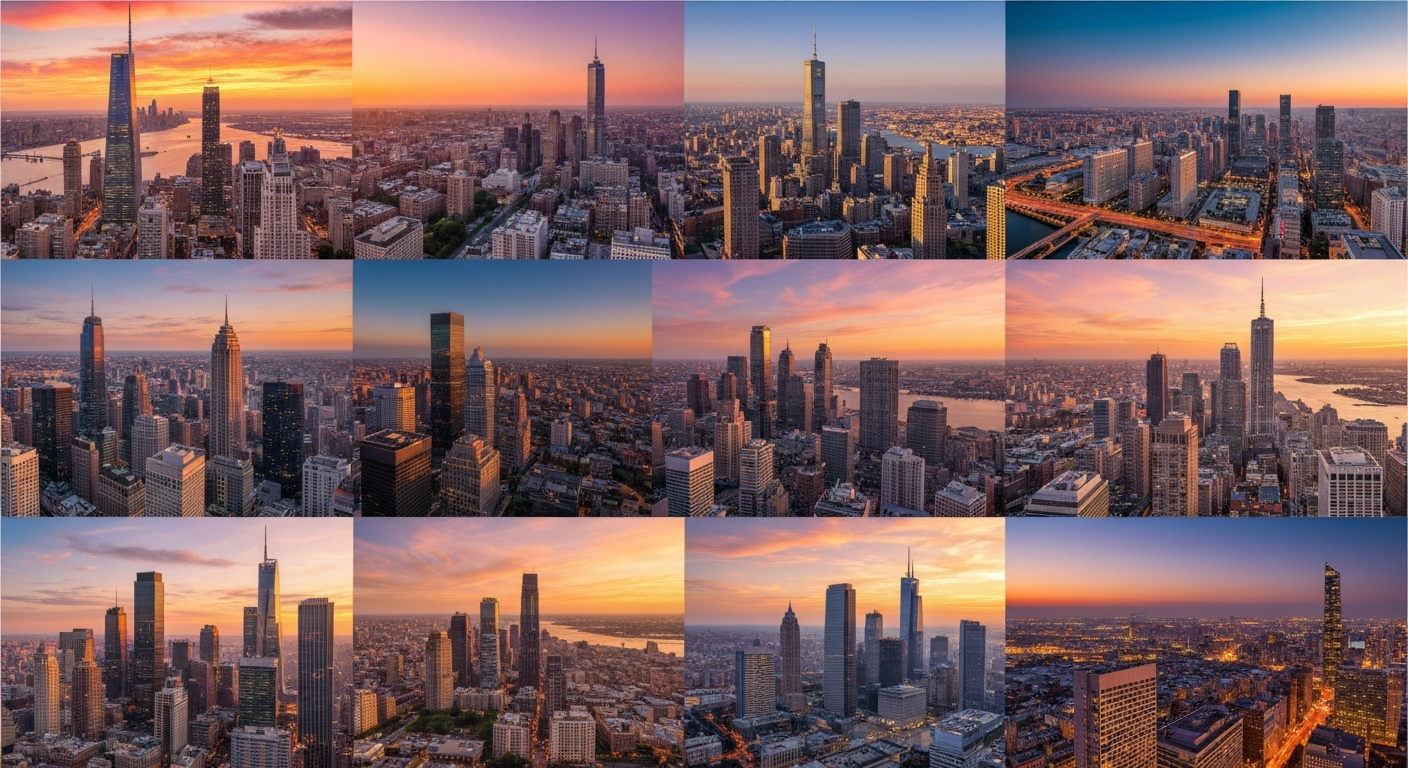
Key Highlights
- Discover the world's most expensive cities, where the cost of living is significantly higher than in other major cities.
- Singapore and Zurich are often battling for the top spot, with reports showing them as leading examples of high-cost urban living.
- Key factors driving these high costs include expensive housing markets, high transportation costs, and pricey goods and services.
- Many of these cities, despite their expense, offer an exceptional quality of life with excellent infrastructure and safety.
- European and Asian cities dominate the list, showcasing global economic trends and their impact on daily expenses.
Introduction
Have you ever wondered where the most expensive places to live are? As the global economy shifts, the cost of living in major urban centers continues to be a hot topic. From housing and groceries to transportation, certain cities demand a premium for the privilege of calling them home. But a high price tag often comes with a high quality of life, including better safety, infrastructure, and opportunities. This guide explores the top ten priciest cities, giving you a closer look at what makes them so costly.
The Top Ten Most Expensive Cities in the World Today
According to expert analysis, including the Economist Intelligence Unit's Worldwide Cost of Living survey, a handful of global cities consistently top the charts for expenses. The most recent rankings show a tight race, with cities like Singapore and Zurich often sharing the spotlight. These reports provide a comprehensive look at how prices for goods and services stack up across the globe.
Compared to other global cities, the cost of living in these elite locations is substantially higher. Everything from a cup of coffee to monthly rent can be two or three times more expensive. Let's explore the ten cities that currently lead the pack in high living costs.
1. Singapore
Singapore frequently appears at the top of lists detailing the highest cost of living, and for good reason. One of the main factors that make Singapore so expensive is its position as a global financial hub, which drives up prices for goods and services. The city-state is known for its high quality of life, cleanliness, and safety, which adds to its appeal and cost.
Despite the higher prices, Singapore offers incredible value. Its excellent public transportation system makes getting around the city a breeze without needing a car. While restaurant dining can be pricey, you can find affordable and delicious meals at the famous hawker centres, which are a beloved part of local culture.
However, residents and visitors must be prepared for significant expenses, especially in housing and private car ownership, which are heavily taxed to manage space and congestion. These policies contribute to Singapore’s reputation as one of the priciest places on the planet.
2. Zurich
Zurich, Switzerland, consistently ranks among the most expensive cities, often tying with Singapore for the top position. A city ranks this high due to a perfect storm of economic factors. Zurich boasts some of the highest wages in the world, which allows businesses to charge premium prices. The strength of the Swiss Franc also makes goods and services more expensive for those earning in other currencies.
The city’s high cost of living is visible in its housing prices. Limited available land and strict building regulations drive up the cost of rent and real estate, making accommodation a primary expense for residents. However, like other high-cost cities, Zurich offers an exceptional quality of life, with pristine natural surroundings and flawless public services.
You'll find that getting around is easy and efficient thanks to a world-class public transport system. While daily expenses are high, the city's beauty, safety, and efficiency are qualities that many residents and visitors find well worth the premium price tag.
3. Geneva
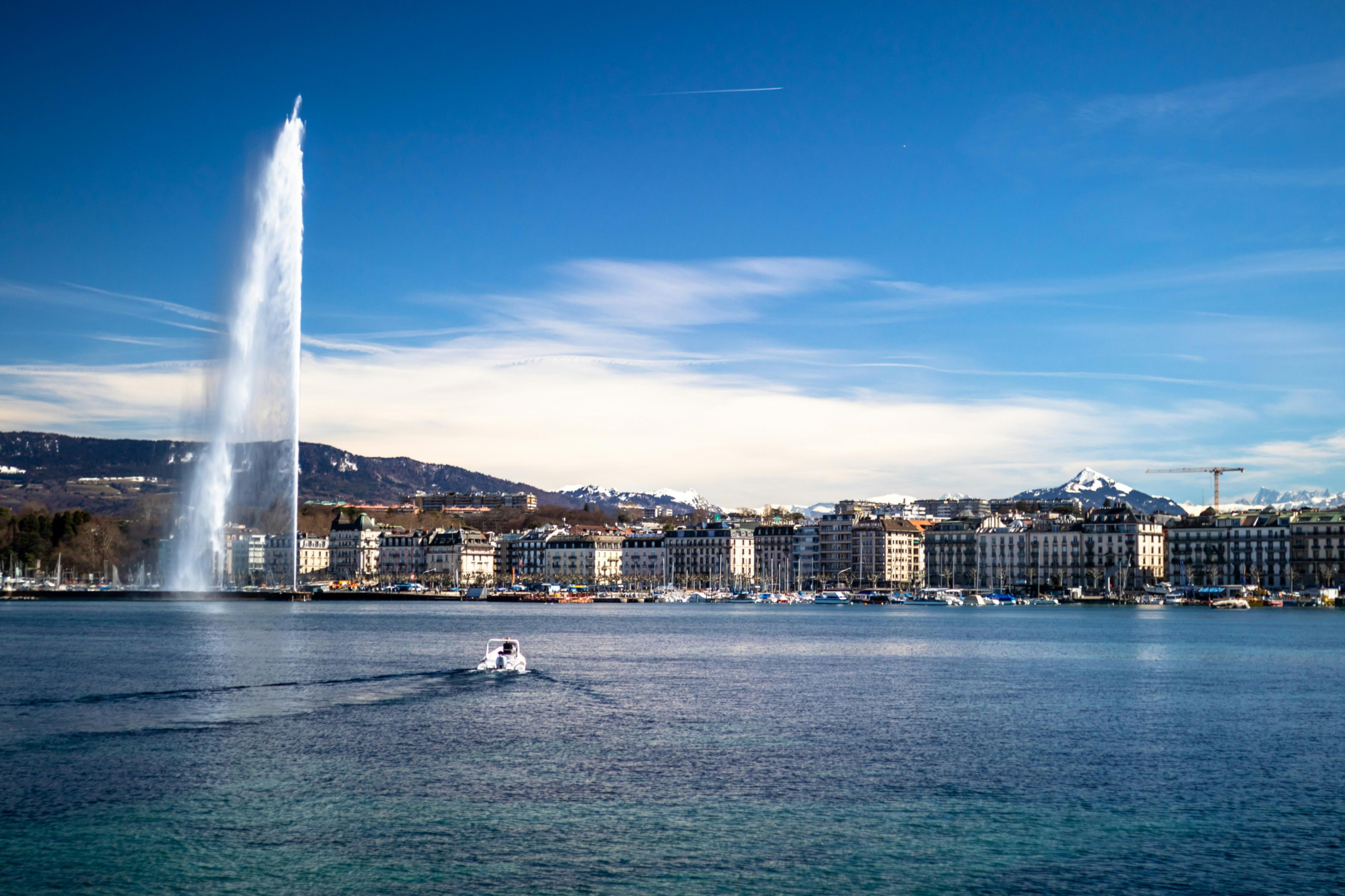
Yes, the top ten list is filled with cities from Europe and Asia, and Geneva is another prime example from Switzerland. Like its neighbor Zurich, Geneva stands out among Swiss cities for its high cost of living. As a hub for international diplomacy and banking, the city attracts a global population and adheres to high international standards, which is reflected in its prices.
A significant portion of the budget for anyone living in Geneva goes toward housing. Both rental prices and real estate prices are exceptionally high, driven by strong demand and limited space. Finding an affordable apartment can be a major challenge for newcomers, with costs easily surpassing those in many other major European cities.
Despite the expense, Geneva offers a unique lifestyle with stunning views of Lake Geneva and the Alps. Its reputation as a peaceful and orderly city makes it highly desirable, but this desirability comes with a financial commitment that places it firmly on the list of the world's most expensive places to live.
4. New York City
New York City, the Big Apple, is the most expensive city in North America and a fixture in the global top ten. The cost of living here is significantly higher than in most other global cities, especially when it comes to housing. The high demand for space in this bustling financial center keeps housing costs astronomically high, whether you're renting or buying.
As a global hub for finance, culture, and business, New York City attracts people from all over the world. This constant influx of residents creates intense competition for housing, pushing rental and real estate prices up. A small apartment in a desirable neighborhood can cost more than a large house in many other parts of the country.
Beyond housing, daily expenses for food, entertainment, and transportation also contribute to the city's high cost of living. While the city offers endless opportunities and experiences, living in New York City requires careful financial planning to manage its steep costs.
5. Hong Kong
For years, Hong Kong has held a top position as one of the world's most expensive cities for international workers. The main expenses contributing to its high cost of living are driven by one primary factor: limited land. This scarcity makes housing one of the biggest financial burdens for residents, with rental prices being among the highest globally.
Living in Hong Kong means navigating steep daily expenses. The cost of groceries, dining out, and other services reflects the city's high-cost environment. Despite this, the city is known for its high quality goods and services, ensuring that you get what you pay for.
The combination of a dense population and a thriving economy puts constant pressure on prices. From transportation to entertainment, you can expect to pay a premium. Managing your budget is key to enjoying everything this vibrant and dynamic city has to offer without financial stress.
6. London
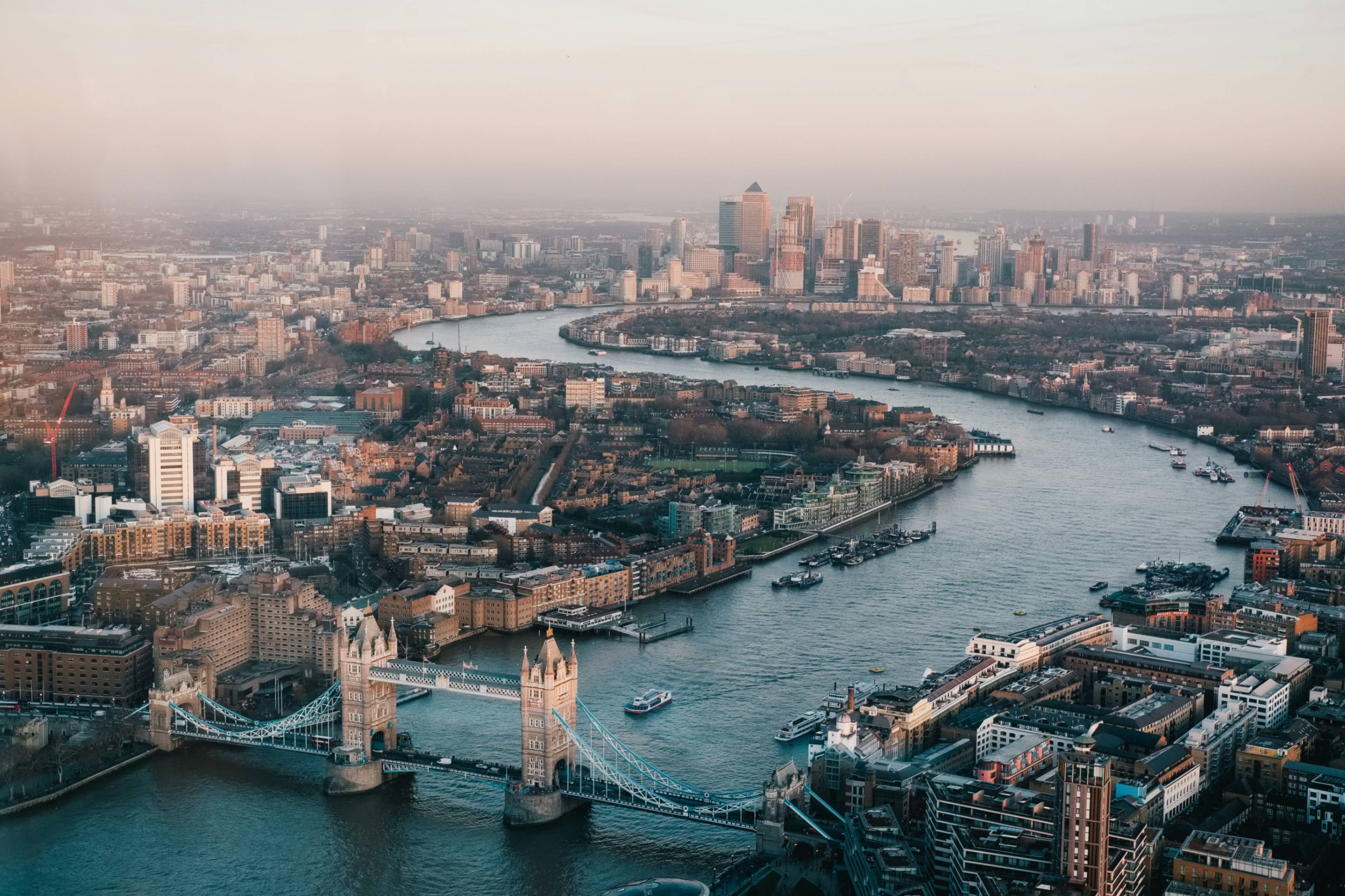
London firmly holds its place in the top ten expensive cities, making it a challenging place financially for residents and visitors alike. Several factors contribute to its high ranking, including its status as a global financial and cultural capital. This popularity drives up demand for housing, resulting in steep rental prices, especially in central areas.
The city’s extensive public transportation network is essential for navigating its sprawling layout, but daily and monthly passes represent a significant expense. While the "Tube" and buses are efficient, the costs can add up quickly, contributing to the overall high cost of living. These are serious financial commitments you must plan for.
Despite the expenses, London offers an unparalleled quality of life with world-class museums, theaters, and parks. The city's rich history and diverse culture make it a desirable place to live, but that desirability comes at a cost that keeps it on the list of the world's priciest urban centers.
7. Tel Aviv
Tel Aviv represents the Middle East on the list of the world's most expensive cities, joining several counterparts from Asia and Europe. Although its ranking has seen some fluctuation, it remains a costly place to live. A significant driver of its high cost of living is transportation. The city has notoriously high transportation costs, whether you are using public options or private hire cars.
Consumer spending in Tel Aviv is high across the board. Groceries, dining, and entertainment come with a premium price tag, reflecting the city's vibrant and modern economy. Tel Aviv's booming tech scene has attracted talent and investment, further pushing up prices for goods and services.
Recent data shows some volatility, with housing rental prices even seeing a decrease. However, the overall cost of living remains elevated. This makes Tel Aviv a city where residents need a substantial income to enjoy its sunny beaches, bustling nightlife, and dynamic cultural scene comfortably.
8. Los Angeles
Los Angeles is another major American city with high costs that place it in the top ten worldwide. Compared to many other global cities, LA's expenses are driven primarily by its challenging housing market. Housing prices in desirable neighborhoods are incredibly high, and even renting a modest apartment can consume a large portion of your income.
Daily expenses in Los Angeles also contribute to its reputation for being pricey. From groceries to gas, the cost of living feels elevated. While the city is spread out, relying on public transport can be an option, but many residents depend on cars, adding fuel and maintenance costs to their budgets.
The allure of Hollywood, beautiful weather, and a thriving creative industry keeps demand for living in LA high. This sustained demand ensures that the city maintains its status as one of the most expensive places to live, requiring residents to have a solid financial plan to manage the high costs.
9. Copenhagen
Copenhagen stands out among European cities for its high living standards and equally high costs. The main expenses that contribute to its ranking include housing, food, and transportation. Rental prices in the Danish capital are steep, and finding accommodation requires a significant budget, especially in the city center.
The city is known for its excellent quality of life, beautiful design, and commitment to sustainability. However, maintaining these high living standards comes at a price. Dining out, groceries, and even a simple coffee are more expensive than in many other European capitals. This reflects the country's high wages and taxes.
Copenhagen’s world-class public transportation system is efficient and widely used, but it's another cost to factor into your monthly budget. The city's charm and progressive lifestyle make it a wonderful place to live, but it's a financial commitment that places it among the world's most expensive.
10. Paris
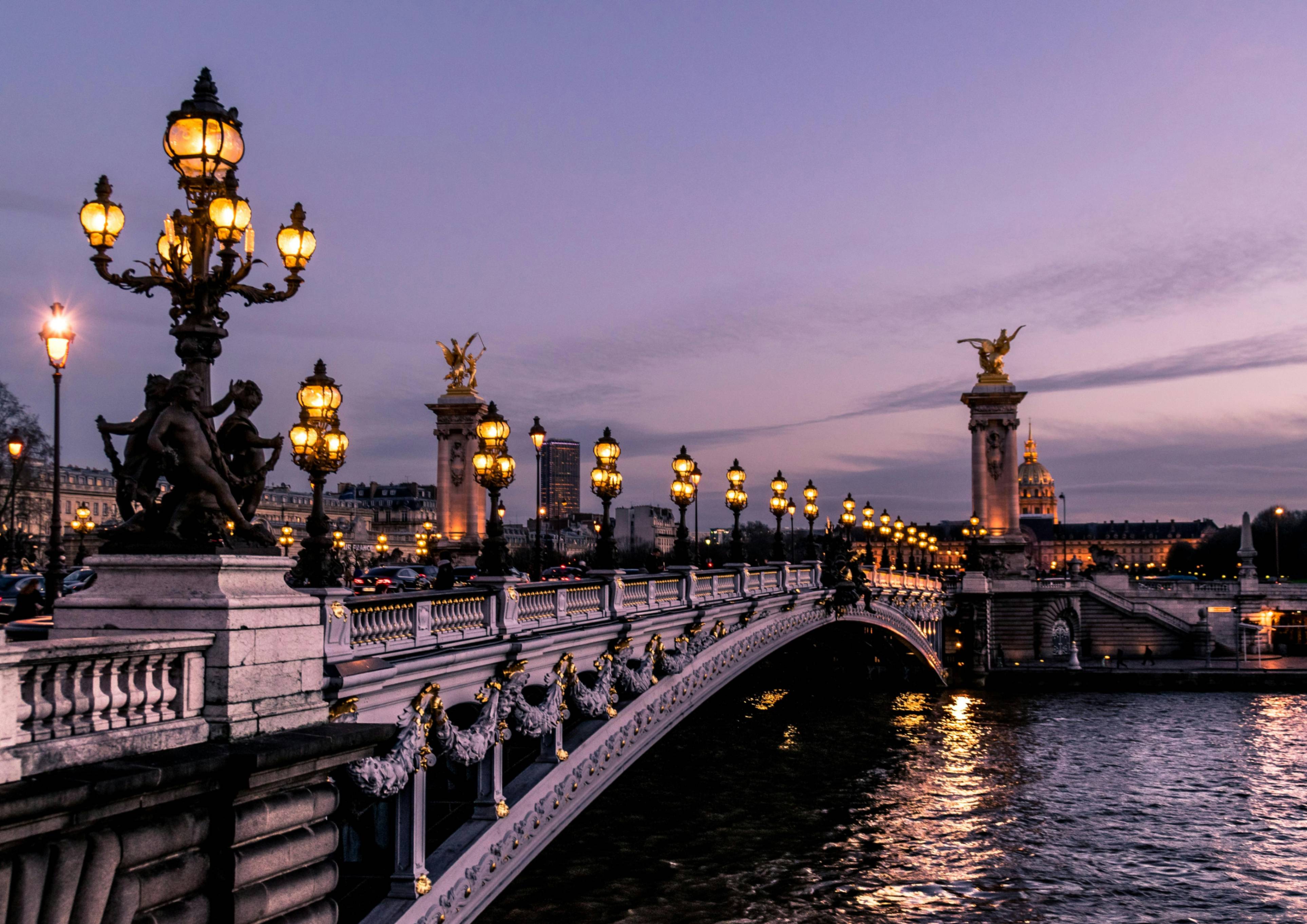
Paris, the capital of France, is another iconic European city that rounds out the top ten list, showcasing the continent's strong presence. While it offers a romantic and culturally rich lifestyle, living in the City of Light comes with a significant price tag. High food costs are a notable expense, whether you're shopping at local markets or dining in one of its famous bistros.
Housing is another major expense, with rent in the city center being particularly high. For families, the cost of education, including private schools, can be a substantial financial burden. These factors combined contribute to Paris's position as one of the more expensive cities in Europe.
Despite the costs, many find the investment worthwhile. The city's art, history, and vibrant atmosphere contribute to an exceptional overall quality of life. Living in Paris means balancing a higher cost of living with access to unparalleled cultural experiences.
Core Factors That Make These Cities So Expensive
The world's most expensive cities share several core factors that contribute to their high cost of living. High demand is a primary driver; these cities are often global hubs for finance, tech, and culture, attracting talent from all over the world. This influx creates intense competition for limited resources, especially housing.
Furthermore, economic elements like a strong local currency or high exchange rates can make a city more expensive for outsiders. Robust economies often support high wages, which in turn allows businesses to charge more for goods and services. Thoughtful financial planning is essential for anyone considering a move to one of these high-cost areas. Let's look at some of these factors more closely.
High Cost of Living and Quality of Life
It's a common trend that a high cost of living often correlates with a high quality of life. Cities that offer exceptional safety, cleanliness, and robust public services naturally command a premium. People are drawn to these locations, and this popularity drives up the cost of everything from housing to groceries.
One of the main expenses contributing to the cost of living is access to quality services. This includes everything from well-maintained infrastructure and public parks to top-tier healthcare systems. In many of these cities, mandatory health insurance is a significant monthly expense, but it ensures residents have access to excellent medical care.
Your lifestyle choices also play a huge role. While it's possible to live more frugally, the abundance of high-end shopping, fine dining, and cultural activities can make it easy to spend more. Ultimately, the high costs are often the price of prosperity and access to a premium urban experience.
Real Estate Prices and Housing Market Trends
Real estate prices are arguably the biggest factor pushing cities into the top ten list. The housing market in these locations is incredibly competitive due to a mismatch between supply and high demand. A shortage of available land for development, particularly in the city center, drives housing costs up for both renters and buyers. Buying property in the world's most expensive cities can cost millions of dollars for a standard apartment.
This volatility means average rental costs can vary significantly. For instance, some cities have recently seen rental prices jump by over 10%, while others have experienced slight decreases. These trends are influenced by population growth, construction costs, and land prices, all of which affect affordability.
High housing costs can strain your finances, leaving you with less disposable income for other expenses. Here’s a look at what you might expect to pay for a one-bedroom apartment in the city center of some of these top-tier cities.
City — Average Monthly Rent (1-BR, City Center)
- Zurich: $1,900–$2,800
- New York City: $3,500–$4,500
- Hong Kong: $2,500–$3,500
- London: $2,000–$3,000
Conclusion
In conclusion, exploring the top ten most expensive cities in the world reveals a fascinating blend of lifestyle, culture, and economic factors that contribute to their high costs. From soaring real estate prices to unparalleled quality of life, these cities offer unique experiences that come at a premium. Understanding what makes each city stand out not only helps in appreciating their allure but also aids in planning for potential relocation or travel. As you ponder your next adventure or investment, remember that the cost of living is just one aspect of the vibrant life found in these bustling metropolises. For more insights and personalized recommendations, feel free to reach out for a consultation!
Frequently Asked Questions
Which city is currently ranked as the world’s most expensive to live in?
The top spot for the world's most expensive cities is often contested. According to the Economist Intelligence Unit, Singapore and Zurich are currently tied for first place. Other reports may place Hong Kong at the top, highlighting how different methodologies can produce varying results, though all agree these cities have very high prices.
What are the main reports used for ranking expensive cities globally?
Two of the most trusted reports are the Economist Intelligence Unit’s Worldwide Cost of Living survey and Mercer’s Cost of Living City Ranking. These studies provide a comprehensive ranking by comparing the cost of a basket of goods and services in cities around the world, offering valuable insights for global wealth and mobility.
How has the list of top ten expensive cities changed in recent years?
The list of the top ten expensive cities is dynamic. Compared to last year, some of the biggest differences include London moving up into the top ten and Tel Aviv dropping a few spots. Exchange rates and local inflation cause significant shifts, with some cities like Mexico City jumping up in the rankings.