
Key Highlights
- The 2025 real estate market offers significant investment opportunities, driven by strong real estate demand.
- Sunbelt cities like Austin and Phoenix are booming due to consistent population growth and expanding job markets.
- Midwest markets provide affordable entry points with the potential for solid rental yields.
- Key metrics for success include analyzing job growth, property appreciation rates, and migration trends.
- Understanding local economic indicators is crucial for making informed investment decisions.
- Strong rental demand is fueled by high mortgage rates, pushing more people to rent long-term.
Introduction
Are you considering where to invest your money in 2025? The real estate market is presenting some exciting investment opportunities. With rental demand expected to climb and a growing population of renters, certain markets are becoming prime locations for real estate investments. Strong job growth in various sectors is attracting new residents to cities across the country, creating a stable tenant base. This guide will explore the top markets and provide the insights you need to maximize your returns and make smart investment choices.
10 Thriving Top Real Estate Markets for Investors in the United States 2025
Navigating the American housing market requires a keen eye on current real estate trends and market dynamics. For 2025, states like Texas, Florida, North Carolina, and Arizona are emerging as top markets for investors. These areas showcase a powerful combination of economic expansion, population influx, and high rental demand, making them hotspots for potential growth and profitability.
To help you make informed investment decisions, we've analyzed key data points to identify the ten most promising cities. Each of these locations offers a unique blend of factors that contribute to a thriving real estate environment. Let's look at which cities stand out and why they should be on your investment radar.
1. Austin, Texas – Tech Growth and Population Boom

Austin has firmly established itself as one of the hottest housing markets, thanks to its incredible tech growth. Major companies like Tesla and Oracle have set up shop here, creating a robust job market that attracts a steady stream of young, affluent professionals. This continuous influx is a primary driver of the city's significant population growth.
This boom directly translates to a high demand for rental properties, especially in areas close to tech corridors and the vibrant downtown core. As a result, property values have seen consistent upward trends. The city's lively cultural scene, filled with music, arts, and food, further enhances its appeal, ensuring that rental demand remains strong.
For investors, Austin's positive economic indicators signal a healthy outlook. The combination of a booming economy and sustained population growth suggests that rental yields and property appreciation will likely continue to perform well, making it a top choice for real estate investment in 2025.
2. Raleigh-Durham, North Carolina – Education and Job Market Strength

The Raleigh-Durham area, a key part of North Carolina's Research Triangle, is a powerhouse of education and innovation. This region is experiencing rapid job growth, particularly in the tech and life sciences industries. The presence of world-class universities provides a highly educated workforce, attracting companies and fueling the local economy.
Compared to other major tech hubs, Raleigh-Durham offers more affordable housing, which is a major draw for both renters and investors. This affordability, combined with a high quality of life, makes it one of the best cities for long-term rental opportunities. The area's young, educated population ensures a steady and reliable tenant pool.
Positive economic indicators and ongoing economic expansion point to a bright future for this market. Investors can expect solid property appreciation as the region continues to grow. The balance of a strong job market and relative affordability makes Raleigh-Durham a smart place to invest.
3. Tampa, Florida – Sunbelt Appeal and Rental Demand
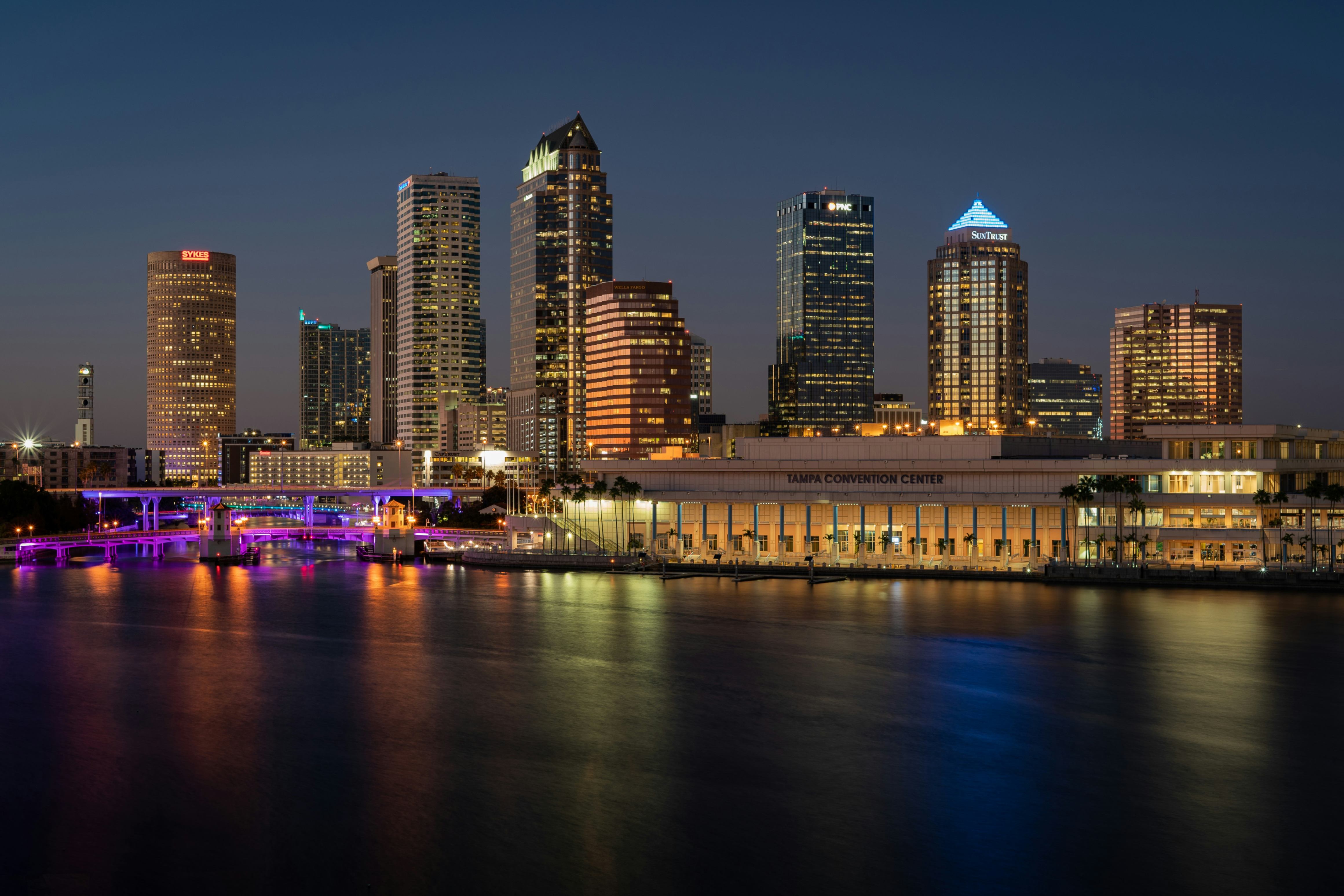
Tampa is a prime example of the appeal of Sunbelt cities. Its beautiful weather, combined with a growing economy, has made it a popular destination for new residents. This migration fuels a high rental demand across the city, creating excellent opportunities for investors looking for strong rental yields.
The job growth in Tampa is impressive, with key sectors like healthcare, finance, and technology expanding rapidly. This economic vitality attracts a diverse workforce, from young professionals to established families, all seeking quality housing. While property prices have been rising, they remain reasonable compared to other major coastal cities, offering a good balance for investors.
As an emerging market to watch, Tampa offers significant potential. The ongoing development and influx of businesses suggest that the demand for rental properties will continue to climb. This makes it a compelling choice for those looking to capitalize on the growth of Florida's real estate market.
4. Phoenix, Arizona – Affordability and Migration Trends

Phoenix stands out for its unique combination of affordability and strong migration trends. The city's lower cost of living compared to many other large metropolitan areas is a major factor making the real estate market attractive. This affordability has made it a magnet for businesses and new residents, leading to significant population growth.
The job market in Phoenix is expanding quickly, particularly in healthcare, manufacturing, and technology. This economic expansion supports a high demand for housing, which in turn drives up rental rates and home prices steadily. The warm climate and appealing outdoor lifestyle also contribute to its popularity among both young professionals and retirees.
For investors, Phoenix presents a market with solid growth potential. The continuous inflow of people ensures that demand for rentals remains high. As new developments continue to emerge to accommodate the growing population, the long-term outlook for rental property investment in Phoenix looks very promising.
5. Nashville, Tennessee – Booming Economy and Cultural Hotspot

Nashville has transformed into a vibrant cultural hotspot with a booming economy, making it a top market for real estate investors. Known for its legendary music scene, the city also boasts a diverse job market with strong growth in healthcare, technology, and corporate sectors. This economic growth attracts a steady stream of new residents.
The city's rich cultural amenities, from live music venues to a thriving food scene, create a high quality of life that is hard to resist. This appeal translates into strong demand for housing, but the housing supply has struggled to keep pace, creating a competitive rental market. This imbalance often leads to healthy rental income for property owners.
As a standout market in Tennessee, Nashville offers a compelling case for investment. The combination of a robust job market and a desirable lifestyle ensures that rental properties remain in high demand, providing investors with the potential for both consistent cash flow and long-term appreciation.
6. Charlotte, North Carolina – Financial Hub and Development
Charlotte has solidified its reputation as a major financial center, second only to New York City in banking assets. This status fuels significant job growth, attracting professionals from all over the country. This consistent influx of high-earning individuals creates a stable and growing demand for rental housing, which is a key data-driven trend for investors.
The city is also experiencing widespread development, with new residential and commercial projects transforming its skyline. This ongoing investment in infrastructure and amenities enhances the city's appeal and supports rising property values. These developments create numerous investment opportunities, from urban apartments to suburban single-family homes.
For investors, Charlotte presents a market with a strong economic foundation and clear growth potential. The combination of a powerful job market, continuous development, and increasing property values makes it an attractive location for building a real estate portfolio in 2025.
7. Dallas-Fort Worth, Texas – Diverse Economy and Suburban Expansion
The Dallas-Fort Worth (DFW) metroplex is a prime example of a market thriving on a diverse economy and rapid suburban expansion. Its economy spans multiple industries, including finance, technology, and logistics, which means it isn't reliant on a single sector. This diversity provides economic stability and consistent job creation, which are key metrics for evaluating a market's potential.
The DFW housing market is characterized by the rapid growth of its suburban areas. Suburbs like Frisco have become dynamic markets in their own right, with top-tier schools and community developments that attract families. This trend towards suburban living has created a strong rental market outside the urban core.
This demand for housing in both urban and suburban locations has led to steady property appreciation across the region. For investors, DFW offers a wide range of opportunities, from city apartments to family homes in emerging suburbs, all supported by a robust and resilient economy.
8. Atlanta, Georgia – Transportation and Job Opportunities
Atlanta stands out as one of the hottest housing markets due to its exceptional blend of affordability and opportunity. As a major transportation hub with the world's busiest airport, the city offers unparalleled connectivity, which attracts major corporations and startups. This has led to a diverse economy and abundant job opportunities in sectors like tech, film, and logistics.
The city's economic stability is a major draw for job seekers, leading to sustained population growth and increasing average household income. These market trends create a consistent demand for rental properties. Furthermore, ongoing infrastructure projects, such as expanded public transit, are enhancing livability and making different neighborhoods more accessible and desirable.
For investors, Atlanta provides a variety of property types to suit different strategies, from single-family homes in the suburbs to modern apartments in the city. The combination of strong job growth, affordability, and a growing population makes Atlanta a top-tier market for real estate investment.
9. Boise, Idaho – Rapid Appreciation and Quality of Life

Boise has gained national attention for its rapid property appreciation and exceptional quality of life. The city offers a unique blend of outdoor recreation and urban amenities, attracting a wave of new residents. These positive migration trends have fueled a high demand for housing, leading to some of the most impressive appreciation rates in the country.
One of the keys to finding the best rental yields is to look for markets where the cost of living is still relatively low but demand is high. Boise fits this description perfectly. Its affordability, coupled with a growing job market in tech and healthcare, makes it a desirable place for remote workers and young professionals seeking a balanced lifestyle.
This high demand and limited housing supply have created a competitive rental market. For investors, this translates into low vacancy rates and the potential for strong rental yields. Boise's continued growth suggests it will remain a hot market for those looking to capitalize on both cash flow and appreciation.
10. Orlando, Florida – Tourism and Short-Term Rental Potential
Orlando is globally renowned for its tourism industry, which creates a massive and consistent demand for short-term rentals. This unique market dynamic provides investors with the opportunity to generate significant rental income from vacationers visiting the area's many theme parks and attractions.
Beyond tourism, Orlando is an emerging market with a rapidly diversifying economy and strong job growth in sectors like technology, healthcare, and logistics. This economic expansion is attracting a new wave of permanent residents, increasing the real estate demand for long-term rentals as well. This dual demand from both tourists and residents makes Orlando a versatile investment location.
For investors, Orlando offers the flexibility to pursue either short-term or long-term rental strategies. The city's continuous growth in both population and tourism ensures that demand for housing is likely to remain high, solidifying its position as a market to watch in 2025.
Key Metrics for Evaluating Real Estate Markets in 2025
To successfully invest in real estate, you need to know which key metrics to track. Analyzing economic indicators and market trends helps you identify areas with the highest potential for growth. Focusing on the right data can be the difference between a profitable investment and a poor one.
When evaluating a market, look beyond just the current home prices. Consider factors like job growth, population trends, and the balance of housing supply and demand. These metrics provide a clearer picture of a market's health and can help you forecast future changes in property values. Let's explore some of the most important data points to consider.
Economic Growth Indicators and Local GDP
A city's economic growth is a fundamental driver of its real estate market. When you're looking for investment opportunities, analyzing the local Gross Domestic Product (GDP) is a great place to start. A rising local GDP indicates that the economy is expanding, which typically leads to job creation and increased wages.
These data-driven trends are what shape promising investment opportunities. A healthy economy attracts new businesses and residents, which in turn increases the demand for housing. This heightened demand can lead to rising property values and higher rents, boosting your potential return on investment.
Therefore, tracking real estate trends alongside economic growth indicators gives you a powerful advantage. Markets with consistent GDP growth often signal long-term stability and appreciation potential. Always check the economic forecast for a city before you decide to invest your capital there.
Population Growth and Migration Patterns
Population growth is one of the most direct factors that makes a real estate market attractive. Simply put, more people mean more demand for housing. When a city's population is increasing, it creates a larger pool of potential renters and buyers, which helps keep vacancy rates low and property values on an upward trajectory.
Analyzing migration patterns can reveal where people are moving to and from. In recent years, demographic shifts have shown a clear trend of people moving to more affordable cities with a better quality of life, particularly in the Sunbelt and Midwest. These patterns create significant investment opportunities in the destination cities.
Understanding why these shifts are happening is key. Whether it's for jobs, lifestyle, or a lower cost of living, these motivations drive the housing market. By following population and migration data, you can position your investments in areas poised for sustained growth.
Employment Rates and Major Industries
A strong job market is the engine of a healthy real estate market. High employment rates and steady job growth are key metrics that indicate a city's economic health. When people have stable jobs, they have the income to pay rent or purchase homes, which directly supports the housing market.
It's also important to look at the diversity of major industries in a city. A market that relies on a single industry can be vulnerable to economic downturns. In contrast, a city with a mix of industries—such as tech, healthcare, finance, and manufacturing—offers greater economic stability and resilience.
This information is critical for your investment decisions. A location with a robust and diverse job market is more likely to attract and retain residents, ensuring a consistent demand for rental properties. This reduces your risk as an investor and improves the long-term outlook for your portfolio.
Median Home Price and Affordability Index
Finding the best rental yields often comes down to the relationship between property prices and rental income. The median home price in an area is a starting point, but you also need to consider the affordability index. This index measures whether a typical family can afford a home based on local income levels.
Markets with high affordability can present excellent investment opportunities. In these areas, property prices are reasonable enough that you can acquire assets without overextending, while strong rental demand still allows for healthy cash flow. The goal is to find a balance where your rental income comfortably covers your mortgage and other expenses.
Below is a simplified example of how affordability can vary and impact investment potential. Lower price-to-rent ratios often signal better rental yields.
- City A (High Affordability)
- Median Home Price: $300,000
- Median Annual Rent: $24,000
- Price-to-Rent Ratio: 12.5
- City B (Low Affordability)
- Median Home Price: $800,000
- Median Annual Rent: $36,000
- Price-to-Rent Ratio: 22.2
Rental Yield and Cash Flow Analysis
To find the best rental yield, you must go beyond the purchase price and focus on the numbers that determine profitability. Rental yield is a percentage that shows the annual return you make from your rental income compared to the property's value. A higher yield generally means a more profitable investment from a cash flow perspective.
Cash flow analysis is the process of calculating your net income after all expenses are paid. This includes your mortgage, property taxes, insurance, and maintenance costs. Positive cash flow means you have money left over each month, while negative cash flow means you're spending more than you're earning from rent.
While property appreciation is great for long-term wealth building, consistent cash flow is what sustains your investment month to month. A strong rental market with high demand allows you to charge competitive rents, which is crucial for maximizing your rental income and securing a healthy return.
Factors Making Markets Attractive to Investors in 2025
What truly makes a real estate market attractive to investors? Beyond the numbers, several qualitative key factors play a crucial role. These elements contribute to a city's desirability and can have a significant impact on long-term growth and stability. Market trends are often shaped by these less tangible, but equally important, characteristics.
Your investment strategy should account for things like infrastructure projects, quality of life, and local government policies. These factors can transform a good market into a great one by attracting new residents and businesses. Let's examine some of these influential drivers more closely.
Infrastructure Developments and Urban Revitalization
New infrastructure developments are a powerful catalyst for real estate growth. When a city invests in things like new public transit, highways, parks, or airports, it improves connectivity and quality of life. These projects often signal strong economic conditions and a commitment to future growth.
Urban revitalization efforts, such as the redevelopment of downtown areas or industrial districts, can completely transform a neighborhood. These projects often bring in new businesses, restaurants, and residential buildings, attracting young professionals and driving up property values. This is a key market trend shaping investment opportunities in many cities.
For an investor, getting into a neighborhood before or during a revitalization can lead to significant returns. These developments create new investment opportunities and can turn a previously overlooked area into a desirable hotspot. Keeping an eye on city planning and development news can help you spot these trends early.
Quality of Life and Lifestyle Amenities
A high quality of life is one of the most powerful magnets for attracting new residents. This includes factors like a pleasant climate, access to outdoor recreation, low crime rates, and good schools. When people love where they live, they are more likely to stay long-term, creating a stable rental market.
Lifestyle amenities also play a huge role. A vibrant city with plenty of restaurants, shops, cultural venues, and parks is highly attractive, especially to young professionals. These amenities contribute to a city's appeal and can justify higher rents. This factor is a key reason why certain markets become so popular.
While the cost of living is important, many people are willing to pay more to live in a place that offers a great lifestyle. As an investor, targeting markets with a high quality of life ensures that your properties will always be in demand, helping you attract and retain quality tenants.
Housing Supply and Demand Balance
The simple economic principle of supply and demand is a core metric for evaluating any real estate market. The balance between the housing supply (the number of available homes) and demand (the number of people looking for homes) directly impacts property values and rental yields.
When housing demand outpaces supply, it creates a "seller's market." In this scenario, property values tend to rise, and competition among renters and buyers is fierce. This is an ideal situation for investors, as it typically leads to higher rents and faster appreciation. Current market trends show many growing cities are experiencing this imbalance.
Conversely, if the supply of homes exceeds demand, it becomes a "buyer's market," which can lead to falling prices and higher vacancy rates. Understanding this demand balance is crucial for your investment strategy. You want to invest in markets where a steady or growing demand keeps the pressure on a limited supply.
Government Incentives and Tax Benefits
Local and state government policies can make a real estate market much more attractive to investors. Favorable policies, such as government incentives for development or first-time homebuyers, can stimulate the local market and drive demand. These incentives are an important factor to consider in your investment strategy.
Tax benefits are another significant draw. Some states and cities offer lower property taxes, which can reduce your annual housing costs and increase your net rental income. Additionally, federal tax laws provide benefits for real estate investors, such as deductions for mortgage interest, property taxes, and depreciation.
Before investing, it's wise to research the tax environment of a potential market. A location with investor-friendly tax policies can significantly improve your bottom line. These financial advantages can make a substantial difference in the long-term profitability of your real estate portfolio.
Regional Breakdown of Investment Opportunities
The United States housing market is not one single entity; it's a collection of diverse regional markets, each with its own outlook. When comparing major US regions, you'll find that factors like economic indicators and population trends create very different opportunities. A regional opportunity might look great in one area but less appealing in another.
From the booming metropolitan areas in the Sunbelt to the affordable and steady markets in the Midwest, each region offers a unique profile for investors. Understanding these differences is key to tailoring your strategy. Let’s break down the outlook for some of the most prominent regions in 2025.
The Rise of Sunbelt Cities
The Sunbelt region has become the epicenter of some of the hottest housing markets for investors. Cities across the South and Southwest are experiencing unprecedented economic growth and population influx. This boom is driven by a combination of factors, including warmer climates, lower taxes, and more business-friendly regulations.
These favorable conditions have led to strong migration patterns, with people and companies relocating from more expensive coastal areas. This influx fuels a high demand in the housing market, putting upward pressure on property values and rental rates. The result is a dynamic environment ripe with investment opportunities.
For investors, Sunbelt cities offer the potential for both strong appreciation and solid rental income. The sustained economic and population growth suggests that this trend is not just a fleeting moment but a long-term shift in the American real estate landscape.
Midwest Markets with Affordable Entry Points
While Sunbelt cities get a lot of attention, you shouldn't overlook the steady and reliable Midwest markets. One of the biggest advantages of investing here is affordability. Property prices in many Midwestern cities are significantly lower than in coastal and Sunbelt regions, providing a more accessible entry point for investors.
Cities like Columbus, Indianapolis, and Kansas City offer some of the best long-term rental opportunities because they combine low property prices with strong rental demand. These markets boast diverse economies, stable job growth, and a lower cost of living, which attracts a steady stream of renters, including young professionals and families.
This combination of affordability and demand creates excellent investment opportunities for generating consistent cash flow. While appreciation might be slower than in booming markets, the lower risk and reliable returns make the Midwest an attractive option for a balanced investment portfolio.
Coastal Metros and Luxury Investment
Coastal markets like San Francisco and Seattle have long been hubs for luxury investment. While property values in these cities are among the highest in the nation, they continue to attract high-income professionals, particularly in the tech industry. This creates a strong and resilient real estate demand at the higher end of the market.
The cost of entry in these coastal metros is steep, which can be a barrier for many investors. However, for those with the capital, the potential for high rental yields from affluent tenants can be very appealing. The demand for luxury properties, both for rent and for sale, remains robust due to the concentration of wealth and high-paying jobs.
While these aren't typically considered emerging markets, they represent a specific niche for luxury investment. The stability of their economies and the constant influx of top talent ensure that demand for premium real estate remains strong, offering a different kind of opportunity compared to high-growth, affordable markets.
Secondary Cities and Emerging Suburbs
Some of the most exciting emerging markets for real estate investment aren't the biggest cities, but rather the secondary cities and emerging suburbs that surround them. The trend of suburban expansion has accelerated, driven by remote work and a desire for more space and a quieter lifestyle at a lower cost.
Areas like Frisco, Texas (near Dallas), or Lakewood, Colorado (near Denver), are prime examples. These suburbs offer a perfect blend of accessibility to a major metropolitan area with the benefits of suburban living, like good schools and a community feel. This has created a booming rental market in these locations.
This shift is leading to rapid property appreciation in many suburban areas. For investors, these secondary cities and suburbs represent a sweet spot of growth potential and relative affordability. Paying attention to these expanding areas can help you identify the next wave of real estate hotspots.
Risk Assessment for Real Estate Investors in Top Markets
Investing in hot real estate markets comes with great potential, but it's crucial to perform a thorough risk assessment. Even the most promising markets can be subject to market volatility and economic downturns. Understanding the potential risks allows you to protect your investments and make more resilient choices.
Different property types carry different levels of risk, and external factors can quickly change a market's outlook. What are the potential risks for investors? From economic cycles to regulatory changes, being aware of these challenges is the first step toward mitigating them. Let's explore some of the key risks to consider.
Market Volatility and Economic Cycles
Real estate markets are cyclical, moving through phases of expansion, peak, recession, and recovery. One of the biggest risks for investors is market volatility driven by these economic cycles. A booming market can be exciting, but it can also be susceptible to a correction where property values decline.
Your investment decisions should account for the possibility of an economic downturn. A city's overall economic health can impact its ability to withstand a recession. Markets with diverse economies are often more resilient than those dependent on a single industry.
When investing in a hot market, it's important to be prepared for potential shifts. Stress-testing your finances to ensure you can handle a temporary drop in property values or rental income can help you weather the inevitable cycles. Don't assume that rapid growth will continue indefinitely.
Regulatory Changes and Zoning Laws
Government policies can change, and these regulatory changes present a significant risk for real estate investors. New laws related to rent control, tenant rights, or short-term rentals can directly impact your profitability and investment strategy. These rules often vary greatly from one city to another.
Zoning laws, which dictate how land can be used, can also affect your investment. A change in zoning could limit your ability to develop a property or add units, impacting its future value. These laws also influence the overall housing supply, which can alter market dynamics.
It is essential to stay informed about the local political climate and potential regulatory shifts in any market you invest in. What might be a landlord-friendly city today could change in the future. Factoring this potential for change into your risk assessment is a crucial part of responsible investing.
Natural Disaster Risks and Climate Impact
A growing risk for real estate investors is the impact of natural disasters and climate change. Many popular investment areas, particularly in coastal and Sunbelt regions, are susceptible to events like hurricanes, floods, or wildfires. These events can cause significant property damage and disrupt the local housing market.
The increasing frequency and severity of these events can lead to soaring property insurance costs, which can eat into your rental profits. In some high-risk areas, obtaining affordable insurance is becoming a major challenge. This climate impact can also affect real estate demand, as some buyers and renters may start to avoid vulnerable locations.
When assessing a market, you must consider its exposure to natural disaster risks. Reviewing flood maps, historical weather data, and insurance premium trends is a critical step. Failing to account for these risks can lead to unexpected costs and potentially devastating losses.
Competition and Saturation in Hot Markets
One way to reduce risk is to be wary of intense competition and market saturation. In the hottest markets, everyone wants a piece of the action. This high level of competition can drive up property prices to the point where it becomes difficult to find a deal that offers good cash flow.
When too many investors flock to one area, it can lead to an oversupply of rental units. This market saturation can soften the rental market, leading to higher vacancy rates and forcing landlords to lower rents to attract tenants. This can stall or even reverse the property appreciation you were counting on.
To mitigate this risk, consider looking for opportunities in neighborhoods that are just beginning to grow rather than those that have already peaked. Performing a thorough analysis of the existing rental supply and pipeline of new construction can help you avoid investing in an oversaturated market.
Conclusion
In conclusion, the real estate landscape for 2025 presents an array of promising markets for savvy investors. From Austin's tech-driven growth to Tampa's appealing rental demand, understanding the unique strengths of each market is crucial for making informed investment decisions. Additionally, key metrics such as economic growth, population trends, and housing supply play a significant role in identifying opportunities. By staying attuned to these factors and carefully assessing potential risks, you can navigate this dynamic environment successfully. If you’re ready to explore these thriving markets further, get a free consultation to discuss your investment strategy and boost your portfolio.
Frequently Asked Questions
What US cities offer the best long-term rental returns for 2025?
Cities like Raleigh-Durham, NC, and several Midwest markets offer excellent long-term rental investment opportunities. They combine affordable property prices with strong rental demand, leading to solid rental yields. Market trends also show potential for steady property appreciation in these areas due to consistent job and population growth.
How can investors identify emerging real estate markets in 2025?
To identify emerging markets, investors should follow market trends related to population growth and job growth. Look for cities with positive economic indicators and an increasing real estate demand that hasn't yet peaked. Secondary cities and suburbs near major metro areas are often great places to find these opportunities.
What strategies help reduce risk when investing in top real estate markets?
To reduce risk, perform a thorough risk assessment that accounts for market volatility and local economic conditions. A key investment strategy is diversification across different markets and property types. Avoid over-saturated areas and ensure your finances can withstand potential downturns in the market.