
Key Highlights
- Finding the right real estate agent involves more than just a quick search; it requires careful vetting.
- Start by checking an agent's experience in your local market and their professional credentials.
- Leverage real estate websites and referral networks, but always verify the information independently.
- Reading online reviews and testimonials can provide valuable insight into an agent's work ethic.
- Interviewing several top agents is essential to compare their marketing strategies and find the best fit.
- Always review commission rates and contracts carefully before making a final decision.
Introduction
Choosing a real estate agent is one of the most significant decisions you will make during your home sale journey. The right professional can guide you through the complexities of the real estate world, helping you secure the best possible outcome. But how do you find someone you can trust with such a major transaction? This guide provides reliable methods and practical steps to help you discover a top-tier real estate agent who will work in your best interest from start to finish.
Understanding the Importance of Choosing the Right Real Estate Agent
Selecting the right real estate agent is a critical step that can significantly influence your selling experience. An experienced agent does more than just list your property; they navigate the complexities of the real estate market, help maximize your home’s value, and ensure a smoother process. Making the best choice for your specific needs is paramount.
Your agent is your primary advocate, negotiator, and guide. The wrong one can lead to frustration, a longer time on the market, and a lower sale price. We'll explore why this decision is so crucial and how it directly impacts your financial results.
Why the Right Agent Matters for Your Home Sale
Your home sale is a major financial event, and having a good agent in your corner is non-negotiable. A dedicated listing agent works exclusively for you, ensuring your best interests are the top priority throughout the entire process. They provide expert advice on everything from pricing to presentation.
A key part of their role is developing a tailored marketing strategy to attract qualified buyers. This goes beyond simply putting a sign in the yard. The right agent will know how to showcase your home’s best features and reach the ideal audience, which is crucial for a successful sale.
Furthermore, a skilled agent handles negotiations, paperwork, and potential hurdles with professionalism. Their expertise can protect you from costly mistakes and legal pitfalls. This is why choosing an agent with a proven track record, often reflected in positive online reviews, is so important for your peace of mind.
Impact of Agent Selection on Selling Price and Timeline
The selling agent you choose has a direct and measurable impact on your final sale price and how quickly your home sells. An experienced agent understands how to price your home competitively from the start. Setting the right asking price is crucial for attracting potential buyers and generating serious offers.
An agent who suggests an inflated price might seem appealing, but it can backfire. Overpriced homes tend to sit on the market, lose momentum, and often require price reductions. This can lead to a lower final sale price than if it had been priced correctly initially. A skilled agent avoids this by providing a data-backed pricing strategy.
Ultimately, an effective agent's goal is to secure the best possible terms for you, which includes a favorable price and a quick sale. Their ability to market the property effectively and negotiate skillfully is what leads to a successful outcome, proving their value far beyond just their commission rate.
What Makes a Real Estate Agent Reliable?
A reliable real estate agent is defined by more than just a friendly personality. Reliability comes from a combination of verifiable credentials, a history of successful transactions, and a commitment to a professional code of ethics. You need someone who has the expertise to get you the best price.
Looking for an agent with a solid track record is a great starting point. In the sections below, we will explore the specific qualifications, experience level, and performance indicators that signal you've found a trustworthy professional for your real estate journey.
Credentials and Professional Qualifications to Look For
When searching for an agent, start by verifying their professional qualifications. All agents must hold state-issued licenses, which require them to complete coursework and pass an exam. You can easily check an agent's license status on your state's real estate commission website.
Another key credential is being a member of the National Association of Realtors (NAR). A Realtor is more than just a licensed agent; they are a member of the National Association of Realtors and pledge to adhere to a strict code of ethics. You might also encounter a real estate broker, who has completed additional training and can supervise other agents.
To ensure you are working with a qualified professional, look for these key indicators:
- A valid state real estate license.
- Membership in the National Association of Realtors (NAR).
- Specialized designations or certifications for specific property types or clients.
- A clean disciplinary record with the state licensing board.
Years of Experience and Local Market Knowledge
While years of experience can be a valuable indicator, it's the combination of experience and deep local market knowledge that truly sets a great agent apart. An agent who has been working in your specific area for a long time will have an intuitive understanding of its unique characteristics and pricing trends.
This market knowledge is indispensable. Your agent should be able to speak confidently about current market conditions, recent sales, and what buyers in your neighborhood are looking for. This expertise allows them to price your home accurately and market it to the right audience.
Without this granular insight, an agent might struggle to position your home effectively. An agent with strong local roots can provide context that data alone cannot, helping you make informed decisions that lead to a better outcome.
Recognizing Top-Performing Agents in Your Area
Identifying top agents in your area involves looking beyond their marketing materials and digging into their actual performance. A top-performing agent will have a verifiable track record of selling homes efficiently and for the best price. Start by looking at their recent sales history.
Are their sold listings in your neighborhood and price range? Recent, relevant experience is more important than sales from many years ago. The real estate business is constantly changing, so you want an agent who is active and successful in the current local real estate market.
You can verify an agent's track record by asking for a list of recent clients or checking their profile on major real estate websites. A confident agent will be transparent about their performance and happy to provide proof of their success.
Essential Resources for Finding Reliable Real Estate Agents
In today's digital age, you have a wealth of resources at your fingertips for finding a great agent. Trusted online platforms and real estate websites offer extensive directories and reviews, while social media can provide a glimpse into an agent's marketing style and community engagement.
Personal connections also remain a powerful tool. Referral networks can connect you with agents who have a proven history of satisfying clients. The following sections will guide you on how to use these resources effectively to build a list of promising candidates.
Trusted Real Estate Websites and Online Platforms
Real estate websites are a popular starting point for many sellers. Platforms like Zillow and Realtor.com allow you to search for agents in your area, view their sales history, and read client reviews. An agent’s online presence can give you a feel for their professionalism and marketing savvy.
However, it's important to use these sites with a critical eye. Some platforms feature "Premier Agents" who pay for prominent placement. While these agents may be excellent, their featured status is not necessarily a mark of superior qualification. Use these sites as a research tool, but don't let paid advertising be the deciding factor.
Agent-matching services offer another approach. These platforms vet agents based on performance metrics and connect you with professionals who are well-suited to your specific needs, helping you find someone who can secure the best price.
- Zillow/Trulia
Agent profiles, client reviews, and sales history — but keep in mind there are paid “Premier Agent” placements. - Realtor.com
Official listing service of the NAR, connecting you with credentialed Realtors and their verified listings. - Agent Matching Services
Curated recommendations of vetted, top-performing local agents based on your specific needs. - TrueParity
Uses verified MLS and county data—not ads—to match you with agents who consistently outperform in your market.
Leveraging Referral Networks and Recommendations
Referral networks are an excellent way to find trusted agents. Asking people you know for recommendations can give you a shortlist of agents who have already made a positive impression. A referral from a friend or family member often comes with a personal story of their experience.
However, a referral alone isn't enough. The agent who was perfect for your friend’s condo sale might not have the right experience for your single-family home. Always treat a referral as a starting point and conduct your own thorough vetting process to ensure they have the right local knowledge and skills for your situation.
Expand your search for recommendations beyond your immediate circle. Consider asking other professionals you trust for referrals to top local professionals.
- Friends, family, and colleagues who have recently bought or sold a home.
- Your mortgage lender or financial advisor.
- Your real estate attorney.
- Local contractors or home inspectors.
Using Social Media and Community Groups
Social media can be a surprisingly useful tool in your agent search. An agent's social media presence offers a window into their marketing style, personality, and level of engagement with the community. Look for agents who share valuable market information and professionally showcase their listings online.
Local community groups on platforms like Facebook can also be a goldmine of information. You can search for past discussions about real estate agents or post your own request for recommendations. This is a great way to gather candid online reviews and feedback from your neighbors.
Pay attention to how agents interact with others online. Are their responses professional and helpful? Good communication skills are essential for a good realtor, and their online conduct can be a strong indicator of how they'll communicate with you and potential buyers.
Beginner’s Guide: How to Start Your Search for a Real Estate Agent

If this is your first time selling a home, the process of finding your first real estate agent can feel overwhelming. Before you even start looking for someone, it's helpful to do a little prep work. This involves clarifying your own goals and getting your information in order.
Taking these initial steps will make your search more focused and productive. It will help potential agents understand your needs from the very first conversation. Let's cover what you need to do before you begin your search.
What You Need Before You Begin (Goals, Budget, Preferences)
Before you start interviewing agents, take some time to define your own goals, budget, and preferences. Knowing what you want to achieve will help you find an agent whose expertise aligns with your objectives. Are you aiming for the highest possible price, or is a quick sale your top priority?
Clarifying your financial picture is also essential. Determine your ideal price range and consider if you have a budget for any pre-sale repairs or improvements that could boost your home's appeal. Understanding your financial boundaries will help an agent provide realistic advice.
Having clear preferences about the selling process will streamline your search. Think about your communication style and how involved you want to be. Knowing your specific needs upfront helps you ask the right questions and find the perfect partner for your sale.
- What is your desired timeline for selling?
- What is your bottom-line sale price?
- Are you willing to make repairs or offer seller concessions?
- How often do you expect to communicate with your agent?
Gathering Necessary Documents and Information
Having key documents and information ready will make your initial meetings with agents much more productive. This preparation shows you are a serious seller and allows an agent to give you a more accurate assessment of your home's value.
An agent will need this information to prepare a comparative market analysis (CMA), which is a crucial tool for setting the right list price. A CMA compares your home to similar properties that have recently sold in your area, providing a data-driven estimate of its worth.
When you're ready to move forward, you'll also need these documents for the listing agreement. Being organized from the start saves a lot of time down the road.
- Your most recent mortgage statement.
- A list of any significant home improvements or repairs you've made.
- Past utility bills, which can be helpful for potential buyers.
Step-by-Step Guide to Finding a Reliable Real Estate Agent
Finding a reliable real estate agent doesn't have to be a game of chance. By following a structured, step-by-step process, you can confidently identify and choose a good agent who will support you every step of the way. This method works whether you're looking for a seller's agent or a buyer's agent.
This guide will walk you through each phase of the selection process, from initial research to making your final decision. These steps will help you avoid common pitfalls, like hiring a dual agent without understanding the implications, and ensure you find the right professional for the job.
Step 1: Identify Your Needs and Priorities
The first step in finding the right agent is to clearly define your own needs. Are you selling a unique historic home, a luxury property, or a standard suburban house? Different properties require different marketing approaches, so look for an agent with experience relevant to your home type.
Consider your personal situation as well. Do you have a strict timeline because you're relocating for a job? Or do you have more flexibility to wait for the perfect offer? Your specific needs will influence the type of agent and strategy that works best for you in the local real estate market.
Understanding your priorities, such as your target price range and desired level of communication, will help you articulate what you’re looking for in an agent. This clarity is the foundation for a successful partnership and is just as important as a buyer representation agreement is for a home shopper.
Step 2: Research Local Agents and Their Listings
Once you know what you're looking for, it's time to start researching local agents. Begin by looking at for-sale signs in your neighborhood to see which agents are active in your area. Pay attention to how they present their listings online through the listing service.
A great way to see a listing agent in their element is to visit an open house they are hosting. Observe how they interact with potential buyers and how they present the property. This gives you a firsthand impression of their professionalism and sales style.
To identify top agents, you'll want to verify their track record. Look for evidence that they consistently sell homes like yours.
- Check their profiles on real estate websites to view their recent sales history.
- Look for a strong portfolio of sold listings in your specific neighborhood and price point.
- Drive by their current listings to see if they are well-maintained and professionally marketed.
Step 3: Check Reviews, Testimonials, and Online Ratings
Online reviews and testimonials are incredibly valuable for gauging an agent's reputation. While a good track record of sales is important, client feedback tells you about the experience of working with that agent. Look for reviews on multiple platforms, including Zillow, Realtor.com, and social media.
Don't just look at the star rating. Read the actual comments to understand the agent's strengths and weaknesses. Look for recurring themes. Do multiple clients praise their communication style and negotiation skills? Or are there repeated complaints about a lack of responsiveness?
One or two negative reviews shouldn't be an automatic disqualifier, especially for an agent with a long career. However, consistent negative feedback about communication, honesty, or professionalism is a major red flag. These testimonials give you a glimpse into what your own experience might be like.
Step 4: Verify Licenses, Credentials, and Track Record
After you've created a shortlist of potential agents, the next step is to formally verify their qualifications. This is a crucial due diligence step that should never be skipped. Ensure that every agent you consider holds the proper licenses and credentials.
An agent's track record is just as important as their years of experience. You want someone who is actively and successfully selling homes now. Ask them directly for a list of homes they've sold in the last year, including contact information for recent clients who you can call for references.
Verifying this information confirms that the agent is a legitimate professional who adheres to a code of ethics and has a proven history of success.
- Visit your state's real estate licensing board website to confirm their license is active and in good standing.
- Ask the agent if they are a Realtor and a member of the National Association of Realtors.
- Request a detailed list of their recent sales to review their performance.
Step 5: Schedule Interviews with Shortlisted Agents
Now it's time to meet your shortlisted agents. Plan to conduct interviews with at least three different candidates. This allows you to compare their approaches, personalities, and expertise directly. The interview is your opportunity to go beyond their online profile and see if they are a good fit for you.
Treat these meetings like professional interviews, because that's what they are. You are hiring someone for a very important job. Pay close attention to their communication skills. Do they listen to your questions and provide clear, confident answers? Or do they seem evasive or overly focused on a sales pitch?
This face-to-face interaction is invaluable. It helps you determine if your working styles will mesh and if you can build a rapport with the real estate agent. You'll be working closely with this person for weeks or months, so personal chemistry is important.
Step 6: Ask Key Questions During Agent Interviews
Coming prepared to agent interviews with a list of key questions is essential. This ensures you gather the information needed to make an informed comparison. A good agent will welcome your questions and provide detailed answers.
Your questions should cover their experience, their proposed strategy for your home, and the terms of their service. This is your chance to understand how they would approach your specific sale, from setting the asking price to developing a marketing strategy.
Be wary of agents who give vague answers or make grand promises without backing them up with data. The goal is to find an agent who is both knowledgeable and transparent.
- How would you determine the best asking price for my home?
- What is your specific marketing strategy for a property like mine?
- Can you provide references from your last three seller clients?
- What are the terms of your listing agreement, and can I cancel it if I'm unsatisfied?
Step 7: Evaluate Marketing Strategies and Communication
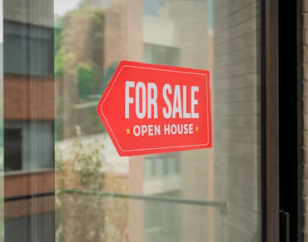
A powerful marketing strategy is what separates top agents from average ones. During your interviews, carefully evaluate each agent's plan to market your home. A basic plan includes professional photos and a listing on the MLS, but a great agent will offer much more.
Look for a customized marketing strategy designed to reach the most likely potential buyers for your home. This could include video tours, social media advertising, a dedicated property website, and a well-planned open house schedule. An agent’s local market knowledge plays a huge role here, as they should know which channels are most effective in your area.
Also, evaluate their communication skills throughout this process. Are they responsive to your calls and emails? Do they explain complex topics clearly? An agent with a strong online presence and excellent communication will be better equipped to engage buyers and keep you informed every step of the way.
Step 8: Review Commission Rates and Service Agreements
Before making a final choice, you must carefully review the proposed commission rates and service agreements from each agent. In the real estate industry, commissions are negotiable, and it's important to understand what you are paying for. A higher commission rate does not automatically guarantee better service.
Ask each agent to break down their commission structure. Typically, the total commission is split between the seller's agent and the buyer's agent. Understand what services are included for that fee. The best agent for you is one who provides excellent value, not necessarily the one with the lowest rate.
Thoroughly read any service agreements or contracts before signing. Look for clauses related to the length of the contract and your ability to cancel if you're not satisfied. A confident agent who has your best interests at heart may offer a flexible or cancellable agreement.
- Clarify the total commission percentage and how it is divided.
- Ask what specific marketing and services are covered by the commission.
- Inquire about the contract duration and any cancellation policies.
Step 9: Watch for Red Flags and Potential Issues
As you interview agents, it's just as important to watch for red flags as it is to look for positive traits. Certain behaviors can signal potential issues down the road. One of the most common red flags is an agent who suggests a significantly higher list price than anyone else without strong data to support it. This tactic, known as "buying the listing," can lead to a stale listing and eventual price drops.
Another warning sign is poor communication. If an agent is hard to reach or gives vague answers during the interview process, their communication style is unlikely to improve once you've signed a contract. In the real estate business, timely and clear communication is essential.
Be cautious of agents who pressure you to sign their service agreements immediately. A professional will give you time to review the contract and make a thoughtful decision.
- Promising an unrealistically high sale price to win your business.
- A history of representing both buyer and seller (dual agency) in a high percentage of their deals.
- A lack of transparency about their commission or contract terms.
Step 10: Make Your Final Decision and Sign an Agreement
After completing your research and interviews, it’s time to make your final decision. Review your notes on each agent, comparing their experience, marketing strategies, and communication styles. Trust the comprehensive process you’ve followed to guide you to the right choice.
While data and credentials are vital, don't discount your gut feeling. You're looking for a partner in this process, so finding the right fit is important. Choose the agent who not only has the best qualifications on paper but also made you feel most comfortable and confident.
At the end of the day, you want an agent you trust to advocate for you. Once you have made your choice, inform the agent and carefully review the listing agreement one last time before signing. This agreement formalizes your partnership and officially kicks off the process of selling your home.
Conclusion
Finding a reliable real estate agent is an essential step in ensuring a smooth and successful transaction, whether you're buying or selling your home. By understanding the key qualities that make an agent trustworthy and the various methods to identify them, you’re setting yourself up for success. From leveraging online platforms to utilizing personal referrals, there are numerous resources at your disposal. Remember, taking the time to thoroughly research agents and assess their qualifications can save you from potential pitfalls down the road. Your ideal agent is out there, ready to help you achieve your real estate goals. If you're ready to take the next step, get in touch for a free consultation and find the perfect match for your needs!
Frequently Asked Questions
What qualifications should a reliable real estate agent have?
A reliable real estate agent should have a valid state license and verifiable credentials. Look for a Realtor who is a member of the National Association of Realtors, as they are bound by a strict code of ethics. A proven track record of successful sales is also a key qualification.
How can I check an agent’s reputation and track record?
You can check an agent's track record by reading online reviews and testimonials on sites like Zillow and Realtor.com. Also, ask the agent for a list of their recent sales in your local market and for references from past clients to get a clear picture of their performance.
What are common mistakes to avoid when choosing an agent?
Common mistakes include hiring a real estate agent based solely on low commission rates, ignoring red flags like poor communication, or failing to verify their local knowledge and relevant years of experience. Don't choose an agent just because they suggest the highest list price without data to back it up.
Does a higher commission guarantee better service from an agent?
No, higher commission rates do not guarantee better service. The quality of a selling agent depends on their experience, negotiation skills, and marketing strategy. Focus on the value an agent provides to get you the best price, not just the cost of their commission.