Key Highlights
Here's a quick look at the 2010s home design trends we're leaving behind:
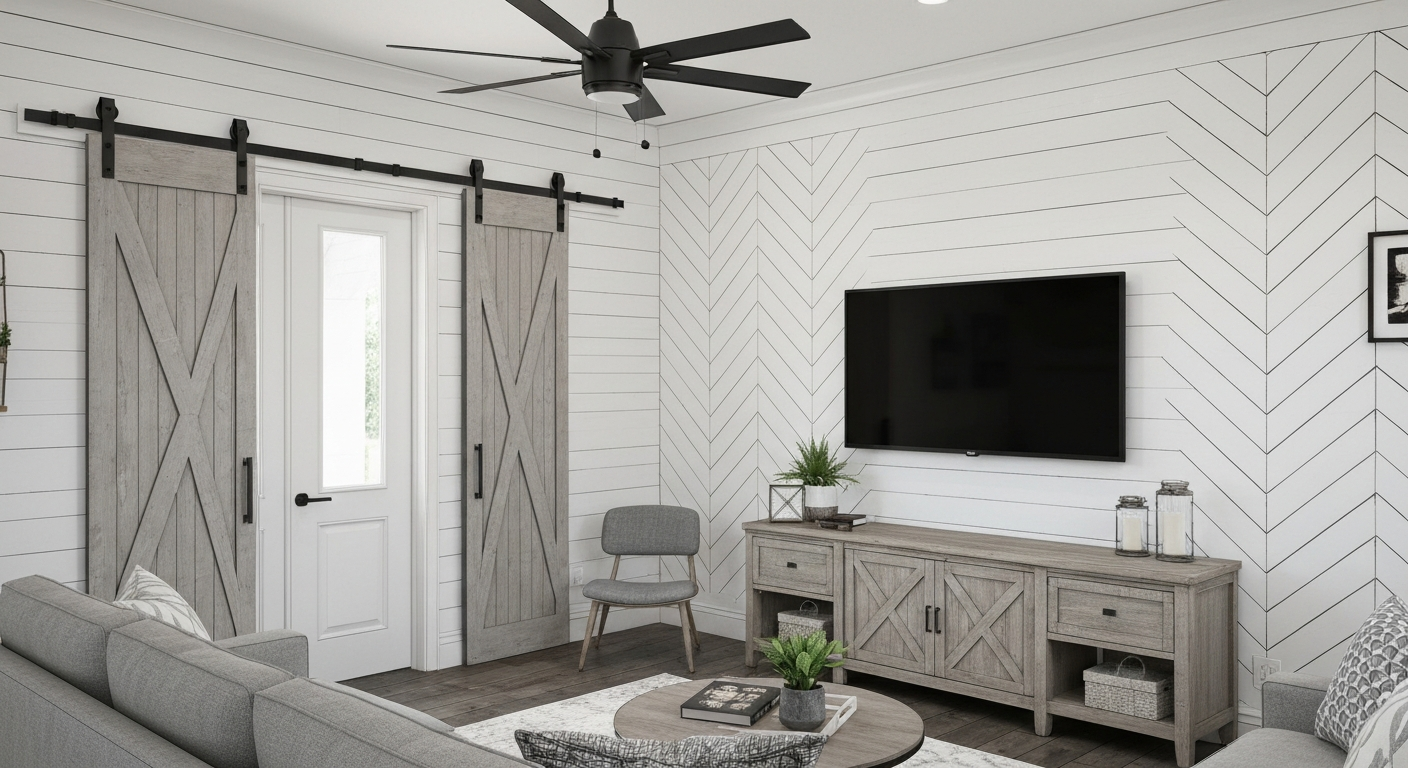
- The modern farmhouse style, popularized by television, led to an overuse of shiplap walls.
- Stark white interiors and extreme minimalism, once seen as chic, now often feel cold and impersonal.
- Chevron patterns saturated home decor, appearing on everything from rugs to accent walls.
- Industrial chic elements like Edison bulbs and reclaimed wood became a uniform look rather than a unique statement.
- Open shelving in kitchens proved to be more stylish on Pinterest than practical for everyday life.
- The overwhelming use of gray-on-gray color palettes is making way for warmer, more personalized hues.
Introduction
The 2010s were a transformative time for home design. Influenced by a post-recession mindset, the rise of social media, and popular renovation shows, our homes saw some dramatic shifts. From the cozy appeal of the modern farmhouse to the clean lines of minimalism, the last decade certainly left its mark on interior design. While many of these trends were exciting at the time, some have overstayed their welcome. It's time to look back at the trends that defined the decade and decide which ones we should happily forget.
2010s Home Design Trends We Need to Forget Now
As homeowners and interior designers look toward the future, it's natural to reassess the design trends of the last decade. Many of the most iconic home design elements from the 2010s, once fresh and new, now feel a bit dated. What felt like a must-have just a few years ago can make a space feel stuck in the past.
This is especially true for home decor styles that became so popular they ended up everywhere. Ready to refresh your space? Let's explore some of the 2010s trends that interior designers agree it's time to move on from.
1. Overused Shiplap Walls and Farmhouse Style

Thanks in large part to Joanna Gaines and the hit TV show "Fixer Upper," the modern farmhouse style took the design world by storm. Suddenly, everyone wanted shiplap. This wood paneling, once used for barns and historic homes, became a go-to for creating accent walls and adding rustic charm to any room.
The problem wasn't shiplap itself, but its overuse. It began appearing in homes with no connection to the farmhouse aesthetic, often paired with other clichés like barn doors. What was meant to add classic character started to feel like a uniform, stripping spaces of their unique personality.
While the cozy vibe of the farmhouse trend is understandable, the blanket application of shiplap made it lose its special appeal. Today, homeowners are looking for more unique ways to add texture and interest to their home decor, moving beyond the shiplap saturation of the 2010s.
2. Excessive Minimalism and Stark White Interiors
In the early 2010s, a "less is more" philosophy dominated interior design. Born from a post-recession cautiousness and the influence of Scandinavian modern design, minimalism was everywhere. This translated into stark, all-white interiors, especially the ubiquitous white kitchen, celebrated for their simplicity and clean lines.
This aesthetic, often called "Airspace," created a globally uniform look of spartan interiors, black and white color schemes, and a distinct lack of personal items. While the intention was to create a calm and uncluttered environment, these spaces often ended up feeling cold, sterile, and unwelcoming.
As we move into the next decade, the trend is shifting away from starkness. Homeowners are craving warmth, personality, and comfort. This means embracing texture, layering, and using thoughtful pops of color to bring life back into our homes, leaving the extreme minimalism of the 2010s behind.
3. Chevron Patterns Everywhere
Do you remember a time when you couldn't walk into a home decor store without seeing a zigzag pattern? The chevron pattern was a darling of design bloggers and homeowners in the early 2010s, celebrated for its bold, graphic appeal. It was an easy way to make a statement on a budget.
This motif popped up on almost every surface imaginable. It was a dominant force in home decor, but its saturation is what ultimately led to its downfall. Some of the most common applications included:
- Area rugs in living rooms and bedrooms
- Pillow covers and curtains
- Wallpaper for creating dramatic accent walls
While fun for a moment, the chevron pattern quickly became one of the most overused design trends of the decade. Its presence now instantly dates a space. If you're looking for a bold pattern, consider something a bit more timeless and less tied to a specific era.
4. Industrial Chic in Living Spaces
The industrial chic look brought a raw, urban edge to many homes in the 2010s. Think exposed brick, visible wood beams, Edison bulbs, and powder-coated metal fixtures. Initially, these industrial elements offered an interesting contrast to modern furniture in a living room, creating a look that felt both historic and edgy.
However, as the decade progressed, this style became formulaic. The same combination of reclaimed wood and metal appeared in homes, cafes, and workspaces, contributing to the "Airspace" phenomenon where every place started to look the same. The authenticity of the style faded as it became a mass-marketed collection of parts.
Design experts now suggest using these industrial elements more sparingly. Instead of an entire room dedicated to the theme, a single fixture or piece of furniture can add character without overwhelming the space. The evolution of living room decor is now about mixing styles to reflect personality, not adhering to a strict theme.
5. Open Shelving in Kitchens

Open shelving was one of the most popular kitchen design features of the 2010s. It looked stunning in magazines and on Pinterest, offering a chance to display curated collections of dishes and glassware. Often seen in a white kitchen, these shelves promised an airy, open feel.
The reality, however, was often less glamorous. Open shelving requires constant tidiness to look good and can be a magnet for dust and kitchen grease. For many, it simply lacked the practicality and durability of traditional cabinets. The trend led to a few common issues:
- Difficulty keeping items neat and organized
- The need for constant dusting and cleaning
- A cluttered look if not perfectly styled
While it can work for a small, decorative section, most homeowners are now moving back toward concealed storage. Modern kitchen design is prioritizing functionality and ease of maintenance, making open shelving a trend that's best left in the last decade.
6. Gray-Scale Color Palettes
During the 2010s, gray became the go-to neutral, replacing the beiges of previous decades. Entire homes were painted in varying shades of gray, creating a cohesive, gray-scale palette that was considered sophisticated and safe. This trend was especially prevalent in the early part of the decade when shoppers were more cautious.
The issue with an all-gray palette is that it can feel monotonous and drab, especially in rooms that lack abundant natural light. While intended to be calming, it can sometimes create a gloomy or uninspired atmosphere. The shift in home decor color palettes was dramatic, moving from warmer tones to exclusively cool ones.
Now, the pendulum is swinging back. While gray still has its place, homeowners and designers are reintroducing warmer neutrals, earthy tones, and bold pops of color. The goal is to create spaces that feel more personal, inviting, and full of life, rather than sticking to a restrictive, one-note palette.
7. Faux Taxidermy and Animal Accents
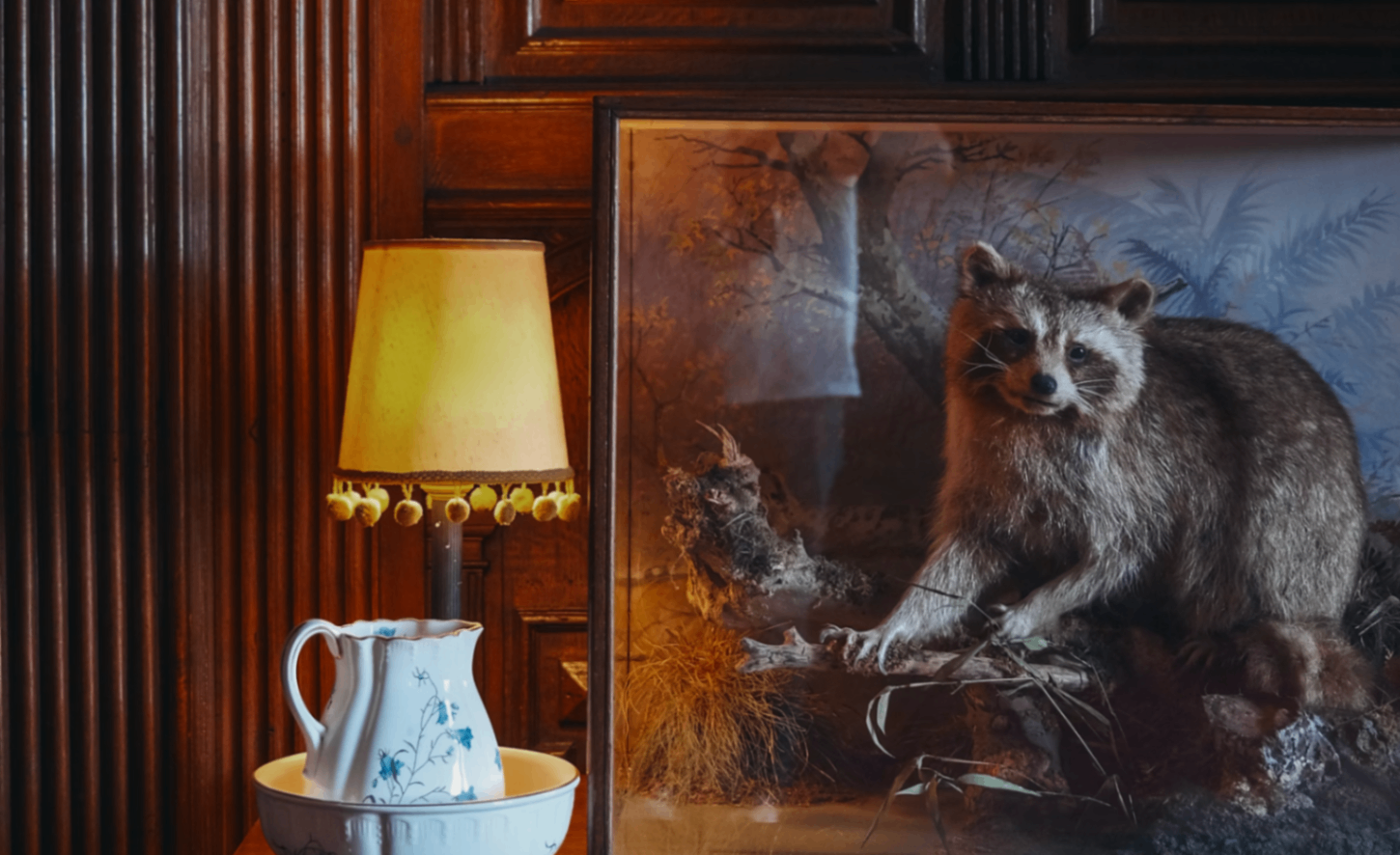
The 2010s saw a rise in quirky and whimsical home decor, and nothing says quirky quite like faux taxidermy. White ceramic deer heads, colorful resin antlers, and various other animal accents became popular wall accessories. It was a playful, cruelty-free take on a very traditional form of decor.
This trend was all about adding a touch of personality and an unexpected element to a room. For a while, these animal accents felt fun and novel. However, like many novelty items, their appeal was short-lived. The trend became so widespread that it lost its originality and now feels like a distinct marker of the era.
While incorporating personal accessories is key to good design, the faux taxidermy craze is one we can safely retire. Today's decor trends lean toward more timeless art, personal photographs, and unique objects that tell a story, rather than mass-produced animal heads.
8. Barn Doors as Room Dividers
Tied closely to the modern farmhouse trends, sliding barn doors became a hugely popular alternative to traditional hinged doors. They were used for entryways, pantries, closets, and as dividers between rooms, intended to add rustic charm and save space.
The main issue with barn doors is that they were often used out of context, appearing in sleek, modern homes where they looked out of place. They also lack the functionality of a real door, offering little in the way of soundproofing or privacy due to the gaps around the edges. This home decor choice was more about aesthetics than practicality.
As one of the most recognizable outdated styles from the 2010s, the barn door is being replaced by more functional and appropriate solutions. Pocket doors, French doors, or simply a classic, well-made door are better choices that offer timeless appeal without screaming "farmhouse."
Conclusion
As we look back on the home design trends of the 2010s, it's clear that some styles have overstayed their welcome. While shiplap, chevron patterns, and excessive minimalism may have once captured our hearts, it's time to embrace a more personalized and authentic approach to home decor. By letting go of these overused trends, we can create spaces that truly reflect our individuality and comfort. The key to a beautiful home lies in incorporating elements that resonate with you and your lifestyle. Don't be afraid to experiment with new ideas that evoke warmth and character. Share your thoughts on which trends you think should stay or go!