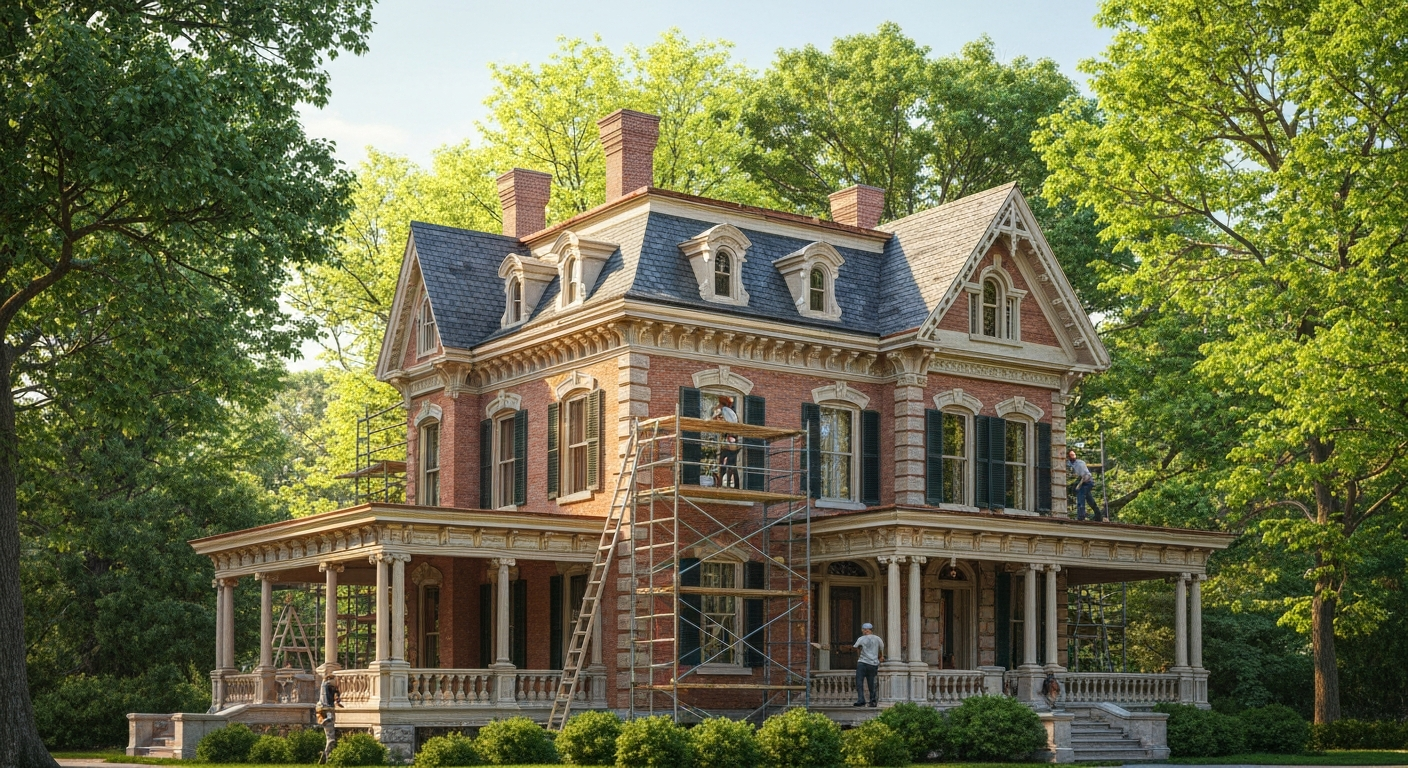
Key Highlights
Here's a quick look at what we'll cover in this guide to overcoming historic home restoration challenges:
- Restoring a historic home involves unique hurdles, from hidden structural integrity issues to complex building codes.
- Expect your renovation costs to be higher than a modern project; a contingency fund of 15-20% is essential.
- Careful planning begins with researching your home's history and understanding what makes it significant.
- Navigating permits for historic properties can be a lengthy process requiring expert guidance.
- You will likely encounter hazardous materials like lead paint and asbestos that need professional remediation.
Introduction
Owning a historic home is like being the caretaker of a piece of history. While restoring these historic properties is incredibly rewarding, the process comes with unique challenges that can be more complex than a standard home renovation. From uncovering unexpected issues behind walls to navigating strict preservation rules, the journey requires patience, passion, and a solid plan. This guide will help you understand and overcome the common obstacles you might face when bringing your historic property back to its former glory.
Understanding Historic Home Restoration in the United States
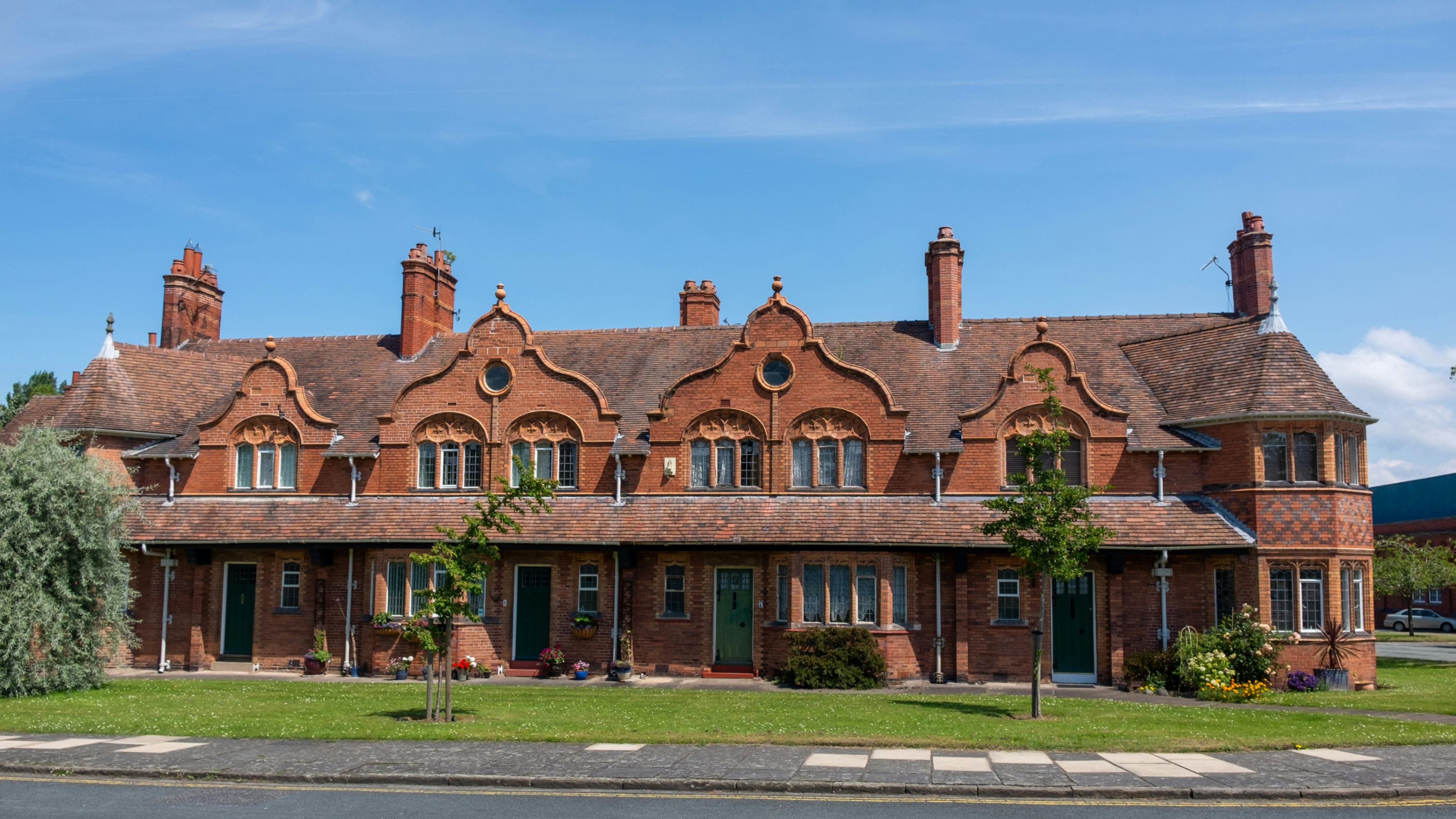
Historic home restoration is about more than just a typical home renovation; it's a commitment to historic preservation. The goal is to return a building to its original form, honoring its historical significance. This process respects the materials and craftsmanship of the past, ensuring that the story of the home continues for future generations.
Unlike a remodel that focuses on modernizing a space, a restoration prioritizes authenticity. Understanding this distinction is the first step in your project. We'll explore what makes a property "historic" and the key things you need to consider before you begin.
What Qualifies as a Historic Property?
What exactly gives a home historic status? It's not always just about age. While many historic properties are old, a home can also be deemed historic because of its architectural style, its connection to a significant event, or because a person of note once lived there. These factors contribute to a home's cultural heritage and historical integrity.
Your local historic preservation commission sets the specific criteria. It's crucial to determine if your home is officially considered historic before starting any work. This designation can limit the changes you're allowed to make, especially to the exterior.
One of the most important things to avoid is starting demolition or making stylistic changes without consulting your local experts and commission. Doing so can result in irreparable damage to the home's character and may lead to legal issues. Always get guidance first to ensure your plans respect the home's unique history.
Key Considerations Before Starting Restoration
A successful historic renovation relies on careful planning. Before you lift a single hammer, it's vital to set clear goals for the project. Are you planning a full restoration to a specific time period, or are you rehabilitating the property for modern life while preserving its character? Your goals will guide every decision you make.
Identifying hidden issues before you start is one of the biggest unique challenges. You can begin by:
- Researching your home’s history through property records, old photos, and local archives.
- Hiring an architectural historian to identify the original structure and any later additions.
- Working with contractors experienced in historic homes who know what to look for during inspections.
Understanding your home’s historical significance and potential pitfalls allows you to create more realistic project budgets. This forethought helps you prepare for the complexities ahead and ensures you can properly communicate your vision to your design and construction team.
Common Hidden Costs in Historic Home Restoration
Historic home renovation costs are almost always higher than those for modern homes due to hidden costs. Are there cost overruns unique to restoring historic properties? Absolutely. These unexpected costs often arise from issues that aren't visible until work begins. This is why having a contingency fund of at least 15-20% of your total budget is non-negotiable.
This financial cushion protects your project from being derailed by surprises like structural damage or systems that don't meet modern building codes. Let's look at some of the most common sources of these unforeseen expenses.
Uncovering Structural Surprises and Foundation Issues
Once you open up walls and floors, you may find a host of structural surprises. Decades of exposure to the elements can lead to foundation problems, water damage, dry rot, and pest infestations that have compromised the home's structural integrity. These issues are especially common in homes over 20 years old and require immediate attention and often significant, unbudgeted expense.
For example, what seems like a simple cosmetic update can reveal rotted support beams or a cracked foundation needing thousands of dollars in repairs. An architectural historian can help identify changes made over the years, but some problems remain hidden until demolition starts.
Here are some typical structural problems you might encounter:
Common Structural Issues
- Foundation Problems
- Common Causes & Signs: Settlement, inadequate footings, visible cracks in walls
- Water Damage & Mold
- Common Causes & Signs: Hidden leaks, musty odors, soft spots in framing or subfloors
- Termite/Pest Damage
- Common Causes & Signs: Compromised wood beams, floor joists, or support structures
- Load-Bearing Wall Surprises
- Common Causes & Signs: Walls thought to be cosmetic are actually supporting the structure
Addressing Outdated Utilities and Infrastructure
Another major source of hidden costs is outdated utilities. The electrical and plumbing systems in old homes were not designed for modern demands and often fail to meet current code compliance standards. This can pose serious safety risks, from fires to extensive water damage. How do restoration experts deal with this? They plan for a full replacement.
It's common to find that the entire home needs to be rewired or repiped to be safe and functional. This work is invasive and expensive but absolutely necessary. For example, your team may need to upgrade the main service panel, replace old wiring, or install new, efficient plumbing lines throughout the house.
Common outdated systems that require professional attention include:
- Knob-and-tube or aluminum electrical wiring.
- Galvanized or cast iron pipes that are corroded or collapsed.
- Electrical systems lacking modern safety features like GFCI outlets.
Navigating Permits, Zoning, and Regulatory Hurdles
Why are permits and regulations often a hurdle in historic home remodeling? When your renovation project involves a designated historic property, especially one in a historic district, you must navigate an extra layer of oversight. Local preservation commissions have rules designed to protect the home's historic character, which can make the approval process much longer and more complex than for a typical home.
These regulations affect everything from exterior paint colors to window replacements. Failing to achieve code compliance or secure the right permits can halt your project and lead to costly fines. Below, we'll discuss why this compliance is so important and how to prepare for it.
Why Compliance is Crucial for Historic Homes
Following the rules set by your local historic preservation office isn't just about avoiding penalties; it's about respecting our shared cultural heritage. These regulations are in place to prevent the loss of historic character and ensure that renovations are done with care. They govern everything from material choices to structural changes, all to maintain the home’s authenticity.
Skipping this step or ignoring the guidelines can lead to serious consequences. Code violations can result in stop-work orders, fines, and even being forced to undo work you’ve already paid for. The review process can be slow, sometimes taking weeks or months, as it may involve public comment and multiple layers of approval.
This oversight is why permits are a hurdle; the process is intentionally thorough to protect historic homes. Working closely with your commission from the start ensures your project proceeds smoothly and legally, honoring the history you're working to preserve.
How to Prepare for Inspections and Paperwork
The key to a smooth approval process is preparation. Start by consulting with experts in your area who are familiar with local regulations for historic homes. They can guide you through the required paperwork and help you anticipate the demands of the review board, which will save you time and frustration.
Proper documentation is your best asset. You should avoid starting any project without a clear plan and the right team. Before you even submit an application, it is wise to:
- Research your home's history to understand its character-defining features.
- Work with an architectural historian to create a timeline of construction and additions.
- Develop detailed plans that specify the appropriate materials you intend to use.
This level of preparation shows the commission that you are a responsible steward of the property. It also helps you create more accurate project budgets and timelines, as you'll have a better understanding of what will be required during inspections.
Preserving Original Features While Ensuring Livability
One of the greatest challenges in a historic renovation is striking a delicate balance between preservation and modern living. How do owners preserve original features while making a historic home livable today? The goal is to update the home for comfort and safety without sacrificing its historic character and architectural integrity.
This means carefully considering which elements can be restored and which need to be replaced to meet modern building codes. The following sections will offer techniques for restoring decorative details and integrating contemporary comforts seamlessly.
Techniques for Restoring Decorative Elements and Masonry
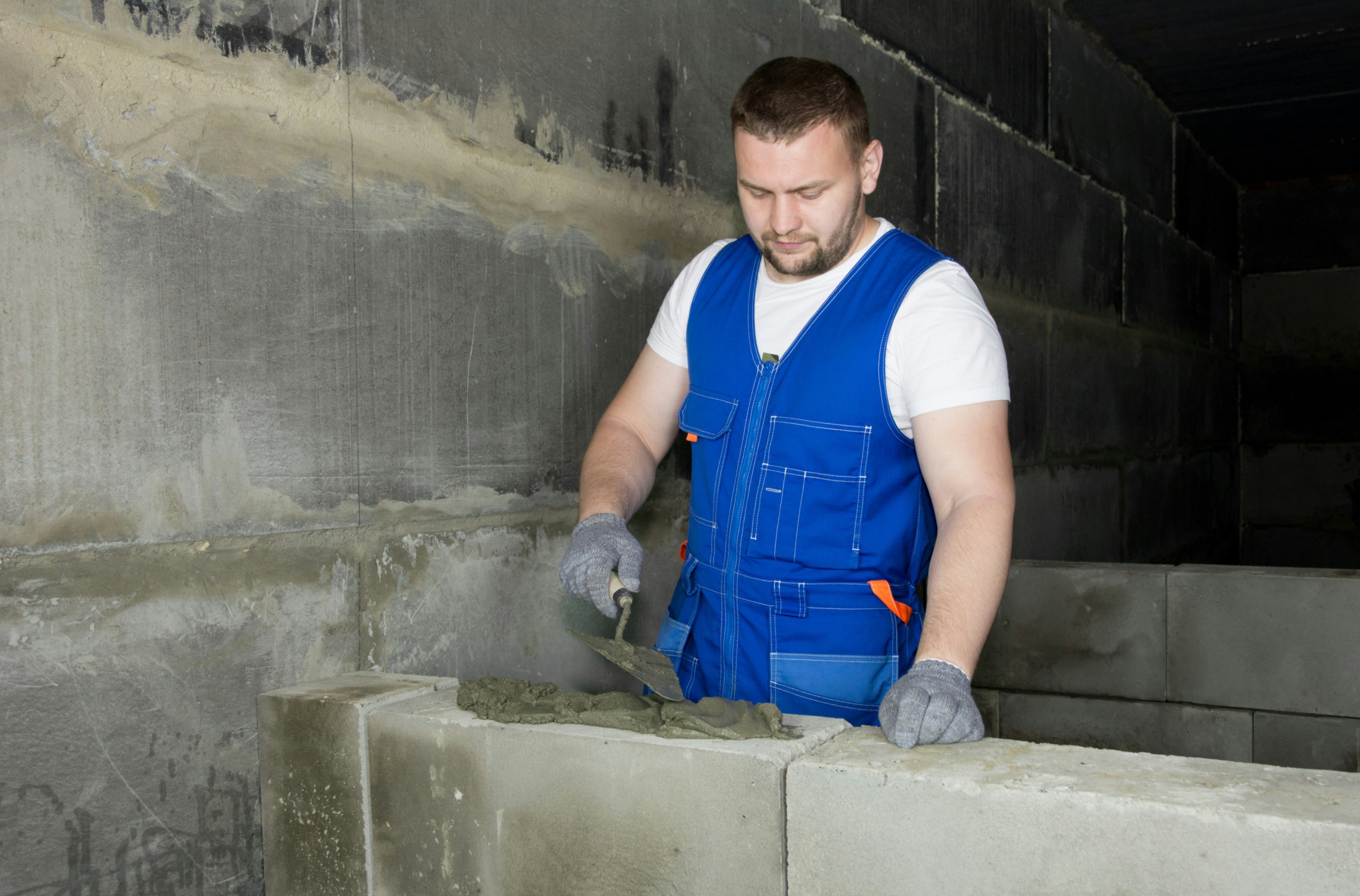
Preserving the unique decorative elements of your home is essential for maintaining its historic soul. Features like intricate woodwork, plaster moldings, and original masonry tell the story of the home's past. Instead of replacing them, the best approach is to hire skilled craftspeople who specialize in historic renovation techniques.
These artisans can carefully repair and restore original materials, from fixing cracks in plaster to repointing brick with historically appropriate mortar. When parts are too damaged to save, they can often replicate them using traditional methods and materials, ensuring the new pieces blend seamlessly with the old.
For elements like wallpaper and paint, you can consult historic collections at museums or archives. Many manufacturers even create replicas of antique wallcoverings. This attention to detail ensures that the decorative elements continue to define the home's character for years to come.
Balancing Modern Comforts with Historic Character
While preserving historic character is paramount, your home also needs to be comfortable and functional for 21st-century life. Integrating modern systems for energy efficiency and convenience is possible without disrupting the home's architectural style. The key is to make updates that are respectful and, where possible, reversible.
For example, instead of replacing original single-pane windows, you can have them restored and add storm windows for better insulation. This maintains the look of the old wavy glass while improving energy efficiency. Similarly, new heating and cooling systems can be installed with minimal impact on the historic fabric of the building.
Here are a few ways to balance modern needs with historic preservation:
- Upgrade electrical and plumbing systems to meet modern building codes for safety and functionality.
- Convert wood-burning fireplaces to gas for convenience while keeping the original mantel.
- Adapt the layout to modern living by repurposing rooms rather than tearing down original walls.
Solutions for Hazardous Materials in Old Homes
When you're working on older buildings, it’s almost certain you'll encounter hazardous materials. Lead paint and asbestos were common construction materials for decades and pose serious health risks if disturbed. What solutions exist for dealing with these dangers? The only safe answer is professional remediation.
Attempting to remove these materials yourself can release toxic dust into the air, endangering your family and your construction crew. We'll explore the most common risks and explain why hiring certified professionals is the only way to handle them.
Handling Lead Paint, Asbestos, and Other Health Risks
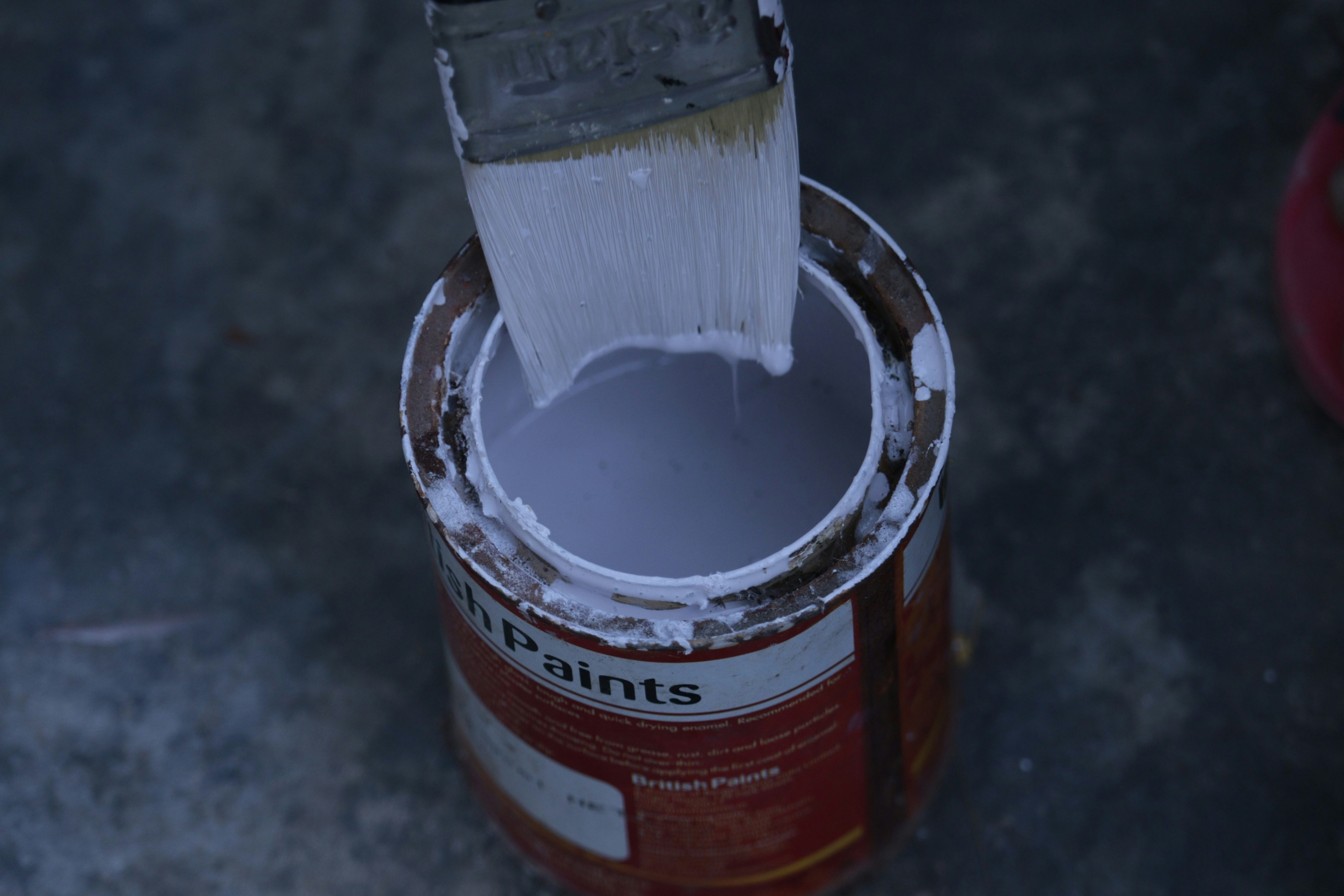
Homes built before 1980 often contain hazardous materials that present significant health risks during a renovation. Lead paint is one of the most common, found on walls, trim, and windows. When sanded or scraped, it creates toxic dust that can cause serious health problems, especially in children.
Asbestos is another danger, frequently found in insulation, flooring, and siding. Like lead, its fibers become airborne when disturbed and can lead to severe respiratory diseases. An older home may also contain mold hidden in walls or other dangerous substances.
Given these risks, you should never try to remove these materials yourself. The best solutions involve containment and professional removal. Here are some of the key health risks to be aware of:
- Lead paint, which requires professional encapsulation or abatement.
- Asbestos in insulation, tiles, or pipe wrap.
- Mold growth from hidden water damage.
Safe Remediation and Professional Services
The only safe and effective solution for hazardous materials is hiring certified professional services. These companies specialize in remediation and have the training, equipment, and skilled labor to handle toxic substances according to strict safety protocols. They know how to contain the work area to prevent contamination of the rest of your home.
This specialized work ensures code compliance and protects the health of everyone involved. Professionals will test for hazardous materials, develop a remediation plan, and safely remove and dispose of them. This is not an area to cut costs, as the long-term health consequences of improper removal are severe.
By investing in professional remediation, you can have peace of mind that your old home is free from these hidden dangers. It’s a critical step in making your historic house a safe and healthy environment for your family to live in.
Conclusion
Overcoming the challenges of historic home restoration can be a daunting journey, but it’s also a rewarding one. By understanding the unique considerations and hidden costs involved, you can make informed decisions that honor the character of your home while ensuring its safety and livability. From navigating permits to preserving original features, every step is crucial in maintaining the integrity of these cherished properties. Remember, the journey may be complex, but with careful planning and expert help, your historic home can be transformed into a beautiful blend of past and present. If you're ready to take the next step, consider reaching out for a consultation to discuss your restoration plans!