Key Highlights
- A successful open house is a great way to attract potential buyers and sell your home faster.
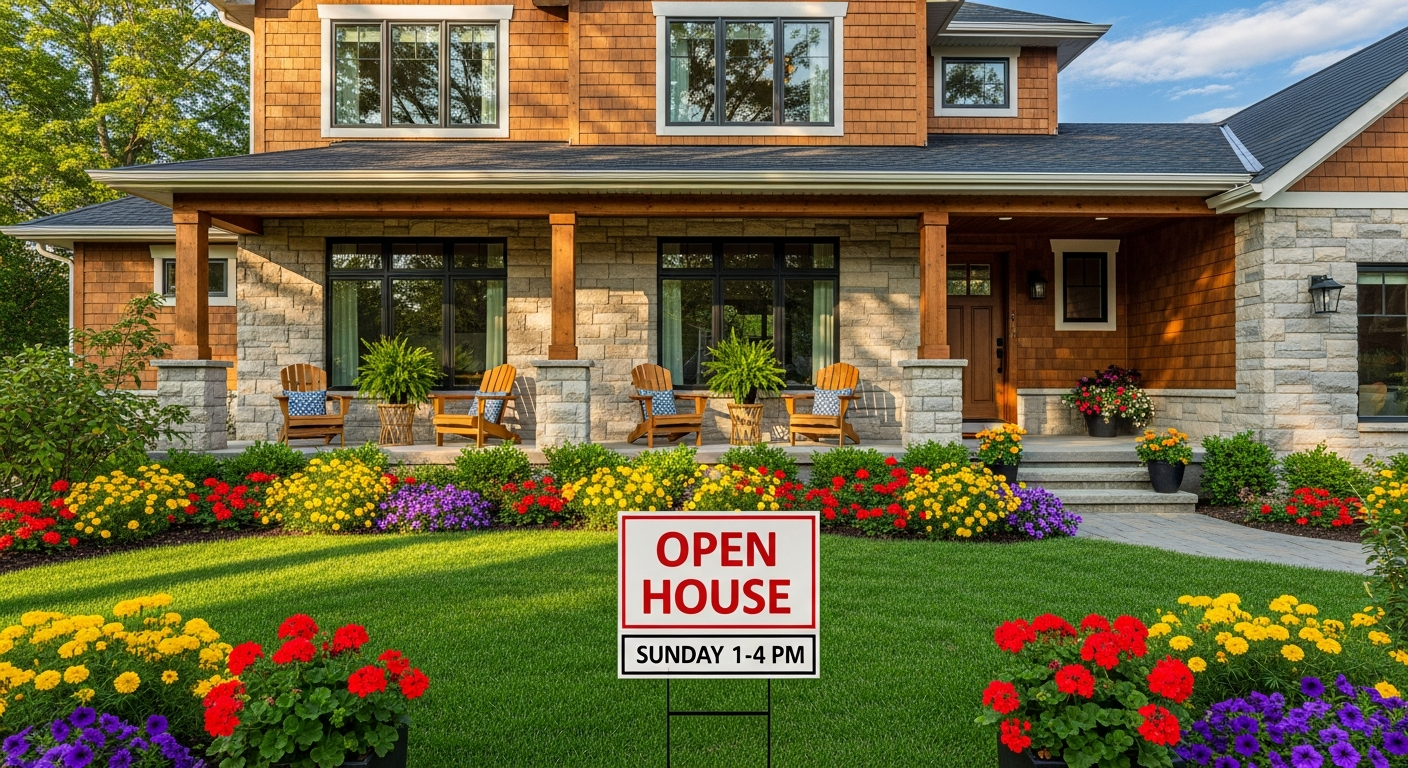
- First impressions are crucial; focus on boosting your home's curb appeal and creating an inviting atmosphere.
- Decluttering, depersonalizing, and deep cleaning your home are essential steps before any showing.
- Let your real estate agent handle the open house to allow buyers to comfortably envision themselves in the space.
- Choosing the right agent is key; look for one with proven data and local expertise to guide you through the process.
- Following up with interested buyers after the event can help secure offers and lead to a quicker sale.
Introduction
You've cleaned, staged, and listed your home, but getting buyers through the door is the next big step in your real estate journey. An open house is a fantastic way to showcase your property without the pressure of a private tour. It creates an inviting atmosphere where potential buyers can explore at their own pace and truly experience what your home offers. This guide provides essential open house tips for sellers to help you stand out, attract serious buyers, and move closer to a successful sale.
Understanding the Importance of a Standout Open House
In a competitive market, you need every advantage to make your property shine. A standout open house gives you the chance to highlight your home’s best features in person, something photos alone can't always capture. It’s your opportunity to make strong first impressions on a wide range of potential buyers.
A successful open house can generate buzz and create a sense of urgency, potentially leading to faster offers. It allows buyers to experience the home's unique character and charm firsthand, helping them form a personal connection with the space.
Why First Impressions Matter for Home Sellers
When selling your home, first impressions are everything. The moment potential buyers arrive, they begin forming an opinion. A positive initial experience can set an encouraging tone for the rest of the tour, making visitors more receptive to your home's features. This is why boosting your home's curb appeal is so critical.
A well-maintained exterior signals that the rest of the house is also in good condition. As buyers walk toward the front door, a tidy lawn, clean walkway, and welcoming entryway make them feel at ease. An unkempt yard or a worn-out front door can be a major turn-off before they even step inside.
Your real estate agent can help you identify key areas to improve, but simple touches can make a huge difference. You want buyers to feel welcomed and excited from the very first glance, which increases the likelihood they will picture themselves living there.
Key Benefits of Hosting a Successful Open House
Hosting a successful open house is one of the best ways to generate significant interest in your property. It’s an efficient real estate strategy that exposes your home to a large number of potential buyers in a short amount of time, increasing your chances of a quicker sale.
This high volume of foot traffic can create a sense of competition among visitors, sometimes leading to multiple offers. It’s also a low-pressure environment for buyers who might be in the early stages of their search and not yet working with an agent.
A well-executed open house offers several advantages:
- Attracts more potential buyers in a single day.
- Creates a sense of urgency that can lead to faster offers.
- Allows buyers to experience the home's layout and atmosphere.
- Provides valuable feedback from visitors.
- Increases overall exposure for your listing.
What You Need to Get Started with an Open House
Preparing for an open house involves more than just cleaning. Having the right plan and materials on hand will ensure the day goes smoothly and your home looks its best. Careful planning is key to creating a welcoming and memorable experience for every visitor.
Your real estate team will handle much of the promotion and logistics, but as the seller, your role in preparing the house itself is crucial. From gathering essential supplies for last-minute touch-ups to ensuring marketing materials are ready, a little preparation goes a long way.
Essential Supplies and Materials for Preparation
Before your open house, it's wise to have a few essential supplies ready for final preparations. These items can help you make small but impactful improvements that enhance your home's appeal. Things like cleaning wipes, touch-up paint, and extra light bulbs are good to have on hand.
Making sure your home is bright and inviting is a top priority. Check all your light fixtures and replace any burnt-out bulbs. A fresh coat of paint on the front door can make a fantastic first impression, while decluttering closets shows you have enough storage space.
Here are a few key supplies to consider:
- Cleaning supplies for last-minute wipe-downs.
- Fresh flowers or a new welcome mat for the entryway.
- Light air fresheners or candles for a pleasant scent.
- Bins or boxes to quickly store personal items out of sight.
Resources for Marketing and Promoting Your Open House
Getting the word out is essential for a well-attended open house. Fortunately, your real estate agent will manage most of the marketing efforts, using their expertise and network to attract interested buyers to your open house event.
They will leverage various channels to ensure maximum visibility. This often includes listing the event on major real estate websites, promoting it on social media, and sending email blasts to their client list and other agents. Don't underestimate the power of traditional methods, either.
Your agent will likely use these marketing resources:
- Online listings on real estate platforms.
- Social media posts and targeted ads.
- Email campaigns to a network of buyers and agents.
- Physical signs and flyers in your neighborhood.
Step-by-Step Guide: How to Prepare and Host a Winning Open House
A winning open house requires careful planning and execution. By following a clear, step-by-step process, you can enhance your home’s appeal and make a lasting impression on potential buyers. Each detail, from cleanliness to staging, contributes to the overall experience.
Working with your real estate agent, you can create a strategy to showcase your home’s best features. This guide will walk you through the essential steps to prepare your property, attract visitors, and create an atmosphere that encourages offers.
Step 1: Declutter, Depersonalize, and Deep Clean Your Home
The first step in preparing for an open house is to create a clean, neutral canvas. You need to declutter and depersonalize your space so buyers can envision themselves living there. This means removing personal items, such as family photos, collectibles, and refrigerator art.
Once you’ve put away personal effects, it’s time for a deep clean. Your home needs to sparkle from top to bottom. Pay special attention to high-traffic areas like the kitchen and bathrooms. Remember that visitors will likely look inside closets and cabinets, so make sure these spaces are organized and tidy.
Key tasks for this step include:
- Removing all family photos and personal keepsakes.
- Clearing countertops in the kitchen and bathrooms.
- Organizing closets to showcase storage space.
- Scrubbing windows, baseboards, and floors until they shine.
Step 2: Stage Your Home to Highlight Its Best Features
After cleaning and decluttering, the next step is to stage your home. Staging isn't about hiding flaws; it's about highlighting your home's best features and helping buyers see its full potential. The goal is to create a warm, inviting atmosphere that feels like home.
Proper furniture placement can make rooms feel larger and improve the flow. Arrange furniture to create clear walking paths and showcase the room's purpose. Open all blinds and curtains to let in as much natural light as possible, making the space feel bright and airy.
Consider these staging tips to impress buyers:
- Rearrange furniture to maximize space and flow.
- Add throw pillows or a cozy blanket to the living room sofa.
- Set the dining table to help buyers visualize entertaining.
- Place fresh towels and a new bar of soap in the bathrooms.
Step 3: Boost Curb Appeal and Create a Welcoming Atmosphere
The exterior of your home is the first thing buyers see, so boosting curb appeal is non-negotiable. A well-maintained exterior creates a great first impression and increases your home’s perceived value. Start with simple tasks like mowing the lawn, trimming bushes, and cleaning up any yard debris.
Pay special attention to the front porch and entryway. A fresh coat of paint on the front door can make a big impact. Ensure outdoor light fixtures are clean and working. On the day of the open house, sweep the porch and driveway and add a new welcome mat.
To create a welcoming atmosphere, you can:
- Add a seasonal wreath to the front door.
- Place colorful potted plants on the front porch.
- Add fresh mulch to garden beds.
- Hide trash cans, hoses, and other unsightly items.
Step 4: Market Your Open House to Attract More Buyers
To have a successful open house, you need to market it effectively to attract as many buyers as possible. Your agent will handle most of the promotion, but it’s helpful to understand the strategy. A multi-channel approach ensures maximum visibility.
Promotion should start about a week before the event. This includes online listings, social media posts, and email campaigns. On the day of the open house, well-placed directional signs are crucial for guiding visitors to your home. It's also wise to check for any major local events that might conflict with your chosen time.
Here's a sample marketing timeline:
Time Frame / Marketing Task
1 Week Before
Schedule professional photos and list the event online.
5 Days Before
Begin promoting on social media and through email.
2-3 Days Before
Place "Open House" riders on your "For Sale" sign.
Day Of
Place directional signs at key intersections in the morning.
Choosing the Right Real Estate Agent for Your Open House
Your real estate agent is your most valuable partner in the selling process. They don't just host the open house; they market it, engage with qualified buyers, and handle negotiations. The right agent can make the difference between a lingering listing and a quick, profitable sale.
When choosing an agent, it's important to look beyond personality. You need someone with a track record of success, deep local knowledge, and a strategy backed by proven data. An excellent agent will know exactly how to position your home to attract the right audience.
Qualities That Make a Real Estate Agent Stand Out
What separates a good real estate agent from a great one? An exceptional agent combines market knowledge with a data-driven approach. They don't just guess at pricing or marketing strategies; they use proven data to inform every decision, ensuring your home is positioned correctly from the start.
Local expertise is another critical quality. An agent who knows your neighborhood inside and out can highlight its best features, from top-rated schools to community amenities. They understand what buyers in your area are looking for and how to appeal to them effectively.
Look for these key qualities in a real estate agent:
- A strong history of sales in your area, supported by data.
- Excellent communication skills and responsiveness.
- A comprehensive marketing plan for your property.
- A supportive real estate team to ensure a smooth process.
How TrueParity Helps You Find Top Agents with Proven Data
Finding a real estate agent with a verifiable track record can be challenging. This is where TrueParity comes in. TrueParityis a real estate tech company that takes the guesswork out of finding a top-performing agent by using proven data to match you with the best professionals in your area.
Instead of relying on word-of-mouth or advertisements, you can use a data-driven platform to make an informed choice. TrueParity analyzes agent performance metrics, so you can connect with someone who has demonstrated success in selling homes like yours. This ensures you're working with a professional who can attract qualified buyers and secure the best possible outcome for your sale.
Choosing an agent based on their actual performance history gives you a significant advantage. With TrueParity, you can confidently select a real estate agent who has the skills and experience to manage your open house and entire selling process effectively.
Do’s and Don’ts for Sellers During Open Houses
On the day of your open house, your primary role is to ensure the house is ready and then step aside. Knowing the key do's and don'ts can help the event run smoothly and prevent you from accidentally deterring potential buyers.
Trust your real estate agent to manage the showing. They are trained to interact with visitors, answer questions professionally, and highlight your home’s selling points. Following some simple guidelines will allow your agent to do their job effectively and create a positive experience for everyone.
What Sellers Should and Shouldn’t Do During Showings
During the open house event, your presence can make potential buyers feel uncomfortable. It’s best to leave and let your real estate agent handle everything. Buyers need to feel free to explore and speak openly without feeling like they are intruding in your space.
Before you leave, make sure the house is in perfect showing condition. Turn on all the lights, open the blinds, and do a final walkthrough to put away any last-minute clutter. Also, ensure any valuables or sensitive documents are securely stored away or removed from the property entirely.
Here are a few essential do's and don'ts:
- Do leave the house for the entire duration of the open house.
- Don't follow visitors around or try to "sell" them on your home.
- Do take your pets with you.
- Don't leave personal items like mail or medication in plain sight.
Should You Be Present or Let the Agent Handle Everything?
One of the most common questions sellers have is whether they should be present on the day of the open house. The overwhelming consensus from real estate professionals is no. Your presence, no matter how well-intentioned, can create an awkward atmosphere for potential buyers.
Visitors may feel hesitant to open closets, test faucets, or have candid conversations about the property's pros and cons if you are there. They need the freedom to imagine the house as their own, and they can't do that with you watching over them.
Trust your real estate agent to do what you hired them for. They are skilled at:
- Greeting buyers and making them feel welcome.
- Answering questions objectively and professionally.
- Gathering feedback and identifying serious prospects.
Following Up After Your Open House
The work isn't over when the last visitor leaves your open house. The follow-up phase is crucial for converting interest into offers. Your agent will take the lead in contacting interested buyers and their agents to gather feedback and answer any additional questions.
This feedback is incredibly valuable. It can provide insights into how your home is perceived and highlight areas you might need to improve for future showings. A strategic follow-up process keeps the momentum going and shows buyers you're serious about selling.
Best Practices for Responding to Interested Buyers
Prompt and professional follow-up is key to nurturing leads from your open house. Your real estate agent will manage this process, using the contact information collected from the sign-in sheet. The goal is to keep your property top-of-mind and encourage the most promising visitors to take the next step.
Within 24 hours of the open house, your agent should reach out to all attendees who provided their information. This initial contact is typically a thank-you email that might include a link to the property listing or answers to frequently asked questions.
Best practices for follow-up include:
- Sending a personalized thank-you message promptly.
- Providing any additional information requested during the visit.
- Inviting highly interested buyers for a private second showing.
- Keeping track of all interactions to prioritize the most serious leads.
How to Assess Feedback and Improve Future Showings
The feedback gathered after an open house is a goldmine of information. Your agent will compile comments and concerns from potential buyers, giving you a clear picture of your home's strengths and weaknesses from a fresh perspective. It's important to review this feedback objectively.
Use this information to make strategic adjustments for future showings. If multiple people commented on a specific issue, like a dark room or a cluttered space, address it. This process of continuous improvement can significantly increase your chances of receiving a strong offer.
To make the most of visitor feedback:
- Look for recurring themes or comments.
- Discuss potential changes with your agent, such as staging adjustments.
- Consider if a price adjustment is necessary based on market response.
- Use the insights to refine your selling strategy moving forward.
Conclusion
In conclusion, hosting a successful open house requires careful planning and execution. By focusing on key elements like staging, curb appeal, and effective marketing, you can create an inviting atmosphere that attracts potential buyers. Choosing the right real estate agent is crucial—look for qualities that align with your goals and ensure they have the data-driven expertise to help you succeed. With the support of TrueParity, you can find top agents in your area who are backed by proven data. Take the time to prepare and follow up after your open house, and you'll be well on your way to standing out and selling your home fast. For more insights and assistance, don’t hesitate to explore how TrueParity can help you in your real estate journey.
Frequently Asked Questions
What small improvements can help my home sell faster during an open house?
Small improvements can make a big difference. Apply a fresh coat of paint to key rooms, update old light fixtures, and enhance curb appeal with new outdoor furniture. Inside, adding new throw pillows or a cozy blanket can make a space feel more inviting and help your home sell faster.
What are common mistakes sellers make at open houses?
Common mistakes include leaving out personal items like family photos, which prevents buyers from picturing themselves in the home. Other errors are not creating an inviting atmosphere in the living room, hovering during the showing, or not letting the real estate agent take full control of the event.
How do I promote my open house to reach more buyers?
To reach more buyers, promote your open house event on social media and major real estate websites. Avoid scheduling during major local events. On the day, use clear directional signs to guide visitors to your front door. Your agent will also tap into their network to maximize exposure.
What is the best way to find a qualified real estate agent?
The best way to find a qualified real estate agent is by using a service that relies on proven data. A platform like TrueParity helps you connect with top-performing agents in your area who have a demonstrated history of attracting qualified buyers and successfully closing sales, backed by a strong real estate team.