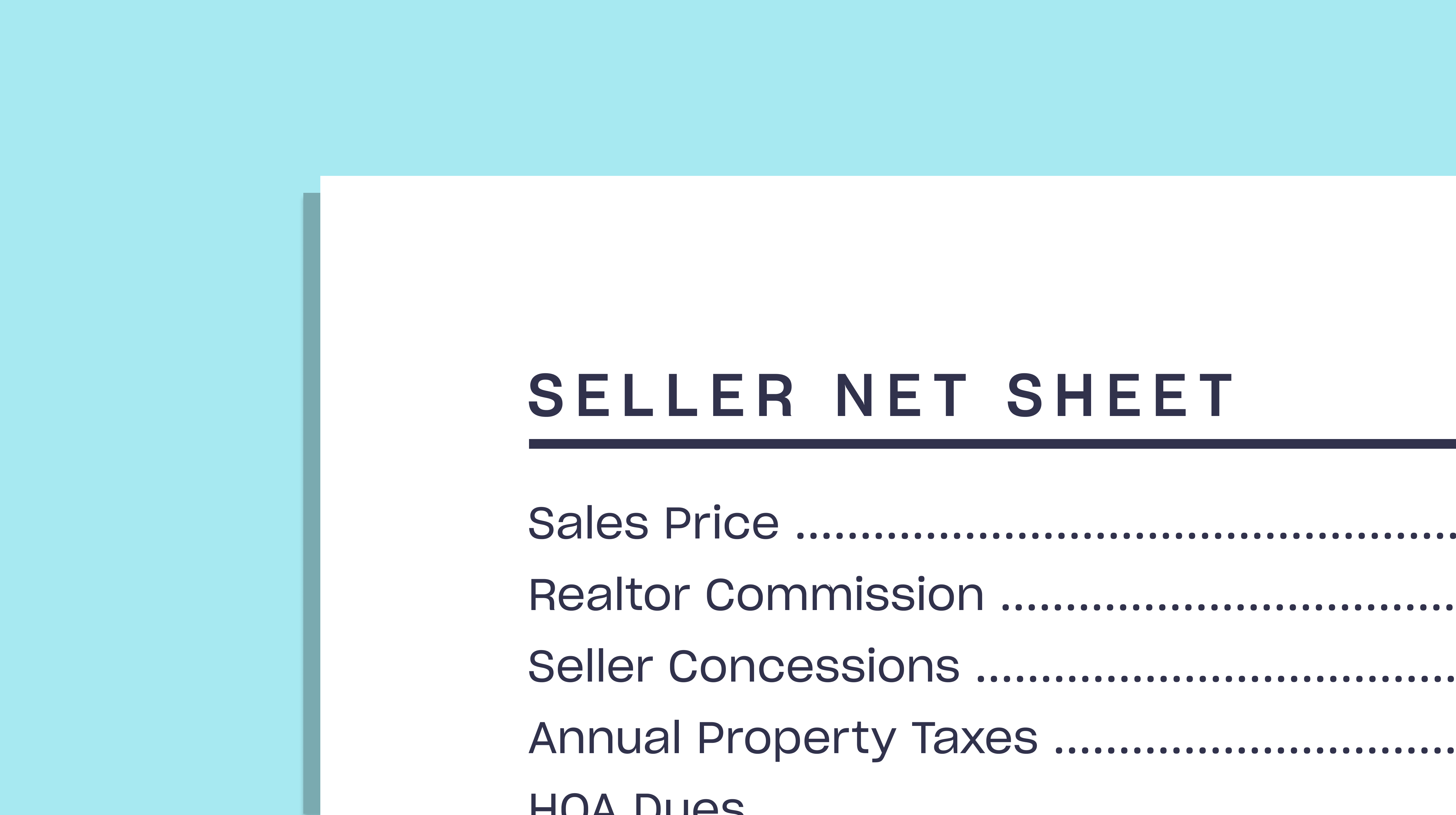
Key Highlights
- Selling through a realtor often means a higher sale price, but you'll pay a realtor commission, while a cash buyer may offer less but with fewer fees.
- Agent commissions and closing costs directly reduce your net proceeds from the home sale.
- The standard realtor commission is typically 5-6% of the sale price, traditionally paid by the seller.
- Choosing a cash buyer offers convenience, speed, and certainty in the selling process.
- Discount brokers provide a cost-saving alternative with lower commission rates or flat fees.
- Your final choice depends on your priorities, whether it's maximizing profit, saving time, or ensuring a quick close.
Introduction
Deciding how to sell your home is one of the biggest financial choices you'll make. The path you choose—whether it's the traditional real estate route or a direct sale to a cash buyer—has a major impact on your final net proceeds. This guide will explore the differences between paying a realtor commission and the net proceeds you can expect from a cash buyer. Our goal is to provide the clarity you need to make an informed decision and feel confident about your home sale.
Understanding Realtor Commissions in the United States
When you decide to sell your home with a real estate agent, one of the most significant costs you'll encounter is the realtor commission. This fee is the primary way agents are compensated for their services, and it's typically calculated as a percentage of the final sale price.
Understanding how these commission rates work is crucial for home sellers. It directly affects the amount of money you walk away with at closing. Knowing the details about agent fees will help you determine if hiring a listing agent is the right choice for your financial situation.
What Are Typical Realtor Commission Rates?
In the United States, the typical commission rates for a real estate agent usually fall between 5% and 6% of the home's final sale price. The national average hovers around 5.57%, but this figure isn't set in stone. Agent compensation can vary based on several factors.
Local real estate market conditions and regional practices play a significant role. In a competitive market, you might find more flexibility in commission rates. Furthermore, an agent's experience and the scope of services they provide can also influence the final agent fees. According to the National Association of Realtors, these rates have been a long-standing practice, but recent changes are creating more options for sellers.
Ultimately, these commission rates are deducted from your sale proceeds at closing. For example, on a $400,000 home sale with a 6% commission, you would pay $24,000 in fees. This directly reduces the amount you net from the sale, making it a critical factor to consider when planning your budget.
Who Usually Pays Realtor Fees – Seller or Buyer?
Traditionally, the home seller has been responsible for paying the realtor fees for both their own agent (the seller's agent) and the buyer's agent. This commission cost is outlined in the listing agreement you sign with your agent before your home is put on the market. The total commission is then taken from the proceeds of the home sale at closing.
However, new rules that took effect in August 2024 have changed this dynamic. While sellers can still offer to pay the buyer's agent commission to make their home more attractive, it is no longer mandatory. Buyers may now negotiate this fee directly with their own agents and could be responsible for paying it themselves, either out of pocket or by rolling it into their home loan.
This shift has significant implications for a seller's net proceeds. If you are not covering the buyer's agent commission, your overall commission costs for the real estate transaction will be lower. This gives you more control over the expenses associated with your home sale and could increase the final amount you receive.
How Realtor Commissions Are Calculated
The most common model for calculating real estate commission is a percentage of the final purchase price. This rate, typically between 5% and 6%, is agreed upon in the listing service agreement before your home ever hits the market. For instance, if your home sells for $500,000 and the agreed-upon commission rate is 6%, the total commission would be $30,000.
Let's walk through an example. On a $400,000 home with a 6% commission, the total agent compensation is $24,000. This amount is subtracted from the sale proceeds at closing. It’s important to remember that this is a significant cost that directly impacts your final profit from the sale.
This total commission is not kept by a single person. It is subject to agent splits. The $24,000 is usually divided between the listing agent and the buyer's agent. A common split is 50/50, meaning each agent's brokerage receives $12,000. The agents then receive their portion from their respective brokerages, which also take a cut.
The Traditional Home Selling Process with a Realtor
When you partner with a listing agent, you are initiating the traditional home selling process. This journey involves leveraging an agent's expertise in pricing, marketing, and navigating the complexities of the real estate market. They handle everything from listing your home to negotiating offers on your behalf.
Your agent’s marketing efforts and negotiation skills are funded by the commission. This fee is distributed among the involved parties, which in turn impacts your final proceeds. We'll now look at the specific roles agents play and how commissions are split.
Key Roles and Value Provided by Listing Agents
A listing agent provides a wide range of services designed to sell your home for the best possible price. They act as your guide and advocate throughout the entire process, handling tasks that many sellers find overwhelming. Their primary value lies in their expertise and the resources they bring to the table.
From professional photos and staging advice to extensive marketing efforts, a good agent ensures your home gets broad exposure to potential buyers. Their role is to make your property stand out in a competitive market. Here are some key services they provide:
- Marketing and Exposure: Listing on the Multiple Listing Service (MLS), creating online listings, and arranging professional photos.
- Pricing Strategy: Conducting a comparative market analysis to set a competitive and realistic price.
- Negotiation Support: Handling offers and counteroffers to secure the best terms for you.
- Transaction Management: Coordinating with inspectors, appraisers, and the title company to ensure a smooth closing.
These comprehensive services justify the commission for many sellers, especially for those who lack the time or experience to manage a sale themselves. An agent's negotiation support alone can often result in a higher sale price that more than covers their fee, tailored to your specific needs.
Agent Splits and How Commissions Are Distributed
When a home sells, the entire commission is not pocketed by your listing agent. Instead, it is divided through a system of agent splits. The most significant split is between the listing agent’s brokerage and the buyer’s agent’s brokerage. Traditionally, this is a 50/50 split of the total commission.
For example, on a 6% commission, 3% goes to the listing brokerage and 3% goes to the buyer's agent's brokerage. This structure is designed to incentivize buyer agents to show your property to their clients. The flow of payment begins at closing when the title company disburses the funds from the sale proceeds.
Once the brokerages receive their share, another split occurs. The listing agent and the buyer's agent each receive a portion of their brokerage’s commission, based on their individual agreement with their brokerage. This means the final agent compensation each agent receives is a fraction of the total commission paid by the seller, and there are typically no additional fees involved in this split.
How Realtor Fees Impact Your Final Net Proceeds
Realtor fees are one of the largest expenses in a traditional home sale, and they have a direct and significant impact on your net proceeds. When you calculate your final take-home amount, the commission is subtracted directly from the sale price, along with other closing costs.
To illustrate, imagine you sell your home for $400,000. With a 6% commission, $24,000 is immediately deducted from your sale proceeds. Without commission, your gross proceeds would be much higher, but you would be responsible for all the work an agent does. The commission pays for the expertise, marketing, and negotiation that can lead to a higher sale price.
However, realtor fees are not the only deduction. You will also pay for other closing costs, such as title insurance, transfer taxes, and attorney fees. All these expenses are subtracted from the sale price to determine your final net proceeds. Understanding this from the start helps you set realistic expectations for your financial outcome.
Discount Real Estate Brokers and Lower Commission Options
For home sellers looking to reduce agent fees, alternatives to the traditional commission structure exist. Discount brokerages have emerged as a popular option, offering lower rates or a flat fee for their services. This can translate into significant savings at closing.
Of course, a lower price often comes with a different level of service. It’s important for sellers to compare what discount real estate brokers offer versus traditional agents to see if it’s the right fit for their specific situation. We’ll explore how these models work and what you can expect.
What Are Discount Brokers and How Do They Work?
Discount real estate brokers are licensed professionals who offer services for a reduced commission rate or a flat fee. Unlike traditional agents who typically charge 5-6% of the sale price, discount brokerages might charge as little as 1% for the listing service. Their goal is to provide a more affordable way to sell a home.
These brokers often leverage technology to streamline the selling process, which allows them to operate with lower overhead. While they still provide core services like listing your home on the MLS, they might offer a more à la carte menu of options. You might handle showings or some negotiations yourself in exchange for a lower fee.
For budget-conscious sellers who are comfortable taking a more hands-on role, a discount broker can be the right choice. They offer a middle ground between going it alone (FSBO) and paying for a full-service traditional agent. It's an appealing option for those seeking to maximize their net proceeds without sacrificing professional exposure.
Comparing Discount Broker Fees to Traditional Realtors
The primary difference between discount brokers and traditional realtors comes down to their fee structures and the services included. Traditional agents typically offer a comprehensive, hands-on package, while discount brokers provide essential services for lower agent fees.
Here's a side-by-side comparison to illustrate the differences in commission rates. This example assumes a 2.5% commission is offered to the buyer's agent in both scenarios.
Feature / Traditional Realtor / Discount Broker (1% Listing)
Listing Agent Commission
2.5% - 3%
1%
Buyer Agent Commission
2.5% - 3%
2.5%
Total Commission Paid
5% - 6%
3.5%
Cost on a $500,000 Home
$25,000 - $30,000
$17,500
Potential Savings
N/A
$7,500 - $12,500
The main pro of a discount broker is the cost savings. However, the con can be a reduced level of service. You might receive less personalized support, or services like professional photography could be an extra charge. Sellers must weigh the upfront savings from a flat fee or lower commission against the potential value a full-service listing service from traditional agents can provide.
Pros and Cons of Choosing a Discount Broker
Choosing a discount broker can be a smart financial move, but it's essential to understand the trade-offs. The most significant advantage is the cost savings, which can add thousands of dollars to your net proceeds. However, this often comes with a different level of service compared to a full-service agent.
Here’s a breakdown of the potential pros and cons to help you decide if this path is right for your specific situation.
- Pros: Significant savings on commission, basic listing service on MLS, and more control over the selling process.
- Cons: Potentially less hands-on support, limited marketing efforts, and services like professional photography may cost extra.
- Consideration: Your own experience and comfort level with real estate transactions.
If you are an experienced seller in a hot market, a discount broker might be all you need. However, if you require strong negotiation skills, extensive marketing, and step-by-step guidance, the higher commission of a full-service agent could be a worthwhile investment. The right choice depends on your needs and the complexities of your sale.
Selling Your Home to a Cash Buyer
An alternative to listing on the open market is selling your home directly to a cash buyer. This selling process is fundamentally different, offering a streamlined experience that prioritizes speed and convenience. A cash offer means the buyer has the funds to purchase your home outright without needing a mortgage.
Sellers often choose this route to avoid the uncertainties of a traditional home sale, such as financing contingencies or lengthy closing periods. The certainty of closing a cash sale brings can be invaluable, especially in situations where time is a critical factor. Now, let’s see how this process works.
How Selling to a Cash Buyer Works
The selling process with a cash buyer is refreshingly straightforward. It typically begins with you submitting information about your property to a cash-buying company or individual investor. They will then assess your home and present you with a no-obligation cash offer, often within days or even hours. There are no showings or open houses to worry about.
If you accept the offer price, you'll sign a purchase agreement. The key difference here is the absence of a financing contingency. Since the buyer isn't waiting for a loan approval, the real estate transaction can move much faster. This greatly increases the certainty of closing, as one of the most common reasons for deals falling through is eliminated.
From there, the process moves quickly to closing, which can happen in as little as 10 days. The purchase price is transferred, and you receive your funds. The entire process is designed for speed and simplicity, making it an attractive option for sellers who need to move quickly or want to avoid the hassles of a traditional sale.
Fees and Service Charges With Cash Buyers
When you sell to a cash buyer, you avoid the largest fee of a traditional sale: the real estate agent commission. However, that doesn't mean the transaction is entirely free. Cash-buying companies, especially iBuyers, often charge a service fee instead of a commission. This fee typically ranges from 5% to 6%, similar to a traditional commission, but it covers the convenience and speed of the transaction.
While you won't pay agent commissions, you may still be responsible for some closing costs. These can vary, but generally, sellers can expect to pay fewer fees than in a traditional sale. Here are some costs you might encounter:
- A transparent service fee charged by the cash buyer.
- Your share of prorated property taxes.
- Potentially some title and escrow fees, although the cash buyer often covers these.
The benefit is the transparency. The cash buyer's offer will clearly outline any service charges or additional fees, so you know exactly how they will affect your sale proceeds. This predictability allows you to calculate your net amount with confidence, without worrying about surprise costs at closing.
Timeline and Convenience Factors for Cash Sales
The most significant advantages of a cash sale are speed and convenience. The timeline is drastically shorter than a traditional sale because there's no need to wait for buyer mortgage approvals or deal with lengthy negotiations. This certainty of closing is a major draw for many sellers.
Here are some of the key benefits related to the timeline and convenience of a cash sale:
- Speed: The entire process, from offer to closing, can be completed in as little as 10 to 14 days.
- Flexibility: Many cash buyers allow you to choose your closing date, giving you time to plan your move.
- No Upfront Costs: You can avoid spending money on repairs, staging, or other preparations to get your home market-ready.
The trade-off for this convenience may be a lower offer price compared to the potential market value you might get in a traditional sale. However, for sellers who prioritize a guaranteed, fast, and hassle-free transaction, the benefits often outweigh the difference in the final sale price. The sale closes on your terms, providing peace of mind.
Realtor Commission vs Cash Buyer: Impact on Net Proceeds
Now it's time for a head-to-head comparison of how each selling method impacts your net proceeds. Understanding the financial bottom line is crucial. A higher sale price doesn't always mean more money in your pocket once realtor commission and closing costs are factored in.
By breaking down the numbers for both a traditional sale and a cash buyer sale, you can see how deductions affect your final sale proceeds. This will empower you to make an informed decision based on what matters most to you: maximizing the market value or prioritizing a fast, certain sale.
Breakdown of Net Proceeds in a Traditional Realtor Sale
In a traditional realtor sale, your net proceeds are calculated by subtracting all associated costs from the final sale price. The largest of these costs is typically the agent commissions. Even if your home sells for a high price, these deductions will significantly reduce the amount you walk away with.
Let’s use an example: your home sells for $400,000. The first major deduction is the agent compensation, which at 6% would be $24,000. This amount is paid to both the seller's and buyer's agents for their services, including marketing and negotiation support. So, your proceeds are already down to $376,000.
On top of agent commissions, you'll also pay for other closing costs. These can include title insurance, escrow fees, transfer taxes, and attorney fees, which can amount to another 1-3% of the sale price ($4,000 to $12,000 in this case). After all deductions, your final net proceeds would be closer to $364,000 - $372,000. This shows how quickly the initial sale price is reduced.
How Net Proceeds Change When You Sell to a Cash Buyer
When you sell to a cash buyer, the calculation of your net proceeds is much simpler. The main difference is the absence of real estate agent commissions. While the initial offer price from a cash buyer might be lower than the potential market value, the lack of commission fees can sometimes bridge that gap.
For example, a cash buyer might offer $370,000 for the same $400,000 home. At first glance, this seems like a much lower amount. However, you are not paying the $24,000 in agent commissions. Some cash buyers, like iBuyers, charge a service fee, which might be around 5% ($18,500 in this case), but this is often the only major deduction.
After subtracting the service fee, your net proceeds would be around $351,500. While this might still be less than the traditional sale, you also save on repair costs and benefit from the certainty of closing quickly. The final sale price is more predictable, allowing you to plan your finances with greater accuracy.
Closing Costs Differences: Realtor Sale vs Cash Buyer
Closing costs can vary significantly depending on whether you sell through a realtor or to a cash buyer. In a traditional home sale, sellers are typically responsible for a longer list of fees, which can eat into the final sale price. A cash sale, on the other hand, often simplifies the closing process and reduces these expenses.
Here's a general comparison of closing costs you might expect in each scenario:
- Traditional Realtor Sale: Costs often include agent commissions (5-6%), title insurance, escrow fees, transfer taxes, and potential seller concessions for repairs.
- Cash Buyer Sale: Costs are minimal. You avoid realtor commission and repair costs. The main expense is often a service fee (if applicable), and the cash buyer may cover many of the traditional closing costs.
The main difference is the elimination of the hefty realtor commission when selling to a cash buyer. Additionally, since cash sales are typically "as-is," you save money on repairs you might have been asked to make in a traditional sale. These savings on closing costs and additional fees can make a cash offer more financially attractive than it first appears.
Conclusion
In conclusion, understanding the differences between realtor commissions and cash buyer net proceeds can significantly impact your financial outcome when selling a home. By weighing the pros and cons of each option, you can make an informed decision that best suits your needs and circumstances. Whether you choose to work with a traditional realtor or opt for the convenience of a cash buyer, being aware of how these choices affect your net proceeds will empower you in the selling process. If you have more questions or need personalized assistance, feel free to reach out for guidance!
Frequently Asked Questions
Can selling to a cash buyer help me avoid paying real estate agent fees?
Yes, selling directly to a cash buyer allows you to avoid paying traditional real estate agent fees. Since you are not using a listing agent in this selling process, you eliminate the 5-6% commission rates associated with a conventional home sale, which can result in significant savings.
Will I save on closing costs with a cash buyer compared to using a realtor?
You will likely save on closing costs with a cash buyer. While you may still have some minor fees, you avoid agent commissions, and cash buyers often cover many of the typical closing costs themselves. This can positively impact your net proceeds compared to a traditional sale.
How do I estimate my net proceeds when choosing between a realtor and a cash buyer?
To estimate your net proceeds, start with the expected sale price for each option. For a realtor sale, subtract the realtor commission (5-6%) and estimated closing costs (1-3%). For a cash buyer, subtract any service fee from the offer price to get your estimated net proceeds.