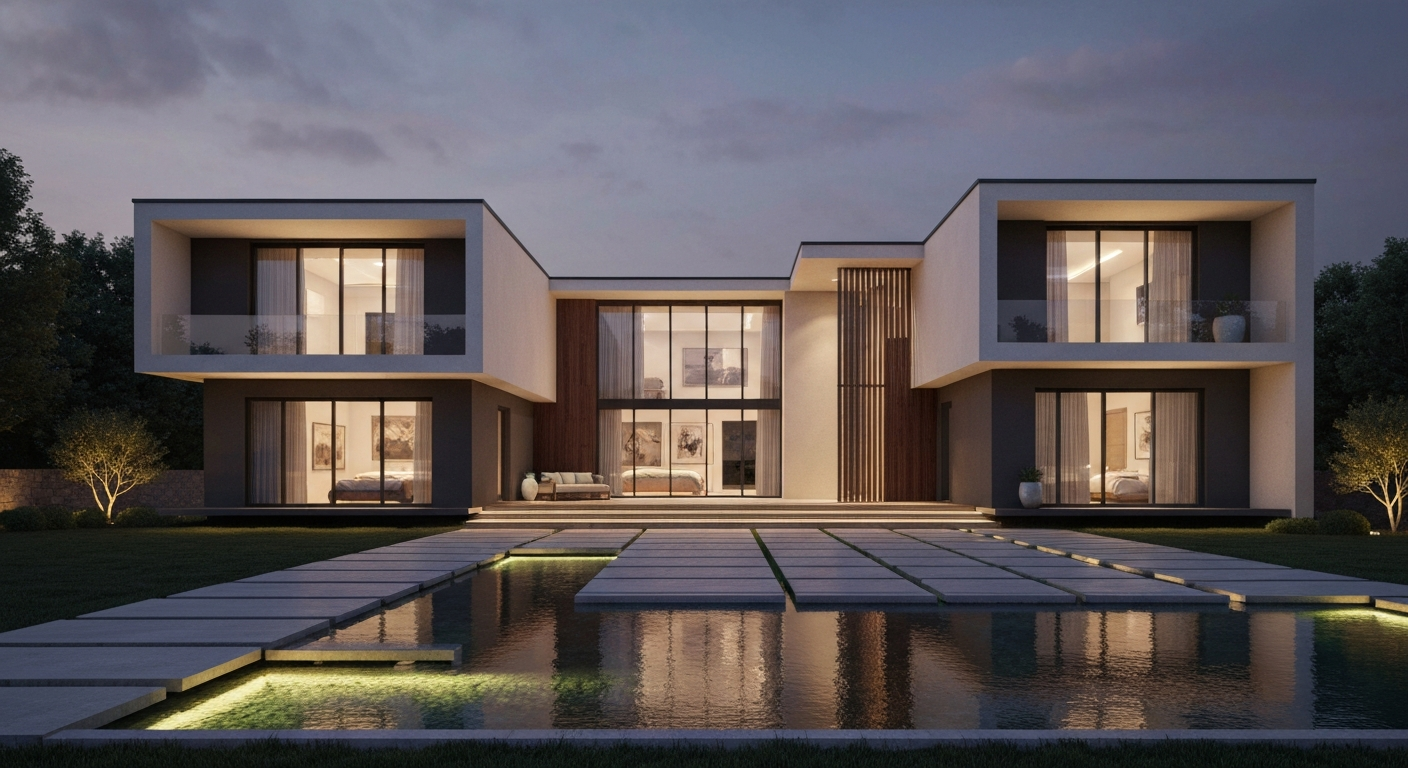
Key Highlights
- Discover creative ways to incorporate a secret room into your home using a hidden door.
- Explore how a pivoting bookshelf can create a secret entrance to a library or office.
- Learn about using cabinetry or wallpaper to conceal a secret space like a pantry or playroom.
- Find out how safe rooms can be designed as a secret hiding place for ultimate security.
- See how unused areas, like the space under a staircase, can become a clever secret place.
- Get inspired by home plans featuring everything from speakeasy bars to hidden kids' forts.
Introduction
Have you ever dreamed of having a secret hiding place all your own? The idea of a hidden room taps into a childhood desire for a private space and a lifelong wish for a room to call your own. A secret door can transform any part of your house, from the living room to a bedroom, into a portal to a hidden world. These clever designs offer more than just novelty; they provide practical solutions for storage, security, and creating a quiet escape from the everyday hustle.
Explore Stunning Home Plans Featuring Secret Rooms
Finding the right home plans is the first step to building your dream house, and incorporating a secret room can add a touch of mystery and functionality. Many modern designs now include these features, with architects providing specific design details to ensure the hidden space is perfectly integrated. Whether you want a secure safe room or a fun playroom, the possibilities are endless.
You can add a secret room to a new house plan by working with your architect to identify potential locations. Home plans that feature safe rooms or gun safes concealed as secret spaces are also available for those prioritizing security. Below, we'll explore some stunning examples of how a secret entrance can lead to an amazing hidden space.
1. Hidden Bookcase Doorways for a Mystery Library
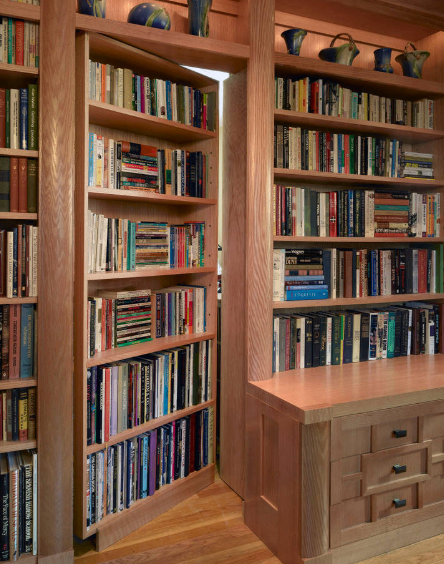
One of the most classic ways to hide a secret room is with a hidden door disguised as a bookshelf. This genius idea creates a seamless secret entrance that is both functional and mysterious. The bookshelf can be built on a heavy-duty pivot hinge, allowing it to swing open and reveal the secret space behind it. It's the perfect way to conceal a home office, a quiet reading nook, or even a virtual reality gaming room.
To the unsuspecting eye, it’s just a normal bookcase filled with books and decorative items. However, with a gentle push, it opens to unveil another room entirely. This design is a fantastic way to add a "wow" factor to your home while creating a truly private retreat. The key is in the construction, ensuring the mechanism is smooth and the seams are invisible.
Some popular ideas for rooms behind a bookcase include:
- A private home office or library.
- A speakeasy-style wine room or bar.
- A secure room for storing valuables.
2. Concealed Safe Rooms Designed for Security
For those who prioritize security, a concealed safe room offers peace of mind without disrupting your home's aesthetic. These safe rooms can be hidden in plain sight, often behind a secret hiding place like a closet in a powder room or behind a paneled wall. The design details are crucial for ensuring the entrance is completely undetectable, using mechanisms like touch latches to avoid visible hardware.
These secure spaces can be used to protect your family during an emergency or to store valuables like firearms or important documents. Instead of a clunky, obvious safe, you get a fully integrated room that blends into your home's layout. A designer can help you incorporate a safe room that is both highly secure and beautifully disguised.
- Reinforced Walls: Steel-plated or concrete-reinforced walls for maximum protection.
- Hidden Entrance: Disguised as a cabinet, mirror, or part of the wall paneling.
- Secure Locking: Advanced locking mechanisms that are not visible from the outside.
- Ventilation System: Independent air supply to ensure safety during extended use.
3. Under-Staircase Secret Storage Spaces
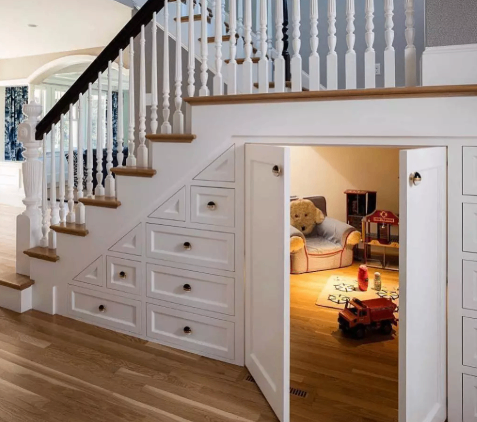
The unused space under a staircase is one of the best locations for a hidden room. This often-overlooked area can be transformed into a clever secret place for storage or a cozy hideaway. With a door that blends seamlessly into the surrounding wainscoting or wall, you can create a hidden space that nobody would ever suspect is there.
This type of secret room is perfect for practical purposes. Imagine having a dedicated spot to store your fully decorated Christmas tree, which you can simply pull out when the holidays arrive. You could also create a small reading nook for your kids, complete with its own light switch. It’s a brilliant way to maximize your home's square footage.
This hidden space can be used for:
- A small, pint-sized playroom for children.
- A custom storage closet for seasonal items or cleaning supplies.
4. Camouflaged Playrooms for Kids
Give your kids the ultimate secret hiding place with a camouflaged playroom. These magical spaces can be concealed behind what looks like a normal closet, a wall of cabinetry, or even an armoire. Using bold wallpaper that covers both the wall and the door can distract the eye and make the entrance nearly invisible. This creates a wonderful surprise that will spark your children's imaginations.
These hidden playrooms can be tucked away in an attic space, above bunk beds, or within a large family room closet. By keeping toys and games out of sight, you can maintain a clutter-free living area. The journey into the secret space becomes part of the fun, turning an ordinary day into an adventure.
Creative ideas for hiding a playroom include:
- Behind a secret door in a wall of shiplap or paneling.
- Through the back of a closet in a child's bedroom.
5. Disguised Pantry Entrances off the Kitchen
A hidden pantry is a fantastic way to add storage and function to your kitchen without sacrificing style. Designers often hide the secret entrance behind what appears to be a standard wall of cabinetry. This hidden doorway allows you to create a large walk-in pantry while maintaining a sleek, seamless look in your kitchen.
To a guest, it looks like just another cabinet. But for you, it's the entrance to a spacious storage area for food, appliances, and other kitchen essentials. Some designs even conceal a full laundry room behind the secret entrance. By matching the pantry door to the surrounding cabinetry, the entire space feels cohesive and uncluttered.
To achieve this look, you can:
- Use custom paneled doors that match your kitchen cabinets.
- Install touch-latch hardware to eliminate the need for visible handles.
- Paint the door the same color as the surrounding walls and cabinets.
6. Home Offices with Hidden Access
In today's world, a quiet home office is more valuable than ever. Adding a secret room as your workspace can provide the ultimate private retreat. Imagine having an office hidden behind a paneled wall in your entryway or off the main living room. A hidden door ensures you can work without interruptions, offering a quiet moment whenever you need it.
This secret space doesn't have to be large. It can be a small, dedicated room for a busy parent to work in peace or a larger area connected to a guest suite. The hidden access can be a pivoting bookshelf or a jib door that blends into the wall. This allows you to close off your work life from your home life at the end of the day.
Ways to conceal a home office include:
- Behind a seamless, hardware-free door in a paneled wall.
- Through a hidden door in a hallway bookshelf.
7. Secret Wine Cellars and Tasting Rooms
A secret wine cellar adds an element of luxury and sophistication to your home. This hidden space can be accessed through a secret door, such as a moving bookcase, that opens to reveal a speakeasy-style tasting room. It's a fantastic benefit for wine enthusiasts who want a special secret place to store and enjoy their collection.
Even a small area can be converted into a wine cellar with the right design. You don't need a massive amount of sq footage to create an impressive hidden space. The entrance could be a section of a wall that pushes open or even a trapdoor with a false bottom in the floor. It becomes a conversation piece and a private sanctuary for you and your guests.
Benefits of a hidden wine cellar include:
- It protects your collection in a climate-controlled, secure environment.
- It creates a unique and impressive feature that adds value to your home.
8. Private Speakeasy Bars Behind Sliding Walls
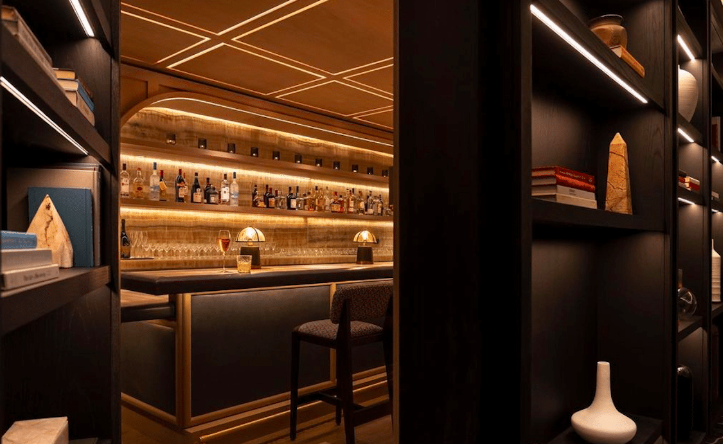
Bring the glamour of a bygone era into your home with a private speakeasy bar. This hidden space can be concealed behind sliding walls in a living room or library. When closed, the wall appears solid, but it can be moved to reveal a fully stocked bar. The design details are what make this concept truly special, from the seamless secret entrance to the moody lighting inside.
This is a perfect addition for those who love to entertain. Imagine the surprise on your guests' faces when you slide open a wall to reveal a hidden bar. While the cost to include a secret room like this depends on the complexity, the result is a one-of-a-kind feature that makes your home unforgettable.
To create a hidden speakeasy, consider:
- Using wood paneling or wallpaper to camouflage the sliding walls.
- Adding cozy seating and custom shelving inside the hidden space.
9. Master Suites with Integrated Secret Closets
A secret closet in your master suite offers a practical and elegant storage solution. Instead of a standard door, the entrance to your walk-in closet can be hidden within a wall of wood paneling or custom cabinetry. This design creates a clean, minimalist look in the bedroom while providing a secret hiding place for your wardrobe and other personal items.
These secret room home plans are suitable for families and individuals alike, offering a touch of luxury to the everyday routine. The seamless door can be opened with a push, revealing a spacious and organized closet. It’s a clever way to obscure a walk-in closet and maintain the serene atmosphere of your master suite.
Ways to integrate a secret closet include:
- Designing a door that matches the horizontal wood paneling of a feature wall.
- Hiding double doors within a jigsaw wall of closets for a dramatic reveal.
10. Hidden Passageways Connecting Multiple Rooms
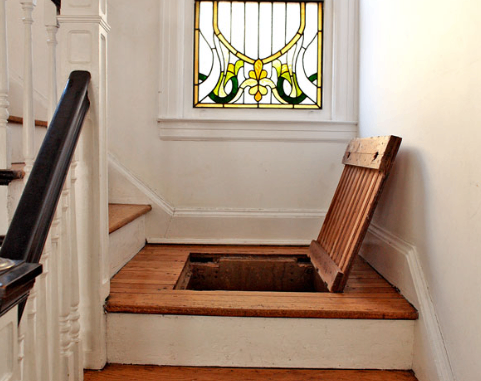
Why settle for one secret room when you can have a hidden passageway connecting multiple spaces? This exciting feature can link a home office to guest quarters or a living room to a dining room, bypassing a main hallway. The secret entrance can be anything from a pivoting bookcase to a section of a shiplap wall that swings open.
This is one of the best locations to place a hidden room, as it adds an element of flow and surprise to your home layout. It’s a feature that feels straight out of a mystery novel and is sure to delight both kids and adults. A hidden passageway is a creative solution for fixing quirky layouts or simply adding a fun, unexpected twist to your home's design.
Examples of hidden passageways:
- A hidden door in a wainscoted hallway leading to a different wing of the house.
- A bookshelf that pivots to connect a bedroom to a hallway.
Conclusion
In conclusion, incorporating secret rooms into your home plans not only adds a unique flair but also enhances the functionality and enjoyment of your space. From hidden libraries to concealed playrooms, these innovative features can spark creativity and provide privacy in our bustling lives. As you explore various designs, consider how these secret spaces can benefit your lifestyle and reflect your personality. Your dream home awaits—start discovering stunning home plans with secret rooms today! Don't hesitate to reach out if you need assistance finding the perfect design.