Key Highlights
Here is a quick look at the key takeaways from our exploration of expensive housing markets:
- Hong Kong and Singapore top the charts as the world's most expensive cities to purchase a home.
- Swiss cities like Zurich and Geneva feature prominently due to extreme housing shortages and high construction costs.
- In the United States, New York City, Los Angeles, and San Francisco remain the priciest metropolitan areas for homebuyers.
- Limited housing supply, strong local economies, and foreign investment are primary drivers of high home prices in these global cities.
- Rising interest rates and inflation continue to impact housing affordability worldwide.
Introduction
Have you ever wondered what it costs to own a piece of the world’s most vibrant urban centers? Buying a house is a significant milestone, but in many global cities, it comes with a staggering price tag. High home prices are often a reflection of a city's strong economy, high cost of living, and desirability as a place to live and work. In this guide, we will take a closer look at the places with the most expensive real estate, exploring the factors that drive these powerful markets.
The 10 Most Expensive Cities to Buy a House in the United States and Worldwide
Pinpointing the world’s most expensive cities requires a look at global property guides and cost of living reports. A recent report highlights a mix of Asian, European, and North American hubs where the median home price can seem astronomical. These major cities are financial and cultural powerhouses, attracting talent and investment from all over the globe, which in turn drives up property values.
From the bustling streets of Hong Kong to the financial centers of Switzerland, the list of pricey locations is a testament to global economic trends. Understanding which cities top this list can offer valuable insights into market dynamics, whether you're a potential homebuyer or simply curious about international real estate. Let's explore the top 10 cities where buying a house will cost you the most.
1. Hong Kong, China
For years, Hong Kong has held its position at the top of the list, making it one of the toughest markets for aspiring homeowners. The city's incredibly dense population and limited available land contribute to sky-high home prices that are often disconnected from the average household income. This intense competition for space keeps property values at a premium.
The housing market here is notoriously expensive, with even small apartments commanding prices that would be considered luxurious elsewhere. This reality has a significant impact on daily life, influencing everything from disposable income to career choices. High property values also lead to some of the highest rental prices in the world, creating financial pressure for a large portion of the population.
For anyone considering entering this market, it's crucial to understand the unique economic landscape. The combination of strong demand from both local and international buyers and a persistent lack of supply ensures that Hong Kong's real estate market remains a formidable challenge.
2. New York City, USA
As the most expensive city for real estate in North America, New York City is a market defined by relentless demand. The median home price in boroughs like Manhattan is driven by the city's status as a global hub for finance, culture, and business. This creates strong demand from people all over the world who want to live and work in the Big Apple.
Another significant factor is the high construction costs. Building in such a dense urban environment is complex and expensive, which limits the development of new housing and keeps prices for existing properties high. This supply-and-demand imbalance means that even with market fluctuations, New York remains one of the priciest places to buy a home.
When you compare the cost of buying a house here to other expensive cities, New York consistently ranks near the top. Its resilience and global appeal ensure that property in the five boroughs is seen as a valuable, albeit costly, investment.
3. London, United Kingdom
London stands as one of Western Europe's most expensive property markets, attracting buyers from every corner of the globe. The city's luxury real estate segment is particularly strong, which has a ripple effect on the entire market, pushing property values up across the board. Its reputation as an international center for finance and culture makes it a magnet for wealthy investors.
The high cost of living in London is directly tied to its housing market. A median home in a central London borough can cost several times the national average, making homeownership a distant dream for many residents. This environment is fueled by a combination of historical prestige and modern economic power.
Factors making London so expensive include its limited housing stock, especially for single-family homes, and the constant influx of international workers and students. This sustained demand, coupled with the city's geographical and developmental constraints, keeps prices firmly in the upper echelon of global property markets.
4. Singapore
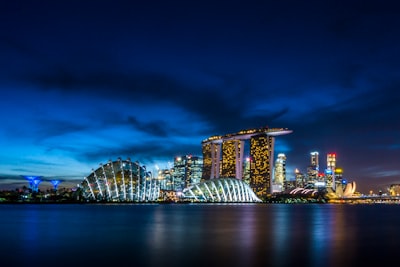
Singapore consistently ranks as one of the world's priciest cities for real estate, just behind Hong Kong. Its small land area and status as a major global business hub create intense competition for housing. The median price for private property is exceptionally high, reflecting the city-state's prosperity and appeal to international talent.
Despite government efforts to provide affordable housing through its Housing and Development Board (HDB) flats, the private market continues to see significant price growth. This dual-market system creates a unique landscape where public housing is accessible to citizens, but private property remains a luxury investment.
The average home price in Singapore's private sector places it firmly among the most expensive globally. The government has implemented cooling measures, such as higher taxes for foreign buyers, to manage price growth, but the fundamental drivers of high demand and limited space persist.
5. Sydney, Australia
Sydney is Australia's most expensive property market and a top contender on the global stage. Its stunning harbor, beautiful beaches, and vibrant urban environment make it an incredibly desirable place to live. This high demand, combined with a housing supply that often struggles to keep pace, results in a high median home sale price.
Like many other global cities, Sydney faces challenges with high construction costs and land availability. These factors make it difficult to develop new properties at a scale that would ease price pressures. As a result, both houses and apartments in desirable neighborhoods command premium prices, putting them out of reach for many average buyers.
When considering a purchase in a high-cost city like Sydney, buyers should look beyond the price tag. It's important to consider factors like infrastructure development, local economic trends, and long-term growth potential. While expensive, Sydney's property market has historically shown strong returns, making it an attractive option for long-term investors.
6. San Francisco, USA
San Francisco is a prime example of how a booming local economy can drive real estate prices to extraordinary levels. Fueled by the Silicon Valley tech industry, the city has seen its median home prices soar over the past few decades. High-paying jobs have created a large pool of buyers, all competing for a limited number of properties.
This intense demand is met with significant supply constraints. San Francisco is geographically limited, situated on a peninsula with little room for expansion. Strict zoning laws and a lengthy approval process for new construction further restrict the housing supply, leading to some of the most dramatic price growth in the country over the last decade.
The result is a market where even modest homes can sell for well over a million dollars. While home prices in expensive US cities have seen some fluctuations over the past year, San Francisco remains a challenging market for all but the highest earners due to this fundamental imbalance.
7. Paris, France

The romantic allure of Paris comes with a hefty price tag, especially when it comes to real estate. The French capital is a global center for art, fashion, and culture, making it highly attractive to both domestic and international buyers. Its luxury real estate market, particularly in historic central arrondissements, sets a high benchmark for property values across the city.
The median home value in Paris is significantly higher than in the rest of France, driven by its status as a top tourist destination and a major European business hub. Foreign investment plays a crucial role in this market, with many wealthy individuals seeking a prestigious Parisian address as a second home or investment property.
Compared to a city like New York, Paris has a different character, with a focus on historic buildings rather than new skyscrapers. However, both cities share the dynamic of being global magnets that attract immense capital, which keeps their property markets among the most expensive in the world.
8. Geneva, Switzerland
Nestled on the shores of Lake Geneva, this Swiss city is one of the most expensive places to buy a home in the world. Geneva's reputation for political stability, a high quality of life, and as a hub for international diplomacy and finance makes its real estate market incredibly robust. Property prices per square meter are among the highest globally.
Like other Swiss cities, Geneva suffers from an extreme housing shortage. Strict land regulations and limited space for development mean that supply cannot meet the demand from high-income professionals working for international organizations and multinational corporations. This scarcity is a primary driver of its high cost of living and property values.
The top factors that make housing in cities like Geneva so expensive include this severe supply shortage, high construction costs, and its appeal to wealthy foreign investors seeking a safe haven for their capital. These elements combine to create a perfect storm for price inflation.
9. Los Angeles, USA
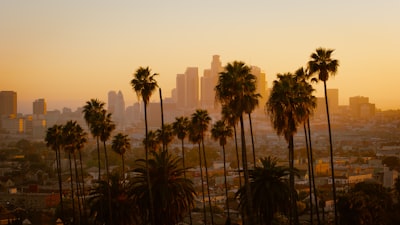
Los Angeles is another major US city where the dream of homeownership comes with a high price. Sprawling and diverse, the LA market is influenced by the entertainment industry, a growing tech scene, and its desirable Southern California lifestyle. High demand across its many iconic neighborhoods keeps home prices elevated.
The city's rental prices are also notoriously high, pushing many residents to consider buying, which further fuels demand in the purchase market. However, building new homes in Los Angeles is a challenge. A tight construction budget can be difficult to maintain due to high labor costs, material expenses, and regulatory hurdles, which limits new supply.
Luxury homes play a significant role in driving up the average prices in Los Angeles. The glamour of areas like Beverly Hills and Malibu creates a ripple effect, raising market expectations and property values in surrounding communities and contributing to the city's overall reputation for expensive real estate.
10. Zurich, Switzerland
Zurich consistently appears at the top of lists for both quality of life and cost of living, with real estate being a major factor. As Switzerland's economic powerhouse, the city attracts a steady stream of high-earning professionals, which fuels intense competition for the limited housing available. The median home value here is one of the highest in Europe.
Like other Swiss cities, Zurich has an extremely low vacancy rate, meaning there are very few properties on the market at any given time. This scarcity, combined with high construction costs and strict zoning laws, makes it incredibly expensive to buy property. Prices per square meter in Zurich can exceed $20,000.
The key factors making housing in Zurich so expensive are its strong economy, the severe housing shortage, and its exceptional quality of life, which makes it a highly desirable place to live. These elements ensure that Zurich's property market remains one of the world's most costly.
Key Factors That Make These Cities So Expensive for Homebuyers
You might be wondering what common threads tie these expensive cities together. The high median home price in these locations isn't accidental; it's the result of a powerful combination of economic and geographical forces. Key drivers include a limited housing supply struggling to meet strong demand, the high cost of construction materials, and the influence of foreign investment.
These factors create a competitive environment where prices are pushed ever higher. Whether it's the tech boom in San Francisco or the global finance appeal of London and Zurich, each city's unique economic strengths amplify these underlying pressures. We'll now examine these key factors more closely.
Impact of Limited Housing Supply and High Demand
One of the most fundamental principles of economics is supply and demand, and it’s a primary driver of high home prices in the world's top urban areas. Many of these cities are geographically constrained—located on islands, peninsulas, or surrounded by protected land. This severely limits the physical space available for new construction, creating significant supply constraints.
When you pair this limited housing supply with high demand from a growing population and a strong job market, prices naturally increase. For example, in Switzerland, an extreme housing shortage has pushed vacancy rates to historic lows. This imbalance gives sellers and landlords the upper hand, leading to intense bidding wars and inflated prices.
This dynamic is not unique to one region. Key aspects of this issue include:
- Geographical Barriers: Cities like Hong Kong and San Francisco have little room to expand, creating an artificial cap on housing supply.
- Strict Regulations: Lengthy approval processes and restrictive zoning laws in cities like Zurich and Paris slow down new development.
- Population Growth: Major global hubs attract talent from around the world, constantly adding to the pool of potential buyers.
Influence of Local Economy and Job Opportunities
A thriving local economy is another critical factor behind expensive real estate. Major cities like New York, London, and Zurich are centers for high-paying industries such as finance, technology, and international business. The presence of these sectors creates a wealth of well-compensated job opportunities, which in turn boosts the local median household income.
With higher incomes, more people have the financial capacity to afford expensive homes, which increases the overall demand and purchasing power in the market. This economic strength attracts even more talent, creating a cycle of growth and rising property values. The tech boom in the San Francisco Bay Area is a perfect example of how a single industry can reshape a region's housing market.
Ultimately, a strong job market makes a city a desirable place to live, and people are willing to pay a premium for the opportunities it offers. This economic vitality underpins the stability and growth of property values in these top-tier urban centers, making them resilient even during economic downturns.
Role of Foreign Investment and Luxury Property Markets
Foreign investment and a booming luxury real estate sector also play a significant role in making global cities expensive. Wealthy international buyers often see property in politically and economically stable cities like Geneva, London, and New York as a safe place to store and grow their capital. These buyers often have less price sensitivity than local residents, which can drive up prices significantly.
The demand for luxury real estate—penthouses, historic mansions, and high-end new developments—creates a "ripple effect." When a luxury property sells for a record price, it sets a new benchmark for the market. This trickles down and raises the perceived value of other properties in the area, contributing to an overall increase in housing costs.
This influx of outside capital has several key impacts on the market:
- Increased Competition: Foreign investors compete with local buyers for a limited number of properties.
- Vacant Investment Properties: Some investors purchase homes without intending to live in them, removing units from the available housing stock for residents.
- Focus on High-End Development: Developers may prioritize building lucrative luxury projects over more affordable housing, further skewing the market.
Comparing Home Prices: United States vs. Global Cities
When you look at housing markets, it's clear that several US cities are among the world's most expensive. However, how do they truly stack up against international hotspots? The median sale price in places like San Francisco and New York is staggering by American standards, but global cities like Hong Kong and Zurich often reach even greater heights.
This comparison reveals different scales of expense. While US cities face challenges of supply and demand, some global cities operate in an entirely different stratosphere due to unique factors like extreme land scarcity or their status as international financial havens. Let's compare average home prices in leading US metro areas before seeing how they measure up internationally.
Average Home Prices in Leading US Metro Areas
Within the United States, a handful of metropolitan areas consistently top the charts for high home prices. Cities like New York, San Francisco, and Los Angeles are well-known for their expensive real estate, driven by powerful economies and high desirability. The median home price in these locations is often several times the national average.
These US cities share common traits, including strong job markets in high-paying sectors and significant demand from both domestic and international buyers. For instance, San Francisco's proximity to Silicon Valley keeps its housing market hot, while New York's status as a global financial capital ensures sustained demand for property.
Here is a look at how some of the top US cities rank in a recent global cost of living report, which reflects their high housing costs.
- New York City, NY
- Global Cost of Living Rank (2024): 7
- Los Angeles, CA
- Global Cost of Living Rank (2024): 10
- San Francisco, CA
- Global Cost of Living Rank (2024): 13
How Do US Cities Compare to International Hotspots?
While cities like New York and San Francisco are incredibly expensive, they are outranked by several international hotspots. Global cities such as Hong Kong and Singapore face even more extreme pressures, leading to a higher median home sale price. This is often due to more severe land constraints and their roles as pivotal hubs in the Asian economy.
The cost of living in these top-tier global cities is also a major factor. For example, the price per square meter in Zurich and Geneva is driven by Switzerland's overall high living expenses, a strong currency, and its reputation for safety and stability. This makes US prices, while high, seem relatively more moderate in some comparisons.
Here's how US cities measure up against top international markets:
- Top Ranks: Hong Kong, Singapore, and Zurich hold the top three spots for the most expensive cities, placing them ahead of any US city.
- Price Growth: Some international markets have experienced even more rapid price growth in recent years due to intense foreign investment and economic shifts.
- European Presence: Western Europe is heavily represented at the top, with four Swiss cities and London ranking among the most expensive places to live.
Conclusion
In conclusion, understanding the dynamics of the most expensive cities to buy a house is crucial for potential homebuyers. From the luxurious markets of Hong Kong to the bustling streets of New York City, each city has its unique factors that contribute to skyrocketing prices, such as limited housing supply and robust local economies. Whether you are considering a move or simply curious about real estate trends, being informed can empower your decision-making process. Remember, careful evaluation of these factors can significantly impact your investment choices. If you’re looking for personalized guidance in navigating these high-cost markets, don't hesitate to reach out for a free consultation with our experts!
Frequently Asked Questions
What factors should buyers consider before purchasing property in high-cost cities?
Before buying in an expensive city, you should assess more than just the home prices. Consider the overall cost of living, local property taxes, potential mortgage rates, and the city's long-term economic stability. Also, investigate neighborhood-specific trends and supply constraints, as these will impact your investment's future value.
Are luxury homes driving up average prices in the most expensive cities?
Yes, luxury real estate significantly influences average home prices. High-priced sales in the luxury segment create a ripple effect, raising the market value of all properties in the area. This upward pressure on the median price can make housing less affordable and contribute to overall price growth across the city.