Key Highlights
- Emily Brontë’s Wuthering Heights was heavily inspired by the moody Yorkshire moors and real-life houses she knew.
- Three main properties are believed to be inspirations: the ruins of Top Withens, the historic Ponden Hall, and the demolished High Sunderland Hall.
- The Wuthering Heights house is more than a setting; it's a character that reflects the stormy passions of Catherine Earnshaw and Heathcliff.
- Ponden Hall, with its box bed and library, is strongly linked to the Brontë family and offers clues about the novel’s details.
- You can visit these locations today to experience the wind-swept landscape that shaped this timeless story.
Introduction
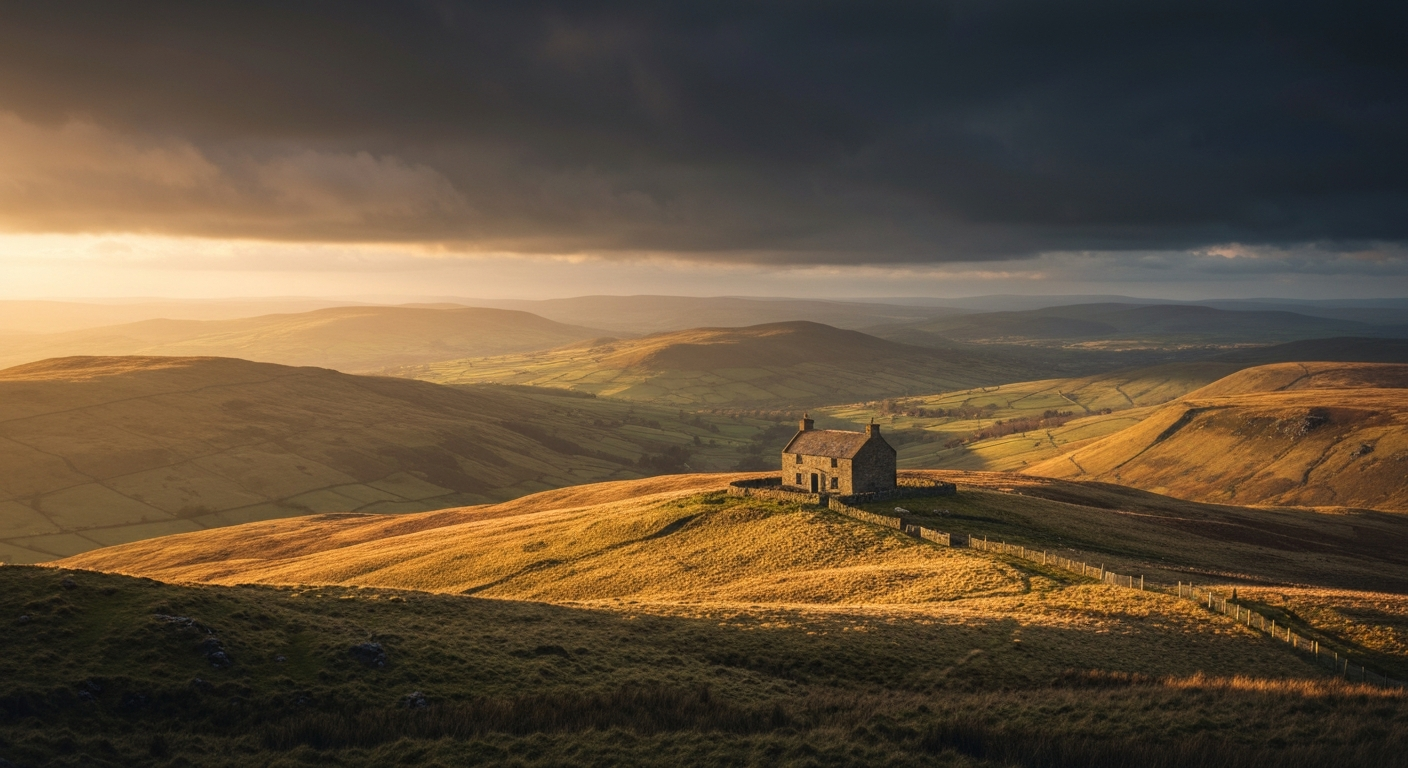
Emily Brontë's powerful novel, Wuthering Heights, is as famous for its stormy characters as it is for its unforgettable setting. The house itself, battered by the elements on the wild moors, is a central figure in the story. Have you ever wondered if such a place actually exists? While the farmhouse is a work of fiction, its roots are firmly planted in the Yorkshire landscape Brontë called home. Many believe the windswept ruins of Top Withens, endorsed by Ellen Nussey, provided the key inspiration for this iconic literary home.
The Inspirations Behind the Wuthering Heights House
The haunting house of Wuthering Heights likely wasn't based on a single building. Instead, Emily Brontë probably drew inspiration from several houses she encountered in her beloved Yorkshire, which culminated in a layout that reflects this creative fusion. This resulted in the formidable farmhouse that has captured readers' imaginations for generations.
Scholars and fans point to three key locations near Stanbury as the most probable sources: the remote Top Withens, the historic Ponden Hall, and the now-demolished High Sunderland Hall. Each of these places offers tantalizing clues that connect them to Brontë's masterpiece. Let's explore the stories behind these real-life houses.
Emily Brontë’s Yorkshire Roots and Local Legends
Emily Brontë’s connection to the Yorkshire landscape was profound. Growing up in the village of Haworth, she spent countless hours walking the wild moors, a landscape that according to the Bronte Society became the soul of her novel. The moors weren't just a backdrop; their untamed beauty and harsh weather shaped the story's very essence.
This deep familiarity with the region meant that local landmarks and legends naturally found their way into her writing. The Brontë sisters were known to frequent nearby homes and hear tales of the families who lived there. These stories of passion, struggle, and local history provided rich material for her imagination.
The isolation and ruggedness of the farmhouses scattered across the moors gave Brontë a perfect template for the Earnshaw home. Her personal experiences in and around Haworth allowed her to create a setting that felt incredibly real, blending fact with the powerful fiction of her story.
Key Real-Life Houses Linked to Wuthering Heights – Top Withens, Ponden Hall, and High Sunderland Hall
While no single house is a perfect match, three locations in West Yorkshire are consistently linked to the novel Wuthering Heights and The Tenant of Wildfell Hall. Each one contributes a different piece to the puzzle, and together they form a compelling picture of Brontë's inspiration.
The Brontë Society has acknowledged these connections, though they are careful to note that Emily's imagination was the true architect. The main contenders are:
- Top Withens: A ruined farmhouse whose dramatic, isolated setting on the moors perfectly matches the description of the Heights' location.
- Ponden Hall: A home the Brontës often visited, which features a box bed and window similar to the one in a famous ghostly scene.
- High Sunderland Hall: A now-demolished gothic manor that had grotesque carvings and a fortress-like appearance, much like the house in the book.
Exploring these real-life counterparts helps you understand how Brontë blended architectural details, family histories, and local atmosphere to create her fictional masterpiece. The combination of these places likely sparked the vision for the iconic farmhouse.
Atmosphere and Features of Wuthering Heights in the Novel
In the novel, the house of Wuthering Heights is described as a parlour-like fortress against the relentless weather of the moors. Brontë paints a picture of a grim, imposing structure that is both a prison and a sanctuary for its inhabitants. The atmosphere is claustrophobic and charged with intense emotion, mirroring the turbulent relationships within its walls.
The name itself, "Wuthering," is a local word for the fierce winds that batter its location. The house feels ancient and worn, with stunted firs and gaunt thorns at the end of the house bent in one direction by the wind. It is a place that repels outsiders and traps its residents in a cycle of resentment and passion.
Stark Architectural Details and Wind-Swept Surroundings
The architecture of the Wuthering Heights farmhouse is as rugged as the landscape. Lockwood, the narrator who first introduces us to the house, notes its strength and starkness, emphasizing how it was built to withstand the elements, making it a perfect place to lodge during harsh weather, with thick stone walls and narrow windows set deep within them.
Emily Brontë provides specific details that bring the building to life. The main entrance is adorned with grotesque carvings of griffins, "shameless little boys," the date "1500," and the name "Hareton Earnshaw." This detail suggests a long, storied history. The wind-swept surroundings are harsh, with few trees managing to survive the constant gales, making the nearby garden gate an intriguing focal point.
Key features mentioned in the book include:
- A large, communal sitting room with a huge fireplace and a vast oak dresser.
- Stone-flagged floors and high-backed, primitive chairs.
- An old-fashioned box bed with a small window, the setting for a terrifying ghostly encounter.
- A general sense of disrepair and gloominess that pervades the interior.
Symbolism and Role of the House in Character and Plot
The house of Wuthering Heights is far more than just a home; it is a powerful symbol that drives the plot and reflects the inner lives of its characters. Its very structure embodies the wild, untamed nature of Cathy and Heathcliff and their passionate, destructive love story.
The house stands in for the theme of nature versus civilization. It is primal and raw, a place where social conventions break down and raw emotion takes over. The constant stormy weather surrounding the Heights mirrors the turmoil within the characters' hearts.
Here’s how the house functions symbolically:
- It represents Heathcliff's mysterious and rugged origins.
- It symbolizes the wild, passionate side of Catherine's personality.
- It acts as a prison, trapping characters in cycles of revenge and suffering.
- Its eventual decay and transfer to the next generation signify a hope for renewal and peace.
Visiting the Real Wuthering Heights Locations Today
For fans of Wuthering Heights, making a pilgrimage to the locations that inspired the novel, including the places cherished by their sibling Charlotte, is an unforgettable experience. You can walk the same paths as Emily Brontë and feel the atmosphere that permeates her writing. The key sites are located in West Yorkshire, near the village of Haworth.
The two most accessible and significant places to visit are Top Withens and Ponden Hall. Visiting them allows you to see for yourself the landscape and architecture that likely fueled Brontë's imagination, bringing you closer to the world of Heathcliff and Catherine.
Accessibility and Experience at Top Withens and Ponden Hall
Yes, visitors can definitely explore the real-life inspirations for Wuthering Heights today, including Shibden Hall! The experience at Top Withens and Ponden Hall is quite different, but both are incredibly rewarding for fans of the novel. The nearest town for both is Haworth, the Brontë family's home.
Top Withens, near Gimmerton, is now a ruined farmhouse, but its dramatic location is what truly matters. Visitors can reach it via a well-marked walking path from Haworth. Standing amidst the ruins, you can easily imagine the isolation and wildness Brontë described. A plaque from the Brontë Society clarifies that the building itself is not a match, but its setting was likely the true inspiration.
Ponden Hall offers a different experience as it is a preserved historic house that now operates as a bed and breakfast.
- You can stay overnight in rooms the Brontës visited.
- One bedroom contains a replica of the famous box bed.
- The hall's library was once one of the finest in Yorkshire.
- Its more sheltered location contrasts with the exposed setting of Top Withens.
Guided Tours, Film Shoots, and What’s New in Upcoming Adaptations
The area is a hub for literary tourism, with many guided tours available that cover the Brontë family's life and the inspirations for their novels. The Brontë Society in Haworth is an excellent resource for information on tours and the history of the region.
These locations have long been magnets for film and television crews. Various Wuthering Heights adaptations, including those by the BBC, have drawn inspiration from the real moors of Yorkshire to create an authentic sense of place. While film shoots don't always use the exact historic houses, they often film on the surrounding moors to capture the novel's unique atmosphere.
As for any upcoming adaptations, filmmakers will surely look to these iconic sites.
- Directors will likely study High Sunderland Hall's "grotesque carvings" for set design.
- The desolate location of Top Withens remains the definitive visual for the Heights.
- Modern filmmakers might even use 3D models of the buildings, combining features from all three inspirations to create the ultimate on-screen Wuthering Heights.
Comparing Wuthering Heights and Thrushcross Grange
In the novel, Wuthering Heights is not the only significant house. Its complete opposite is Thrushcross Grange, the elegant home of the Linton family. While the Heights represents wildness, passion, and storm, the Grange symbolizes civilization, refinement, and calm.
This stark contrast between the two houses, including the drawing room, is central to the novel’s themes. Catherine Earnshaw is torn between them, just as she is torn between her love for the untamed Heathcliff and her desire for the social status offered by Edgar Linton. The two homes are worlds apart in every way.
Differences in Style, Setting, and Social Status
The differences between Wuthering Heights and Thrushcross Grange go beyond mere appearance; they reflect the opposing forces in the novel. Wuthering Heights is a working farmhouse, built for survival, while the Grange is a luxurious estate, built for comfort and leisure.
The settings are just as different. The Heights is perched on an exposed, wind-battered hilltop, while the Grange is nestled in a sheltered valley, surrounded by a large, manicured park. This physical separation highlights the social and emotional distance between the Earnshaw and Linton families.
How Each House Reflects Themes in Emily Brontë’s Story
Emily Brontë masterfully uses the two houses to explore the novel’s central themes of love, nature, and society. Each house is an extension of the characters who live there and the values they represent.
Wuthering Heights is the physical embodiment of the raw, elemental passion shared between Catherine and Heathcliff. It's a place of deep emotional connection but also profound suffering. Its connection to the wild moors reinforces the idea that their love is a force of nature, untamable by societal rules.
In contrast, Thrushcross Grange represents everything the Heights is not.
- It symbolizes the orderly, conventional world that Catherine chooses when she marries Edgar Linton.
- The luxury and comfort of the Grange offer her security but ultimately stifle her true spirit.
- The clash between the two houses is the external manifestation of Catherine's internal conflict.
- Her inability to belong fully to either world leads to her tragic end.
Wuthering Heights Houses in Film and Media
The iconic houses of Wuthering Heights have been brought to life countless times in film and media. From early black-and-white movies to sprawling BBC miniseries, every adaptation has had to tackle the challenge of visually representing the formidable farmhouse and the elegant Grange.
These portrayals are crucial because the houses are so central to the story's mood. Filmmakers often travel to Yorkshire to capture the authentic feel of the moors, even if they use studio sets or other locations for the houses themselves. The goal is always to convey that unique, windswept atmosphere Brontë described so vividly.
Historical Portrayals in Past Movies
Over the decades, filmmakers have interpreted the Wuthering Heights house in various ways. Some adaptations have emphasized the Gothic romance elements, creating a highly dramatic and spooky version of the farmhouse. Others have strived for a grittier, more realistic portrayal that reflects the harsh life of a 19th-century moorland farm.
The 1939 classic starring Laurence Olivier, for instance, used stylized sets that captured the story's romantic gloom. More recent adaptations, like those from the BBC, have often sought out real, rugged locations in the north of England to ground the story in a sense of stark reality.
These portrayals show the enduring power of Brontë’s descriptions:
- Visual interpretations began early, with artists commissioned to illustrate the novels in the 19th century.
- Each film adaptation makes a choice: is the house a romantic ruin or a functional, bleak farmhouse?
- The best portrayals manage to make the house feel like a living, breathing character, just as it is in the book.
Sneak Peek: The Featured Homes in the Latest Wuthering Heights Movie
While we wait for the next major Wuthering Heights film, we can speculate on how a modern director might bring the iconic home to the screen. Creating the perfect house is a huge undertaking, and a new adaptation would likely blend historical research with creative vision.
Filmmakers would almost certainly draw inspiration from the real-life candidates. The grotesque carvings of the demolished High Sunderland Hall could inform the design of the front entrance, while the desolate, windswept setting of Top Withens would be essential for establishing the mood. Ponden Hall’s interior details, like the box bed, would provide crucial authenticity.
Here’s what a modern production might do:
- Use digital technology, like 3D models, to construct a composite house that includes the best features of all the real-life inspirations.
- Build a detailed exterior set in a remote location to capture the isolation, while filming interiors on a soundstage for more control.
- A new movie would aim to create a home that feels both historically accurate and emotionally resonant for a contemporary audience.
Predicting the Value of Wuthering Heights-Style Houses in 2026
Have you ever wondered what a historic property like Ponden Hall, one of the inspirations for Wuthering Heights, might be worth? Predicting property values can be tricky, but for unique, historic homes in Yorkshire, the trend is often positive. Their blend of history, character, and literary fame makes them highly desirable.
By 2026, we can expect the value of such properties to remain strong, if not increase. Market trends show a consistent demand for homes with a story, and few stories are more famous than that of Wuthering Heights. Let's look at the factors that could influence their worth.
Market Trends for Historic Yorkshire Properties
The market for historic properties in West Yorkshire is robust. Publications like the Yorkshire Post frequently feature period homes, highlighting a strong appetite among buyers for buildings with character and heritage. Unlike modern houses, these properties offer a unique connection to the past.
The demand is driven by several factors. Many people are looking to escape urban life for the beauty and tranquility of the countryside. A historic farmhouse on the moors, with its thick stone walls and rustic charm, is the dream for many. This appeal is only amplified when the property has a famous connection.
Key market trends influencing value include:
- A growing interest in "staycations" and rural tourism, which boosts the value of properties that can be used as B&Bs, like Ponden Hall.
- The desire for authenticity and craftsmanship not found in new builds.
- The romantic appeal of the Yorkshire landscape, popularized by literature and film.
- Limited supply of such unique, historic properties.
Factors Influencing the Worth of Literary Landmark Houses
When a house is not just historic but also a literary landmark, its value is determined by more than just square footage and location. The connection to a world-famous author like Emily Brontë adds a priceless cultural value that translates into real financial worth.
Organizations like the Brontë Society work to preserve this heritage, which in turn fuels tourism and public interest. This international fame ensures that properties like Ponden Hall will always be in a special category, protected from typical market fluctuations.
Several key factors will continue to influence the worth of these houses by 2026:
- Cultural Significance: The enduring global popularity of Wuthering Heights ensures perpetual interest.
- Tourism Potential: As a destination for literary pilgrims from around the world, the house has commercial value beyond being just a residence.
- Uniqueness: There are very few properties with such a direct and verifiable link to the Brontë family, making them incredibly rare.
Conclusion
In conclusion, the real Wuthering Heights houses serve as significant links to Emily Brontë's rich literary heritage and are steeped in history and atmosphere. From the stark surroundings of Top Withens to the intricate details of Ponden Hall, these homes not only inspired the novel's setting but also embody its themes of passion and isolation. As we look ahead, it's fascinating to consider how these properties will evolve in value by 2026, reflecting a blend of their historical importance and modern market trends. Whether you're a literary enthusiast or a history buff, visiting these iconic locations is a chance to experience the essence of Brontë's world firsthand. For more insights on literary landmarks, feel free to check out our other blog!
Frequently Asked Questions
Is Wuthering Heights based on a real house?
Wuthering Heights is not one specific real house, but a fictional creation inspired by several places Emily Brontë knew. The most likely inspirations are a combination of Top Withens, for its desolate setting, and Ponden Hall and High Sunderland Hall, for their architectural features and local legends.
Can visitors tour the Wuthering Heights houses today?
Yes, visitors can see the key inspirational sites. You can hike to the ruins of Top Withens on the moors for free to experience its atmospheric setting. Ponden Hall, another major inspiration, operates as a historic house and bed & breakfast, allowing you to tour or even stay overnight.
What makes the Wuthering Heights house unique in literature?
The Wuthering Heights house is unique because it functions as a central character, not just a setting. Its symbolism is deeply tied to the novel’s themes of untamed passion and nature. The house and the wild moors are inseparable from the story, reflecting the turbulent souls of Catherine and Heathcliff.