Key Highlights
- Effective home staging can help you sell your house faster and for a better price in the current real estate market.
- A key first step is to declutter and depersonalize each room, creating a clean slate for potential buyers.
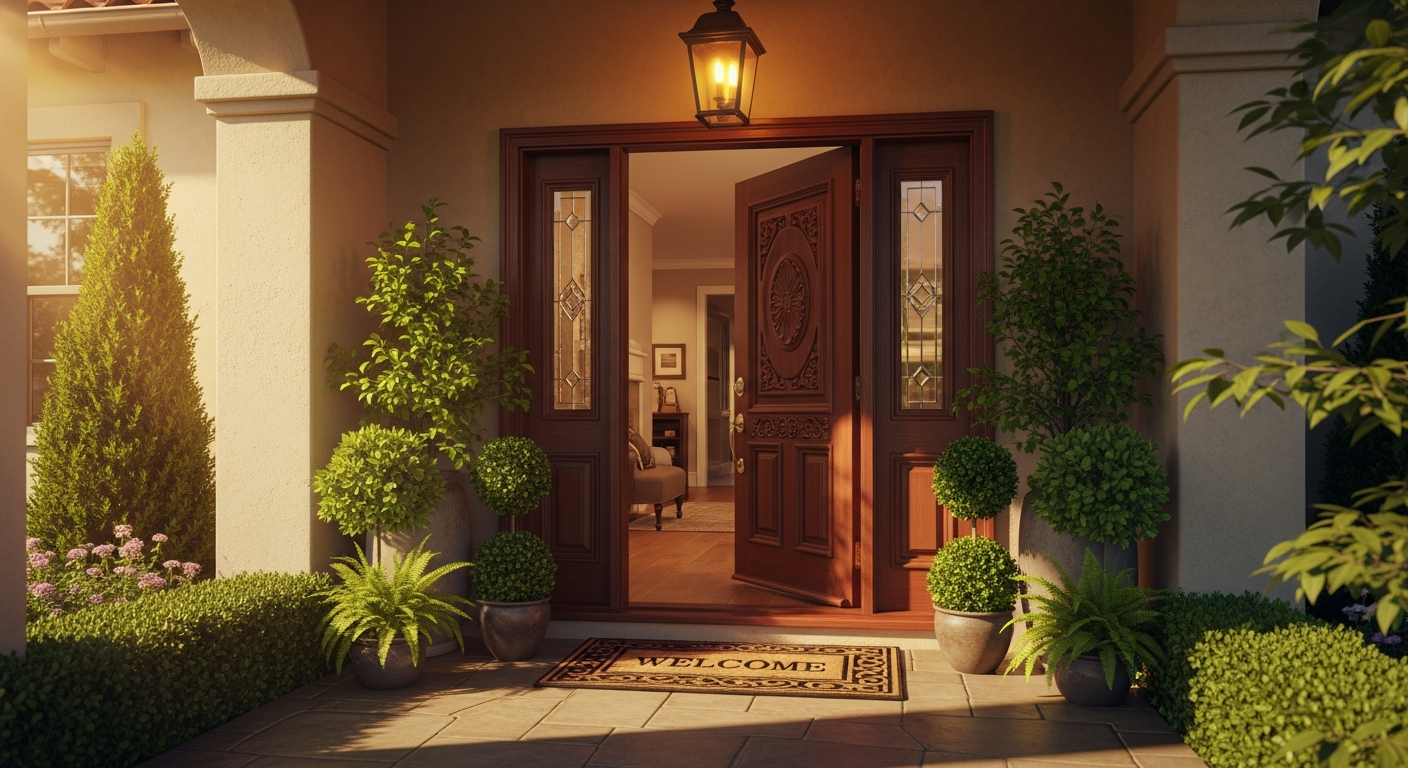
- Enhancing curb appeal makes a powerful first impression before buyers even step inside.
- Using neutral colors and maximizing natural light makes spaces feel larger and more inviting.
- Deep cleaning and making minor repairs show that the home is well-maintained.
- Rearranging furniture improves flow and highlights the best features of your home.
Introduction
Getting your home ready to sell can feel like a huge task, but one step you shouldn't skip is home staging. Think of it as setting the stage to showcase your home's full potential. In the competitive real estate world, making a great first impression is everything. Staging helps potential buyers visualize the property as their future home, which can lead to a faster sale and a better offer. It's about highlighting your home's best features and creating a space that feels welcoming from the moment someone walks in.
Essential Tips for Staging a Home to Create a Welcoming Space
When you're staging a home, your goal is to create a welcoming space that appeals to the widest range of prospective buyers. This means shifting your mindset from decorating for yourself to preparing the house for the real estate market. It’s about making each room look more spacious and giving buyers a blank canvas to imagine their own lives in.
To help you get started, I’ve compiled some of my favorite tips for staging. These strategies are designed to be effective and straightforward, helping your home stand out. From decluttering to adding the right finishing touches, let's explore how you can get your home show-ready.
1. Declutter Every Room for a Clean Canvas
The first and most impactful step in staging is to declutter. A clean home free of unnecessary items instantly looks more spacious and appealing. Decluttering makes a huge difference because it removes distractions and helps buyers focus on your home’s features, not your belongings. Think of it as creating a clean canvas.
Start by going through each room and removing anything you don't need. This isn't just about tidying up; it's about a deep cleaning of your space to prepare it for the real estate market. Consider renting a storage unit for items you want to keep but that crowd your rooms.
Here's a quick guide to what you should remove:
- Excess furniture that makes rooms feel small.
- Unnecessary items from bookshelves and surfaces.
- Most wall art, leaving only generic pieces.
- Anything that blocks walkways or traffic flow.
- Area rugs, except for one anchoring a main seating area.
2. Depersonalize to Help Buyers Visualize
Once you've decluttered, the next step is to depersonalize. The goal is to help prospective buyers see the house as their potential new home, not as your current one. When they see your personal items, it can be hard for them to imagine their own lives in the space. You want to create a neutral environment that lets their imagination take over.
Remove all family photos, religious or political items, and any decor that is highly specific to your taste. This includes things like children's drawings on the fridge or collections you have on display. While these items are meaningful to you, they can make a room feel less welcoming to a stranger.
By removing these personal touches, you create a blank slate. This helps buyers connect with the property on an emotional level, making it easier for them to picture their own furniture and decor in each room. The more they can visualize themselves living there, the more likely they are to make an offer.
3. Maximize Natural and Artificial Lighting
Lighting can completely change the feel of a room. A bright, well-lit space feels larger, cleaner, and more inviting. Your goal should be to let in as much natural light as possible and supplement it with good artificial lighting. Before any showing, take a moment to assess the lighting in every room.
Start by opening all your blinds and curtains. If you have heavy or dark window treatments, consider removing them or swapping them for sheer, light-colored ones. This simple change allows more sunlight to flood the space. Also, make sure all your windows are sparkling clean, as this can significantly boost the amount of light that comes through.
Don't forget about your light fixtures. A few simple updates can go a long way.
- Turn on all lights, including lamps and accent lighting, for showings and photos.
- Replace any burned-out lightbulbs in your light fixtures.
- Ensure all bulbs in a single fixture have the same color warmth.
- Wipe down all light switches to remove fingerprints and smudges.
4. Use Neutral Paint Colors for Broad Appeal
Yes, you should definitely consider repainting your walls in neutral colors before staging. A fresh coat of paint is one of the most cost-effective ways to transform a space. Bold or highly specific paint colors can be a major turn-off for buyers, as they may struggle to see past a color they dislike. Neutral colors, on the other hand, have broad appeal.
Choose a light, neutral shade like white, light beige, or a soft greige. These colors make a room feel larger, brighter, and cleaner. A consistent color throughout the whole house creates a cohesive flow and helps buyers focus on the home's architecture and features rather than the wall color.
Painting over any accent walls with a neutral shade is also a good idea. While you may love your bold feature wall, it can make a room feel smaller and might not suit a potential buyer's taste. A fresh coat of paint in a neutral color is a simple update that can make your home look fresh and move-in ready.
5. Rearrange Furniture to Improve Flow
How you arrange your furniture has a huge impact on how buyers perceive your space. Often, the layout that works for daily life isn't the best for showing a home. Too much furniture can make a living room feel cramped, so one of the most effective tips is to rearrange what you have to improve flow and create a sense of openness.
Start by removing any excess pieces. A room with too much furniture will feel smaller than it is. Leave only the essential items to define the space, such as a sofa, a coffee table, and perhaps an accent chair in a living room. Creating clear walkways helps buyers move through the room easily and makes the space feel more spacious.
Consider the room's focal point, like a fireplace or a large window with a view, and arrange your main seating area to highlight it. Here are a few things to try:
- Pull furniture away from the walls to create a more intimate seating area.
- Create conversational groupings that feel welcoming.
- If a large sectional is overwhelming the room, try separating the pieces to create two smaller "sofas."
6. Deep Clean and Polish Surfaces
A sparkling clean home is non-negotiable when you're trying to sell. According to the National Association of Realtors, a clean home is more attractive to buyers and can contribute to a quick sale. Buyers notice dirt and grime, and it can give the impression that the home hasn't been well-maintained. A thorough deep cleaning is essential.
Go beyond your regular cleaning routine. This means scrubbing everything from top to bottom. Wipe down walls, baseboards, and light switch covers. Clean the inside of cabinets and appliances. Don't forget to look up and clear out any cobwebs in the corners. Polished surfaces, from countertops to faucets, should shine.
Pay special attention to kitchens and bathrooms. Scrub grout lines, recaulk around tubs and sinks if needed, and make sure there's no trace of mold or mildew. A truly clean home tells buyers that the property has been cared for, giving them confidence in their potential purchase. It’s a simple step that makes a world of difference.
7. Update Soft Furnishings and Textiles
Updating your soft furnishings is a simple and affordable way to give your home a fresh, modern feel. Worn-out or dated textiles can make a room look tired, while new ones can instantly elevate the space. Focus on items like throw pillows, blankets, and towels.
In the living room, add a few new throw pillows in neutral colors or with a simple, modern pattern to your sofa. A light-colored throw blanket draped over a chair or the sofa can also lighten up a dark piece of furniture. While it's often best to remove most area rugs to show off flooring, a single rug to anchor a seating area can work well, as long as it's clean and in good condition.
In bedrooms and bathrooms, fresh linens make a huge impact. Invest in a new, light-colored duvet cover or comforter. In the bathroom, a set of new, fluffy white towels can create a spa-like atmosphere. For the dining table, simple placemats in a neutral color can add a touch of elegance without overwhelming the space.
8. Add Inviting Scents and Fresh Flowers
Your home's scent is one of the first things a buyer will notice upon entering. While you might be used to your home's unique smells, a potential buyer will not be. The goal is to have a home that smells clean and fresh, or better yet, has no smell at all. Avoid strong artificial fragrances, as they can be off-putting to those with sensitivities.
Instead of plug-ins or heavy sprays, opt for natural, inviting scents. A simple vase of flowers on a table can add a light, pleasant fragrance and a touch of color. Fresh flowers make a space feel alive and well-cared for. You can also use potted plants to bring a bit of nature indoors, which adds to a fresh, clean feeling.
For a universally appealing scent, consider these simple ideas:
- A bowl of fresh lemons or green apples on the kitchen counter.
- A few drops of citrus or vanilla essential oil diffused lightly.
- Seasonal flowers like tulips in spring or simple greenery in winter.
9. Enhance Curb Appeal with Simple Touches
Curb appeal is incredibly important because it creates the very first impression of your home. Before a buyer even walks through the front door, they've already formed an opinion based on the exterior. A home with great curb appeal can hook a buyer instantly, while a neglected exterior can make them hesitate.
You don't need to undertake massive projects to make a difference. Simple touches can go a long way. Start by ensuring your lawn is mowed and edged. Weed your garden beds and apply a layer of fresh mulch to make them look neat and tidy. A new, clean welcome mat is also a small but impactful update.
Focus on the entrance to make it feel as welcoming as possible.
- Apply a fresh coat of paint or stain to the front door.
- Add a pair of potted plants with seasonal flowers to flank the entrance.
- Make sure your house numbers are clean, visible, and stylish.
10. Incorporate Mirrors to Make Spaces Feel Larger
Using mirrors is one of the classic tricks for making a small space feel larger and brighter. Mirrors work by reflecting both natural and artificial light, which helps to illuminate a room and create an illusion of depth. They can make a narrow hallway feel wider or a small living area feel more open.
When placing mirrors, be strategic. Hang a large mirror on a wall opposite a window to bounce natural light around the room. This is especially effective in rooms that don't get a lot of sun. In a living room or dining room, a mirror can also act as a piece of art, adding a decorative touch while enhancing the space feel.
Don't overdo it, though. One or two well-placed mirrors are usually enough. The key is to use them to reflect something beautiful, like a view of the outdoors or an attractive light fixture. By carefully incorporating mirrors, you can highlight your home's best features and make every room feel more expansive and inviting.
11. Highlight Key Features in Each Room
Every home has unique selling points, and your staging efforts should aim to highlight these key features. Take a walk through your house and identify what makes it special. Is it the beautiful hardwood floors, a cozy fireplace, built-in bookshelves, or a stunning view? Once you know your home’s best features, you can make them the focal point of each room.
For example, if you have a beautiful fireplace, arrange the furniture to draw attention to it. Remove any clutter from the mantel and add a simple, elegant piece of art or a mirror above it. If your home has amazing hardwood floors, remove area rugs to show them off. For a room with a great view, make sure the windows are unobstructed and the furniture is arranged to lead the eye outside.
Highlighting these features not only makes your home more memorable to prospective buyers but also helps it stand out in listing photos. When buyers can easily see the special characteristics that make your home desirable, they are more likely to feel a connection and see the value in your property.
12. Use Art and Accessories Sparingly
While decluttering is crucial, you don't want your home to feel cold or sterile. The right art and accessories can add warmth and personality, but the key is to use them sparingly. The goal is to suggest a lifestyle, not to showcase your personal collection. Too many items can make a space feel cluttered and distract from the home itself.
Choose generic, neutral art, such as landscapes or abstract pieces. Avoid family portraits or anything that is too taste-specific. A single, large piece of art can create a beautiful focal point in a living room or dining room without overwhelming the space. When it comes to accessories, think in threes. A small grouping of three items of varying heights on a coffee table or shelf is often visually appealing.
Remember that less is more. Leave plenty of blank space on surfaces and walls. This helps a room feel larger and more open. The right accessories can complete the look of a staged room and help make a great first impression, but they should complement the space, not dominate it.
13. Stage Storage Areas and Closets
Potential buyers will absolutely open your closets and look inside your storage areas. Abundant storage is a huge selling feature, but if your closets are overflowing, it sends the message that there isn't enough space. Staging these areas is just as important as staging the main rooms.
Start by removing at least half of the items from every closet. Pack away out-of-season clothing and any unnecessary items you don't use daily. Organize what's left neatly. Use matching hangers, and arrange clothes by color. In pantries, group similar items together in bins or containers. The goal is to make these storage areas look spacious and organized.
This principle applies to any storage space, from the laundry room to a potential home office closet. By thinning out your belongings, you create the illusion of more square footage. An organized, half-empty closet tells buyers that there is plenty of room for all their things, reinforcing the idea that the home has ample storage.
14. Create Functional Outdoor Living Spaces
Today's buyers place a high value on outdoor living spaces. A well-staged patio, deck, or backyard can significantly increase your home's appeal. Even if you have a small balcony, showing its potential can make a big difference. Creating a functional and inviting outdoor area helps buyers envision themselves relaxing or entertaining there.
You don't need to spend a lot of money to create an attractive outdoor living space. Start by cleaning the area thoroughly. Power wash patios and decks, weed garden beds, and mow the lawn. Arrange some clean, comfortable outdoor furniture to create a defined seating area or dining area.
Here are a few simple ideas to boost curb appeal and highlight your outdoor space:
- Add a few potted plants with colorful flowers for a pop of color.
- Set up a small table with a couple of chairs to suggest a morning coffee spot.
- Use an outdoor rug to define a seating area and make it feel like an extension of the home.
Staging Strategies for High-Impact Rooms
While it's ideal to stage your entire house, some rooms have a bigger impact on buyers than others. If your time or budget is limited, you should focus your staging strategies on these high-impact rooms. The living room, kitchen, primary bedroom, and bathrooms are the areas that can make or break a sale. A great first impression in these spaces is crucial.
These are the rooms where people spend the most time and that feature most prominently in their decision-making process. By concentrating your efforts here, you can get the most return on your staging investment. Let’s look at specific tips for making each of these key rooms shine.
Focus on the Living Room for First Impressions
Creating an inviting living room can significantly influence a potential buyer's perception. Begin by maximizing natural light; consider light fixtures or sheer window treatments that allow brightness to pour in. A clean, clutter-free space, adorned with strategically placed potted plants or seasonal flowers, fosters warmth. Enhancing first impressions can also be achieved by incorporating neutral colors and minimizing personal items like family photos, ensuring the room feels welcoming yet unobtrusive. Comfortable seating and thoughtfully arranged throw pillows can further enhance the overall home feel, making it a delightful space for prospective buyers.
Give Kitchens a Fresh, Modern Look
Updating the kitchen can significantly enhance the overall feel of your home. Start by decluttering countertops and removing unnecessary items to create a more spacious environment. Incorporating a fresh coat of paint in neutral shades can instantly brighten the space, while modern light fixtures add a stylish touch. Consider swapping out dated hardware for contemporary options to give cabinets an updated look. Seasonal flowers can add a pop of color on the kitchen table, making it inviting for prospective buyers during open houses. A clean, organized kitchen is key to a memorable first impression.
Transform Bedrooms into Relaxing Retreats
Creating a serene atmosphere in bedrooms can significantly enhance the home feel. Begin by incorporating neutral colors on the walls and bedding, allowing for a calming effect. Potted plants and seasonal flowers can add a touch of life and freshness. Keep personal items and family photos to a minimum, focusing instead on making the bed a focal point with plush throw pillows. Consider adding soft lighting with well-placed light fixtures to enhance the room’s natural light. A minimalist approach allows prospective buyers to envision their own sanctuary within the space.
Update Bathrooms with Spa-Like Details
Transforming bathrooms into serene havens can greatly enhance a home’s appeal. A fresh coat of paint in neutral shades creates a calming atmosphere, while plush white towels and stylish accessories add that luxurious touch. Incorporating elements like potted plants or seasonal flowers introduces a burst of natural beauty, contributing to the spa-like feel. Updating light fixtures can also bring much-needed brightness, making the space feel airy and inviting. These simple adjustments not only boost the overall home experience but also elevate the bathroom's appeal to potential buyers.
Budget-Friendly Staging Ideas
You don't need to hire a professional or spend a fortune to stage your home effectively. There are plenty of budget-friendly staging ideas that can make a huge impact. With a little creativity and effort, you can make your home look its best without breaking the bank. It's all about making smart choices with affordable updates and clever solutions.
From DIY décor projects to smart shopping and repurposing items you already own, there are many ways to get a high-end look for less. The following tips will help you stage your home beautifully while keeping your costs down.
DIY Décor Hacks for Affordable Updates
Affordable updates can breathe new life into any space, making it feel fresh and inviting. Simple DIY décor hacks, like painting old furniture in a neutral shade, can transform the room’s feel without breaking the bank. Adding eye-catching throw pillows or seasonal flowers enhances the living area, creating a welcoming ambiance. Personal items can be repurposed creatively; for instance, a vintage vase can serve as a charming focal point. Utilizing natural light through strategic window treatments also showcases the home’s best features, making it irresistible to potential buyers.
Smart Shopping for Staging Essentials
Finding the right staging essentials can make all the difference in how potential buyers perceive your home. Focus on versatile pieces that enhance your space feel without overwhelming it. Look for neutral-colored throw pillows and area rugs that can complement various designs. Don’t overlook local thrift shops or online marketplaces for budget-friendly options like decorative vases or potted plants, which can add a touch of warmth. Remember, investing in quality lighting fixtures can truly transform your living area and boost curb appeal for a quick sale.
Repurposing What You Already Own
Transforming your space doesn’t always require a shopping spree. Look around your home for items that can easily be given a new life. A cozy blanket can become a statement piece on your living room couch, while decorative vases can be filled with seasonal flowers to brighten up any corner. Think creatively about your furniture too. A sturdy bookshelf might serve as a unique coffee table or a dining table can double as a dedicated workspace. Repurposing not only refreshes your home feel but also helps highlight your best features.
Common Home Staging Mistakes to Avoid
While staging can significantly help your sale, certain home staging mistakes can have the opposite effect. Knowing what not to do is just as important as knowing what to do. Common pitfalls include things like overcrowding rooms with too much furniture or, conversely, leaving them completely empty and cold.
Another major mistake is ignoring minor repairs and maintenance issues. These small problems can signal to buyers that the home hasn't been well cared for. By avoiding these common errors, you can ensure your staging efforts are successful and help you achieve a quick and profitable sale.
Overcrowding or Underfurnishing Spaces
Striking the right balance in a space can make all the difference. Overcrowding can create a chaotic atmosphere, while underfurnishing may leave a room feeling stark and uninviting. Aim for a cohesive look by selecting a few choice pieces that highlight your home’s best features. For example, a comfortable sofa paired with an elegant coffee table and thoughtful accessories, like throw pillows and fresh flowers, can enhance the living room feel. Remember, too much furniture can impede movement, while just enough invites warmth and a welcoming ambiance.
Ignoring Minor Repairs or Maintenance
Putting off minor repairs can lead to bigger issues down the line, impacting the overall home feel. Taking the time to fix leaky faucets or replace light switches can enhance the space's appeal. A clean and well-maintained home creates a welcoming atmosphere that prospective buyers appreciate. Simple upgrades, like a fresh coat of paint on baseboards or tightening loose cabinet handles, can make a significant difference. Your home’s best features deserve to shine, and attending to these details brings you closer to a quick sale.
Conclusion
In conclusion, staging your home effectively can make a significant difference in attracting potential buyers and achieving a successful sale. By following the essential tips outlined in this guide—like decluttering, enhancing lighting, and using neutral colors—you create an inviting atmosphere that allows buyers to envision themselves in the space. Remember, first impressions matter, so focus on key areas like the living room and kitchen to maximize impact. Avoid common pitfalls such as overcrowding or neglecting minor repairs, and keep your approach budget-friendly with DIY hacks and smart shopping. With a little effort and creativity, you can transform your home into a welcoming haven that stands out in the market. Happy staging!
Frequently Asked Questions
What are the best quick fixes for home staging success?
The best quick fixes include boosting curb appeal with a tidy entrance, maximizing natural light by opening all window treatments, and performing a thorough deep cleaning. Swapping out old linens and adding fresh throw pillows can also instantly update the look and feel of a room, creating a more inviting atmosphere.
How do I choose which rooms to stage first?
Your staging priorities should be the high-impact rooms. Start with the living room, as it creates the first impression for many buyers. Then focus on the kitchen, primary bedroom, and bathrooms. These are the key areas that most influence a buyer's decision in real estate, so make them your top priority.
Is professional home staging worth the investment?
Yes, hiring a professional home stager is often worth the investment. A pro knows how to highlight your home’s best features to appeal to the widest audience in the current real estate market. This can lead to a quick sale and help you get a higher asking price, often more than covering the cost of staging.
What are tips for home staging?
To effectively stage a home, start by decluttering and depersonalizing spaces, ensuring potential buyers can envision themselves there. Use neutral colors for walls and decor, enhance lighting with strategic placement, and arrange furniture to highlight flow. Finally, add inviting touches like fresh flowers or tasteful accessories for warmth.