Key Highlights
- Minimalist architectural styles are gaining traction for their clean lines and functional simplicity.
- Biophilic design connects your home with nature using natural materials and large windows.
- Modern architecture is increasingly focused on sustainability and eco-friendly building practices.
- Smart home technology is being integrated directly into the architectural design for enhanced efficiency.
- Successful modern homes balance aesthetics with the practical needs of homeowners.
- Functional floor plans are essential for creating an intuitive and comfortable living space in real estate.
Introduction
Welcome to the exciting world of modern architectural design! Your home is more than just a building; it’s a reflection of your lifestyle and aspirations. As we move forward, residential architectural styles are evolving to meet the demands of modern living, blending beauty with functionality. From sustainable materials to smart technology, the latest trends are redefining what it means to live in a comfortable, efficient, and inspiring space. This guide explores the top trends shaping the homes of today and tomorrow.
Leading Architectural Design Styles for Modern Homes
The most popular architectural styles today are all about creating spaces that feel personal and purposeful. For many home buyers, the goal is to find a design that offers timeless elegance while catering to a contemporary lifestyle. Modern architecture is moving toward simplicity and a deeper connection with the natural world.
Two of the most significant trends leading the way are minimalism and biophilic design. These styles, though different, share a common focus on creating serene and highly functional living environments. Let’s look at what makes each of these approaches so appealing.
Minimalism and Its Influence on Contemporary Living
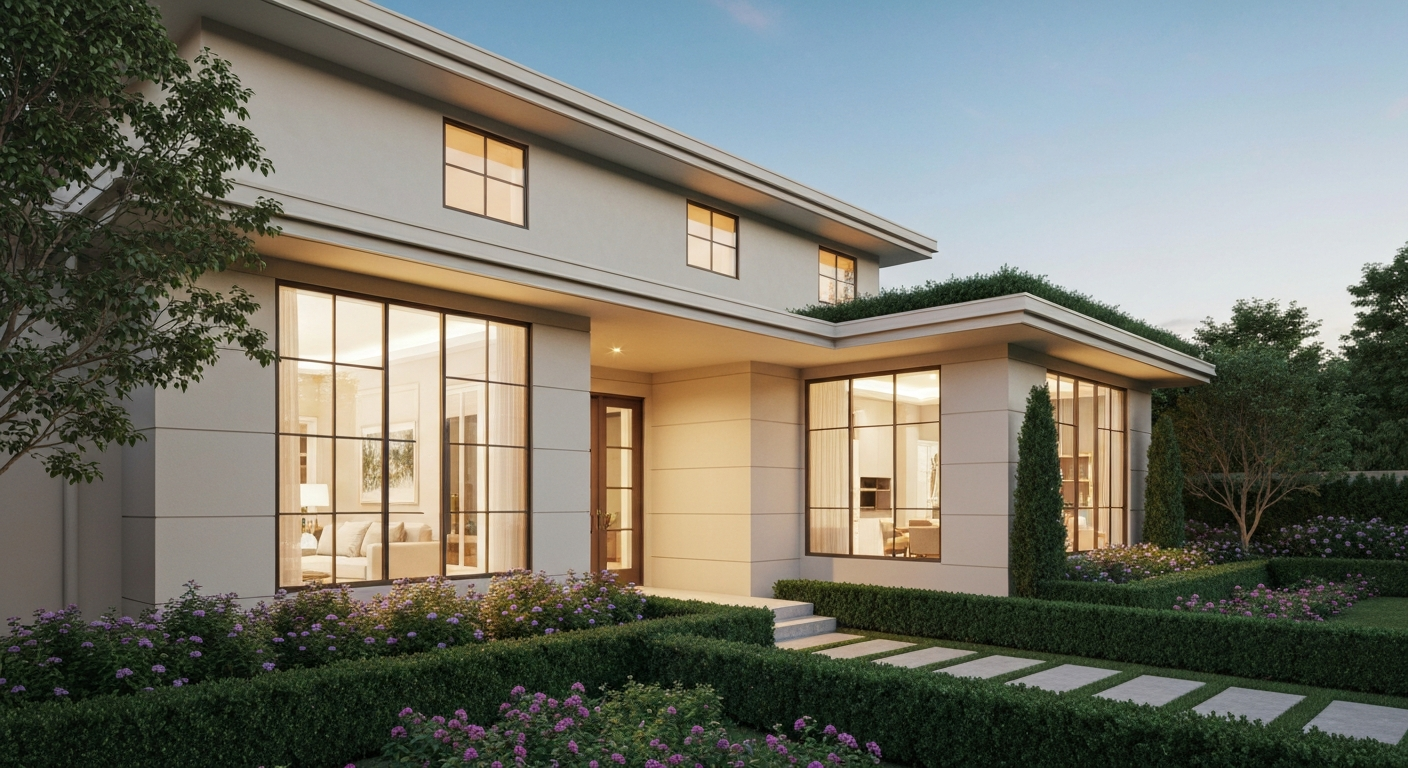
Minimalism is a design philosophy that champions simplicity and functionality. This architectural style focuses on creating calm and clutter-free environments by using clean lines, neutral color palettes, and open, uncluttered spaces. It’s about intentional living, where every element in your home has a purpose.
The popularity of minimalism is a response to our increasingly busy lives. People are looking for a peaceful escape, and a minimalist home provides just that. This style prioritizes essential elements, removing unnecessary distractions to create a sense of order and tranquility. Good architectural design, in this context, is defined by its ability to blend form and function seamlessly.
By emphasizing expansive windows, simple geometric forms, and multipurpose spaces, minimalist architecture creates homes that feel both stylish and effortless. This approach proves that you can achieve elegance and comfort through simplicity, making it a perfect fit for contemporary living.
The Rise of Biophilic and Nature-Inspired Architecture
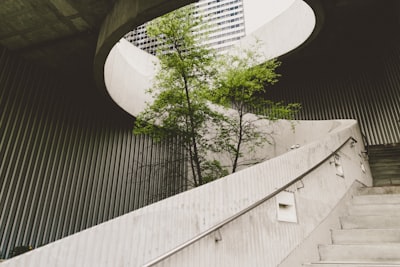
Biophilic design is an innovative approach that seeks to connect people with nature by integrating natural elements into our buildings. This trend is about more than just adding a few indoor plants; it involves a conscious effort to incorporate natural materials like wood and stone, maximize natural light with large windows, and even add features like indoor water fountains.
With more people working from home, the desire for a calming and productive environment has grown. Biophilic design has been shown to reduce stress and improve mental well-being. It transforms your home into a sanctuary where you can feel more connected to the world outside, even when you're indoors.
The core idea is to create spaces that are restorative and inspiring. By using organic materials, prioritizing views of the outdoors, and filling interiors with greenery, biophilic architecture helps you build a healthier and more harmonious relationship with your living space.
Essential Elements of Good Architectural Design
Good architectural design is about more than just creating a beautiful structure; it’s about crafting a living space that enhances your daily life. The key is finding the perfect harmony between form and function. A well-designed home feels intuitive, comfortable, and perfectly suited to the people who live there. It’s crucial to work with a professional who understands how to translate your vision into a practical reality.
To achieve this, architects focus on several core components. These include creating a logical flow with a functional floor plan and striking the right balance between aesthetics and everyday practicality.
Functional Floor Plans for Family Living
A functional house plan is the foundation of a great home, especially for family living. The layout of your home dictates how you move through your day, how spaces connect, and how natural light fills the rooms. A thoughtfully designed floor plan creates an effortless flow that makes daily life more comfortable and intuitive. It’s one of the most critical factors to consider for your home.
When selecting a floor plan, think about how your family interacts. Do you need large, open spaces for gathering, or do you prefer more defined, separate rooms for privacy? Consider your daily routines and how the layout can support them. A good plan will anticipate your needs and provide a backdrop for your life to unfold smoothly.
Key factors to consider include:
- Flow and Circulation: How easily can you move from one room to another?
- Use of Space: Does the layout maximize functionality and storage?
- Light and Views: How does the plan take advantage of natural light and outdoor scenery?
- Future Needs: Can the floor plan adapt as your family grows or your needs change?
Balancing Aesthetics with Practicality in Home Design
A truly successful home design is one that perfectly balances aesthetics with practicality. While you want your home to be visually stunning, it must also be livable and functional for your everyday needs. This balance is where luxury and thoughtful design meet, creating a space that is both inspiring and comfortable. Architectural choices directly influence not only how your home looks but also how it works for you.
According to the National Association of Realtors, homes that master this blend of beauty and function often have higher market value. The goal is to create an environment that feels sophisticated without sacrificing comfort. This could mean designing an open-concept kitchen that is perfect for both entertaining and family meals or choosing materials that are durable and easy to maintain yet exude elegance.
Ultimately, the best architectural designs don’t force you to choose between a beautiful home and a practical one. Instead, they integrate these two elements so seamlessly that your living space becomes a perfect expression of your style and lifestyle.
Sustainable and Eco-Friendly Residential Design Trends
Sustainability is no longer a niche interest in architecture; it’s a leading trend. Homeowners are increasingly demanding eco-friendly homes that promote wellness and reduce environmental impact. This shift is driven by a growing awareness of climate change and a desire for healthier living spaces. As a result, architects are using innovative materials and smart designs to create homes that are kinder to the planet.
These trends go beyond just adding a few green features. They encompass everything from the materials used in construction to the home's overall energy consumption. Let's explore how green materials, smart technology, and passive design strategies are making this possible.
Green Building Materials and Smart Technology Integration
The move toward sustainability is being powered by two key advancements: green building materials and smart technology. Architects are now using materials like bamboo, recycled steel, and salvaged wood to reduce the environmental footprint of new homes. These materials are not only eco-friendly but also add unique character and texture to a home’s design.
At the same time, smart technology integration is making homes more efficient than ever. Features like automated lighting, AI-driven climate control, and advanced security systems offer convenience while minimizing energy waste. When paired with renewable energy sources like solar panels, these technologies can significantly lower a home's operating costs and environmental impact.
Here’s a look at how these elements contribute to a modern, sustainable home:
- Green Building Materials: Recycled wood and steel
Smart Technology: AI-driven climate and lighting control - Green Building Materials: Bamboo flooring and panels
Smart Technology: Automated energy management systems - Green Building Materials: Low-VOC paints
Smart Technology: Solar panels and energy storage - Green Building Materials: Locally sourced stone
Smart Technology: Voice-activated home controls
Energy Efficiency and Passive House Strategies
Achieving true energy efficiency in a home goes beyond technology; it starts with smart design. Passive house strategies are a great example of this. This design approach uses the building's architecture itself to maintain a comfortable temperature and reduce energy consumption. It relies on elements like high-quality insulation, airtight construction, and strategically placed windows to minimize the need for active heating and cooling.
These strategies are a cornerstone of sustainability in modern architecture. By maximizing natural ventilation and southern-facing windows for winter sun, a passive house can dramatically reduce energy bills. This thoughtful layout not only contributes to a healthier planet but also enhances the home's long-term value and functionality.
Using natural materials in conjunction with these strategies further boosts a home's eco-friendly credentials. A well-designed passive house is a testament to how intelligent architecture can create a home that is comfortable, cost-effective, and deeply committed to sustainability.
Conclusion
In summary, modern architectural design embraces a balance of functionality and aesthetics, reflecting the evolving needs and preferences of today's homeowners. Trends such as minimalism and biophilic design not only enhance the beauty of living spaces but also ensure they are practical and sustainable. As we move forward, incorporating eco-friendly materials and smart technology will become increasingly vital in creating homes that are both energy-efficient and comfortable. By understanding these trends, you can make informed decisions that resonate with your lifestyle and values. If you're ready to explore your options further, don’t hesitate to contact us for a free consultation to discuss how we can bring your dream home to life!