Key Highlights
Here is a quick look at the American real estate landscape for 2025:
- The hottest markets are shifting from the Sun Belt to more affordable Northeast and Rust Belt cities.
- Home prices are still appreciating in many areas, but cooling in others, creating a mixed market.
- Strong buyer demand continues in cities with robust job growth and a lower cost of living.
- Housing inventory remains tight in hot markets, while supply is growing in previously overheated areas like Florida.
- Population growth is a key driver, pushing demand in cities like Austin, Texas, and Charleston, South Carolina.
Introduction
Are you thinking about buying or selling a home in 2025? The nation's real estate markets are going through a fascinating recalibration, influenced by today’s housing market dynamics. While factors like fluctuating interest rates and inflation concerns have some people waiting, the fundamental desire for homeownership remains strong. This shift is creating new opportunities in different parts of the country. Understanding where housing demand is rising and which markets offer the best value is more important than ever. Let's explore which cities are leading the pack.
Explore the Best Real Estate Markets in the US for 2025
Finding the right place to invest in real estate requires a close look at current market conditions. The hottest markets for 2025, including Las Vegas, blend big-city amenities with more manageable housing costs, attracting buyers from across the United States. Cities experiencing strong job creation and population growth, such as Las Vegas, are seeing sustained demand.
However, the national picture isn't uniform. Some regions are seeing home prices cool due to an increase in housing supply, while others remain highly competitive. Below, we'll examine ten of the top markets in economic research, each with unique strengths driving its appeal for homebuyers and investors.
1. Austin, Texas – Tech Growth and Housing Demand

Austin stands out as one of the most dynamic real estate markets in the nation. Its reputation as a booming tech hub continues to attract new companies and a talented workforce, fueling exceptional job growth. This economic energy directly translates into powerful housing demand, which is good news for homebuyers, keeping the market competitive.
The city ranks as one of the hottest overall markets, driven by high buyer demand. While home prices in New York City have seen significant increases over the last few years, the constant influx of new residents looking for opportunities keeps the pressure on. The demand subindex for Austin is one of the highest in the country, indicating a very active and desirable market.
For those looking to invest in a city with a proven track record of growth, Austin presents a compelling case. The combination of a vibrant economy and sustained interest from buyers suggests that its real estate market will remain a key area to watch in 2025.
2. Raleigh-Durham, North Carolina – Affordability and Job Opportunities
The Raleigh-Durham area continues to shine as a beacon of affordability combined with robust job opportunities. This region, known for its Research Triangle Park, attracts professionals in technology, research, and education, leading to steady population growth and economic stability. It’s a prime example of a market where quality of life and career prospects go hand-in-hand.
Affordability is a major factor driving interest in markets outside of the traditional coastal megacities. Buyers are finding that their money goes further in cities like Raleigh-Durham, where the median price for a home helps alleviate affordability challenges and is often more accessible than in larger metropolitan areas. This balance makes it an attractive destination for first-time homebuyers and families.
As buyers increasingly prioritize value, markets that offer a lower cost of living without sacrificing economic strength are gaining momentum. The combination of a strong job market and relative affordability positions Raleigh-Durham as a top contender for those seeking sustainable long-term value in their real estate investments.
3. Nashville, Tennessee – Rising Home Values and Cultural Appeal

Nashville masterfully combines its legendary cultural appeal with a booming economy, making it one of the most talked-about housing markets. The city's vibrant music scene, rich history, and growing culinary landscape create a magnetic pull for new residents. This strong cultural identity contributes significantly to its desirability and, in turn, its rising home values.
While some southern markets, including Jersey City, are experiencing a cooling trend, the demand for the unique lifestyle Nashville offers helps sustain its real estate momentum. Price appreciation in desirable neighborhoods continues to attract investors and homebuyers looking for a market with a strong sense of place and a proven record of growth.
The city’s ability to attract both tourists and new residents creates a dynamic environment for the housing market. For buyers, this means investing in more than just a property; it's an investment in a thriving cultural hub. This blend of economic opportunity and lifestyle makes Nashville a standout.
4. Tampa, Florida – Fastest Growing Home Prices
The Tampa metro area has been a focal point of real estate discussions, largely due to its significant price growth in recent years. During the pandemic housing boom, the region became one of the hottest markets in the country, with home prices shooting up as new residents flocked to the Sunshine State. This surge established Tampa as a leader in home value appreciation.
Although the market is now undergoing a recalibration with more housing inventory becoming available, its track record of rapid growth continues to draw attention. The area still benefits from steady job and population growth, which are key fundamentals for a healthy housing market long-term. However, high interest rates have challenged the affordability that once drew so many people, due to the very price growth it spurred.
For investors and buyers, understanding this shift is key. While the fierce competition of last year has eased, the underlying appeal of Tampa's lifestyle and economy remains. The market's evolution from rapid expansion to a more balanced state presents new considerations for those looking to buy.
5. Boise, Idaho – Stability and Emerging Trends
Boise, Idaho, has emerged as a model of market stability and resilience. While other cities experienced wild swings, Boise, along with Los Angeles, has shown consistent improvement, making it one of the most resilient markets in the nation. This stability is attractive to buyers and investors who are cautious about the volatility seen in other regions.
One of the key factors contributing to its strength is a healthy balance between housing demand and supply. The market has managed to grow without the extreme housing shortages or surpluses that can lead to dramatic price corrections, thanks in large part to its effective management strategies. Furthermore, Boise's housing demand subindex is among the highest in the country, signaling sustained interest from homebuyers.
This combination of high demand and relative stability makes Boise a compelling market. It demonstrates that growth doesn't have to be chaotic. For those seeking a market with strong fundamentals and a less frantic pace, Boise represents an appealing and secure option for 2025.
6. Phoenix, Arizona – Robust Economy and Investor Interest
Phoenix continues to be a major player in the US real estate scene, thanks to its robust economy and significant investor interest. Like many Sun Belt cities, it experienced a massive surge in population and home prices during the pandemic. This growth was fueled by a strong job market and a desirable sunny climate, attracting a wave of new residents.
Currently, the market is adjusting to new realities. While the rapid price increases have slowed, the economic foundations that made Phoenix so attractive remain in place. Job growth is still solid, and the region continues to draw people and businesses. This creates a complex but interesting environment for real estate.
For investors, the current market conditions in Phoenix could present a strategic opportunity. The cooling of home prices may offer a better entry point, while the city's strong economic outlook provides a basis for long-term growth. It's a market in transition, rewarding those who can navigate its evolving dynamics.
7. Salt Lake City, Utah – Balanced Market and Affordability
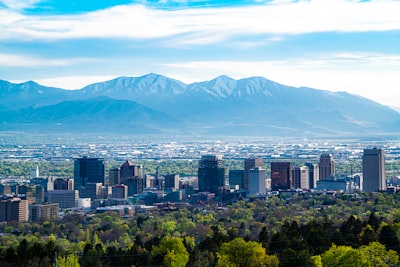
Salt Lake City is gaining recognition for its relatively balanced and affordable real estate market, especially when compared to expensive housing markets like San Francisco. In an era where housing costs have skyrocketed in many major cities, Salt Lake City offers a more attainable path to homeownership. This affordability, combined with a strong and diverse economy, makes it a popular destination for young professionals and families.
The market conditions here are often described as more stable compared to the boom-and-bust cycles seen elsewhere. This stability comes from a steady alignment of job growth, population increases, and new housing development. It avoids the extreme supply shortages that drive up prices uncontrollably, creating a healthier environment for buyers.
Are you looking for a market that offers both economic opportunity and a reasonable cost of living? Salt Lake City checks both boxes. Its ability to maintain equilibrium between growth and affordability makes it a standout choice for those seeking a secure long-term investment and a high quality of life.
8. Charlotte, North Carolina – Population Growth and Investment Potential
Charlotte has firmly established itself as a top-tier commercial real estate market, driven by powerful population growth and significant investment potential. As a major financial hub, the city boasts a thriving job market that continually attracts new residents from across the country. This consistent influx of people fuels steady demand for housing, leading to healthy home sales.
The city's appeal lies in its blend of dynamic urban energy and Southern charm, reminiscent of San Diego's allure. It offers the amenities of a large metropolitan area while maintaining a more manageable cost of living compared to cities in the Northeast or on the West Coast. This combination makes it highly attractive for both individuals and families.
For real estate investors, Charlotte represents a market with strong fundamentals. The ongoing population growth suggests a sustained need for housing, which supports long-term value and rental demand. It's a city on an upward trajectory, making it a wise choice for those looking to capitalize on its growth.
9. Denver, Colorado – Resilient Housing Market

Denver's housing market has proven to be remarkably resilient. Despite national economic shifts, Denver ranks as one of the hottest overall markets in the United States, alongside markets like San Jose. Its desirability is rooted in a diverse economy, an active outdoor lifestyle, and a vibrant urban core that continues to attract a steady stream of new residents.
While some reports indicate a cooling in house prices compared to the pandemic peak, the market's fundamentals remain strong compared to the rest of the country. The city maintains a high ranking for overall market heat, suggesting that buyer interest is still very much alive. The housing inventory, though it has seen fluctuations, continues to be absorbed by persistent demand.
This resilience makes Denver a market to watch. It has weathered economic storms before and has a history of bouncing back. For buyers, the current market conditions might offer a slight reprieve from the intense bidding wars of the past while still representing a solid long-term investment in a highly desirable city.
10. Dallas-Fort Worth, Texas – Large-Scale Development and Value
The Dallas-Fort Worth metroplex is a powerhouse of large-scale development and real estate value. As one of the fastest-growing metropolitan areas in the country, it benefits from a pro-business environment that attracts major corporate relocations and creates thousands of jobs. This economic expansion fuels constant demand for new housing.
One of the defining features of the DFW market is its robust housing supply. The region is notable for its high level of new construction, which helps to meet the needs of its growing population and keep home prices more stable compared to supply-constrained markets. This active development provides a wide range of options for homebuyers at various price points.
This focus on building and expansion ensures that Dallas-Fort Worth can accommodate its growth, offering value to both residents and investors. The market's ability to scale its housing supply in response to demand is a key factor in its long-term stability and appeal.
Ranking Criteria for Top US Real Estate Markets
Have you ever wondered how experts determine the "hottest" real estate markets? It's a comprehensive process that goes far beyond just looking at home prices. Analysts use indexes that combine a wide array of data points, including insights from the national association of home builders, to provide a clear picture of local market conditions, comparing them to the national average.
These rankings consider everything from local demand and housing supply to financial factors like affordability and mortgage delinquencies. By looking at these metrics together, experts can create a holistic score that ranks metropolitan statistical areas on a scale from frigid to balmy. Let's look at the specific factors involved.
Key Factors Analysts Use to Rank the Best House Market in US
To rank the best house market in the US, analysts examine a balanced set of indicators that reflect a market's health and momentum. These factors demonstrate our strict editorial policy in evaluating data, helping to paint a complete picture of market conditions, showing where buyers have bargaining power and where sellers have the upper hand.
Understanding these metrics is crucial for any potential buyer or investor. Key factors include:
- Home Price Appreciation: The year-over-year change in home prices.
- Housing Supply: The number of active listings available relative to the population.
- Buyer Demand: Measured by how quickly homes are selling (median days on market).
- Affordability & Job Market: A look at job growth, unemployment rates, and overall cost of living.
By weighing these different elements, analysts can identify markets that offer not just price growth but also stability and opportunity. This data-driven approach moves beyond headlines to reveal the true strength of a local real estate environment.
Economic Growth, Job Creation, and Housing Supply
Economic growth and job creation are the engines that power a thriving real estate market. When a city has a diverse employment base and is actively recruiting new employers, it attracts a steady stream of new residents. According to the Bureau of Labor Statistics, this population growth directly increases the demand for housing, as seen in markets like Omaha, which boasts positive job growth and a low unemployment rate.
A healthy economy provides the financial stability people need to make long-term investments like buying a home. The number and type of jobs being created are critical indicators of a market's resilience. Cities that are not overly dependent on a single industry tend to weather economic downturns more smoothly.
However, demand is only one side of the equation. Housing supply must keep pace with population growth. Markets like Dallas are notable for their ability to encourage new construction, which helps absorb new demand and maintain balance. Conversely, regions in the Northeast face housing shortages, which drives up prices due to limited inventory.
Affordability, Cost of Living, and Market Stability
In today's market, affordability and the overall cost of living, including property taxes, have become top priorities for many homebuyers. With home prices and mortgage rates higher than in recent years, buyers are increasingly drawn to regions where their budgets can stretch further. This trend is fueling momentum in many Midwest and Rust Belt markets.
Cities like Omaha, Nebraska, for example, offer a lower cost of living compared to large metro areas on the coasts. The median home sales price there is significantly lower than the national average, making homeownership more accessible, especially in terms of months of supply. This affordability, coupled with a strong job market, creates a very attractive proposition.
Market stability is the third pillar of a desirable market. Buyers and investors prefer markets that demonstrate resilience and avoid dramatic price swings. Stability is often found where there is a healthy balance between housing supply and demand, preventing the kind of overheating that can lead to sharp corrections later on.
Emerging Trends Impacting US Real Estate Markets in 2025
The real estate landscape is constantly evolving, and 2025 is no exception. Several emerging trends are reshaping housing demand and influencing where people choose to live. Understanding these shifts can give you an edge, whether you're buying, selling, or investing.
The rise of remote work changed everything, and its long-term effects are still unfolding. At the same time, technology continues to transform how we search for and purchase homes. Let's examine how these major trends are impacting buyer demand and creating new opportunities in the market.
Migration Patterns and Remote Work Influence
Migration patterns across the United States have shifted significantly, with remote work playing a key but evolving role. While the freedom of full-time remote work is becoming less common as some employers call staff back to the office, its influence persists. The ability to work in a hybrid model continues to give people more flexibility in where they live.
This has led to a re-evaluation of what makes a location desirable. Many new residents are moving away from high-cost megacities in favor of areas that offer a better quality of life. Key drivers behind these migration patterns include:
- The search for greater affordability and a lower cost of living.
- A desire for more space and access to outdoor recreation.
- Moving to be closer to family.
This migration continues to fuel housing demand in receiving cities, particularly in the Sun Belt and parts of the Midwest. Even as the initial pandemic-fueled frenzy subsides, the trend of seeking value and lifestyle improvements remains a powerful force in the market.
Technology’s Role in Shaping Housing Demand
Technology is profoundly shaping housing demand, primarily by influencing where jobs are created. The growth of the tech industry in specific hubs acts as a powerful magnet for a skilled workforce, which in turn drives up local housing demand. Austin is a prime example of this phenomenon.
As tech companies expand or relocate to cities like Kansas City with favorable business climates, they bring high-paying jobs that increase the purchasing power in the area. This influx of well-compensated professionals often leads to fierce competition for a limited number of homes, putting upward pressure on prices and creating a seller's market.
These changing market conditions mean that a city's economic development strategy, particularly its ability to attract tech firms, is now a key indicator of its future real estate prospects, much like how Fannie Mae influences the market. For homebuyers, this means that tracking where tech jobs are heading can provide clues about the next hot housing market.
Conclusion
As we look ahead to 2025, the U.S. real estate market presents exciting opportunities for both buyers and investors, especially through insights provided by the National Association of Realtors. From tech-driven Austin to the affordability of Raleigh-Durham, each market offers unique advantages that cater to various needs and preferences. Understanding these emerging trends and key factors will help you make informed decisions that align with your goals. Whether you're a first-time homebuyer or a seasoned investor, there’s a wealth of potential waiting in these top markets. So, start exploring these options now, and don’t hesitate to seek expert guidance for the best results. If you're ready to dive deeper into the real estate landscape, get a free consultation with our team today!
Frequently Asked Questions
What should investors look for in the best house market in US?
Investors should look for markets with strong fundamentals: consistent job growth, positive population trends, and strong buyer demand, as well as those where homeowners have significant home equity. The best opportunities are often in the hottest markets that also have a healthy balance between housing supply and demand, which supports sustainable home value appreciation without creating an unsustainable bubble.
How do rising or falling markets impact buyers and sellers?
In a rising market, sellers benefit from higher home prices, but buyers face tougher competition and higher housing costs. If you’re a seller in this situation, it may be a good time to capitalize on the demand. In a falling or cooling market, buyers gain more negotiating power and see less competition. Sellers may have to lower their asking price or wait longer to find a buyer.
Which regions are most affordable for real estate in 2025?
The most affordable regions in 2025 are found in the Midwest and the Rust Belt. Cities in states like Nebraska, Ohio, and Pennsylvania are gaining attention for their low cost of living and accessible house prices, with a notable median list price often significantly below the national average, offering great value.