


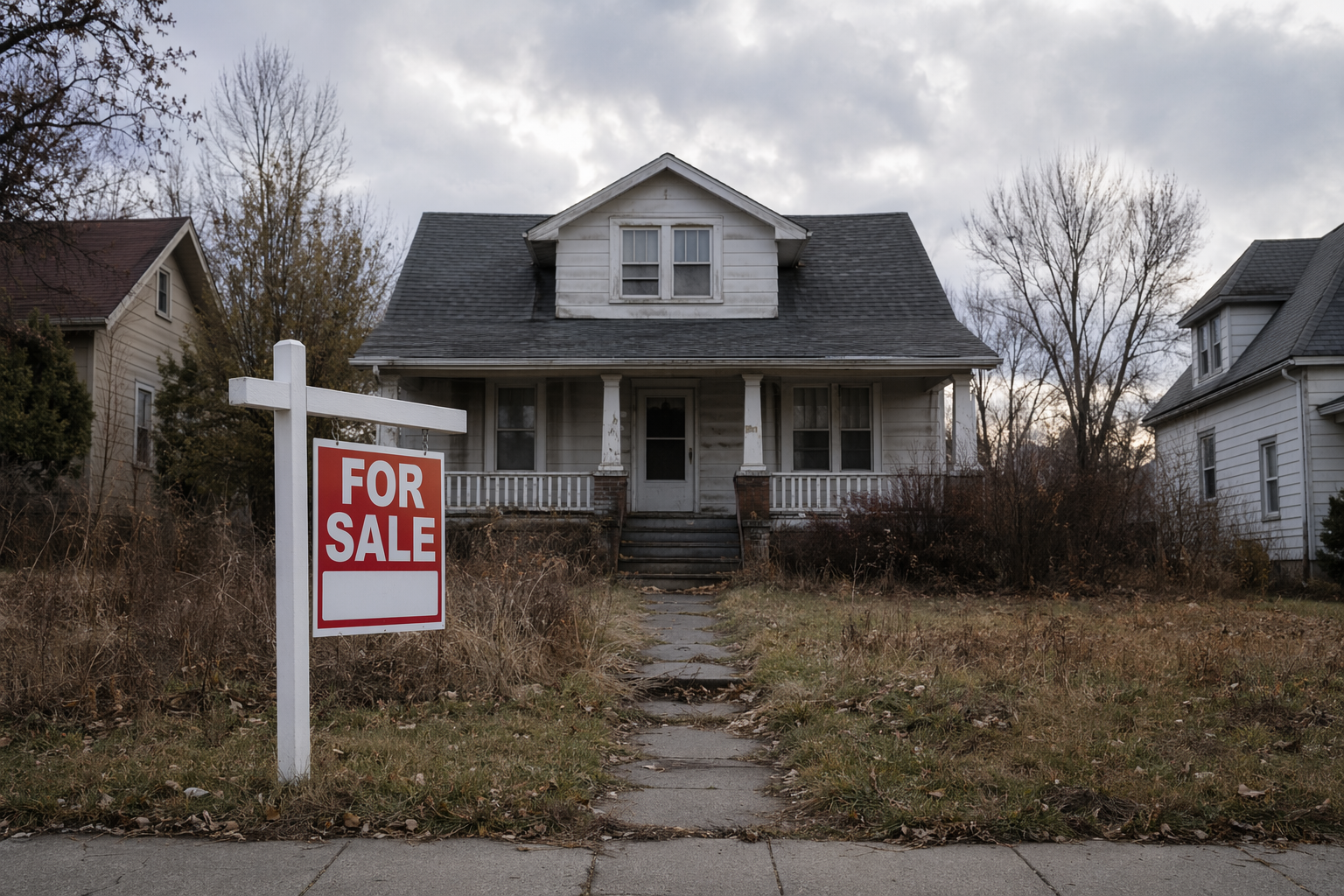
Key Highlights
- Many home selling problems come down to avoidable real estate mistakes.
- The wrong asking price can push buyers away before they visit.
- Weak listing photos and a poor online presence hurt first impressions fast.
- Low curb appeal can make buyers question the home before walking in.
- Needed repairs, clutter, odors, and inflexible showing times often reduce buyer interest.
- A weak agent can stall the process, while data from TrueParity helps you find stronger local agents.
Introduction
Home selling can feel confusing when your property sits and potential buyers keep passing. In many cases, the issue is not luck. It is a mix of common reasons tied to price, presentation, market conditions, and agent performance. The real estate market rewards homes that are positioned well from the start. If you want a successful sale, you need to know what may be going wrong and how to fix it before more time slips away.
Top Reasons a House Doesn’t Sell in the United States
Several common reasons can cause a home selling plan to fall flat. Some are tied to the house itself, such as condition, clutter, or outdated style. Others come from pricing, timing, or weak marketing.
In real estate, market conditions matter too. A buyer’s market, high rates, or fewer buyers during the wrong time of year can slow momentum. Still, many stalled listings can improve when sellers make smart changes and work with the right agent.
1. Overpricing Your Home for the Market
Your asking price shapes everything. It is often the first thing buyers notice during their home search, and many filter homes by price range before they ever read details. If the listing price is too high, you may lose people who would have been strong prospects.
A weak pricing strategy also affects how buyers judge market value. If your home is priced above comparable homes or similar homes nearby, buyers may assume it is not worth seeing. Some may even worry the seller is unrealistic, which can shrink buyer interest fast.
That is why pricing impacts a home’s chance of selling so much. A smart starting point is a comparative market analysis based on recent sales and comparable sales. If your home has had little activity, a strategic price drop can help bring it back into the right buyer’s view.
2. Poor Home Condition or Needed Repairs
Yes, the home’s condition can absolutely prevent a quick sale. Prospective buyers often want a place that feels move-in ready. When they see obvious wear, they start adding up cost, time, and stress.
Small issues can have a big effect. Peeling paint, leaky faucets, damaged trim, or other minor repairs may seem manageable to you, but buyers often treat them as warning signs. They may wonder what else has been ignored behind the walls or under the roof.
For a successful sale, fix what you reasonably can before listing or while the home is active. If larger work is needed and you do not want to take it on, be realistic about price. A home in rough shape can still sell, but only if expectations match the condition of the home.
3. Ineffective Marketing Strategy
One of the most common mistakes homeowners make is assuming a sign in the yard and an MLS entry are enough. In today’s home search process, your marketing strategy needs reach, quality, and consistency. If people do not see your listing, they cannot become buyers.
A poor approach usually shows up in a few ways:
- Limited exposure on major real estate websites
- Little or no promotion through social media
- Thin listing details that fail to build buyer interest
Even in decent market conditions, weak marketing can leave a good home ignored. Your agent should use a multi-channel plan that puts the property in front of the right audience. If that is not happening, the issue may not be your house at all. It may be the strategy behind it.
4. Unappealing Listing Photos and Online Presence
Photos matter more than many sellers realize. For most potential buyers, the online listing is the first showing. If the images are dark, blurry, or poorly framed, people may skip the home before they ever schedule a visit.
First impressions happen fast online. Strong listing photos help buyers notice space, layout, and natural light. Poor images do the opposite. They can make rooms feel smaller, older, or less inviting than they really are, which weakens interest from the start.
That is why professional photography is so important. Better photos, better video, and a stronger online presence can change how buyers respond to the same property. If your home is sitting, ask whether the digital presentation reflects its best features or quietly works against you every day.
5. Lack of Professional Home Staging
Staging can make a real difference if your house is not getting offers. Home buyers want to imagine their own lives in the space. When rooms feel empty, awkward, or poorly arranged, that vision becomes much harder.
A professional stager helps highlight what works. Good home staging can improve flow, show room purpose, and support better first impressions in both photos and in-person visits. It is not just about style. It is about helping buyers understand the home quickly.
Not every house needs the same level of staging, but many benefit from some help. That may mean furniture placement, removing distracting pieces, or even virtual staging for the online listing. If buyer interest feels weak, staging is one of the clearest ways to improve presentation without a full remodel.
6. Limited Showing Availability for Buyers
If your home is hard to see, it becomes hard to sell. Even in a strong market, prospective buyers may move on if showing availability is too limited. People often want to tour homes quickly, especially when comparing several in the same week.
Restricted access usually looks like this:
- Few available time slots for private tours
- Frequent cancellations or last-minute conflicts
- No flexibility for open houses
Easy access matters in any market, and it matters even more in a buyer’s market where shoppers have options. If your home is not selling in a strong market, start by removing obstacles. Leave during showings, make plans for pets, and work with your agent to open more viewing windows. Convenience can create momentum.
7. Negative First Impressions and Curb Appeal Issues
Curb appeal sets the tone before buyers step inside. If the yard looks neglected or the exterior seems tired, those first impressions can be hard to undo. Buyers may start the tour looking for flaws instead of imagining a future there.
Often, the fixes are simple. Mow the lawn, clear walkways, trim overgrowth, and remove visual clutter near the entry. A worn front door, dirty exterior surfaces, or peeling paint can make the whole property feel less cared for than it really is.
Small changes can help your home’s chances of selling more than you might expect. Fresh paint on the front door, basic landscaping, and a clean approach to the entrance can shift the mood right away. Exterior presentation tells buyers whether the home feels welcoming and well maintained.
8. Unfavorable Location Factors
Location affects how quickly a house sells because buyers judge more than the house itself. They also weigh traffic, commute issues, nearby noise, and how the neighborhood feels day to day. A less desirable setting can reduce demand from the start.
In the real estate market, location also shapes market value. If your home is near a busy road or in an area buyers hesitate about, it may take longer to attract the right match. In a buyer’s market, those concerns can feel even larger because shoppers have more choices.
You cannot move the property, but you can adjust the strategy. Better pricing, stronger presentation, and smart buyer incentives can help offset location concerns. When the setting is a challenge, the rest of the listing has to work harder to keep attention and build confidence.
9. Seasonal or Market Timing Challenges
Sometimes the issue is timing, not the home. The time of year can influence buyer traffic, especially for families who prefer to move before school starts. Peak seasons often bring more activity, while other months may bring fewer buyers.
Market conditions matter just as much. High mortgage rates, inflation, or broader economic conditions can cause people to delay major purchases. That means even well-presented homes may move more slowly than expected through no fault of the seller.
This is one reason a house might stay on the market for a long time without selling. If you list during a slower period, patience may be required. In some cases, sellers choose to wait, relist later, or improve terms so the home stands out despite weaker seasonal demand.
10. Low-Quality or Inexperienced Real Estate Agent
Your real estate agent has a direct effect on the outcome. If that person lacks focus, strong systems, or enough years of experience, the selling process can slow down fast. A weak agent may miss the right buyer, price the home poorly, or fail to adapt when the market responds badly.
This is one of the most overlooked reasons a house does not sell. Sellers often blame the property first, but the problem may be the person leading the plan. Bad communication, poor scheduling, and a thin marketing strategy can quietly drain momentum week after week.
If your house is not selling, switching your listing agent can be a smart move when performance is clearly lacking. The key is not switching blindly. It is finding someone with proven results, local knowledge, and a better plan.
11. Refusing to Negotiate or Be Flexible with Offers
Another common mistake is treating every offer as an insult. Sellers often have an emotional attachment to the home, and that can make negotiation harder than expected. But if you reject reasonable discussions too quickly, buyer interest can disappear.
Price is only one part of a deal. Some buyers care just as much about the closing date, included items, or small concessions that make the move easier. A rigid response can push away someone who might have become your best option with a little flexibility.
You do not need to accept every low offer. Still, you should look at the full package with a clear head. If the market is sending a message and several offers fall apart over similar issues, it may be time to adjust expectations and negotiate more strategically.
12. Ignoring Feedback from Showings or Open Houses
Feedback is useful only if you listen to it. After showings and open houses, buyers and agents often reveal exactly what is holding the home back. When sellers ignore that market feedback, the same problems keep blocking progress.
Potential buyers may mention price, odors, outdated rooms, clutter, or needed repairs. One comment alone may not mean much. But when the same issue comes up again and again, it deserves attention. Patterns usually point to the biggest obstacle in the home selling process.
This is another reason homes sit too long. Sellers sometimes hold out for a certain sale price while the market keeps signaling resistance. If your home is getting traffic but no offers, use the feedback as a tool. It can help you make the changes buyers are already asking for.
13. Poor Communication Between Seller and Agent
Communication problems can quietly wreck a home sale. If you and your real estate agent are not aligned, decisions get delayed, feedback gets lost, and the selling process becomes reactive instead of planned. That confusion can cost you the right buyer.
Watch for issues like these:
- You rarely get updates on showings, offers, or market feedback
- Questions about strategy go unanswered
- You are unsure what the next step in the home sale should be
Good communication builds trust and speed. You should know how the listing is performing and what changes are being considered. If that is not happening, switching your listing agent may be worth serious thought. A better working relationship can improve both decision-making and results.
14. Unpleasant Odors or Pet Damage
Smell can stop a sale fast. For many potential buyers, odor is the first thing they notice when they enter. If the home has cigarette smoke, pet damage, mildew, or other strong scents, buyer interest can drop before the tour really begins.
The challenge is that owners often stop noticing these smells over time. Buyers do not. They may assume the odor points to a bigger maintenance problem, and some will leave with no desire to make an offer, even if the layout and price seem right.
A few small changes can help. Get an honest opinion from someone outside the home, deep clean thoroughly, and address the source instead of masking it. If pets have damaged flooring or walls, repair those areas. Clean air and a fresh feel make the home easier to trust.
15. Outdated Décor or Style Choices
Outdated décor can make buyers feel the house needs more work than it actually does. An old kitchen look, heavy finishes, or very specific style choices can distract from the home’s strengths and hurt first impressions.
This does not mean you need a full renovation. In many cases, simple updates can soften the effect. Fresh paint, lighter furnishings, and cleaning up window areas to improve natural light can make the home feel more current and open.
Small changes often go further than sellers expect. Buyers respond well to spaces that feel neutral, bright, and easy to personalize. If your home has not had style updates in years, focus on simple improvements that make the property feel cleaner and less tied to a past decade.
16. Legal, Title, or Disclosure Issues
Some homes stall because of paperwork, not presentation. Legal issues tied to permits, ownership records, or missing details can interrupt a home sale at the worst time. Buyers often back away when uncertainty shows up late in the process.
Title problems are a major example. If there is any cloud on the title, it usually must be resolved before the sale can close. The same goes for unpermitted work or weak disclosure practices that raise concerns about what the seller has not fully shared.
This is one reason a house may sit for a long time without selling. Deals can collapse even after strong interest if legal concerns surface. When these problems appear, a real estate attorney can help you fix them so the transaction can move forward with fewer surprises.
17. Cluttered or Over-Personalized Spaces
Clutter is one of the most common mistakes sellers make. It makes rooms feel smaller, busier, and harder to understand. Home buyers want to picture how they would live in the space, not feel like they are touring someone else’s packed home.
Too many personal items create a similar problem. Family photos, collections, and highly specific décor can make it difficult for buyers to connect emotionally. Instead of seeing possibility, they keep seeing reminders that the home belongs to someone else.
The fix is usually straightforward. Remove excess furniture, clear counters, pack away personal items, and consider renting a storage unit if needed. Less clutter helps buyers focus on layout, storage, and flow. A cleaner, more neutral space gives them room to imagine their own next chapter.
18. Insufficient Incentives for Buyers
Sometimes a home needs a little extra push. When competition is high or market conditions are slower, buyer incentives can help your listing stand out without making a dramatic cut to the list price.
These incentives do not have to be huge. Offering a home warranty, helping with closing costs, or giving flexibility on the closing date can make a buyer feel more comfortable moving forward. In some cases, these terms matter more than a small change in sale price.
If your home has been sitting, think beyond just reducing price. The right incentive can widen the pool of interested buyers and make your home feel like the easier choice. Small concessions often create momentum when buyers are comparing similar properties side by side.
The Impact of Choosing the Wrong Real Estate Agent
A weak real estate agent can be one of the biggest common reasons a listing fails. When the person guiding your home selling strategy is not sharp, every stage of the selling process suffers. That includes pricing, marketing, showings, follow-up, and negotiation.
The result is simple: the right buyer may never see the home, or may lose confidence before making an offer. Before blaming the property alone, it is worth looking closely at the professional representing it.
How a Poor Agent Can Sabotage Your Sale
A poor real estate agent can sabotage your sale by making weak decisions early and failing to correct them later. Home selling depends on execution. If the agent misses the mark on pricing, positioning, or timing, the listing can lose momentum fast.
One common mistake homeowners make is trusting an agent without looking at performance. Years of experience alone do not guarantee good results, but lack of skill often shows up in bad advice about market value, sloppy follow-up, and an outdated marketing strategy.
When that happens, the home may sit while buyers pass it over for better-presented options. The seller then starts chasing the market with price cuts instead of leading with a smart plan. A poor agent does not just fail to help. That agent can actively make the outcome worse.
Signs Your Agent Isn’t the Right Fit
Sometimes the warning signs are obvious. Other times, they build slowly while your listing loses traction. If your real estate agent is not bringing structure, transparency, and real insight, it may be time to question the fit.
Red flags often include:
- Poor communication or long gaps between updates
- No clear explanation for the listing price
- Little use of market feedback to improve the listing
You should also ask whether the agent understands how buyers are behaving during the current home search cycle. If the strategy never changes despite weak response, that is a problem. Yes, switching your listing agent can be a good idea if the current one is not giving your home a real chance to compete.
When to Consider Switching Your Real Estate Agent
There comes a point when patience stops being productive. If your real estate agent is not improving results and the selling process feels stuck, switching may be the right move. The goal is not change for its own sake. The goal is a better outcome.
Consider a change if:
- Buyer interest stays low and no strategy updates are made
- The marketing strategy feels weak or outdated
- Your concerns are dismissed instead of addressed
A better agent can reset the plan, sharpen presentation, and reconnect the listing with the right buyer. If the current agent is not solving problems, you do not have to stay locked into poor performance forever. A fresh approach can sometimes change the trajectory of the entire sale.
Finding the Best Real Estate Agent Using Data with TrueParity
Choosing a real estate agent should not be based only on a friend’s recommendation or a polished sales pitch. A data-driven approach gives you a clearer view of who actually performs well in your market and who may not.
That is where TrueParity stands out. TrueParity is a real estate tech company that helps you find top local agents proven by data, which can bring more confidence and clarity to your selling process.
Why Data-Driven Choices Matter When Selecting an Agent
A data-driven approach helps you judge an agent by results instead of guesswork. That matters because the wrong real estate agent can hurt pricing, marketing strategy, and the full selling process. When your goal is to sell well, evidence should matter.
Plenty of agents sound confident. Fewer can show performance that lines up with your needs. Years of experience may help, but numbers give stronger context. You want proof that an agent can handle homes like yours in your area.
What to Review / Why It Matters
Recent sales
Shows whether the agent is active and producing results now
Local market activity
Helps confirm strength in your neighborhood, not just anywhere
Pricing patterns
Reveals whether listings are positioned realistically
Marketing approach
Indicates how the home may be presented to buyers
That is why TrueParity can help. It points you toward agents backed by real performance data, which can improve your odds of selling faster with fewer missteps.
How TrueParity Helps You Find Top Local Agents Proven by Results
If your home is not selling, finding a better agent should be practical, not random. TrueParity helps by focusing on results. Instead of relying on branding alone, it helps you compare local agents using real performance data.
That includes signals tied to recent sales, area activity, and market trends. For sellers, that matters because agent quality can directly affect pricing, visibility, negotiation, and how smoothly the home selling process moves from listing to close.
Can TrueParity really help you sell your home faster? It can help you make a smarter choice about who represents you, and that choice can change everything. A stronger agent with proven local results is far more likely to create the kind of plan that gets your home moving again.
Conclusion
In conclusion, understanding the reasons why homes fail to sell is essential for any seller looking to navigate the real estate market successfully. From overpricing to the importance of a skilled agent, every factor plays a role in the sale process. Choosing the right real estate agent, especially one backed by data, can make a significant difference in your selling experience. With TrueParity, you can easily find top local agents who are proven to deliver results, ensuring that you have the best support throughout your home-selling journey. Don't leave your success to chance—explore how TrueParity can help you find the right professional for your needs.
Frequently Asked Questions
What can I do if my house isn’t selling in a hot market?
If home selling feels stalled in a hot market, review your listing price against comparable sales, improve showing access, and use feedback from open houses. Even outside a buyer’s market, overpricing and weak presentation can slow a sale. Small adjustments often restart interest quickly.
How much does staging impact my home’s sale?
Home staging can have a strong impact because it improves first impressions and helps buyers picture themselves in the space. A professional stager can boost buyer interest by showing layout and flow clearly. Better presentation can also support perceived market value during showings and online.
Can TrueParity really help me sell my home faster?
TrueParity can help by making it easier to find a real estate agent with proven local results. Since home selling success often depends on agent quality, using data tied to market trends and performance can improve your selling process and your chances of moving faster.


