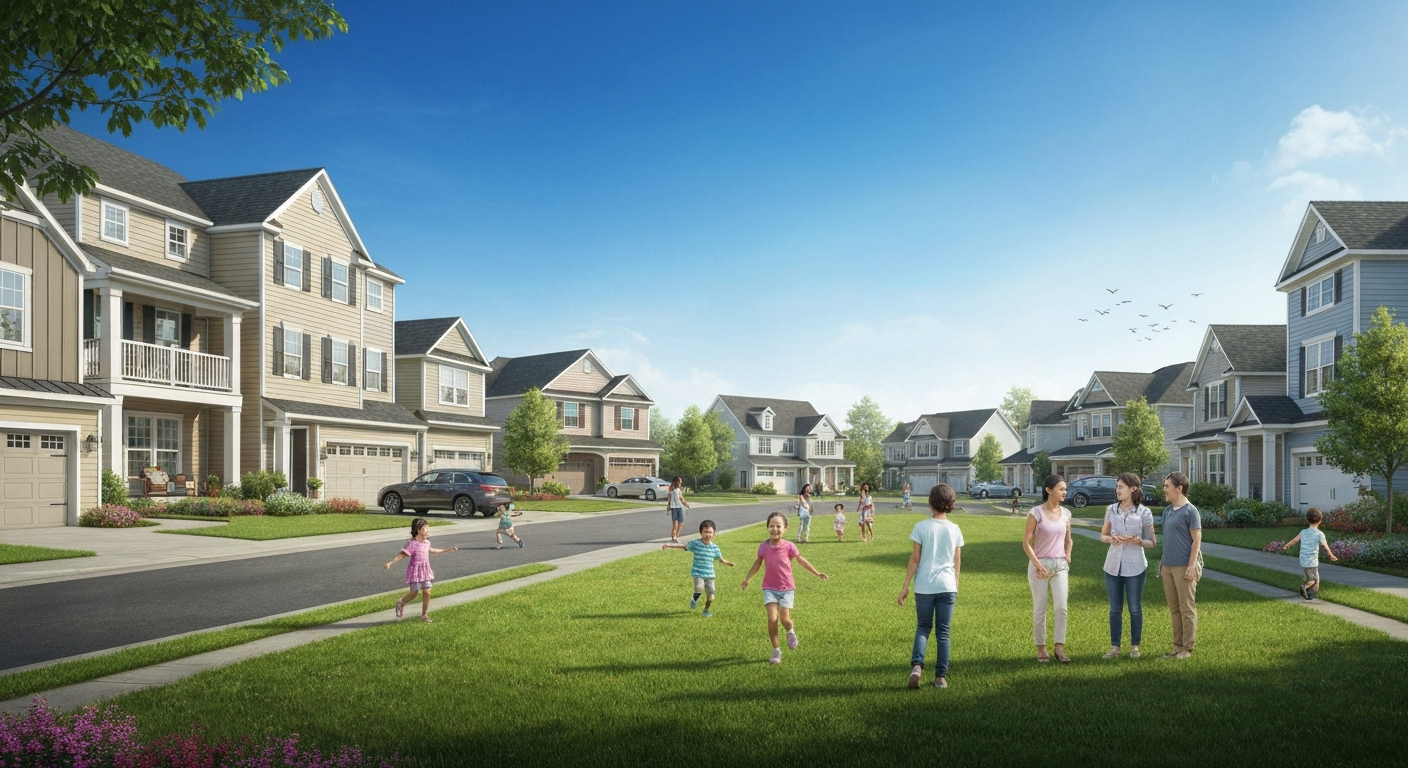
Key Highlights
- The rise of remote work is a primary driver for the growing popularity of suburban living.
- Buyers are prioritizing a better quality of life, seeking more space and a stronger sense of community.
- Suburban homes are increasingly in demand as they often offer more affordability compared to city centers.
- The housing market is shifting, with suburban areas seeing faster price growth than urban centers.
- Millennials are a major force in this trend, looking for family-focused lifestyles and modern amenities.
- Features like home offices and outdoor spaces are now essential for many buyers of suburban homes.
Introduction
The American real estate landscape is experiencing a major transformation. In recent years, a significant number of people have been trading the hustle of the city for the calm of the suburbs. This shift toward suburban living is reshaping buyer preferences, influencing community development, and causing a notable impact on home prices. If you're navigating the market, understanding what today's buyers want is more important than ever. This trend reflects a deep change in lifestyle priorities across the country.
Why Buyers Are Moving to the Suburbs
The appeal of suburban living has grown stronger than ever, drawing people away from dense urban centers. A major reason for this migration is the pursuit of a better quality of life, which often includes more space, quieter surroundings, and a friendlier price tag. The lower cost of living in many suburban areas makes homeownership more attainable.
This movement is also heavily influenced by the widespread adoption of remote work, which has freed many from the daily commute. As priorities change, families and individuals are finding that the suburbs offer the perfect blend of space, comfort, and community. Let’s explore these driving factors in more detail.
Changing Lifestyles and Priorities
Recent events have caused many people to reevaluate what they truly value in a home and community. The desire for an improved quality of life has become a top priority, pushing buyers toward suburban living. This is about more than just a house; it's about finding a place that supports a healthier, more balanced lifestyle.
For many, this means having more personal space, both indoors and out. Crowded city life is being traded for backyards, home offices, and neighborhoods with a welcoming atmosphere. The search for a stronger sense of community is a powerful motivator, as people look for areas where they can build lasting connections with their neighbors.
This shift indicates that proximity to a downtown office is no longer the most important factor for a large segment of the population. Instead, the focus has moved to creating a comfortable and fulfilling life right where you live.
The Influence of Remote Work and Flexibility

The rise of remote work has completely changed the game for the housing market. Before, living close to urban job hubs was a necessity for many professionals. Now, with companies embracing work-from-home policies, employees have unprecedented freedom to choose where they want to live.
This newfound flexibility means you are no longer tied to an expensive city apartment just to be near your office. The number of people working from home remains significantly higher than pre-pandemic levels, empowering a widespread migration to suburban areas. This trend has allowed homebuyers to prioritize other factors, like affordability and space.
As a result, you can live in a comfortable suburban home while keeping your job in the city. This separation of work and location has made suburban areas more attractive than ever, giving people the best of both worlds.
Family-Focused Living and Educational Opportunities
For decades, suburbs have been a top choice for families, and this trend is only getting stronger. A key driver for this is the pursuit of family-focused living, where the environment is tailored to the needs of both parents and children. Suburbs often provide a setting that feels safer and more nurturing.
A major draw is access to better schools. Many families specifically move to certain suburban neighborhoods to enroll their children in quality schools with strong reputations. This has long been a powerful motivator for homebuyers, and research from the National Association of Realtors shows that family needs are a key factor for the vast majority of suburban buyers.
Beyond education, these communities often feature parks, recreational facilities, and community services designed for families. This combination of quality schools and a family-friendly atmosphere solidifies the suburbs as the ideal place for many to put down roots and raise a family.
What Makes Suburban Real Estate So Attractive
So, what is it about suburban homes that makes them so appealing right now? Compared to the often-cramped and expensive nature of urban living, the suburbs offer a refreshing alternative. Buyers are drawn to the promise of more room to breathe, both inside and outside their homes.
This attraction goes beyond just physical space. The suburbs often foster a stronger sense of community and offer a pace of life that many find more relaxing than the constant buzz of city centers. We'll now look at the specific attributes—from space and safety to affordability—that are making suburban real estate the top choice for so many.
Space, Privacy, and Community Amenities
One of the biggest advantages of suburban living is the generous amount of space it provides. Buyers are actively seeking larger homes with more square footage, allowing for dedicated areas like home offices, playrooms, and guest rooms. This contrasts sharply with the smaller, more compact living quarters typical of dense urban areas.
Along with more indoor space comes the desire for privacy. Having your own yard is a luxury that many city dwellers can only dream of. It offers a private sanctuary for relaxing, gardening, or watching your kids play. This sense of personal space is a huge draw for those leaving apartment life behind.
Modern suburban developments also excel at providing shared community amenities that enhance residents' lifestyles. These often include:
- Community parks and green spaces
- Recreational facilities like pools and sports courts
- Walking and biking trails
- Clubhouses for social gatherings
Safety, Lower Crime Rates, and Quality of Life

A fundamental reason people move to the suburbs is the search for a safe environment. Many suburban neighborhoods are perceived as having lower crime rates compared to bustling cities, giving residents greater peace of mind. This feeling of security is invaluable, especially for families with young children.
The atmosphere itself contributes to a higher quality of life. Quieter streets with less traffic create a more peaceful and relaxed setting. Instead of constant sirens and city noise, you're more likely to hear children playing or neighbors chatting. This tranquil environment is a welcome change for those escaping the 24/7 energy of urban centers.
Ultimately, this combination of safety and serenity allows residents to feel more at ease in their daily lives. The ability to take a walk at night without worry or let your kids play outside freely is a powerful part of the suburban appeal.
Affordability Compared to Urban Markets
For many homebuyers, the decision often comes down to simple economics. Urban markets, especially in major hubs like San Francisco and New York, have become prohibitively expensive. In some cities, you need to earn a salary well into the six figures just to live comfortably. This has pushed many people to look for more budget-friendly options.
Suburbs generally offer a lower cost of living, which includes more than just housing prices. Daily expenses, property taxes, and other costs are often less than what you would pay in a big city. This financial relief makes achieving homeownership and building savings a more realistic goal.
This affordability means your money goes further. You can often get a larger home with more amenities in the suburbs for the same price as a small apartment in the city. This value proposition is a major driver of the urban-to-suburban migration, as buyers seek a better return on their investment.
Key Features Buyers Seek in Suburban Homes
Today's buyers aren't just looking for any house in the suburbs; they have a specific checklist of features in mind. The ideal suburban home has evolved to meet the demands of modern lifestyles, where work, family, and leisure all happen under one roof.
From dedicated home offices to spaces that encourage outdoor activities, these preferences reflect the new priorities of homebuyers. Let's examine the exact layouts, tech features, and neighborhood amenities that are at the top of every buyer's wish list.
Modern Layouts and Outdoor Spaces

The traditional, compartmentalized house plan is becoming a thing of the past. Buyers now prefer modern layouts that are open and flexible, creating a seamless flow between the kitchen, living, and dining areas. This design is perfect for both entertaining guests and keeping an eye on the family.
Outdoor spaces are no longer an afterthought but a central feature. A private yard, a patio for grilling, or a deck for relaxing are highly sought-after. These areas act as an extension of the living space, providing a place for recreation and a connection to nature.
New suburban developments are designed with these needs in mind, incorporating features that cater to a modern, flexible lifestyle. Key elements buyers are looking for include:
- Open-concept floor plans
- Dedicated home offices or flex rooms
- Private backyards or patios
- Energy-efficient designs and appliances
Home Office and Tech-Friendly Infrastructure
With remote work becoming a permanent fixture for many, a dedicated home office is now a must-have. Buyers are moving past the makeshift desk in the corner of a bedroom and are looking for a separate, quiet room that can function as a professional workspace. This feature has become a non-negotiable for a large portion of the market.
Beyond the physical room, a home's tech-friendly infrastructure is critically important. High-speed internet is essential, but buyers are also looking for more advanced integrations. This includes everything from smart thermostats and security systems to EV charging stations in the garage.
These tech features are no longer considered luxury add-ons but are becoming standard expectations in new suburban builds. A home that is already wired for the future is much more appealing to today's tech-savvy buyers, reflecting the convergence of technology and daily life.
Proximity to Parks, Schools, and Shopping
While buyers are moving away from city centers, they don't want to be isolated. The concept of the "15-minute suburb" is gaining popularity, where all essential services are just a short walk or drive away. This model offers the convenience of urban life without the congestion and high costs.
Easy access to daily necessities is a top priority. This includes being close to quality schools, grocery stores, healthcare facilities, and retail centers. Suburban neighborhoods that offer this level of convenience are in high demand because they reduce reliance on long commutes for simple errands.
This trend is all about creating a self-sustaining community where residents can work, live, and play without having to travel far. The ideal suburb blends the tranquility of residential life with the practical benefits of having parks, shops, and other essential services right around the corner.
Emerging Suburban Hotspots and Market Trends
As the suburban boom continues, not all markets are experiencing the same level of growth. Certain areas are emerging as hotspots, attracting a significant influx of new residents and real estate investment. This growing demand is creating exciting opportunities for both homebuyers and investors.
Understanding these trends is key to navigating the current housing market. Some suburban markets are drawing people from expensive cities like New York and San Francisco, while others are growing due to local economic strength. Let's look at which markets are gaining the most attention.
Most Popular Suburban Markets in the US
Identifying the "hottest" suburban markets involves looking at where people are moving and why. According to the National Association of Realtors, the shift toward suburban living is one of the most significant trends in recent memory. People are migrating from high-cost urban centers to more affordable areas that still offer strong job markets and a high quality of life.
Suburbs surrounding rapidly growing cities like Austin, Texas, and Charlotte, North Carolina, are prime examples. These areas are grappling with a population surge as they attract residents seeking a balance of opportunity and lifestyle. This creates dynamic real estate investment opportunities but also challenges like infrastructure strain.
The most sought-after suburban markets tend to share several key characteristics that drive their popularity and value.
Market Characteristics
- Affordability
- Description: Offers a lower cost of living compared to nearby major cities.
- Job Growth
- Description: Located near expanding economic hubs with new job opportunities.
- Quality of Life
- Description: Features good schools, low crime rates, and community amenities.
- Infrastructure
- Description: Shows investment in transportation, healthcare, and public services.
Up-and-Coming Suburbs for Investment Under $300K
Finding affordable housing has become a major challenge, but opportunities for real estate investment still exist, especially in up-and-coming suburbs. While the median home price has been rising nationwide, certain areas still offer properties at more accessible price points, making them attractive for first-time buyers and investors.
The key is to identify areas that are on the cusp of growth. These are often suburbs that may have been overlooked in the past but are now gaining attention due to growing demand and improving local economies. Investing in these locations before prices skyrocket can lead to significant returns.
Look for suburbs that showcase the following signs of potential, as they often indicate a market poised for growth:
- Recent investments in local infrastructure
- An influx of new businesses and job opportunities
- A steady increase in population
- Active community development and revitalization projects
How Millennials Are Shaping the Suburban Real Estate Boom
The largest generation in the country, millennials, is now at the heart of the suburban real estate boom. As this group of young professionals and families enters their prime homebuying years, their preferences are having a huge impact on the market. Many are choosing to leave city life behind in favor of suburban communities.
These demographic shifts are redefining what the ideal suburb looks like. Millennials are not just looking for the quiet neighborhoods their parents sought; they want a blend of modern amenities, convenience, and community. Understanding their unique desires is crucial for anyone involved in real estate today.
Preferences for Lifestyle and Smart Home Features
Millennials are looking for a specific lifestyle that combines the best of both urban and suburban worlds. They want suburban homes with spacious layouts and outdoor amenities, but they also value proximity to vibrant town centers with restaurants, shops, and social venues. This desire is fueling the growth of "hybrid suburbs."
As a tech-savvy generation, millennials place a high value on smart home features. Homes equipped with integrated technology for security, climate control, and entertainment are highly appealing. They see these features not as luxuries but as standard components of a modern home, simplifying daily life.
This generation also prioritizes a balance between their careers and personal lives. Access to job opportunities remains important, but so does access to parks, trails, and recreational activities. They are seeking well-rounded communities that support both professional growth and a healthy, active lifestyle.
First-Time Homebuyer Trends in the United States

Millennials currently make up the largest segment of homebuyers, accounting for 43% of all purchases in 2023. Many in this generation are now first-time homebuyers, eager to settle down and build equity after years of renting. This massive influx is a primary force behind the high demand in the housing market.
However, they face significant hurdles. Rising home prices and fluctuating interest rates have made affordability a major concern. These economic pressures are pushing many first-time buyers out of expensive urban markets and toward more attainable suburban properties.
In the suburbs, their money can go further, allowing them to purchase a home that meets their growing needs for space and family life. This trend highlights a practical response to today's economic realities, as millennials seek value and long-term stability in their first major real estate investment.
The Impact of Urban-to-Suburban Shift on Real Estate Prices
The mass movement from urban centers to suburban areas has had a direct and powerful impact on real estate prices. This population surge into the suburbs has created intense competition for a limited supply of homes, inevitably driving prices upward.
As demand in suburban markets skyrockets, the affordability that once defined them is beginning to shrink. This economic shift is reshaping the value proposition of both suburban and urban living. Let's compare the price growth in these two distinct markets to see the full picture.
Comparing Price Growth: Suburban Versus Urban Areas
The data clearly shows that suburban areas are experiencing more rapid price growth than their urban counterparts. This trend is a direct result of the heightened demand from buyers flocking to the suburbs. While home prices are rising almost everywhere, the rate of increase is notably faster outside the city.
According to a 2023 report from ATTOM Data Solutions, the median home price in suburban areas saw a significant jump. This outpaced the growth in urban markets, highlighting where the market's energy is currently focused. This disparity reveals a market in the middle of a major rebalancing act.
The difference in price appreciation is a key indicator for both buyers and investors, showing where the strongest demand lies.
Year-Over-Year Price Growth (2023)
- Suburban Areas
- Price Growth: 10.3%
- Urban Areas
- Price Growth: 7.6%
Factors Driving Value in Specific Suburban Markets
Not all suburbs are created equal, and several key factors determine why some markets become more valuable than others. For both property owners and real estate investors, understanding these value drivers is essential for making smart decisions.
Strong local economies with growing job opportunities are a primary factor. Suburbs that are close to expanding business hubs or are developing their own economic centers attract new residents who want short commutes and stable employment. This economic vitality is a cornerstone of a healthy real estate market.
Excellent public services also play a crucial role. The reputation of local, quality schools is often a top consideration for families, directly impacting property values. Additionally, well-maintained infrastructure, low crime rates, and ample community amenities all contribute to making a suburban market a desirable and valuable place to live.
What Makes a Suburban Market Stand Out
So, what elevates a good suburban market to a great one? It's a combination of practical features and a forward-thinking vision. The most successful suburban developments create vibrant communities where people truly want to live, work, and connect.
Key elements like strong infrastructure, accessible public transit, and a focus on community well-being are what make a market stand out from the rest. These are the places that are not just growing, but growing thoughtfully. Below, we'll explore the specific components that define a top-tier suburban market.
Infrastructure, Job Opportunities, and Commute Times
A suburb's underlying infrastructure is the backbone of its success. Poorly maintained roads and overcrowded schools can quickly diminish the appeal of an area, no matter how nice the homes are. Buyers are looking for communities where local governments invest in keeping everything running smoothly.
The availability of local job opportunities is another critical factor. While remote work is popular, many people still prefer or need to work onsite. Suburbs with their own thriving business districts are especially attractive, as they allow residents to avoid long commute times into a major city.
Efficient transportation options are essential for connecting residents to the wider region. Whether it's well-planned highways or access to public transit, a manageable commute is a major selling point. The best suburban markets offer:
- Well-maintained roads and minimal traffic congestion
- Access to reliable public transit networks
- A diverse and growing local job market
Future-Proof Neighborhoods and Community Trends
The most desirable suburban communities are those that are built for the future. This means embracing trends like the "15-minute" neighborhood, where daily needs are met locally. This focus on convenience and sustainability is a smart real estate investment, as it aligns with what modern buyers value.
Local governments play a huge role in creating these future-proof neighborhoods. Balancing new development with the preservation of green spaces is a major challenge. Communities that successfully manage this balance, creating sustainable growth without losing their character, tend to hold their value exceptionally well.
For buyers and investors, looking for suburbs with thoughtful, long-term planning is key. These are the communities that will continue to thrive, adapt, and remain desirable for generations to come, ensuring that your investment is a sound one.
Conclusion
In conclusion, the suburban real estate market is rapidly evolving to meet the changing needs and preferences of homebuyers. As more individuals seek space, community, and affordability, the allure of suburban living continues to grow. Understanding what buyers want—such as modern layouts, outdoor spaces, and access to amenities—will help you navigate this dynamic market effectively. Whether you’re a first-time buyer or looking to invest, staying informed about emerging trends and hotspots will be essential for making wise real estate decisions. If you're ready to explore your options in suburban living, don’t hesitate to reach out for guidance!
Frequently Asked Questions
Why are homebuyers choosing suburbs over cities?
Homebuyers are choosing suburban living primarily for a better quality of life and a lower cost of living. Suburbs offer more space, privacy, and community amenities compared to expensive urban areas. The rise of remote work has allowed new residents to prioritize these factors over proximity to city offices.
Which suburban housing markets are hottest in the US right now?
The hottest suburban markets in the United States are typically those surrounding fast-growing major cities like Austin and Charlotte. These areas attract significant real estate investment and new residents due to their blend of affordability, job growth, and appealing lifestyle, making them prime spots in the current housing market.
How does suburban demand compare to urban demand in 2025?
Looking toward 2025, the growing demand for homes in suburban areas is expected to continue outpacing that of urban living. This trend is driven by a sustained population surge into the suburbs, as buyers continue to prioritize space and quality of life, fundamentally reshaping the real estate landscape.