Key Highlights
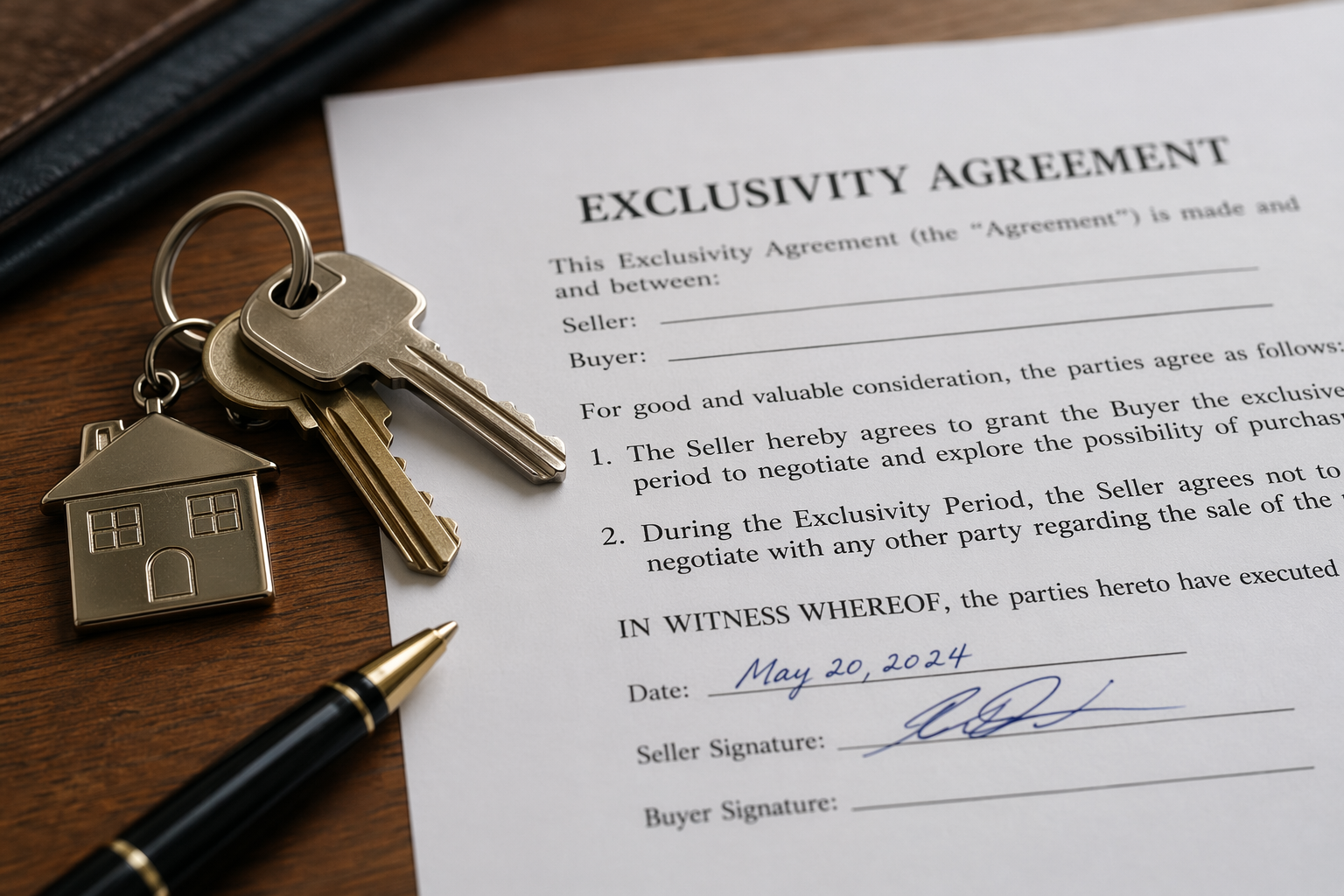
- An exclusivity agreement is a real estate agent contract that sets one agent as your main representative.
- In an exclusive right arrangement, the agent may earn commission even if you find the buyer yourself.
- Your commission structure, agent’s responsibilities, and key paperwork should be clear before signing.
- The duration of the agreement often runs for a set period of time, commonly a few months.
- Buyers and sellers both use these agreements to create focus, commitment, and smoother communication.
- Data can help you compare agents before making an exclusive commitment.
Introduction
Working with a real estate agent can make a real estate move feel far more manageable, but signing an exclusivity agreement is a big step. If an agent asks you to commit, you should know exactly what that means for your time, money, and flexibility. These agreements are common for both buyers and sellers, and they can help create a smoother process. Still, the fine print matters, so it helps to understand how these contracts usually work before you agree.
Understanding Exclusivity Agreements with Real Estate Agents
An exclusivity agreement is a real estate agent contract between you and a realtor that gives one professional the exclusive role of representing you during a real estate transaction. That can apply to a seller’s agent through a listing agreement or to a buyer’s agent through buyer paperwork.
In most cases, the agreement sets the commission structure, the agent’s responsibilities, the commission rate, and the period of time involved. State laws can affect each clause, including whether an exclusive right, exclusive listing agreement, or exclusive agency agreement offers a commission guarantee. The next sections explain how these forms usually work in practice.
What Is an Exclusivity Agreement and How Does It Work?
An exclusivity agreement is a written exclusive agreement between you and a real estate agent. It says that one realtor will represent you for a set time instead of you working with several people at once. Sellers may sign an exclusive listing agreement, while buyers may sign an exclusive buyer representation contract.
In simple terms, it works by giving that agent the right to act for you during the transaction. The real estate agent contract usually explains the commission structure, the agent’s responsibilities, and any commission guarantee. It may also spell out what happens if you find a buyer on your own or want to end the relationship early.
Just as important, every clause should be read closely. State laws shape how paperwork is written, and some terms differ by market. Before signing, make sure the exclusive right being granted matches what you actually want from the relationship.
Exclusive vs. Non-Exclusive Agreements Explained
Not every real estate agent contract works the same way. An exclusive agreement means you commit to one agent for a set period of time. A non-exclusive agreement gives you more freedom to work with multiple agents, but it can also reduce how much effort any one person puts into your listing or search.
Here is a simple text table that shows the difference:
Feature / Exclusive Agreement / Non-Exclusive Agreement
Type of agreement
One real estate agent represents you
You may work with more than one agent
Commission structure
Often includes a commission guarantee
Usually only the successful agent is paid
Agent’s responsibilities
Often more focused and clearly defined
May be less intensive
Duration of the agreement
Fixed and stated in the contract
Can be more flexible
Common seller option
Exclusive agency agreement or exclusive right
Open listing
For buyers, the same idea applies. With an exclusive agreement, one agent usually gives closer attention because the relationship is defined. State laws and local listing rules still matter, so read the contract terms carefully before choosing either route.
Common Situations for Signing Exclusivity Agreements in the U.S.
In the U.S., a home seller often signs an exclusivity agreement when hiring a real estate agent to market a property. That usually happens through a listing agreement, especially when the agent is expected to invest time, money, and effort into pricing, promotion, and showings.
Buyers also sign these contracts with a buyer’s agent, though the reasons can feel a little different. A real estate agent contract helps confirm commitment on both sides. Whether you are a property owner or a buyer, it helps to know why people enter these agreements and when that commitment really begins.
Reasons Buyers and Sellers Enter Into Exclusive Contracts
Many buyers and sellers choose an exclusivity agreement because it creates clarity. A home seller or property owner wants a listing agent who is fully committed. A buyer often wants one buyer’s agent who will track listings closely and guide the process from start to finish.
These contracts are common because they can benefit both sides:
- A real estate agent has more reason to prioritize your search or sale.
- The agent’s responsibilities are usually spelled out in writing.
- An exclusive right or similar setup can support stronger marketing effort.
- The commission structure and any commission guarantee are addressed up front.
For a realtor, that commitment protects the time spent advising, showing homes, and handling negotiations. For you, it can mean more dedicated service. Buyers do sign these agreements regularly, even if the direct advantage can sometimes lean more toward the agent.
When Are You Committed to an Agent After Signing?
Once you sign the paperwork, you are usually committed according to the terms of that real estate agent contract. That is the key moment. The exact effect depends on the type of agreement, but the signature generally activates the exclusive relationship for the stated period of time.
For sellers, the commitment often begins when the listing agreement starts. For buyers, it begins when the buyer representation paperwork is signed. From that point, the duration of the agreement controls how long you are expected to work with that one agent.
Still, read carefully before you sign. The contract should explain the agent’s responsibilities, start date, end date, and any termination language. If you are unsure when the exclusive obligation begins, ask before signing, not after you are already bound.
Pros and Cons of Exclusivity Agreements with Real Estate Agents
An exclusivity agreement can give you a more organized experience with one real estate agent handling the process. For a home seller or property owner, that often means a clearer plan, defined agent’s responsibilities, and stronger focus. Buyers may also benefit from closer attention and faster updates on listings.
At the same time, an exclusive agreement limits flexibility. If the fit is wrong, the commission structure and contract terms may make leaving harder than expected. That is why it helps to weigh both the benefits and the risks before you commit.
Advantages for Buyers and Sellers
A well-structured exclusivity agreement can make a real estate transaction more efficient. When one real estate agent knows they will represent you through the process, they are often more willing to invest time in strategy, communication, and follow-through. That can help both buyers and sellers.
Some of the main upsides include:
- A buyer’s agent may watch new listings more closely for you.
- A seller’s agent may put more energy into marketing and pricing.
- The listing agreement usually defines agent’s responsibilities clearly.
- The commission structure is discussed before the deal moves forward.
For a home seller or property owner, an exclusive right arrangement can lead to better coordination and stronger promotion. Buyers often gain a closer working relationship too. If the agent is excellent, exclusive representation can create a more focused and less confusing path.
Potential Drawbacks and Risks to Consider
There are real risks to signing an exclusivity agreement if you do it too quickly. The biggest issue is reduced flexibility. If your real estate agent is not a good fit, you may still be tied to the contract for the full period of time unless both sides agree to end it.
Watch for these concerns:
- An exclusive right setup may require payment even if you find the buyer.
- A commission guarantee may protect the agent more than you expect.
- Weak performance can be frustrating if agent’s responsibilities are vague.
- State laws and contract language may limit early cancellation options.
Can you terminate a real estate agent contract early? Sometimes, yes, but it is often case by case. Unexpected life events or failure to perform may help. Still, there is no automatic release, so read the agreement before signing and look closely at the termination terms.
Choosing the Best Real Estate Agent for an Exclusivity Agreement
Before signing an exclusivity agreement, focus on the person, not just the paperwork. The right real estate agent should have strong credentials, clear communication, and a track record that fits your needs. Whether you need a listing agent, seller’s agent, or buyer’s agent, quality matters because an exclusive agreement creates real commitment.
You should also understand how the real estate agent contract defines agent’s responsibilities. If you feel pressured, pause and review the terms first. For any property owner or home seller, the best next step is to compare options carefully, and data can make that decision much easier.
Qualities and Credentials to Look For
An excellent real estate agent does more than unlock doors or post a listing agreement. You want someone who communicates clearly, follows through, and understands the local market. If you are signing an exclusive right contract, you should feel confident that the agent has earned that level of trust.
Look for these qualities before you commit:
- Strong credentials and relevant local experience
- Clear explanation of agent’s responsibilities
- A solid record of results and client satisfaction
- Comfort discussing contract terms and state laws plainly
For a home seller, a good realtor should also offer practical advice on pricing, marketing, and preparation. If you feel rushed, stop and ask questions. Pressure is a warning sign. A strong professional should welcome careful review before you sign anything binding.
Using Data from TrueParity to Find Trusted Agents
If you feel pressured to sign, step back before agreeing to any real estate agent contract. The best way to find a trusted real estate agent is through data, not pressure. That is where TrueParity can help. TrueParity is a real estate tech company that helps you find the best agents in your area proven by data.
When comparing agents, focus on facts such as:
- Verified credentials and market experience
- Results tied to listing performance
- How the commission structure and commission rate are presented
- Whether the seller’s agent or buyer agent fits your type of agreement
For a home seller, using TrueParity can make the search more objective. Instead of picking the first person who asks for exclusivity, you can review data-backed options. That gives you more confidence before signing any listing or representation agreement.
Conclusion
In conclusion, understanding exclusivity agreements with real estate agents is crucial for making informed decisions in your property journey. These agreements can provide significant advantages, but they also come with potential drawbacks that you should consider carefully. When searching for an agent, prioritize qualities like experience and trustworthiness, as this will enhance your overall experience. Leveraging data from TrueParity allows you to find the best agents confidently, ensuring that your choice is backed by proven metrics. Take control of your real estate journey by exploring the resources available to you. For more insights and to find the right agent for your needs, check out TrueParity.