Key Highlights
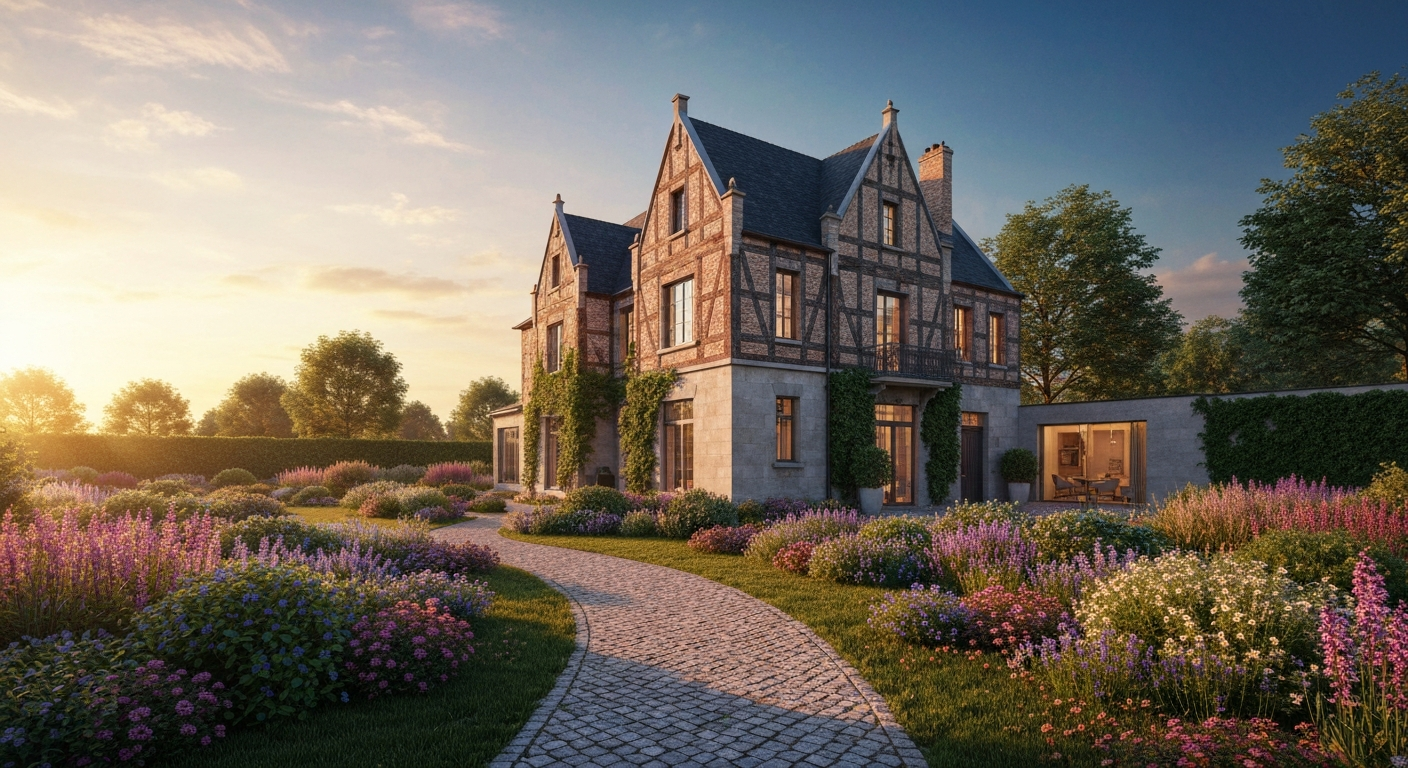
Here are the key takeaways from our guide to European house design:
- European house plans encompass diverse architectural styles, from French Country to Mediterranean.
- These homes often feature natural materials like stone, brick, and stucco for an authentic, old-world feel.
- Signature elements include steeply-pitched roofs, tall windows, and decorative woodwork.
- While traditionally featuring closed floor plans, many modern designs now offer open layouts.
- You can find designs ranging from cozy cottages to grand, castle-like estates.
- Our team of European house plan experts is available to help you find your dream home design.
Introduction
Have you ever dreamed of living in a home with timeless, old-world charm? European house design offers a captivating blend of history, elegance, and regional character. These homes are as diverse as the continent itself, drawing inspiration from a wide range of architectural styles. Whether you admire the rustic appeal of a countryside cottage or the grandeur of a Mediterranean villa, European designs bring a unique sense of sophistication. This guide will walk you through the distinctive features, popular styles, and interior design trends that make these homes so special.
Distinctive Features of European Home Design
European style home plans are celebrated for their unique character and curb appeal. While styles like French Country and Tudor vary, they often share common traits. You'll frequently see an emphasis on asymmetrical designs, arched doorways, and a stately presence that feels both grand and inviting.
A key part of their appeal lies in the use of natural materials. Beautiful stone exteriors, classic brickwork, and smooth stucco finishes are hallmarks of this architectural tradition. These materials not only add texture and warmth but also connect the home to a rich history of craftsmanship, creating a look that is both enduring and elegant. We'll look closer at the specific architectural and material choices next.
Hallmarks of European Architecture in Modern Homes
The architecture of Europe brings a sense of rustic elegance to modern living. What makes European country houses unique is their ability to blend traditional elements with contemporary needs. A French country house, for example, might feature classic plaster walls and exposed wooden beams, creating a warm and inviting atmosphere that feels rooted in history.
These designs often pay tribute to their origins with authentic details. You can find features that add character and charm, making the home feel custom-built and special. This blend of old and new is a defining feature of modern European-inspired homes.
Some common hallmarks include:
- Exposed wood beams on vaulted ceilings.
- Textured plaster walls that add depth and warmth.
- Stone or brick accent walls, particularly around fireplaces.
Comparison of European and American House Floor Plans
When it comes to floor plans, you might notice some differences between European and American designs. Traditionally, European homes featured more closed floor plans, with distinct rooms for different functions, such as a formal living room and a separate dining room. This approach created cozy, defined spaces.
However, many modern European house plans now embrace the open-concept living popular in American homes. You can find plans with great rooms, kitchen islands, and seamless transitions between living areas. These modern interior layouts offer the best of both worlds—classic European exteriors with the open, airy feel you love. The total square foot can range dramatically, from under 1,000 to over 15,000.
Feature — Traditional European vs. Modern American Floor Plans
- Layout:
- Traditional European: Often features closed, formal rooms
- Modern American: Typically favors open-concept living
- Kitchen:
- Traditional European: May be a separate, enclosed space
- Modern American: Often includes a kitchen island and opens to the family room
- Flow:
- Traditional European: More separation between living areas
- Modern American: Encourages a seamless flow between spaces
Popular Europe Style House Designs
The beauty of European home design is the wide variety of styles available. You are not limited to a single look; instead, you can choose from a rich collection of architectural styles that reflect different regions and histories. From the sun-drenched aesthetic of Mediterranean house plans to the storybook charm of Tudor homes, there is a design to suit every taste and climate.
This diversity means you can find a home that perfectly matches your lifestyle, whether you're building in the hot Sun Belt or a cooler northern region. Each style has its own unique features and history. Let's explore the differences between some of the most popular designs, including Tuscan, French Country, Mediterranean, and more.
Tuscan vs. French Country Houses – Key Differences
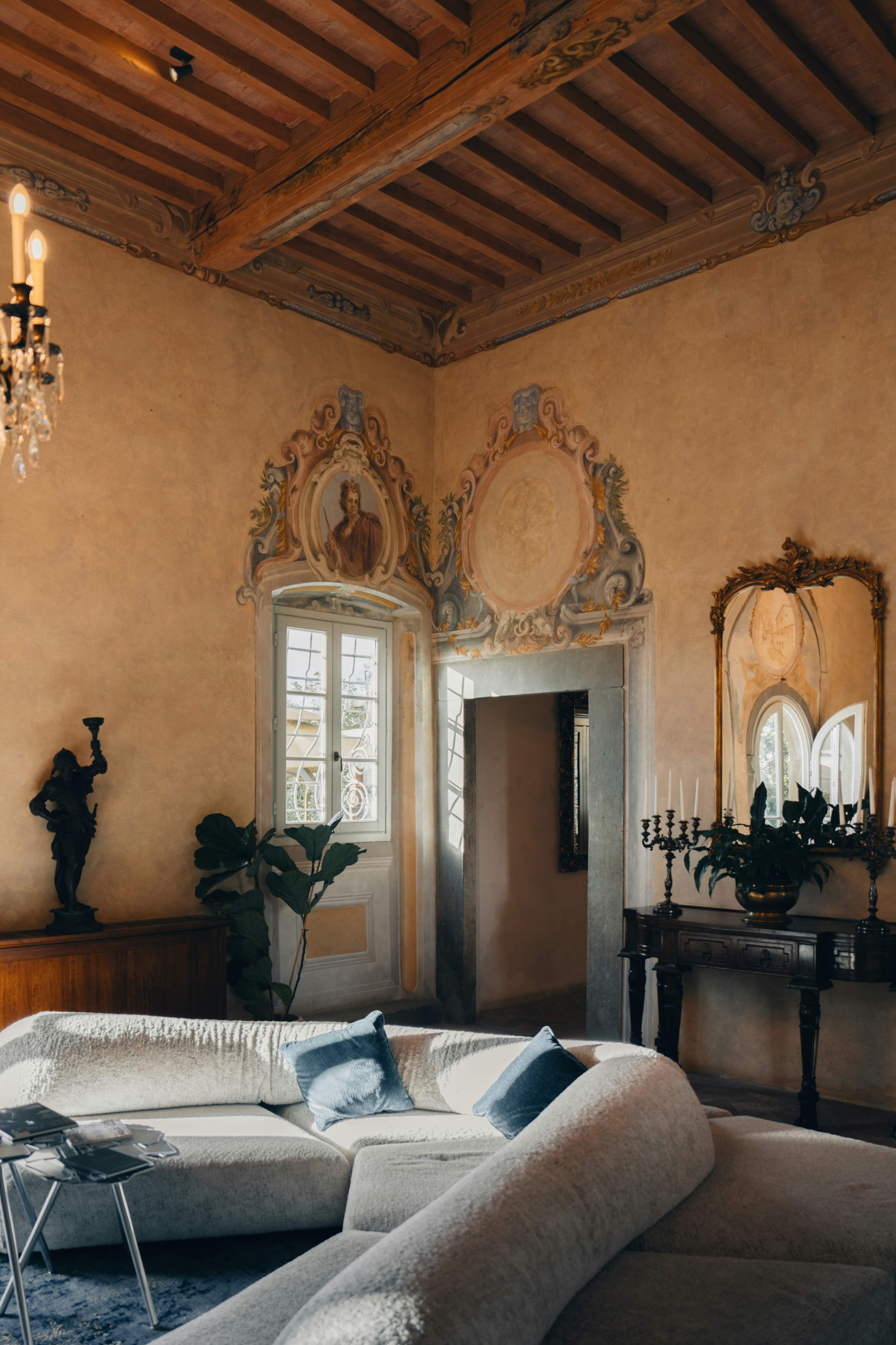
While both Tuscan and French Country styles exude rustic charm, they have distinct origins and features. French country house plans can range from modest cottages to luxurious estates, often characterized by a soft, romantic feel. They may feature steeply pitched roofs, decorative woodwork, and a balanced, elegant facade inspired by the French countryside.
Tuscan style, a subset of Mediterranean design, draws its inspiration from the rolling hills of Italy. These homes often have a more robust and earthy appearance, with low-pitched tile roofs, stucco exteriors, and prominent stonework. The overall vibe is warm, rustic, and connected to the landscape.
Key differences to look for include:
- Roofline: French Country homes often have steep, hipped rooflines, while Tuscan homes feature low-pitched, tiled roofs.
- Materials: While both use stone, Tuscan designs lean heavily on stucco and terra-cotta tiles.
- Overall Feel: French Country often feels more refined and romantic, whereas Tuscan style is more earthy and rustic.
Notable Features of Mediterranean, Victorian, and Tudor Homes
European house plans commonly include a diverse range of architectural styles, each with its own character. Mediterranean house plans, for example, are very popular in warmer climates like the Sun Belt. Inspired by Spanish and Italian villas, they are designed for a hot climate with features like tile roofs, stucco exteriors, and breezy, open interiors.
Tudor homes, on the other hand, have a more formal, old-world English feel. They are easily recognizable by their steeply pitched roofs, decorative half-timbering, and tall, narrow windows. These homes often have more defined, formal layouts inside. Victorian homes are known for their ornate details, complex rooflines, and decorative trim.
Common European architectural styles include:
- Mediterranean: Features low-pitched tile roofs and stucco exteriors.
- Tudor: Identified by decorative half-timbering and steep gables.
- French Country: Blends rustic charm with elegant, often symmetrical, designs.
Signature Exterior Elements in House of European Design
The exterior of a European-style home is where its old-world character truly shines. These designs are known for their stunning curb appeal, achieved through a thoughtful combination of materials and architectural features. You'll often find that natural materials are the star of the show, creating a look that is both timeless and deeply connected to its historical roots.
From impressive stone exteriors to classic brickwork and intricate iron details on balconies or windows, every element works together. The result is a home that feels substantial and authentic. Below, we'll examine the specific material choices and unique facade elements that give these homes their distinguished appearance.
Material Choices for Authentic European Exteriors
Choosing the right materials is essential for an authentic European look. Popular materials used in European-style homes are typically natural and durable, reflecting centuries of building tradition. Stone exteriors are a common choice, providing a sense of permanence and rustic beauty. Brick and stucco are also frequently used to create textured, visually interesting facades.
For roofing, tile roofs are the go-to for Mediterranean and Spanish designs, known for their distinctive color and durability in sunny climates. In other styles, you might see architectural shingles that mimic slate. Accents like exposed wood beams under the eaves or around entryways add another layer of authentic, rustic detail.
Key materials for European exteriors include:
- Stone and brick for walls and accents.
- Stucco for a smooth, classic finish.
- Clay or concrete tile roofs for a Mediterranean look.
Unique Facades, Rooflines, and Windows
Beyond materials, the architectural shapes of European homes create their unforgettable look. You can see examples of beautiful European house exteriors in their dynamic rooflines. Many styles, such as French Country and Tudor, feature steeply pitched roofs with multiple gables and hips, adding height and grandeur to the home's silhouette.
Windows and doors are also key. Tall windows, often arranged in groups, allow for plenty of natural light and create a strong vertical emphasis. Arched windows and doorways are another signature element that adds a touch of softness and elegance. To complete the look, many plans incorporate decorative woodwork or wrought iron details on balconies and window boxes.
Signature facade elements often include:
- Steeply pitched roofs with complex lines.
- Arched or tall, rectangular windows.
- Courtyards or grand two-story entryways.
Interior Design Trends in European-Style Homes
The interior design of a European-style home beautifully marries tradition with modern comfort. While the exteriors boast old-world charm, the interiors are often designed for today's lifestyle. A major focus is on creating bright, welcoming spaces, with an emphasis on bringing in abundant natural light through large windows.
Even in homes with traditional bones, you'll find modern amenities. Open-concept living areas, gourmet kitchens, and luxurious master suite layouts are common. The goal is to blend classic aesthetic elements with the functionality you need for comfortable, everyday living. Let's look at the classic elements and modern influences that define these interiors.
Classic Elements Defining European Interiors
Typical interior design elements in European-style homes create a feeling of warmth and history. These spaces often incorporate rustic elements that connect the inside of the home to its architectural style. For country homes, this might mean bringing in textures and materials that feel organic and timeless.
Exposed wood beams on the ceiling are a classic feature, adding instant character and a sense of height to a room. Textured plaster walls offer a soft, aged look that you can't get with standard drywall. A stone fireplace often serves as a focal point in the great room or family room, providing a cozy gathering spot.
Common classic interior elements are:
- Exposed wood beams on vaulted or flat ceilings.
- Hand-troweled plaster walls for a touch of texture.
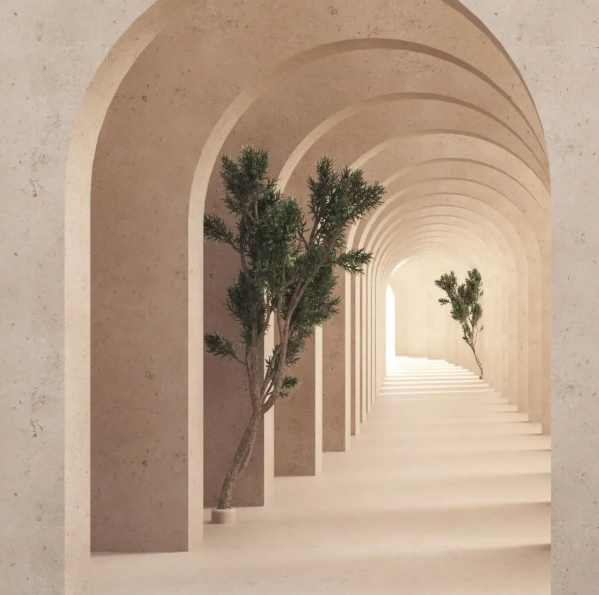
- Arched interior doorways that mirror the exterior architecture.
Modern Influences and Customization Options for Today’s Homes
Today's European house designs are heavily influenced by the desire for modern convenience and personalization. While the classic aesthetic remains, trends are leaning toward integrating modern features that support a contemporary lifestyle. This includes creating open floor plans, home offices for remote work, and spacious in-law suites.
One of the biggest advantages is the availability of customization options. You can work with designers to modify a plan to fit your exact needs, whether that means expanding a kitchen, adding a bonus room, or reconfiguring a bathroom. Remember that all house plans are protected by copyright, so direct reproductions of the illustrations are prohibited, but modifications can be requested through the proper channels.
Current trends influencing these designs include:
- Open-concept great rooms that combine the kitchen, dining, and living areas.
- Dedicated spaces like home offices, exercise rooms, or media rooms.
- Luxurious primary suites with large walk-in closets and spa-like bathrooms.
Conclusion
In conclusion, exploring unique European house design styles reveals a rich tapestry of architectural traditions and modern influences. From the charming details of Tuscan villas to the elegance of French country homes, each style offers something special that can elevate your living space. The blend of classic elements with contemporary trends allows homeowners to create interiors that are not only aesthetically pleasing but also functional. As you consider these distinctive features for your own home, remember that the beauty of European design lies in its ability to reflect personal taste while maintaining a touch of timeless elegance. If you're ready to transform your space, why not schedule a consultation with our design experts to help you bring your vision to life?