


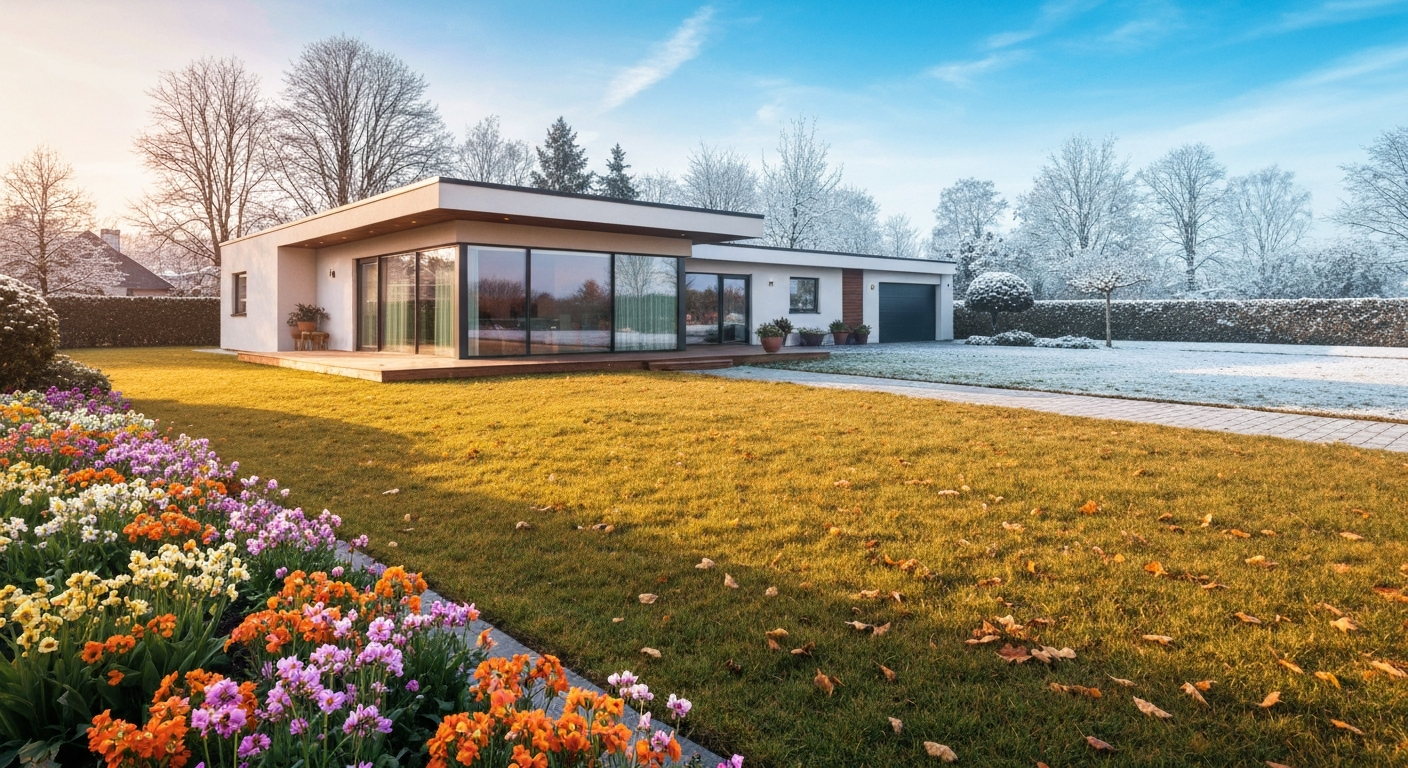
Key Highlights
- Spring and early summer are often considered the best time to sell, as increased buyer demand can lead to a higher sale price.
- The peak season for the housing market is typically from May to June, when homes often sell faster and for more money.
- Current market conditions, including interest rates and local inventory, play a crucial role in determining a good time to list your property.
- Winter is usually the slowest season, with fewer buyers and longer time on the market.
- Your personal readiness and financial situation are just as important as market trends when deciding to sell.
Introduction
Deciding when to sell your house is one of the biggest questions home sellers face. Timing the real estate market can feel like a guessing game, but certain periods are historically better than others. Understanding seasonal trends and market indicators can make a significant difference in your final sale price and how quickly you close the deal. This guide will walk you through the factors that determine the best time to list your home, helping you make a confident and profitable decision.
Understanding the Best Time to Sell a Home
Finding the perfect moment for your home sale involves more than just picking a date on the calendar. Real estate professionals know that a successful sale depends on a mix of factors, including the broader economy and local market conditions. High buyer demand and low inventory often lead to a higher final sale price.
Key elements like mortgage interest rates and job growth can influence how many buyers are actively looking. By understanding these dynamics, you can better position your home to attract serious offers. Let's explore the economic drivers and market conditions that shape your selling opportunities.
Key Economic Factors Impacting Home Sales
The overall health of the economy has a direct impact on the housing market. Factors like mortgage rates and employment levels can sway buyer confidence and affordability. When interest rates are high, as they were in 2024-2025 when they hovered near 7%, it can limit the number of buyers who can afford a home.
Conversely, strong job growth and low unemployment often encourage more people to make significant financial moves, like purchasing a property. Economic uncertainty can cause potential buyers to hesitate, waiting for more stability before committing to a large purchase.
While you can't control these larger economic forces, staying informed about trends in mortgage rates and local job growth can help you anticipate shifts in buyer behavior. This knowledge allows you to time your sale to coincide with periods of higher buyer confidence, potentially leading to a better outcome for you.
How Market Conditions Shape Selling Opportunities
The state of the real estate market is defined by supply and demand. When buyer demand is higher than the number of homes available, it creates a seller’s market. In these conditions, home prices tend to rise, and properties often sell faster, sometimes with multiple offers. You have more negotiating power in this environment.
On the other hand, if there are more homes for sale than active buyers, it's a buyer's market. This situation can lead to lower home prices and longer selling times, as you have more competition. Buyers have more leverage to negotiate terms and price.
Monitoring local market activity is key. Look at how many homes are listed in your area and how quickly they are selling. A low number of days on the market for similar properties is a great sign. Understanding these dynamics helps you price your home competitively and know what to expect from the selling process.
The Impact of Seasonality on Home Selling
The real estate market follows predictable seasonal patterns. Generally, the peak season for selling a home is in the spring and summer. During these warmer months, more home buyers are out looking, creating a flurry of activity that can lead to faster sales and higher prices.
This period is often called the "sweet spot" for sellers. The weather is better for showings, and families often want to move before the new school year begins. Let's look closer at why spring is so popular and what to expect when selling in other seasons.
Why Spring Is Often the Best Time to Sell a Home
Spring is widely regarded as the prime time to sell a house. After being cooped up all winter, buyers are eager to get out and find their next home. This surge in buyer behavior creates a competitive environment where bidding wars can become more common, driving up sale prices.
The season itself also helps your home look its best. With flowers blooming and lawns turning green, your property's curb appeal is at its peak. This natural beauty makes a great first impression during showings and in listing photos. Data from sources like the National Association of Realtors consistently shows that market trends favor sellers during these months.
Historically, homes listed in late spring, particularly in May and June, sell for more than their listing price and spend less time on the market. This combination of high demand and beautiful presentation makes spring a powerful season for sellers.
Advantages and Challenges of Selling in Summer
The summer months continue the strong momentum from spring, offering several advantages for sellers. Longer days provide more daylight hours for showings and open houses, making it easier for potential buyers to visit after work. Buyer demand remains high, especially from families aiming to settle in before the school year starts.
This sustained activity helps keep home prices strong. However, summer also brings challenges. Competition remains high, as many other sellers are also trying to capitalize on the peak season. You'll need to make sure your home stands out.
Another factor is that vacations can sometimes slow things down. Buyers and their agents might be traveling, which could create scheduling difficulties. Despite this, the high number of active buyers generally makes summer a profitable time to sell, often with competitive rates and strong offers.
Selling a Home in Fall: Pros, Cons, and Strategy
As summer fades, the real estate market begins to shift. Selling in early fall can still be a great option, but the dynamics are different. There are typically fewer buyers in the market once the school year begins, which can sometimes lead to price reductions if a home lingers.
However, the buyers who are looking in the fall are often more serious and motivated to close a deal before the holidays. Understanding these market conditions is key to developing a successful strategy for an autumn sale. Here's a look at the buyer activity and tips for listing your home during this season.
Buyer Activity and Market Trends in Autumn

During the autumn months, overall buyer activity tends to slow down compared to the spring and summer frenzy. Families are often settled into the school routine, so the pool of buyers shrinks. Market data reflects this seasonal dip in traffic.
However, this doesn't mean it's a bad time to sell. With less competition from other listings, your home has a better chance of capturing attention. The buyers who are actively searching in the fall are often highly motivated. They may be relocating for a job or have another urgent reason to move, making them serious buyers who want to act quickly.
This motivation can work in your favor. These buyers are less likely to be casual browsers and more likely to make a strong offer if they find the right property. Your goal is to appeal to this focused group of purchasers.
Essential Tips for Listing Your Home in the Fall
To attract motivated home buyers in the fall, your strategy needs to be sharp. Your real estate agent can help you set a competitive listing price that reflects the seasonal market while protecting your home equity. Focus on making your home feel warm and inviting.
Enhancing your curb appeal is crucial as the days get shorter and the landscape changes. Keep leaves raked and add some seasonal decor like pumpkins or mums to create a welcoming entrance. Inside, make sure your home is well-lit and cozy for showings.
Here are a few essential tips for a fall listing:
- Price it right from the start to attract serious offers quickly.
- Emphasize cozy features like a fireplace or a warm color palette.
- Use high-quality photos that showcase your home in the best possible light.
- Be flexible with showings, as buyers' schedules might be tight.
Considerations for Selling a Home in Winter
The winter months are traditionally the slowest season for a home sale. The combination of cold weather, shorter days, and the busy holiday season means there are generally fewer buyers actively looking. This can make selling feel like an uphill battle.
However, winter isn't without its opportunities. Low inventory means less competition from other sellers. The buyers who are out house-hunting are often very motivated. Let's examine why winter can be less ideal and explore strategies to make a winter sale successful.
Reasons Winter Sales May Be Less Ideal

For many sellers, the winter months can feel like the worst time to list a home. The primary reason is the significant drop in the number of active buyers. People are often busy with holiday celebrations and family gatherings, pushing house hunting to the bottom of their priority list.
The weather also plays a big role. Cold temperatures and snow in many parts of the country can make buyers less willing to venture out for showings. Shorter days mean fewer daylight hours to showcase your home's best features, and a bleak, gray landscape can diminish its curb appeal.
This combination of fewer buyers and logistical challenges often leads to a longer time on the market. Data shows that homes listed in January and February tend to have the highest median days on the market, which can sometimes create a negative perception among buyers.
Strategies to Boost Success When Selling During Winter
Although buyer demand is lower during the winter months, you can still achieve a successful sale with the right approach. The key is to appeal to the serious buyers who are in the market due to job relocations or other urgent needs. These individuals are often ready to make a decision quickly. A knowledgeable real estate agent can help you target this group effectively.
While overall home prices may be slightly lower, less competition means your property can stand out more easily. Make your home a cozy retreat from the cold by keeping it warm, well-lit, and smelling pleasant.
Here are a few strategies to succeed in winter:
- Price your home competitively to attract immediate interest.
- Use high-quality, professional photos taken on a bright day.
- Keep pathways and driveways clear of snow and ice for safe access.
- Be accommodating with showing requests, even during the holidays.
Location and Local Market Dynamics
While national trends and seasonal patterns provide a great starting point, the best time for your home sale is heavily influenced by your specific location. Local market conditions can often be more important than broad, nationwide statistics. A booming job market or population growth in your area can create strong demand year-round.
The geography of your region also plays a significant role. For example, vacation spots have different peak seasons than suburban communities. Understanding these regional trends is essential for timing your listing perfectly.
How Geography and Regional Trends Affect Timing
Your local geography creates unique market conditions that can override national seasonal advice. For instance, in warm-weather states, the winter months might be a prime selling season as "snowbirds" look for sunny retreats. In contrast, a ski resort town will see its peak activity during the winter.
Regional economic trends also shape the best time to sell. For example, recent data showed a significant surge in home prices in the Northeast, while other areas saw more modest gains. A major company moving into your town could create a sudden spike in demand, making any time a good time to sell.
It's crucial to research your specific area rather than relying only on national trends. Factors like school calendars, local employment, and even weather patterns can all influence the ideal timing.
- Northeast
- Recent Market Trend: Experienced a 10.3% price surge
- Potential Impact on Timing: Strong seller's market, good timing likely year-round
- Midwest
- Recent Market Trend: Saw 5.2% price gains
- Potential Impact on Timing: Stable market, traditional spring/summer peak may hold true
- West
- Recent Market Trend: Recorded 4.1% year-over-year increases
- Potential Impact on Timing: Solid gains, but local variations are key
Identifying Hot Markets and Ideal Selling Windows
So, how can you tell if you're in one of those hot markets? There are several clear signs that market trends are in your favor. When you see homes in your neighborhood selling quickly and for more than their asking price, it's a strong indicator of high demand. This is a great time to list your property and potentially maximize your return.
Rising home prices are another key signal. If recent comparable sales show a steady increase in value, it means the market is appreciating. This allows you to set a confident asking price and can give you more financial flexibility for purchasing your next home.
Look for these signs that it's a good time to sell:
- Homes are selling in just a few days or weeks (low "days on market").
- A high percentage of properties sell for at or above the list price.
- There are fewer homes for sale in your area than there are buyers (low inventory).
- You hear about multiple offers being made on a single property.
Conclusion
In summary, understanding the best time to sell a house is crucial for maximizing your return on investment. By analyzing seasonal trends and local market conditions, you can strategically time your sale to attract more buyers and achieve favorable pricing. Remember that while spring often presents the most opportunities, each season has its unique advantages and challenges. Always consider economic factors and your specific circumstances to make an informed decision. Equipped with the right knowledge, you're now ready to embark on your home-selling journey. If you have questions or need personalized advice, feel free to reach out for assistance!


